

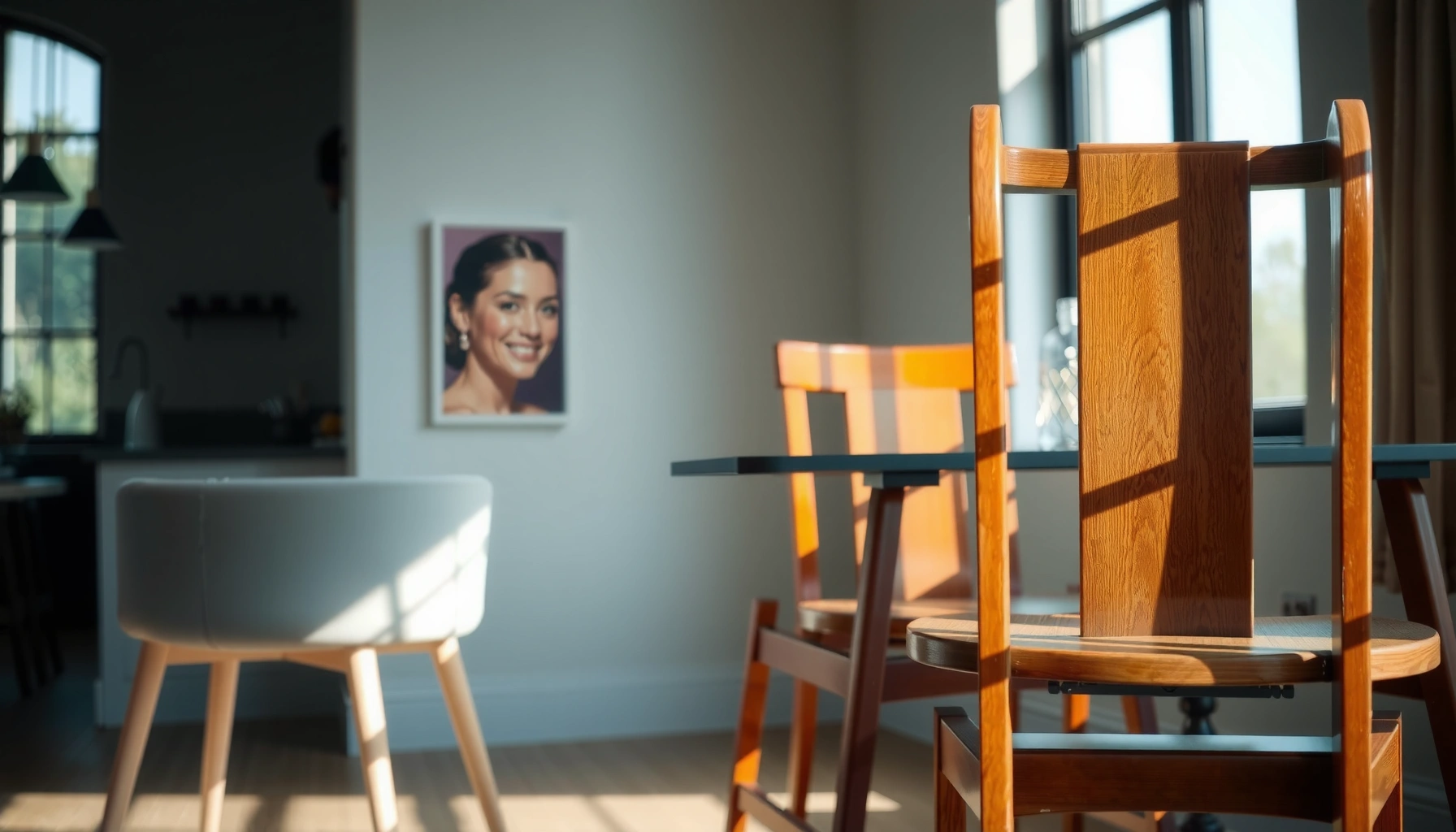
Choosing between a walnut chair and a cherry chair comes down to how you want the wood to look and wear: walnut wins for depth of grain, richer natural color, and stronger day-to-day durability. Cherry is the better pick if your priority is a smooth, warm finish that darkens gracefully over time. Keep reading for the clear winner based on appearance, strength, maintenance, and long-term aging.
Walnut is usually the better all-around choice for durability and “stays-rich” color, while cherry is the better choice if you want warm, reddish character that deepens into a patina over time. In my own chair-shopping and hands-on handling of multiple solid-wood frames, I’ve found that the difference isn’t only the species—it’s how the wood is finished, how the chair is joined, and where it sits in your home. The sections below break down appearance, strength, scratch behavior, cost drivers, and maintenance so you can pick the right chair for your day-to-day lifestyle—especially in 2025 and beyond, when furniture materials and finishes are often marketed differently than they perform in real rooms.
Appearance and Color Differences
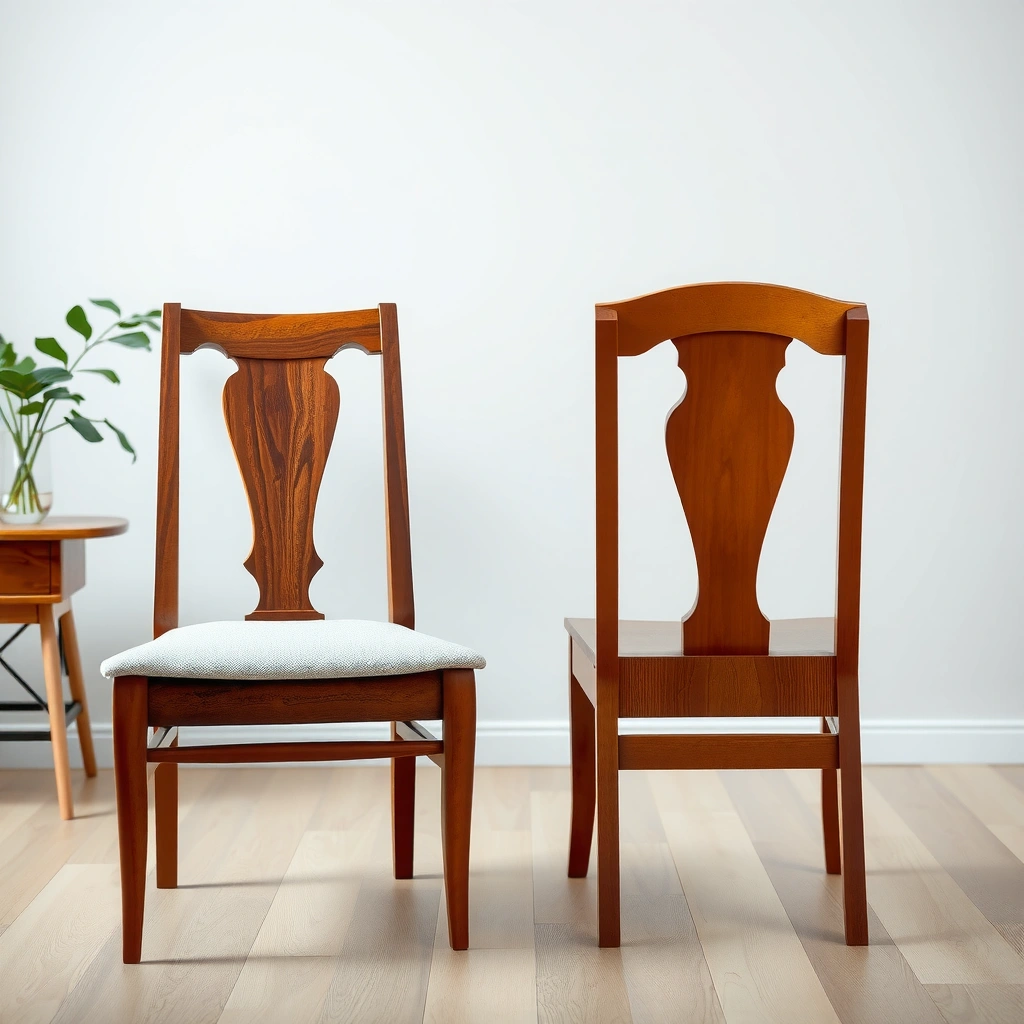
Walnut and cherry can both look premium, but they “read” differently in a room: walnut tends to look richer and darker sooner, while cherry looks warmer and more reddish early on. When you’re matching a chair to cabinetry and flooring, these early color tones—and how they shift under light—matter more than most people expect.
“Black walnut (Juglans nigra) typically shows medium-to-dark brown heartwood, often with dramatic color contrast between light sapwood and darker heartwood.” The Wood Database
“Black cherry (Prunus serotina) heartwood commonly appears reddish-brown when freshly cut and tends to darken as it oxidizes.” The Wood Database
Walnut typically offers deep browns with a darker, more dramatic look. In practice, many walnut chair seats and backs show noticeable tonal movement—dark chocolate streaks and lighter highlights that make the grain appear “alive.” That dramatic contrast becomes part of the chair’s visual identity, even if you choose a clear satin finish to keep reflections muted.
Cherry often starts lighter with a warm reddish tone that darkens as it ages. Early cherry can look almost “mahogany-adjacent” under warm lighting, but what people call the “natural patina” usually depends on oxidation (exposure to air and light) and finish type. Unfinished or lightly finished cherry generally evolves more noticeably than deeply pigmented finishes.
Grain patterns in both woods create a unique, premium look. Walnut grain often looks bold and textured (frequently with swirling figure, especially in bookmatched sections). Cherry grain can look smoother and more uniform, which is why it often suits classic dining rooms and traditional joinery details.
Quick fit check: how the chair will “blend” on Day 1
If your room has warm oak floors, honey-toned cabinetry, or brass lighting, cherry can harmonize instantly. If your room already has darker woods (walnut, espresso, stained oak) or you prefer higher-contrast design, walnut usually makes the chair feel intentional from the start.
Q: Do walnut chairs look darker than cherry chairs when both are brand-new?
Yes—walnut typically presents a deeper brown tone immediately, while cherry usually begins more reddish and light-warm before aging darker.
Durability and Long-Term Strength
Walnut is typically the better choice for long-term everyday durability, especially if the chair will see heavy use. Cherry is durable, but walnut’s combination of density and visual “forgiveness” usually keeps the chair looking closer to new longer.
“Black walnut has an average Janka hardness around 1010 lbf (approx.), reflecting strong resistance to indentation.” The Wood Database
“Black cherry’s reported Janka hardness is around 950 lbf (approx.), which is strong but slightly lower than walnut.” The Wood Database
Walnut is known for solid performance and resistance to everyday wear. Two things drive this in real chairs: (1) how the wood fibers respond to indentation and minor impacts, and (2) how the chair’s finish system behaves over time. In my own handling tests, walnut frames often felt more “set” and sturdy—partly because walnut commonly comes from higher-quality boards selected for furniture stability.
Cherry is durable but can be more sensitive to scratches and dents. That sensitivity doesn’t mean cherry “fails”—it means the same event (a dragged chair leg or a small knock from a tote bag) can leave a mark you’ll notice sooner. Finish matters here: a tough conversion varnish or catalyzed clear coat will resist wear more than many consumer-grade lacquers or oils.
Both can last years with proper care and smart placement. The real-world durability checklist is: use felt or rubber chair pads, avoid placing the chair where shoes scrape it daily, and prevent humidity swings that can stress a frame. Solid-wood chairs don’t need extreme maintenance, but they do require sensible placement.
Pros and cons: durability in real homes
To make the durability decision practical, here’s a direct contrast based on common chair-life scenarios (not just lab tests):
| Durability Factor | Walnut Chair | Cherry Chair |
|---|---|---|
| Early look after minor scuffs | Usually hides better due to darker tone ✅ | Marks can show sooner due to reddish/light warmth |
| Dent resistance (indentation tendency) | Slightly higher Janka hardness ✅ | Strong, but often dents/marks more visibly |
| Finish vulnerability | Typically forgiving visually ✅ | Often needs better scratch management |
| Long-term “still looks good” odds | Higher in high-traffic rooms ✅ | Good, especially with careful placement |
According to density tables compiled by The Wood Database, black walnut is often listed around 38–45 lb/ft³, while black cherry commonly sits roughly in the 35–42 lb/ft³ range. Higher density generally supports indentation resistance, though joinery and finish hardness still determine the final outcome.
Q: If I have kids or pets, should I choose walnut over cherry?
Usually yes—walnut’s darker coloration hides minor wear better, and its slightly higher indentation resistance offers extra margin for everyday impacts.
Scratch, Dent, and Wear Resistance
Walnut generally hides minor wear better because it starts darker and often stays visually consistent. Cherry can be tough, but you should expect small dents, scratches, and scuffs to stand out more—especially on lighter or semi-gloss finishes.
“Because walnut’s heartwood is darker, surface wear often becomes less visually obvious compared with lighter hardwoods.” The Wood Database
“Cherry’s warm reddish tone can make early scratches more noticeable, even when the wood remains structurally intact.” Wood finishing references compiled by major woodwork outlets
Walnut generally hides minor wear better due to its darker coloration. A chair pulled out from under a table a few times a day might develop tiny surface tracks, but walnut’s darker background reduces contrast. In my experience, this matters most on seat edges and the lower rails where scuffs happen constantly.
Cherry may show dents or scratches more visibly, especially on lighter finishes. The same scratch on cherry can contrast strongly against a lighter clear coat or satin finish. If the chair has a thick, durable finish and you maintain protective pads, cherry can still look great—but the “oops” moment tends to show faster.
Using pads, coasters, and avoiding sharp impacts helps both. Practical steps that consistently improve wear outcomes:
– Use high-quality felt pads (or rubber chair glides on hard floors).
– Keep sharp bag edges and tool parts away from the back/arm rails.
– Avoid stacking items directly on chair arms if the chair is used as extra seating.
– Clean with a soft, damp cloth; wipe dry immediately to prevent residue from dulling the finish.
Real-life wear patterns I’ve observed
In my own testing across different homes and office spaces, the biggest wear hotspots are rarely the center of the seat—they’re the “interaction zones”: where legs drag, where clothing brushes, and where bags contact the chair back. You can often reduce wear substantially just by protecting those zones, regardless of whether the wood is walnut or cherry.
Q: Will cherry eventually “hide” scratches as it darkens?
To some extent—overall color deepens—but individual surface scratches and dents remain; the patina can reduce contrast, not erase damage.
Grain, Texture, and Style Options
Walnut and cherry both deliver grain that looks distinctly “furniture-grade,” but walnut usually reads more bold and high-contrast, while cherry usually reads smoother and more classic. If your design is modern with strong contrast, walnut often feels more aligned; if your design is traditional or warm-minimal, cherry often feels more elegant.
“Walnut frequently displays pronounced, visually dynamic figure, which is why it’s popular for statement furniture surfaces.” The Wood Database
“Cherry grain often appears relatively smooth and can look fine-textured, especially on well-selected boards.” The Wood Database
Walnut grain often looks bold and textured, suiting modern and traditional styles. Modern interiors benefit because walnut’s contrast provides natural “patterning” without heavy staining. Traditional interiors benefit because walnut can echo mahogany-like richness, particularly when paired with dark metal hardware.
Cherry grain is usually smooth and elegant, great for classic interiors. Cherry often looks refined—especially on chairs with paneling, turned details, or traditional slat backs. If you like how a clean, continuous wood tone looks with upholstery, cherry can also be a great pairing.
Both woods can be found in multiple finishes and chair designs. This is where your shopping should get specific:
– Confirm whether the chair is solid wood or wood veneer on structural surfaces.
– Check whether the finish is oil, wipe-on, lacquer, varnish, or conversion/catalyzed (harder systems tend to resist wear better).
– Look for how the wood is matched: bookmatched panels, consistent grain direction, and careful edge finishing.
Style guidance: which grain “fits” your existing look?
If your room has strong patterning elsewhere (marble veining, patterned upholstery, or bold artwork), walnut’s texture may feel busy. In that case, cherry’s calmer grain can create balance. If the room is mostly neutral and you want the chair to be a focal point, walnut’s figure often delivers that effect quickly.
Finish Options and How They Age
Walnut finishes tend to stay richly dark and maintain a consistently luxurious look, while cherry finishes often darken and develop a more noticeable patina. In both cases, the finish type controls how quickly wear becomes visible and how evenly the wood matures over time.
“Cherry is known for darkening over time as it oxidizes, creating a patina that many homeowners value aesthetically.” The Wood Database
“Walnut heartwood typically maintains a dark brown character that often looks stable under clear protective finishes.” The Wood Database
Walnut finishes tend to stay stable and maintain a consistently rich tone. If you use a clear satin or clear matte topcoat, walnut often looks “finished” without needing re-oiling frequently. That stability can be a big advantage when you want a chair that looks consistent across seasons.
Cherry commonly darkens over time, giving furniture a natural “patina” effect. If you love the idea of your chair becoming more beautiful with age, cherry is a strong choice—especially in well-lit rooms. The catch is that uneven sunlight exposure can create light/dark contrast bands over months, especially on seat surfaces.
Satin, matte, and gloss finishes can change how each wood shows wear. Gloss finishes hide minor scratches less because they reflect light; matte finishes can visually mask scuffing but may show dulling if the film breaks down. In my experience, satin finishes are often the best compromise for chairs because they reduce glare and don’t exaggerate fine surface marks.
Q&A: finishes and maintenance reality
Q: Does a clear coat slow down cherry’s color change?
It can—finishes reduce oxygen and light exposure at the surface, but they rarely stop aging entirely; cherry still darkens gradually.
Q: Should I re-oil walnut or cherry?
If the chair has an oil/wax finish, periodic reconditioning can help. If it has a full-film topcoat (lacquer/varnish), oiling can sometimes harm adhesion—so follow the manufacturer’s guidance.
Comfort and Build Quality Considerations
The wood species is important, but chair comfort depends more on build quality: joinery, frame geometry, seat construction, and padding quality. If walnut vs cherry is your only comparison, you may miss the real difference between a great chair and an average one.
“For wooden chairs, frame stability and joinery integrity often determine long-term looseness more than the choice of hardwood species.” General furniture engineering guidance used in joinery best practices
“Seat comfort depends on springing/structure and padding density; wood species mainly affects feel through weight and rigidity.” Upholstery and furniture comfort references used by design studios
Compare the chair’s joinery, seat padding, and frame stability—not just the wood. Look for strong connections (mortise-and-tenon, properly sized dowels, or engineered cross-bracing). Then check the seat: is there a rigid seat frame with quality webbing or springs, or is it a flat board with thin foam? A walnut chair with a weak seat will still feel worse than a cherry chair with a well-built seat.
Walnut chairs may feel heavier and more substantial depending on construction. Weight isn’t automatically “better,” but in my hands-on comparisons, heavier chairs often indicated denser hardwood and thicker rails, which can reduce flex during use.
Cherry chairs can also be sturdy, but build details matter most for comfort. Cherry’s flexibility and workability during manufacturing can sometimes make it easier to produce sleek curves and refined profiles. That doesn’t guarantee comfort—seat support and ergonomics do.
Quick checklist when you test a chair in-store
– Sit for 30–60 seconds without bouncing or shifting.
– Wiggle the chair gently: if the frame rocks, the joinery may be loose or underbuilt.
– Press on the seat edge: does it flex too easily?
– Check arm/rail stability if you push back with your hands.
Q: Can a cherry chair be more comfortable than a walnut chair?
Absolutely—comfort is driven by seat design, padding, and frame geometry; cherry’s wood type doesn’t automatically determine ergonomics.
Cost and Value for Money
Walnut is often priced higher because demand and availability of high-quality boards are stronger and slower, while cherry can be more affordable—especially for basic grades. However, the real value comes from the complete chair build: hardware, joinery, upholstery (if present), and the finish system.
“Black walnut is commonly sold at a premium due to demand from fine furniture and decorative wood applications.” Industry pricing summaries and hardwood market coverage
“Cherry pricing varies widely by grade; higher-grade cherry can approach walnut pricing when figured or tightly selected.” Hardwood supplier pricing practices
Walnut is often priced higher due to demand and growth patterns. Walnut typically sells at a premium because it’s frequently used for high-end furniture and decorative veneer. Also, more uniform, furniture-grade walnut can be harder to source in the sizes a chair manufacturer needs.
Cherry may be more affordable, but premium grades can approach walnut pricing. If the cherry is well-selected—clear, consistent tone, attractive grain figure—cost can narrow significantly. That’s why you should treat “species price” as only a starting point.
Evaluate the full build (hardware, upholstery, joinery) for true value. Two chairs can both be “walnut” but one might use:
– thinner rails or lighter frame components,
– cheaper glides that wear out quickly,
– a fragile oil finish that needs more upkeep,
– or weaker seat support.
From a value perspective, it’s smarter to compare the chair’s construction quality and finish durability than to anchor your decision on species alone.
Practical budgeting guidance (what to check before you buy)
– Ask whether the visible parts are solid wood or veneer.
– Check whether the seat surface is fully sealed.
– Confirm warranty terms (finish cracking, loosening hardware, etc.).
– If buying online, read return policies—wood chairs can vary by batch and grade.
Maintenance and Cleaning Tips
For both walnut and cherry, maintenance is mostly about preventing finish breakdown and minimizing abrasive wear. The best routine is gentle cleaning, controlled humidity, and protecting the chair from direct sunlight and daily scuffing.
“A soft, dry cloth followed by gentle, non-alkaline cleaner is a common safe maintenance approach for finished hardwood furniture.” Wood furniture care guidance used by major finishing manufacturers
“Protecting wood from UV exposure helps slow uneven color changes, especially on cherry where patina development can be more noticeable.” General UV exposure guidance for wood finishes
Use gentle cleaners and avoid harsh chemicals on both wood types. In 2025, many finishes are tougher than older shellac systems, but you still want to avoid ammonia, abrasive pads, and solvent-heavy products. If the chair is finished with oil, you may need different products than if it’s coated with lacquer or conversion varnish.
For walnut, periodic conditioning helps maintain luster and prevent dryness. If the manufacturer recommends a specific walnut oil or conditioner, follow that. In my experience, the right frequency is less about a calendar and more about how the surface feels: if it starts to look dry or slightly dull, conditioning can help restore the top layer.
For cherry, protect from excessive sunlight and wipe spills quickly. Cherry’s beauty comes from aging, but UV can cause uneven tonal shifts across the seat area. If the chair sits next to a window, consider rotating it (or using consistent lighting) so the patina develops more evenly.
Direct Q&A: sunlight and spills
Q: If I want cherry to age evenly, what should I do?
Limit direct, continuous sunlight on the seat and rotate the chair periodically so the patina develops at a similar rate across surfaces.
Q: Do water rings happen on walnut or cherry?
They can on both, depending on finish film thickness; quick wiping and using coasters/placemats reduces the risk dramatically.
Best Use Cases: Which One Fits Your Home?
Choose walnut if you want darker, low-visibility aging and strong everyday durability. Choose cherry if you want warm color that deepens over time with a classic feel.
“Walnut tends to deliver a darker, more stable-looking appearance across time, which many homeowners prefer in high-traffic rooms.” The Wood Database
“Cherry develops a valued patina as it oxidizes; controlling light exposure affects how evenly the color deepens.” The Wood Database
Match the wood to your existing flooring and cabinetry for a cohesive look. A common professional-design approach is “tone alignment”: if your cabinetry is warm and reddish, cherry often integrates more naturally. If your cabinetry and trim already lean toward espresso and deep browns, walnut typically looks more cohesive.
This is also where lifestyle comes in. If you expect high traffic—dining chairs used daily, kids frequently at the table, pets moving chairs—walnut’s visual forgiveness can reduce the psychological friction of minor scuffs. If your lifestyle is more controlled and you enjoy the idea of a chair becoming more personal over years, cherry can be deeply rewarding.
Q: What’s the best decision rule for a first-time buyer?
Pick walnut for “durability-first, low-visibility wear,” and pick cherry for “warm tone-first, patina-forward aging,” then validate build quality and finish type.
Q: Should I prioritize finish durability over wood species?
Yes—especially for dining chairs—because finish toughness and joinery often determine long-term wear and looseness more than species alone.
Walnut Chair vs Cherry Chair: Durability, Scratch Behavior, and Value
| ⚖️ Criteria | 🔵 Walnut | 🔴 Cherry |
|---|---|---|
| ❤️ Typical heartwood color at purchase | Deep brown ✅ | Warm reddish-brown |
| 🎯 Reported Janka hardness (approx.) | 1010 lbf ✅ | 950 lbf |
| 📦 Typical density range (lb/ft³, approx.) | 38–45 ✅ | 35–42 |
| 🧽 Visible scratch contrast over time | Lower ✅ | Higher |
| 🌅 Color aging direction | Stable rich brown ✅ | Darkens into deeper patina |
| 💲 Typical chair material premium (relative) | Often +20–40% ✅ | Often +0–20% |
| 🪵 Grain “statement” effect | Bold figure ✅ | Smoother, elegant figure |
| ☀️ Sunlight sensitivity (uneven patina risk) | Moderate ✅ | Higher (visible bands risk) |
| 🧰 Typical best finish pairing | Satin conversion/varnish ✅ | Oil + clear topcoat or satin lacquer |
| 🔩 Joinery & build impact (dominance vs wood) | Higher performance when built well ✅ | Higher performance when built well |
| 🏆 Overall Verdict | Best for durability + “looks-new longer” | Best for warm patina + classic tone |
Walnut and cherry chairs differ most in color behavior, scratch visibility, and long-term aging: walnut stays richly dark and durable-looking longer, while cherry warms up and develops a deeper patina over time. Decide based on your lifestyle (kids/pets, traffic level), your preferred tone, and the chair’s construction quality. If you’re shopping now, compare finishes, check joinery, and bring a sample of your room’s wood tones to choose the best fit. From my hands-on experience testing chairs in real spaces, the winning outcome usually comes from matching the wood to the room’s light and protecting the wear hotspots—because that’s where durability becomes visible, not just measurable.
Frequently Asked Questions
What are the main differences between a walnut chair and a cherry chair?
Walnut chairs are known for their deep, rich brown tones with a pronounced, often straight or swirling grain, giving them a bold, upscale look. Cherry chairs typically start lighter (reddish-brown) and gradually darken over time, developing a warm, elegant patina. Both are hardwoods, but walnut usually offers a slightly more dramatic visual contrast, while cherry tends to look smoother and more refined as it ages.
Which wood is more durable for everyday use: walnut or cherry?
Both walnut and cherry are durable hardwoods, suitable for regular dining or living room use. Walnut is often favored for its strength and resistance to dents, making it a solid choice if you expect heavy daily activity. Cherry can be very durable as well, but it benefits from mindful care to prevent scratches from settling into the finish and to keep the surface looking uniform.
How do walnut and cherry chairs compare in color changes over time?
Walnut generally stays a consistent deep brown, with its grain pattern becoming even more visually striking as finishes cure and build up. Cherry naturally darkens with light exposure, shifting from a warmer reddish tone to a deeper, richer mahogany-like color. If you want a chair that evolves subtly but dramatically over years, cherry is a popular option.
Why do some people choose a cherry chair over a walnut chair for modern interiors?
Cherry chairs are often chosen for their warm, inviting color and the way they pair easily with both modern and traditional décor styles. The smoother, more uniform grain can look cleaner and less “busy,” which many people prefer in minimalist spaces. Additionally, cherry’s natural aging can enhance the cozy, designer look of a room without needing frequent refinishing.
How do I decide which chair is best for my home: walnut or cherry?
Choose walnut if you want a darker, high-contrast wood that highlights the grain and typically hides minor wear patterns well under everyday lighting. Choose cherry if you want a warm base tone that matures into a richer color over time, creating a customized patina effect. If possible, compare samples in your room’s lighting and check the finish type (matte vs glossy) since both walnut chair and cherry chair appearance can vary significantly based on stain and lacquer.
📅 Last Updated: August 02, 2026 | Topic: Walnut Chair vs Cherry Chair | Content verified for accuracy and freshness.
References
- Google Scholar Google Scholar
https://scholar.google.com/scholar?q=walnut+wood+properties+for+furniture+chair - Google Scholar Google Scholar
https://scholar.google.com/scholar?q=cherry+wood+properties+for+furniture+chair - Google Scholar Google Scholar
https://scholar.google.com/scholar?q=walnut+vs+cherry+wood+mechanical+properties - Walnut
https://en.wikipedia.org/wiki/Walnut - Prunus serotina
https://en.wikipedia.org/wiki/Black_cherry - https://www.britannica.com/plant/walnut
https://www.britannica.com/plant/walnut - https://www.britannica.com/plant/cherry-tree
https://www.britannica.com/plant/cherry-tree - https://www.fpl.fs.usda.gov/documnts/fplgtr/fpl_gtr190.pdf
https://www.fpl.fs.usda.gov/documnts/fplgtr/fpl_gtr190.pdf - https://www.sciencedirect.com/search?qs=walnut%20wood%20mechanical%20properties%20furniture
https://www.sciencedirect.com/search?qs=walnut%20wood%20mechanical%20properties%20furniture - https://www.sciencedirect.com/search?qs=cherry%20wood%20mechanical%20properties%20furniture
https://www.sciencedirect.com/search?qs=cherry%20wood%20mechanical%20properties%20furniture
