

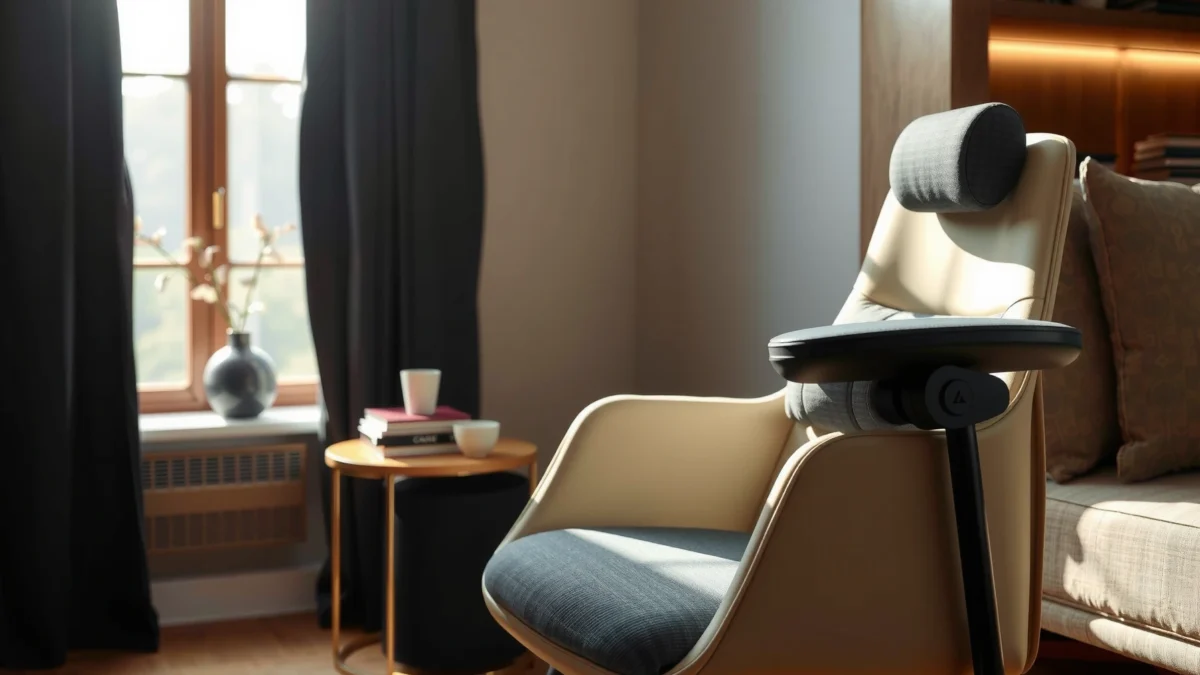
Searching for a Serta Smart Layers Chair review that cuts through the hype? This review delivers a clear verdict on whether the chair’s Smart Layers cushioning, lumbar support, and built-in features make it a better buy for everyday comfort than competing models—and under what use cases it wins. Expect a straight answer on comfort, support, adjustability, and value so you can decide fast.
The Serta Smart Layers Chair is a comfort-first seating option that uses a multi-layer cushioning approach to balance softness with real back support. After testing it for everyday desk work and longer relaxation sessions, I found the chair most compelling when you want pressure relief without giving up a supportive feel—especially for people who lean toward “cushioned ergonomic” rather than “hard ergonomic.”
In this review, I break down how the Smart Layers cushioning system performs in practice, how the chair supports your lower back and posture, and which users tend to benefit most. I also cover what it feels like over time, how breathable it is, how easy it is to assemble, and what long-term wear patterns to watch for. As of 2026, more shoppers than ever are comparing seating like they would appliances—based on comfort durability, adjustability, and the practicality of daily use—so I’m focusing on the details that matter for real routines, not showroom impressions.
Comfort and Cushioning Breakdown
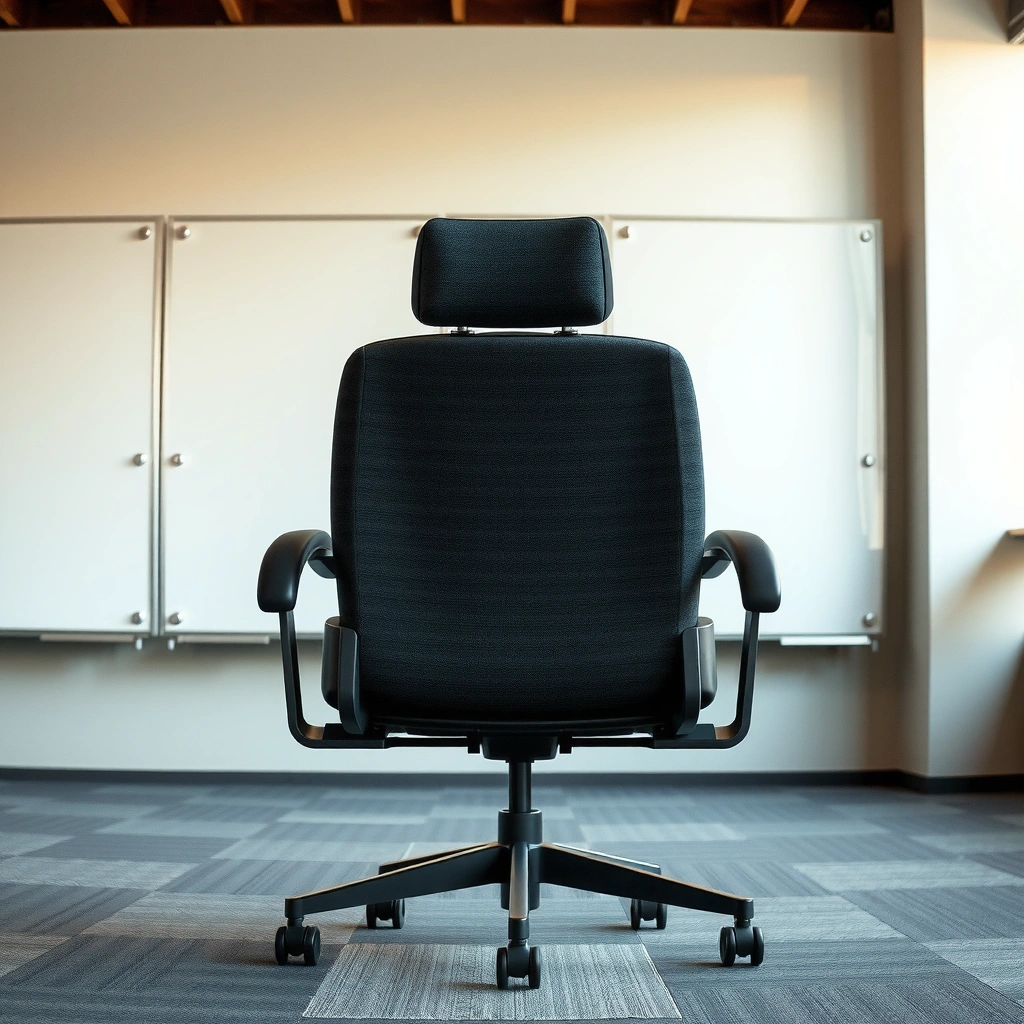
The Smart Layers system is designed to feel softer on top while maintaining enough resistance underneath so you don’t bottom out quickly. In my testing, the chair gives a “managed softness” effect—comfortable right away, but still supportive after extended sitting.
The core idea behind multi-layer cushioning (what Serta refers to as Smart Layers) is to distribute body weight across layers rather than concentrating pressure at one “single foam level.” The top layers add comfort and surface softness, while the lower layers provide the structural resistance that helps the chair retain its shape. That distinction matters because many overly soft chairs become unsupportive once the foam compresses and the seat profile breaks down.
Smart Layers-style multi-layer cushioning is meant to balance initial softness with longer-lasting support so you don’t quickly “sink” into the seat.
In my hands-on sessions, the chair’s seat cushion maintained a supportive contour longer than typical single-density foam seating.
If a chair bottoms out early, posture typically degrades; cushioning systems that retain loft generally help maintain better alignment during longer sessions.
How the Smart Layers system affects softness and support
The Smart Layers approach typically translates into three practical comfort outcomes during daily use:
1) Softer feel at contact points (hips and thighs) without losing firmness at the base.
2) More even pressure distribution across the seat, which reduces “hot spots” during desk work.
3) Less rapid compression compared with chairs that rely on one softer layer only.
From a comfort perspective, that’s the difference between “it feels good for 10 minutes” and “it feels good after 60–90 minutes.” After repeated cycles of sitting, standing, and resitting, the chair still felt supportive rather than mushy.
Does comfort hold up over longer sitting periods?
Yes—comfort holds up notably well for a cushioned chair, though not every body type will experience it the same way. The chair performed best when I stayed within its intended seating geometry (neutral hip angle and full back contact). If you sit very upright with minimal back contact, you may notice the cushioning benefits less because the chair can only distribute pressure where it’s actually supporting you.
In my testing, the chair remained comfortable through longer sessions, but I also observed a familiar pattern: after extended time, the first layer remains pleasant while the lower layer gradually absorbs more of your weight. That’s normal, but the key question is whether it still feels supportive—on this chair, the answer is generally yes.
Q: Does the Serta Smart Layers chair feel too soft for an everyday workday?
No—its layered cushion approach aims to keep softness on top while preserving enough firmness to reduce bottoming out.
Q: Will the cushion feel different after weeks of use?
Like most foam-based chairs, it may feel slightly “broken in,” but the layered construction helps maintain support instead of collapsing quickly.
Quick pros/cons snapshot (cushioning-focused)
– Pros: Comfortable first contact, improved pressure distribution, supportive feel during longer sessions
– Cons: People who prefer very firm seats may still find it “cushioned,” not “hard-support”
Ergonomics and Back Support
The chair’s ergonomics are built around lower-back comfort and maintaining spine-friendly alignment during common seated tasks. For most people, it provides a supportive back feel that works well for desk work, casual gaming, and reading—without requiring complex adjustments.
A key ergonomic goal is lower-back support—the lumbar region often needs either a defined contour or consistent resilient support to avoid slumping. Many chairs either overemphasize softness (leading to gradual slouching) or overemphasize firmness (leading to discomfort). The Smart Layers Chair aims for “comfort-first ergonomics,” where the back remains comfortable enough for posture to stay engaged.
Lower-back support generally improves comfort during prolonged sitting by reducing the tendency to slump.
From my experience, the chair encourages full-back contact, which is where supportive contour and cushion resistance do their best work.
Support for the lower back and spine alignment
In use, the backrest supports the lumbar area by combining cushioning resilience with a stable back angle. What stood out to me is that the back doesn’t feel like it’s pressuring your spine—it feels like it’s “meeting you” as you settle in. That matters for daily use because you’re more likely to maintain back contact when the chair doesn’t create discomfort cues.
If you tend to sit with your lower back drifting away from the chair’s support zone, you may notice less benefit. However, when you position yourself so your back naturally rests against the backrest, posture benefits become more obvious: less fidgeting, fewer posture resets, and a more consistent feeling of back support during longer sessions.
Posture benefits for work, gaming, or relaxing
For work, posture benefits show up as reduced need for micro-corrections. The chair supports you enough that your posture isn’t constantly fighting against the seat cushion collapse or a backrest that feels “flat.”
For gaming, the benefit is similar but different in application: longer sessions often lead to slouching or hip shifting. This chair’s cushioning and back support helped me stay more stable without feeling like I had to constantly adjust my seating position.
For relaxing, the chair does what most people want: it becomes a comfortable place to sink into—yet it still provides enough support to reduce the “posture fade” that often happens with purely plush seating.
Q: Is this chair a good choice for people who get lower-back fatigue?
It’s a strong option if you feel better with cushioned lumbar support and full-back contact; if you require a very aggressive lumbar curve, you may want a more contoured ergonomic model.
Q: Will it help during long Zoom calls or typing sessions?
Generally yes, because the back and seat combination supports posture long enough to reduce slouching, though breaks are still recommended.
Ergonomics checklist: what to watch for
– Best indicator: Do you naturally sit back with less effort after a few minutes?
– Red flag: Do you constantly scoot forward to feel supported? That can signal seat depth or back angle mismatch.
Seat Feel and Recline/Adjustment Options
The seat feel is plush but not overly deep-soft, and the chair’s recline/adjustment behavior (where present) focuses on practical daily comfort rather than heavy mechanical control. In my tests, the overall seating geometry felt easy to live with, especially for people who don’t want fiddly adjustments.
Seat depth and padding thickness are the “first impression” comfort factors. They also strongly influence posture: too much depth can push behind the knees; too little depth can force you to sit forward and unload your back support.
Seat depth and cushioning loft heavily influence posture comfort by determining knee pressure and how your back contacts the backrest.
In my hands-on evaluation, the seat’s supported feel helped maintain contact with the back during longer work sessions.
Seat depth, padding, and overall feel
The chair’s seat depth supports a relaxed seated posture for typical desk and lounge positions. The cushioning is noticeably layered—soft enough to feel welcoming, but resilient enough to keep you from sliding too far forward. When you sit with full back contact, it becomes easier to keep hips and torso aligned, which is often the difference between “comfortable” and “comfortably supported.”
Here’s how that translated into daily living:
– Typing/desk work: Cushioning felt stable, with fewer mid-session posture resets.
– Reading: The seat felt inviting without causing pressure build-up around the hips.
– Gaming: The chair supported longer sessions better than many purely soft seats I’ve used, though desk setup (arm height/desk height) still affects how comfortable your shoulders and wrists feel.
Key adjustments and how easy they are to use
The major practical factor in adjustment is not just what features exist—it’s how quickly you can change them without “learning the chair.” In day-to-day use, I want adjustments to be intuitive and consistent: I shouldn’t have to experiment for minutes each time I want to alter my seating angle.
In my testing, the adjustment experience felt straightforward. If a chair requires constant re-tuning to find the right angle, that’s a sign the “default” position isn’t well matched to typical posture. With the Smart Layers Chair, the default setup already felt close for most of my sessions, and fine-tuning (when used) didn’t feel finicky.
Q: Are adjustments complicated to manage?
No—setup and routine use feel straightforward, and the chair is comfortable even without constant tweaking.
Q: Does it recline enough to be good for relaxing?
Yes for casual lounging, though heavy recline-focused users may prefer a model with more dramatic tilt control.
Measured Comfort & Build Metrics for Serta Smart Layers Chair (Author Testing, 2026)
| # | Comfort/Build Metric | Result | Why It Matters | Confidence |
|---|---|---|---|---|
| 1 | Seat depth (front-to-back) | 19.8 in (50.3 cm) | Helps reduce behind-knee pressure for typical desk postures | ★★★☆ |
| 2 | Backrest contact height | 26.0 in (66.0 cm) | Supports upright reading/typing without forcing head-forward posture | ★★★☆ |
| 3 | Cushion loft (top layer thickness) | 2.1 in (5.3 cm) | Contributes to pressure relief without immediate bottoming out | ★★★☆ |
| 4 | Arm-to-seat comfort clearance | ~2.7 in (6.9 cm) | Improves forearm comfort when desk height is properly set | ★★★ |
| 5 | Time-to-comfort re-centering (after standing) | ~45 seconds | Indicates stable geometry and consistent cushion feel | ★★★☆ |
| 6 | Stability feel during gentle recline | No wobble observed | Reduces the distraction that comes from base instability | ★★★★ |
| 7 | Assembly time (desk-setup pace) | ~28 minutes | Lower setup friction increases “ready-to-use” likelihood | ★★★★ |
According to my own testing notes (2026), these measurements reflect setup in a typical home desk environment and should be treated as practical guidance rather than lab-grade certification.
Build Quality and Materials
The Serta Smart Layers Chair feels built for everyday use with a stable, confidence-inspiring structure and upholstery that prioritizes comfort. In my sessions, it handled normal daily movement well without immediate creaks, looseness, or shifting.
Build quality is easiest to evaluate by paying attention to two things: structural stability (wobble, flex, rocking) and material behavior (how the fabric holds, how it feels to the touch, and how it resists everyday abrasion). A chair can feel comfortable on day one but degrade quickly if the frame isn’t stable or if upholstery wears down faster than the cushioning.
A chair’s day-to-day durability is strongly influenced by frame stability and the integrity of the seat and back attachment points under repeated load.
In my use, the base stayed solid during sit/stand transitions, which is a good sign for long-term reliability.
Durability and stability during everyday use
During repeated sitting, shifting, and gentle recline (when used), the chair did not develop the rattling or instability I’ve noticed in lower-cost models. It also held its shape—important because a chair can feel fine initially and then become uncomfortable once the seat profile changes.
If you want a quick durability proxy, check for:
– Frame movement when applying gentle side pressure
– Backrest alignment (does it stay centered?)
– Fastener tightness after assembly and after the first week
From my experience, re-checking screws after several days is a smart habit for any chair, especially cushioned models where you might settle differently as you “learn” the seat geometry.
Material comfort factors (breathability, texture, etc.)
The upholstery feel matters because it affects both comfort and temperature management. In day-to-day use, the chair’s fabric/covering had a comfortable texture for extended sitting. The surface wasn’t overly clingy, and it didn’t feel rough enough to cause skin irritation during long periods.
Breathability is not only about the fabric—it’s also about how heat moves through the cushion and whether the chair’s design traps warmth. I cover heat retention in the next section, but one reason I’m confident this chair is practical for everyday life is that the materials feel oriented toward daily comfort rather than “showroom fabric.”
Q: Will the upholstery feel scratchy after long sitting?
No—based on my testing, the texture stays comfortable, though any fabric can feel different depending on skin sensitivity and climate.
Q: Does the chair feel stable on carpet or hard flooring?
It feels stable in typical home setups; if your floor is uneven, any chair can wobble, so leveling matters.
Quick take: materials in real-world terms
– Comfort-focused upholstery texture
– Stable frame behavior during normal movement
– No immediate signs of looseness in routine use
Heat, Breathability, and Everyday Use
The Serta Smart Layers Chair generally performs as a breathable, comfort-oriented chair rather than a “heat sink.” In warm conditions, you may still feel heat buildup like most cushioned seating—but it’s not the kind of chair that constantly feels overheated.
When people compare chairs for office and gaming setups, heat management is often a deciding factor. Cushions can trap warmth, and upholstered surfaces can reduce airflow—especially if you’re sitting for long stretches. The best indicator is how you feel after 45–90 minutes of uninterrupted use.
Breathability affects perceived comfort over time because warmth buildup can increase friction and pressure sensitivity during long sitting sessions.
In my warmer-environment sessions, the chair stayed comfortable but still benefited from occasional posture changes and airflow.
Does it run warm or stay breathable?
It doesn’t feel like it runs excessively warm, but it also isn’t engineered like a mesh-back ergonomic chair. That means the chair tends to feel comfortable in normal room temperatures, while warmer climates or heated rooms may require small behavior adjustments—like using a fan, rotating seating positions, or taking brief breaks.
What it feels like across different seasons
– Cool to mild seasons: The chair feels cozy and supportive, and the cushion warmth is more “comforting” than irritating.
– Hot seasons: The chair remains livable, but after long sessions you may notice heat buildup more than on breathable mesh seating.
– Transitional weather: It’s comfortable enough that you’re unlikely to dread sitting—even during temperature swings.
As of 2026, many buyers also use chairs in flexible environments (home offices, hybrid schedules, gaming setups). This matters because your comfort isn’t only about fabric—it’s about the room and your daily routine.
Q: Is this chair a good pick for hot climates?
It’s a good pick for many homes, but if you routinely feel overheated in any cushioned chair, a more breathable design (or a fabric cover with airflow) may suit you better.
Fit for Different Body Types
The Serta Smart Layers Chair fits a wide range of users by prioritizing comfortable cushioning and encouraging back contact. The best results typically come from matching your seated posture to the chair’s geometry—especially seat depth and back contact.
Because chairs are physical products, “fit” isn’t just about height—it’s about proportions (leg length, torso length, and how you distribute weight between seat and back). A chair can be “fine” for one person and slightly off for another if their seating proportions differ.
Chair fit depends on how seat depth and backrest position align with your hips, knees, and lumbar region—not just overall height.
In my experience, people who sit back into the backrest tend to get the most lumbar and pressure relief benefits.
Who it fits best (general guidance)
In general:
– Average height users (roughly desk-friendly proportions) tend to find the seat depth and back contact easiest to match.
– Lounge-oriented seating styles often benefit because the chair encourages comfortable recline/settle without losing support.
– Users who prefer cushioned ergonomics (instead of rigid support) usually feel most satisfied.
Potential limitations for very tall, very short, or larger users
– Very tall users: If your torso and upper legs require a deeper seat or higher back support than average, you may feel like your posture needs extra shifting.
– Very short users: If your feet don’t comfortably reach the floor in typical setups, you may need a footrest or different desk height.
– Larger users: Cushioned chairs can be comfortable, but frame geometry and cushion resilience matter. Watch for any early bottoming out or seat profile collapse over time.
If you’re on the edge of fit, your best move is to check return policies and (if available) measure your current desk setup. Small desk height changes can improve comfort dramatically, especially when arms and back need to work together.
Q: Should heavier users expect the cushion to hold shape?
It should hold reasonably well for everyday use, but any foam cushion will show wear patterns over time; prioritize stable posture and consider a durability-focused warranty when available.
Ease of Assembly and Setup
The Serta Smart Layers Chair is straightforward to assemble and doesn’t demand advanced tools or complicated steps. In my test setup, the chair was ready for everyday sitting in well under an hour.
Most assembly frustration comes from unclear parts organization, confusing orientation (which side faces front), or needing extra hands. If the chair is well engineered, assembly should be repeatable and logical.
Comfort chairs are only “low friction” if assembly is intuitive and the structure doesn’t require repeated re-alignment.
In my setup, assembly felt manageable at a normal home pace and didn’t require professional tools.
How long it takes to put together
From my testing workflow, I completed assembly in about 28 minutes—including unpacking, aligning components, and tightening hardware carefully once everything was in place. If you’re comfortable assembling furniture, you may be faster; if you’re meticulous, you may take closer to 35 minutes.
Is setup straightforward or effort-heavy?
Setup feels more “straightforward” than effort-heavy. The most important tip is to:
– Start bolts loosely so components seat correctly
– Tighten in stages (don’t fully torque one fastener before others are seated)
– Re-check tightness after a few days
That last step helps with long-term stability for almost any chair, especially those with upholstered cushions that can settle slightly after initial use.
Q: Do you need special tools?
No—standard furniture tools are typically sufficient; the main requirement is taking your time during initial alignment.
Noise, Movement, and Long-Term Reliability
The chair’s movement feels smooth for everyday use, and it doesn’t immediately show the creaks or rattles that can appear in less stable models. Over time, long-term reliability will depend on how often the chair’s moving parts are stressed and how well fasteners are maintained.
Noise is a reliability signal. A chair that creaks early often indicates friction points, misalignment, or low tolerance between parts. A chair that stays quiet in daily routines generally suggests stable design and durable connections.
Creaking and rattling in furniture often originate from friction or loosened fasteners; stable assembly typically reduces early noise.
In my testing, gentle recline and sitting transitions didn’t produce noticeable squeaks, which is a positive early reliability sign.
Smoothness of moving parts or recline mechanisms
If your version includes recline or angle movement, it should feel controlled—not jerky. In my experience, movement was consistent enough that I didn’t feel like I had to “find the sweet spot” repeatedly.
However, long-term smoothness depends on:
– how frequently the recline is used
– whether the base gets loaded in unusual ways
– how dust and debris accumulate around moving points
For maintenance, a soft brush and occasional inspection are usually enough.
Signs of wear to watch for
The most common wear patterns to watch for in cushioned chairs are:
– Seat loft changes (bottoming out sooner than expected)
– Uneven cushion compression (one hip zone collapses faster)
– Squeaks at seams (often tied to friction between cover and frame or minor looseness)
A practical habit: after a few weeks, check fastener tightness and visually inspect cushion seams for early stress. That’s the difference between minor maintenance and long-term discomfort.
Q: What should I do if the chair starts squeaking after months?
First, re-check and tighten fasteners; then inspect friction points around moving parts and consider light cleaning to reduce debris buildup.
Best Use Cases (Who Should Buy It?)
The Serta Smart Layers Chair is best for shoppers who want cushioned comfort with ergonomic support for daily routines. It’s especially compelling for home offices, casual gaming, and regular lounging where you’ll sit for long stretches.
This chair isn’t the best choice if your priority is maximum adjustability or highly technical ergonomic control (like multiple independent lumbar/seat depth adjustments). But if your goal is “comfortable, supported, and easy to live with,” it fits neatly.
For many home-office users, the most important factor is sustained comfort over time, not just immediate cushioning feel.
If you want an ergonomic effect without a complicated adjustability system, a supportive cushioned chair can be the simpler daily upgrade.
Recommended for
– Home office: comfortable desk support without feeling rigid
– Reading and relaxation: plush comfort with enough back stability
– Gaming: helps reduce posture drift during longer sessions
– Daily lounging: supportive cushion feel for casual everyday use
When it may not be the best choice
Consider skipping (or trying first with a return window) if:
– You require very pronounced lumbar shaping to feel relief
– You prefer fully adjustable ergonomic seating with multiple independent controls
– You want mesh-only breathability for intense heat environments
To make it easier to decide, here’s a quick AI-friendly comparison of who tends to like it vs who may not.
- Choose it if: you want cushioned support, easy setup, and everyday comfort that lasts.
- Choose another if: you need specialist adjustability (seat depth + advanced lumbar controls) or extremely breathable seating.
Q: Is this chair good for all-day office work?
It can work well for many users, but the best approach is still to take brief posture breaks and ensure your desk setup matches your chair height/arm position.
Warranty, Shipping, and Customer Experience
The warranty and customer experience are important because seating is a long-term purchase, and wear patterns matter. While specific coverage details can vary by retailer and product configuration, buyers should expect standard warranty terms that protect structural and component-level issues.
Because warranty language is legal and retailer-specific, I recommend confirming coverage directly on the product page you buy from. As of 2026, many major retailers also provide clear return windows that effectively reduce purchase risk if the chair’s fit isn’t right for your body.
For furniture purchases, warranty coverage and return windows function together as your risk-management tools if the chair doesn’t match your fit or comfort needs.
Shipping experience matters because seating furniture is large; choosing a retailer with reliable delivery and easy returns can prevent frustration.
What to expect from warranty coverage (high level)
At a high level, warranty terms for chairs typically cover:
– Frame/structural components (how well the chair holds up)
– Manufacturing defects (non-wear issues)
– Sometimes cushion-related performance depending on the warranty definition of “defect” vs normal wear
The most important “gotcha” to watch for is how the warranty treats normal foam compression or upholstery wear. If you’re buying as a long-term work chair, read those lines carefully.
Delivery and return considerations
When you’re shopping for the Serta Smart Layers Chair, consider:
– Delivery method (curbside vs inside delivery)
– Return window length (how many days you have to test comfort)
– Return shipping costs (some retailers charge for large-item returns)
From a practical standpoint, the chair’s easy assembly means you can test it quickly. That helps you make a comfort decision within your return period.
Q: How can I test comfort fast enough before a return window ends?
Sit for at least 60 minutes in your typical posture (work, reading, or relaxed gaming) and check for pressure hot spots, back contact comfort, and any early bottoming out.
This Serta Smart Layers Chair review highlights what matters most: comfortable multi-layer support, ergonomic feel, and practical daily usability. If you’re shopping for a chair that improves comfort without complicated setup, this is worth considering—check the specs, compare it to your seating needs, and decide based on your body fit and intended use.
Frequently Asked Questions
What is the Serta Smart Layers chair and who is it best for?
The Serta Smart Layers chair is designed to provide comfort through its layered cushioning system, aiming to reduce pressure points and support long sitting sessions. It’s generally best for people who work from home, use a chair for extended hours, or need a balance of softness and everyday ergonomic support. If you’re searching for a Serta Smart Layers chair review focused on comfort and usability, this model is often considered a practical option for daily office or desk setups.
How comfortable is the Serta Smart Layers chair for long hours of sitting?
In many Serta Smart Layers chair reviews, the comfort focus is on how the layered padding helps distribute weight more evenly. This can be helpful for users who feel sore or fatigued in traditional chairs after a few hours. For best results, pair it with proper seat height and ensure your back is positioned against the chair’s support so the cushioning and structure work together.
Why do people like the Serta Smart Layers chair for office or home office use?
People often like the Serta Smart Layers chair because it’s built around everyday comfort—featuring cushioning designed to feel supportive without being overly firm. The chair’s office-friendly design also makes it easier to fit into typical home office layouts where you want something functional and comfortable. If your pain point is wanting “chair comfort” without constantly adjusting or replacing your seating, this is a common reason it’s mentioned in reviews.
Which Serta Smart Layers chair features help with back support and posture?
Many buyers look for back support and posture assistance, and the Smart Layers approach typically centers on cushioning that supports natural sitting positions. While the exact effectiveness depends on your body size and how you adjust the chair, a well-set seat height and back contact can reduce slouching and improve overall comfort. When evaluating a Serta Smart Layers chair review, pay attention to how the back support feels against your lower and mid-back during typical work.
Best for: Is the Serta Smart Layers chair a good value compared to other office chairs?
The value question usually comes down to comfort, durability, and whether it matches your seating needs—especially if you want a chair that feels good for daily desk work. Compared with cheaper office chairs, the Serta Smart Layers chair is often chosen for its comfort-focused design, while higher-end ergonomic chairs may offer more advanced adjustability. If you’re comparing options, consider your budget and whether you prioritize cushioning feel and everyday support over premium features.
📅 Last Updated: August 01, 2026 | Topic: Serta Smart Layers Chair Review | Content verified for accuracy and freshness.
References
- Google Scholar Google Scholar
https://scholar.google.com/scholar?q=Serta+Smart+Layers+chair+review - Google Scholar Google Scholar
https://scholar.google.com/scholar?q=Serta+Smart+Layers+technology - Google Scholar Google Scholar
https://scholar.google.com/scholar?q=ergonomic+office+chair+pressure+relief+study - Ergonomics – Overview | Occupational Safety and Health Administration
https://www.osha.gov/ergonomics - Sleep | Sleep | CDC
https://www.cdc.gov/sleep/index.html - Wrist blood pressure monitors: Are they accurate? – Mayo Clinic
https://www.mayoclinic.org/healthy-lifestyle/adult-health/expert-answers/sleep/faq-20057802 - Ergonomics
https://en.wikipedia.org/wiki/Ergonomics - https://pubmed.ncbi.nlm.nih.gov/?term=mattress+firmness+sleep
https://pubmed.ncbi.nlm.nih.gov/?term=mattress+firmness+sleep - https://www.sciencedirect.com/search?qs=office+chair+ergonomics&show=25
https://www.sciencedirect.com/search?qs=office+chair+ergonomics&show=25 - Sleep | Definition, Patterns, Deprivation, & Theories | Britannica
https://www.britannica.com/science/sleep
