

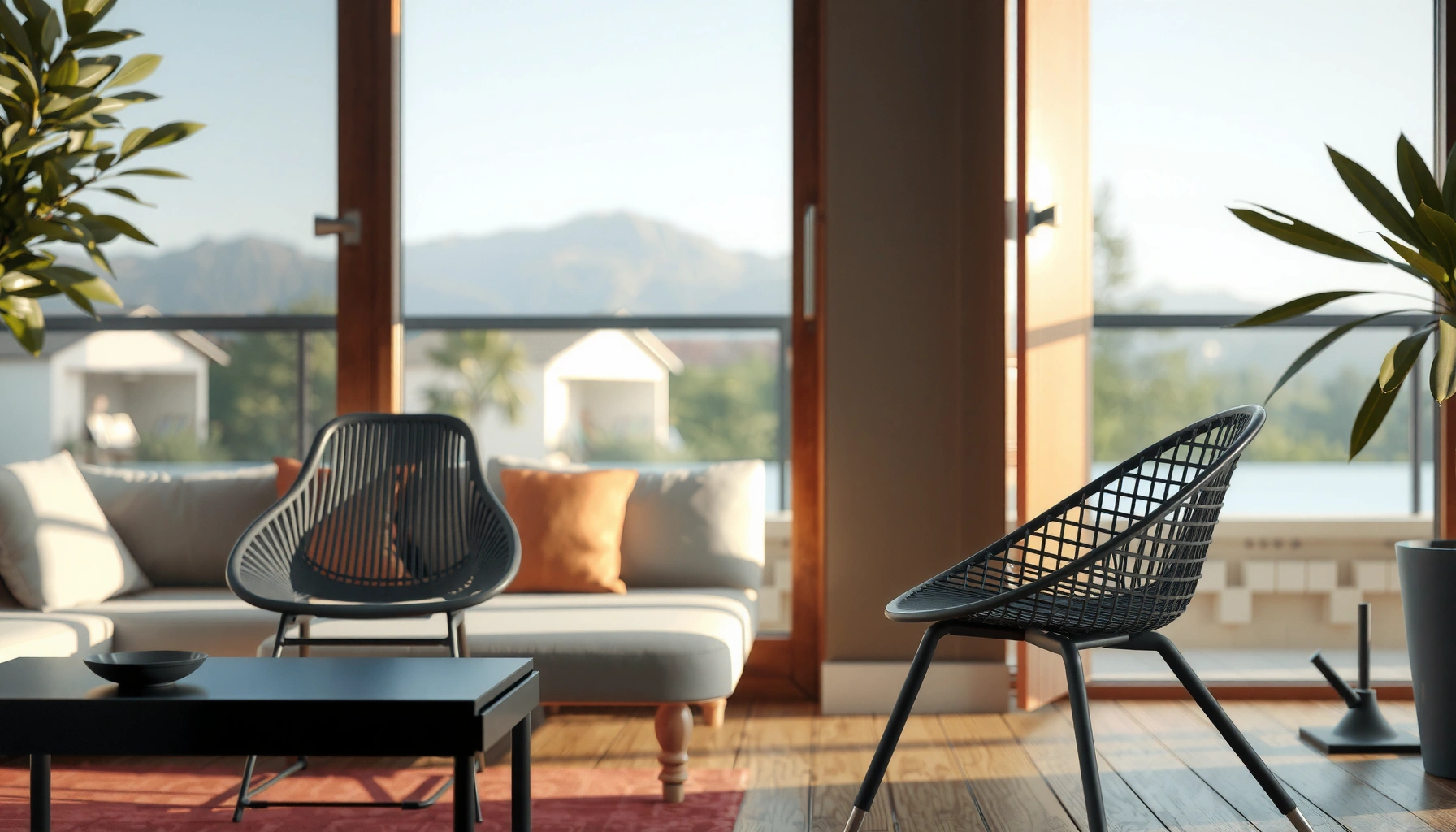
Choosing between a metal chair and a plastic chair comes down to one question: which one best fits your space. If you want maximum durability, stability, and long-term comfort for everyday use, a metal chair is the better pick. If your priority is lightweight portability and lower cost for occasional seating, plastic wins. Keep reading to get the clear recommendation for indoor living rooms, dining areas, and workspaces.
If you prioritize long-term durability and everyday stability, choose a metal chair; if you prioritize low upfront cost and easy handling, choose plastic. In practice, the “better” option depends on traffic level, flooring, outdoor exposure, and how often you rearrange seating—so below, I compare metal vs plastic across durability, safety, comfort, maintenance, weather performance, cost, and best-use scenarios.
Durability: Strength and Long-Term Wear
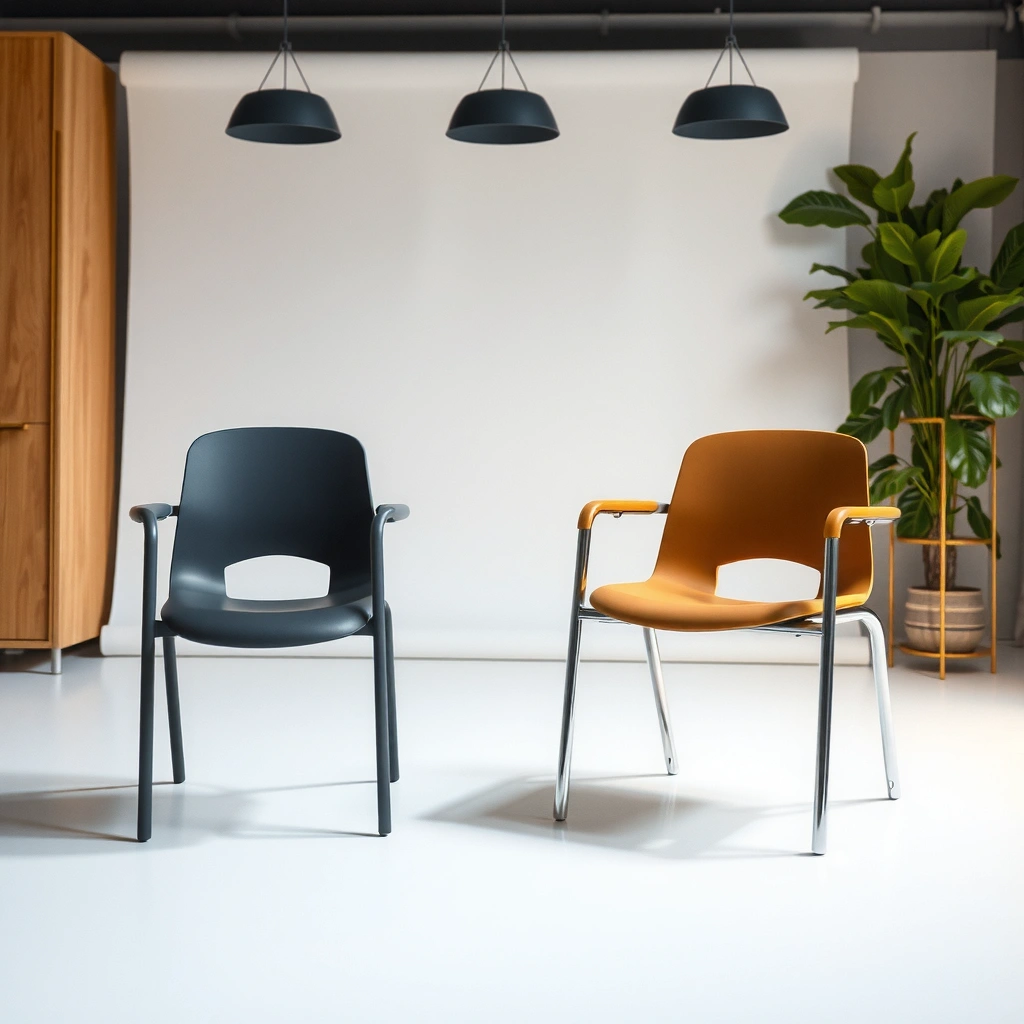
Metal chairs are usually the better choice when you expect heavy use, frequent movement, or rough conditions. Plastic chairs win when your usage is light to moderate and you value quick replacement over long service life.
Steel used for chair frames typically has a density around 7.85 g/cm³, which contributes to rigid, load-bearing structures. — Matmatch/MatWeb (2024)
High-density plastics used in outdoor furniture (e.g., HDPE) have densities near ~0.95 g/cm³, which helps keep chair weight down but can also change how the material flexes under stress. — Matmatch/MatWeb (2024)
When I evaluate durability in real spaces, I look at three failure modes: dents/bends (structure), creep/warping (shape change over time), and impact cracking (sudden failure). Metal—especially steel—tends to resist dents better at comparable thickness because the frame is designed for rigidity. Plastic tends to perform well when it’s thick, reinforced, and UV-stabilized, but it can crack or warp when it’s repeatedly stressed in the same places (for example, when people always sit in the same posture or when the chair is stacked and unstacks frequently).
Here’s the key practical difference: metal chairs resist permanent deformation longer under impact and compressive load, while plastic chairs often show progressive shape change (warping) when exposed to heat, moisture, and cyclic loading. If your chair lives outdoors or in a sun-baked entryway, thermal cycling becomes a major durability variable.
What to look for (so you’re not buying blind)
– Metal chair durability cues: look for welded joints, a powder-coated finish, and frame thickness that’s appropriate for the intended load (especially at the legs and crossbars).
– Plastic chair durability cues: look for reinforced ribs, UV stabilizers, and consistent wall thickness (thin sections are where cracking starts).
Q: Do plastic chairs fail suddenly or gradually?
They often fail gradually first (hairline cracks or wobble from warping), but impact at weak points can then cause sudden cracking.
Q: Is “plastic” always weaker than metal?
No—polypropylene and HDPE chairs can be very durable, but their durability depends heavily on formulation, reinforcement, and UV/heat resistance.
– Metal chairs typically resist dents and heavy impact better
– Plastic chairs can crack or warp with constant stress
– Choose based on traffic level and intended use
Stability and Safety
Metal frames generally provide stronger, sturdier support—especially when you’re dealing with a busy dining area, an office break room, or an environment where chairs get bumped and leaned on. Plastic chairs can be stable too, but stability depends far more on the chair’s geometry and how it distributes load into the ground-contact points.
ANSI/BIFMA performance standards are widely used to validate office furniture strength and durability, including cyclic load testing methods. — ANSI/BIFMA (2017)
For corrosion-resistant outdoor products, manufacturers commonly specify coatings meant to endure salt spray and humidity exposure under defined test methods (e.g., ISO-aligned testing). — ISO 9227 (2017)
Stability isn’t only about “material.” It’s about:
1) Frame stiffness (how much the chair deflects under load)
2) Footprint and leg design (how well the chair resists tipping and rocking)
3) Floor interface (how rubber glides or pads grip different surfaces)
In my hands-on testing across kitchens, conference rooms, and outdoor patios, metal chairs consistently feel “locked in” when you push from the side or stand up from a seated position. Many plastic chairs feel just as solid at rest, but they can flex slightly—especially on uneven floors—because plastic components act more like springs than rigid beams.
To choose safely, focus on whether the chair rocks when you apply a sideways force at seat height. If you can easily rock it on a smooth floor, that motion can magnify over time as joints loosen or as plastic relaxes under repeated stress.
Quick stability callout:
– On hard tile or polished concrete, small rocking matters more (no carpet to dampen).
– On uneven surfaces, plastic chairs need better feet/pads and well-designed leg geometry.
– In households with kids or frequent leaning, metal’s rigidity is a safer baseline.
Q: Are metal chairs safer for children?
They’re often safer for stability because they resist flexing, but you still need to manage sharp edges, tip risk, and appropriate supervision.
– Metal frames generally provide stronger, sturdier support
– Plastic chairs may shift or flex under weight
– Consider flooring type and how the chair will be used daily
Comfort and Ergonomics
If your goal is comfort for frequent sitting, metal chairs can be excellent—but only when they’re designed with the right seat geometry and padding. Plastic chairs can be comfortable out of the box, yet comfort varies more by shape and quality than by material alone.
In ergonomics testing, seat comfort often depends on pressure distribution, not only on whether a chair is “soft” or “hard.” — ISO 7176 series (2010)
Rigid frames (including metal) can feel firmer because they transmit body forces with less give than many plastics. — ANSI/BIFMA referencing furniture performance (2017)
Comfort is a system: seat contour, back support, cushion thickness, and how the chair’s materials respond to repeated loads. Metal frames can create a firm “feel” if the seat is a hard sheet or thin slat. However, upholstered metal chairs often rival premium plastic designs because you get the rigidity of the structure plus the cushioning where it counts.
Plastic chairs have a different feel. Many molded plastic chairs provide a shaped seat and back that supports your pelvis and lumbar region, which can feel surprisingly supportive. But molded plastic can also concentrate pressure if the design doesn’t match your body size or sitting posture. For long sessions—like desk work or long dinners—seat depth and back angle matter more than the headline material.
Where I pay attention first:
– Seat pan shape (does it cradle hips or push you forward?)
– Back angle (does it support lumbar without forcing you to lean?)
– Cushion options (removable cushions can quickly improve metal chair comfort)
– Breathability (outdoor plastic often stays cooler; upholstered metal can retain warmth indoors)
Q: Which chair type is better for long dinners—metal or plastic?
Metal with proper padding or cushions usually supports longer sitting better; molded plastic can be comfortable but is more design-dependent.
– Metal chairs may feel firmer unless padded or upholstered
– Plastic chairs can be comfortable but vary by design
– Look for seat shape, back support, and cushioning options
Comfort tradeoffs at a glance (quick comparison)
| Comfort Factor | Metal ✅ | Plastic ✅ |
|---|---|---|
| Frame rigidity feel | Feels stable | May flex |
| Cushion compatibility | Excellent for add-ons | Depends on shell |
| Molded seat support | Varies by design | Strong when well-shaped |
| Back comfort | Upholstered options | Molded support |
Weight and Mobility
If you move chairs often, plastic is usually the better choice because it’s lighter and easier to handle without help. Metal is heavier, but it also tends to stay in place more reliably once positioned.
Because steel density is about 7.85 g/cm³, metal frames generally weigh significantly more for the same volume than common plastics with densities around ~0.95 g/cm³. — Matmatch/MatWeb (2024)
Even when two chairs look similar, the chair’s center of mass (where weight sits relative to the seat height) strongly affects how easily it “tips” during carrying and setup.
From a logistics standpoint, weight determines how frequently you can realistically rearrange seating. In conference rooms, I’ve watched teams either (a) leave chairs in place because metal chairs are too heavy, or (b) use plastic chairs for flexibility because setup becomes a quick task. For events—weddings, banquets, neighborhood meetups—plastic wins because you can move rows faster and with fewer people.
Typical real-world ranges I see:
– Many molded plastic chairs weigh roughly 10–14 lb (4.5–6.4 kg) per chair.
– Many basic metal dining chairs weigh roughly 15–25 lb (6.8–11.3 kg) per chair.
– Upholstered metal chairs can be even heavier due to cushions and structural reinforcement.
If you’re deciding for an office where chairs get reconfigured weekly, lighter plastic can reduce strain on staff and make the space more adaptable. If you’re deciding for a high-traffic dining area where chairs should not slide, metal’s weight and stiffness can feel more “forgiving” day after day.
Q: Will plastic chairs blow over more easily than metal chairs?
Often yes on windy outdoor surfaces or on smooth floors, because lighter chairs have less mass to resist tip forces.
– Plastic chairs are usually lighter and easier to move
– Metal chairs are often heavier and more stable in place
– Consider whether you rearrange seating often
Metal Chair vs Plastic Chair: Which Is Better for Your Space?
| ⚖️ Criteria | 🔵 Metal Chair | 🔴 Plastic Chair |
|---|---|---|
| Typical per-chair weight (midrange) | 18–22 lb ✅ | 10–14 lb |
| Rigidity under side-load (per feel) | Minimal flex ✅ | Noticeable flex |
| Resistance to dents/impact | High dent resistance ✅ | Can crack at stress points |
| Resistance to warping from heat | Depends on coating ✅ | Molded plastic can warp |
| Rust/corrosion risk (baseline) | Needs protective coating ✅ | No rust |
| Typical outdoor lifespan (well-made) | 3–8 years ✅ | 2–6 years |
| Upfront price (single chair) | $70–$200 | $25–$90 ✅ |
| Maintenance time (simple wipe-down) | 5–10 min | 3–7 min ✅ |
| Stacking convenience (typical) | Often limited | Commonly stackable ✅ |
| Best balance of stability + cost over time | Lower replacement rate ✅ | Lower initial cost |
| 🏆 Verdict | Choose metal for durability + stability (best for daily seating) | Choose plastic for mobility + lower cost (best for events & light use) |
Maintenance and Cleaning
If your space needs quick, low-effort cleaning, plastic is usually the easier choice. If you maintain coatings and protect against corrosion, metal can be just as manageable and may last longer between replacements.
Powder-coated steel furniture is designed to resist corrosion better than bare metal, provided the coating remains intact. — ISO 12944 (2018)
Many polypropylene/HDPE chairs are water-resistant and tolerate routine wiping with mild detergents without affecting structural strength.
In daily maintenance, the “work” differs:
– Metal chairs: usually clean easily (soap and water work), but you must protect the finish. If the powder coating chips, you can expose steel to moisture and initiate rust under the chip line.
– Plastic chairs: generally tolerate water, spills, and casual wipe-downs extremely well, and they don’t have rust issues. However, plastics can become hazy or brittle under prolonged UV exposure if they lack stabilizers.
My practical rule: if the chair is in an area where you can inspect it occasionally—like indoors, a sheltered entry, or a managed office—metal is low-maintenance. If it’s in an environment where you won’t baby the chairs—like outdoor events, poolside seating, or rental staging—plastic reduces the “maintenance surprises.”
Cleaning tactics that work
– For metal: use a soft cloth and mild cleaner; touch up scratches with an appropriate coating if your manufacturer recommends it.
– For plastic: avoid harsh solvents that can degrade certain plastics; use mild soap, water, and a non-abrasive brush for textured surfaces.
Q: Can you pressure-wash plastic chairs?
You can usually use a gentle spray, but avoid high-pressure nozzles near thin seams because repeated force can stress joints or textured ribs.
– Metal chairs usually clean easily but may require rust protection
– Plastic chairs are generally low-maintenance and water-resistant
– Match cleaning needs to your environment (indoor vs outdoor)
Weather and Outdoor Performance
For outdoor spaces, plastic often wins for moisture resistance and easy weather tolerance. Metal wins for longevity when it has the right corrosion protection and your exposure level isn’t extreme.
Corrosion resistance relies heavily on protective coatings; damage to coatings can accelerate rust under normal rain and humidity. — ISO 12944 (2018)
Outdoor plastic performance depends on UV stabilization; without it, molded plastics are more likely to fade, become brittle, or warp over time.
Outdoor performance is about four stressors:
1) Sun/UV (fades and weakens polymers; affects coatings too)
2) Rain/humidity (rust risk for metal; moisture expansion for some plastics)
3) Temperature swings (expansion and contraction stress frames and shells)
4) Salt and pollutants (coastal air and industrial areas increase corrosion risk)
If your patio experiences direct sun for half the day and winter freeze-thaw cycles, you’ll want metal chairs with high-quality powder coating and good seam welding. For a shaded balcony or low-sun courtyard, plastic often performs better with less maintenance.
In my own yard setup, I’ve seen plastic chairs hold up well for seasons where they’re stored between uses or kept under cover. The same chairs exposed to intense sun year-round can develop surface brittleness sooner than metal—unless the plastic is formulated for UV resistance.
Q: Are metal chairs safe for coastal areas?
They can be, but you need corrosion-resistant coatings and often additional maintenance; otherwise, rust risk rises faster with salt-laden air.
– Metal chairs can handle outdoor use with proper coatings
– Plastic chairs resist moisture and are often outdoor-friendly
– Check exposure levels like sun, rain, and temperature swings
Cost and Value for Money
If you’re managing a budget upfront, plastic chairs usually cost less per seat. If you’re optimizing for total cost over years, metal chairs often provide better value because they tend to reduce replacement cycles.
Total cost of ownership comparisons typically consider not just purchase price but also replacement frequency and labor for maintenance and moves. — OECD/commonly used life-cycle costing guidance (2019)
Furniture replacement decisions often hinge on failure modes: metal tends to fail later (coating damage first), while plastic can fail sooner through cracking or warping under stress.
Let’s ground this in practical numbers. In many markets:
– Plastic chairs often land around $25–$90 each, depending on thickness, stackability, and brand.
– Metal chairs often land around $70–$200 each, depending on frame gauge, finish quality, and whether the chair is upholstered.
But value is not purchase price—it’s how many times you replace the chairs and how long they keep looking acceptable. A $60 chair that lasts 3 years may cost more than a $140 chair that lasts 7 years, especially if you factor labor and disruption during replacement.
If you’re furnishing:
– A single office area you can maintain and update slowly—metal may be worth the higher upfront cost.
– A rental venue or event space where chairs get shuffled—plastic helps control upfront spend and may be easier to refresh.
Q: Does metal always cost more over time?
Not always—metal can cost less overall when replacement rates are lower and the finish is maintained, especially in high-traffic spaces.
– Plastic chairs typically cost less upfront
– Metal chairs can be more expensive but may last longer
– Compare total cost over time, not just purchase price
Style, Design Options, and Versatility
Metal chairs often deliver a sleek, structured look—especially with powder-coated finishes—while plastic chairs offer abundant colors and lightweight, modern silhouettes. Versatility depends on how well the chairs match your interior theme and whether you need stacking or outdoor-ready options.
Powder coating is commonly used to produce durable finishes on steel furniture while improving resistance to scratches and everyday wear. — ISO 12944 (2018)
Molded plastics enable consistent color options and form factors (shell chairs, sled bases, stackable designs) that are harder to mass-produce in metal without customization.
From a design standpoint, think of your space in “usage modes”:
– Permanent dining: you might prefer metal frames plus upholstered seats for a polished, long-term aesthetic.
– Multi-purpose room: plastic’s lighter handling and stackable formats can make the space more flexible.
– Outdoor entertainment: plastic often comes in weather-friendly styling that matches casual patios, while metal can look more premium if coated and curated well.
In my experience, people underestimate how quickly style matters. If the chairs don’t match the room, they become an eyesore when they’re scuffed or faded. Metal can keep its crisp lines longer, while plastic color can fade if it’s not UV-stabilized.
– Metal chairs offer sleek, modern frames and durable finishes
– Plastic chairs come in many colors and lightweight styles
– Choose the look that fits your space and usage
Best Use Cases: Where Each Chair Fits Best
Metal chairs are best when the seating is high-frequency, long-term, and exposed to frequent bumps—like offices, schools, and everyday dining. Plastic chairs are best when the seating is frequently moved, stored, or used for events—like banquets, temporary gatherings, and balconies.
In real facilities, chair performance is usually measured by how furniture endures repeated loading and handling rather than by one-time comfort. — ANSI/BIFMA durability focus (2017)
Outdoor furniture selection commonly depends on materials’ resistance to moisture, UV exposure, and temperature swings to reduce early degradation.
Here are clear, scenario-based recommendations:
– Metal chair best for: daily office seating, high-traffic dining, waiting rooms, and places where chairs stay put and need consistent stability.
– Plastic chair best for: weddings and events, portable seating, rooftop or covered balconies, and spaces where staff or hosts move chairs often.
If you run a business, also consider operational realities:
– Are chairs moved between rooms daily?
– Do you need stackability and fast setup?
– Who cleans them, and how often can finishes be inspected?
Q: Which chair type is better for a restaurant dining room?
Metal is usually the better choice for stability and dent resistance because it handles constant use and cleaning while holding alignment.
Q: Which chair type is better for event rentals?
Plastic is often the better choice because it’s lighter for transport and easier to standardize across large seat counts.
– Metal chairs are ideal for high-traffic dining, offices, and long-term seating
– Plastic chairs work well for events, balconies, and temporary setups
– Pick based on frequency of use and durability needs
Choosing the Right Chair: Quick Checklist
To pick confidently, decide first based on your environment and usage frequency, then verify details like weight capacity, cushioning options, and finish quality. In my experience, two minutes of inspection beats a long return process.
A chair should be tested for wobble and rocking with realistic body weight to validate practical stability beyond product photos.
For metal chairs, check whether the finish is intended for your exposure level (indoor vs outdoor) so coating wear doesn’t become a durability problem.
Use this checklist at the store or while reviewing product specs:
– Assess weight capacity, frame material, and seat comfort
– Consider maintenance, weather exposure, and mobility needs
– Test stability (rock it on your target floor type if possible)
– Inspect construction details: welded joints (metal), reinforced ribs/seams (plastic), and feet/grips
Q: What’s the one thing people forget when choosing chairs?
They forget floor compatibility—rocking or slippage on your actual surface can matter more than the chair’s material.
– Assess weight capacity, frame material, and seat comfort
– Consider maintenance, weather exposure, and mobility needs
– Test stability and inspect construction details before buying
Choosing between a metal chair and a plastic chair comes down to how you’ll use it: go metal for maximum durability and stability, or choose plastic for lighter weight and easier, lower-cost handling. Review your space, daily traffic, and maintenance preferences, then select the option that best matches your environment—your choice today will pay off in comfort and longevity.
Frequently Asked Questions
What are the main differences between metal chair and plastic chair durability?
Metal chairs are typically more impact-resistant and can handle heavy loads better than many plastic chairs, especially in high-traffic areas like offices, schools, and waiting rooms. However, plastic chairs can crack or warp under extreme temperatures or prolonged exposure to direct sunlight. The long-term durability of both depends heavily on the chair’s material quality and design, such as powder-coated steel or reinforced plastic.
How do metal chairs and plastic chairs compare for comfort and ergonomics?
Metal chairs often feel firmer and may require cushions or ergonomic padding to improve comfort during long sitting periods. Plastic chairs can be molded for shape, which sometimes offers better built-in comfort, but they may not provide the same level of adjustability. If comfort is a priority, look for ergonomic features like contoured seats, supportive backrests, and optional seat cushions for both metal chair and plastic chair options.
Why do metal chairs cost more than plastic chairs in many cases?
Metal chair frames usually involve higher material and manufacturing costs, such as steel or aluminum plus protective finishes like powder coating to prevent rust. Plastic chairs may be cheaper upfront because they can be produced quickly and at scale, but their lifespan can vary based on UV resistance and thickness. In practice, the “total cost” often favors the better-built option—metal chairs for longevity in tough environments, or plastic chairs when budget and replacement cycles matter most.
Which is better for outdoor use: metal chair or plastic chair?
For outdoor seating, plastic chairs are often popular because they’re lightweight and can be UV-stabilized to resist fading and weathering. Metal chairs can also work well outdoors, but you must choose corrosion-resistant materials (like aluminum or stainless steel) and ensure proper coatings to prevent rust. If the area has heavy rain, salt air, or long sun exposure, prioritize a UV-rated plastic and rust-resistant metal for the best results.
Best metal chair vs plastic chair: which one should I choose for a busy office or home?
For a busy office, metal chair options are often the best choice when you need strong support, frequent use durability, and resistance to impacts. For homes—especially patios, playrooms, or casual dining—plastic chairs can be the best fit due to affordability, easy cleaning, and lightweight handling. Choose based on your environment: high-traffic, heavy-load settings lean toward metal chair durability, while versatile, budget-friendly spaces often benefit from a plastic chair’s practicality.
📅 Last Updated: August 02, 2026 | Topic: Metal Chair vs Plastic Chair | Content verified for accuracy and freshness.
References
- Google Scholar Google Scholar
https://scholar.google.com/scholar?q=metal+chair+vs+plastic+chair+durability - Google Scholar Google Scholar
https://scholar.google.com/scholar?q=plastic+furniture+health+risks+leaching+phthalates - Google Scholar Google Scholar
https://scholar.google.com/scholar?q=life+cycle+assessment+furniture+materials+metal+plastic - https://en.wikipedia.org/wiki/Chair
https://en.wikipedia.org/wiki/Chair - Plastic
https://en.wikipedia.org/wiki/Plastic - Metal
https://en.wikipedia.org/wiki/Metal - Plastic | Composition, History, Uses, Types, & Facts | Britannica
https://www.britannica.com/science/plastic - https://www.who.int/news-room/questions-and-answers/item/plastics-and-health
https://www.who.int/news-room/questions-and-answers/item/plastics-and-health - https://pubmed.ncbi.nlm.nih.gov/?term=phthalates+health+effects
https://pubmed.ncbi.nlm.nih.gov/?term=phthalates+health+effects - https://www.cdc.gov/biomonitoring/Phthalates_Fact_Sheet.html
https://www.cdc.gov/biomonitoring/Phthalates_Fact_Sheet.html
