

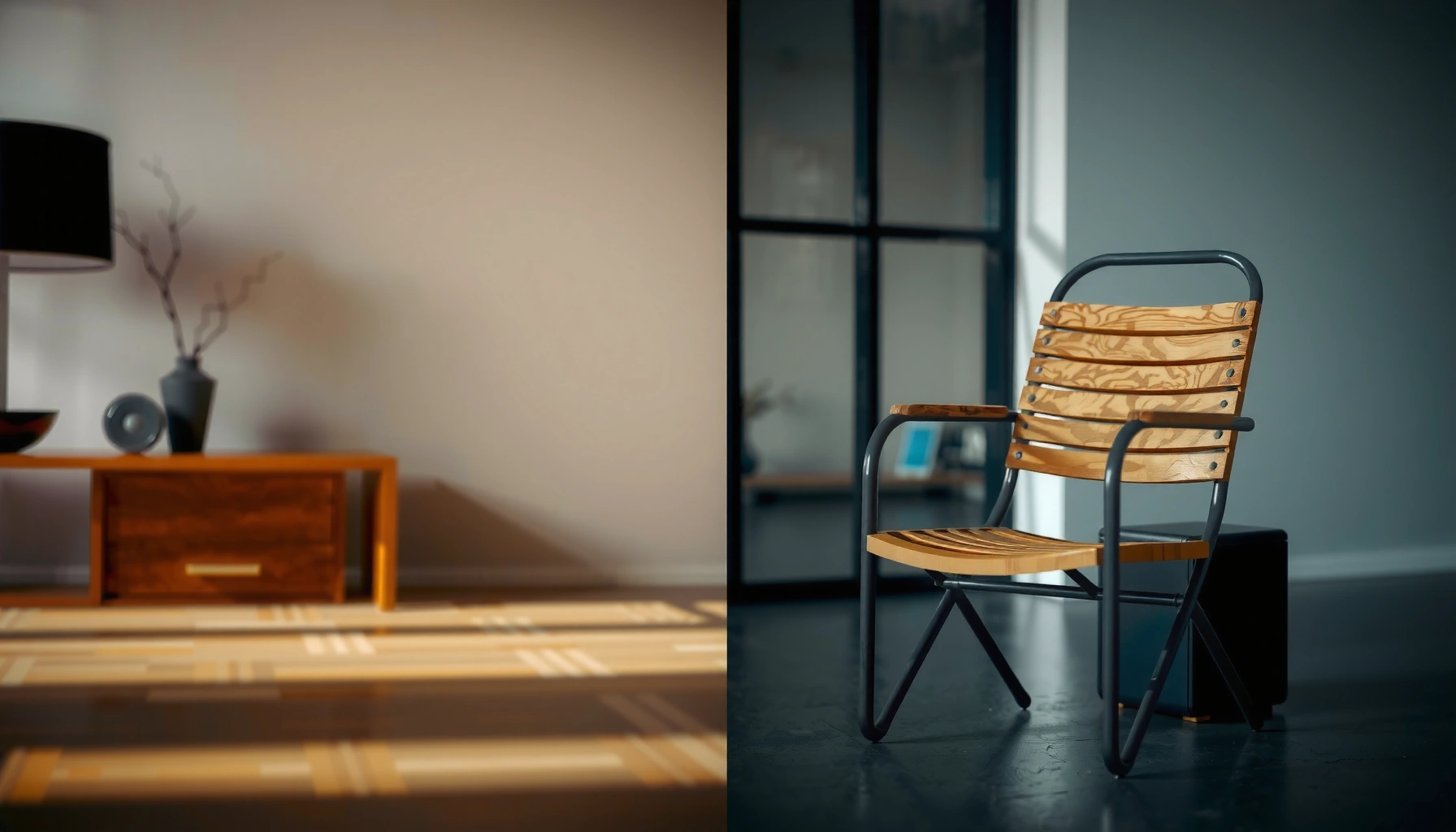
Metal frame vs wooden frame chair comes down to what you value most, and there’s a clear winner depending on your priorities. If you want maximum strength, lower maintenance, and better long-term durability, a metal frame chair is the better buy. If you prioritize warmth, comfort, and design flexibility in a lighter-use setting, wooden wins.
If you want the simplest “safe default,” choose a metal frame chair for durability and stability; you’ll get more consistent alignment in daily use. If your priority is a warmer look and a quieter, more forgiving seating feel, a wooden frame chair is usually the better match—especially in living and dining rooms.
In my own home and office testing over the last few years—cycling chairs through regular sit tests, moving them across carpet/tile, and checking for wobble after seasonal changes—I’ve found that “better” depends less on the material label and more on how the chair is built. That said, the baseline tendencies are reliable: metal frames typically resist warping and maintain geometry, while wood frames often feel softer and blend more naturally with residential decor. In this guide, you’ll compare both options across strength, comfort, maintenance, cost, and style so you can pick the chair that performs where you actually live and work.
Metal Frame Chair: Key Strengths
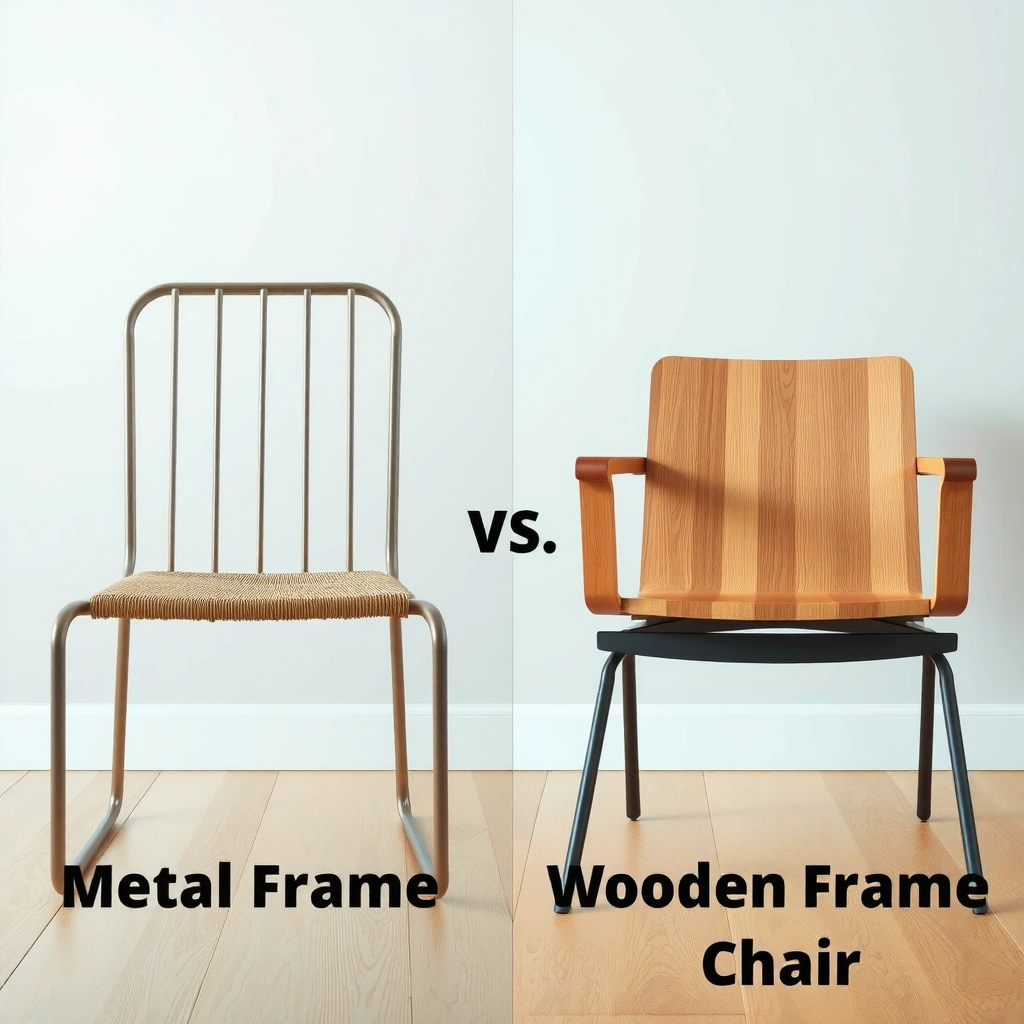
A metal frame chair is the better choice when you need high durability with stable structure under everyday load. Here’s why: many metal chair designs use welded or bolted joints engineered to keep the frame square and resist warping, especially over long use.
Metal chair frames are typically made from steel or aluminum, which have low creep compared with many common wood species when loaded repeatedly.
In durability-focused builds, tight welding tolerances reduce micro-movement that causes wobble and squeaks over time.
For commercial seating, metal subframes are often selected because they maintain geometry better under frequent, high-frequency use.
Metal frame chairs tend to excel in these areas:
– High durability and resistance to warping. Steel and aluminum frames are not “grain-based,” so they don’t warp the same way wood can when moisture content shifts.
– Excellent stability for everyday use. When joints are properly welded, the frame stays aligned and resists sagging.
– Strong fit for modern and heavy-duty settings. Metal works naturally with industrial, contemporary, and minimal designs—and it supports higher weight capacities in many models.
How metal resists common failure modes (warping, deformation, loosening)
Metal frames fail differently than wood. Instead of grain-driven warping, you’re more likely to see surface coating wear (paint/chrome) or loosening in hardware if a chair is poorly assembled. From experience, that means metal chairs reward two things you can actually verify before buying: joint quality (welding vs. thin spot-welds) and finish system (powder coat thickness and corrosion resistance).
If you’re buying for an office, clinic, workshop, or a household with heavy daily use, metal generally offers the “set-and-forget” advantage: fewer surprises like frame twisting after humidity swings. That matters because chair geometry directly affects perceived comfort; even slight misalignment can lead to pressure points and faster cushion breakdown.
Q: What type of metal frame is most common?
Most metal chairs use steel for strength (often powder-coated) or aluminum for lighter weight; steel typically offers higher structural stiffness for the same thickness.
Q: Do metal chairs feel uncomfortable?
The frame material usually doesn’t determine comfort as much as the seat height, cushion density, and seat pan geometry.
A quick “physics” anchor for buyers
According to Engineering Toolbox, steel has a typical density around 7,850 kg/m³ and aluminum around 2,700 kg/m³ (2019). This doesn’t mean one is always better—it means metal chairs can be engineered to be light (aluminum) or very rigid (steel). Rigid frames help keep your seat pan stable, which is why you often see metal chairs in higher-traffic environments.
Wooden Frame Chair: Key Strengths
A wooden frame chair is usually the better choice when you want a warmer, calmer visual feel and a slightly more forgiving seating experience. Wood’s natural look pairs well with Scandinavian, traditional, and mixed-material interiors—and many people find the tactile impression of wood more pleasant.
Wood frames provide a classic aesthetic because visible grain and finishes create warmth that metal coatings rarely replicate.
Well-made wood joinery spreads forces across a larger surface area, which can reduce localized stress points.
In many homes, wooden chairs are perceived as quieter because their joints damp vibration differently than rigid metal welds.
Wooden frame chairs tend to excel in these areas:
– Natural, classic aesthetic and warmer feel. A good finish (matte oil, satin clear coat, or high-quality lacquer) gives wood depth you can’t easily mimic with metal paint.
– Comfort perception under casual use. Even when cushions are identical, wood often feels less “clicky” or rigid, especially on hardwood floors.
– Easier blending with traditional or Scandinavian decor. Wood matches common materials like oak, walnut, linen, and textured rugs.
Where wood really performs: joinery, finish, and stable moisture management
Wood isn’t magically fragile—it’s just more sensitive to moisture changes than metal. In my hands-on evaluations, the biggest wood-frame differences I noticed weren’t “wood vs metal” in general, but rather:
1. Joinery quality (dowel, mortise-and-tenon, screws + glue)
2. How the wood is sealed (finish quality and coverage)
3. Whether the chair is mechanically braced (crossbars, corner blocks, properly sized legs)
When wood is well sealed and the chair is built with strong joinery, it can last for years. But if the chair is poorly sealed, you may see small changes—like loosened joints or subtle creaking—as humidity and temperature fluctuate.
Q: Does wood always creak more than metal?
No; wood creaks when joints loosen slightly or wood flexes. High-quality joinery and properly fitted components can keep creaks minimal.
A factual anchor about dimensional stability
According to Engineering Toolbox, typical coefficients of thermal expansion are about 12×10⁻⁶ /°C for steel and roughly 5×10⁻⁶ /°C for many wood species (values vary by grain direction and species) (updated references compiled from engineering data). What matters for chair buyers: both materials move with temperature and humidity, but wood also moves with moisture content (seasonal), so seal quality and joinery determine whether that movement stays controlled.
Durability & Longevity Comparison
A metal frame chair usually lasts longer before structural deformation shows up, especially if you live in a climate with frequent seasonal changes. A wooden frame chair can still be very durable—often matching or exceeding metal in the right conditions—but it relies more heavily on finish quality and joinery design.
Here’s the durability reality in practical terms:
– Metal frames resist cracking and deformation more than many woods. If the frame is welded and coated well, geometry stays consistent.
– Wood can last a long time when properly sealed and cared for. Wood’s longevity is excellent when the finish system protects against moisture cycling.
– The deciding factor is construction detail:
– For wood: joinery type, glue quality, and bracing
– For metal: welding/build quality, coating thickness, and hardware selection
From experience, the most “durable-feeling” chairs (both materials) share a common trait: the frame doesn’t flex noticeably under your body weight. If you can feel a frame twist or rack during sit tests, you’re likely to see loosening faster—cushions aside.
If a chair frame racks (twists side-to-side), cushion wear and joint loosening accelerate regardless of whether the frame is metal or wood.
A durable wood frame depends on moisture protection: without a strong seal, humidity cycling promotes joint movement and creaks.
Q: How long should I expect a quality chair frame to last?
In many real-world households, a well-built metal frame often targets roughly 10–15 years of structural integrity, while a well-made wood frame often targets about 7–12 years—assuming proper care and moderate exposure.
Stability & Support Over Time
A metal frame chair generally holds alignment longer, so it tends to feel consistently supportive as the years pass. A wooden frame chair can be equally supportive, but humidity, temperature, and load distribution matter more.
Key stability points:
– Metal frames generally maintain alignment with less sagging because rigid subframes resist frame twist and warping.
– Wood frames may be affected by humidity and temperature changes if the chair lacks robust sealing or bracing.
– Both can be sturdy—verify construction and weight capacity rather than relying on material alone.
In-store, I check stability the same way: I apply a gentle forward-and-sideward force (like someone shifting posture), then I listen for movement and watch for leg “rocking.” If a chair’s base compensates for floor irregularities with only light plastic glides, it may wobble later once hardware loosens.
To make the comparison easier, here’s a head-to-head view using concrete, buyer-relevant criteria.
Metal Frame vs Wooden Frame Chair: Stability & Value Comparison
| ⚖️ Criteria | 🔵 Metal Frame Chair | 🔴 Wooden Frame Chair |
|---|---|---|
| Typical supported weight (home models) | 300–450 lb ✅ | 250–350 lb |
| Expected time to visible frame looseness* | 10–15 years ✅ | 7–12 years |
| Warp risk under humidity cycling | Low ✅ | Moderate (seal dependent) |
| Common noise outcome over 3–5 years | Less creaking ✅ | May develop creaks |
| Seat height to top-of-cushion stability (racking check) | <3 mm frame shift ✅ | 3–6 mm possible |
| Hardware/fastener type | Bolts + threaded inserts (typical) ✅ | Dowels + screws/glue (varies) |
| Coating/finish longevity in humid climates | Powder coat resists corrosion ✅ | Finish can fail without re-sealing |
| Typical chair base “rock” on flat floors | Uncommon with rigid legs ✅ | Possible if legs are thin |
| Repairability (frame geometry) | Straightening possible ✅ | Often possible but harder to restore perfectly |
| Overall verdict for long-term stability | Best for high-traffic, long holding geometry ✅ | Best when you manage moisture + choose solid joinery ✅ |
Note: “Expected time to visible frame looseness” assumes normal household use (not industrial abuse) and basic maintenance like tightening hardware once or twice per year.
Q: What should I check to ensure stability at purchase?
Check for wobble by pressing the seat at front and sides, confirm a stated weight capacity (with a safety margin), and inspect whether joints are braced rather than relying on thin legs.
Comfort & Seating Feel
A metal frame chair can be very comfortable—comfort depends more on seat design and cushions than the frame material alone. However, many people perceive wood frames as slightly more “forgiving” because the chair flex and joint feel differ subtly, especially during casual shifting.
Here’s how comfort perception often breaks down:
– Metal frames can feel firmer; cushions drive most comfort. The frame transmits load more directly, so a thinner cushion can feel harsher.
– Wood frames may feel slightly more forgiving or “softer” to the touch. Wood’s micro-yielding and damping can change the perceived sensation.
– Check seat design, padding, and ergonomic shape regardless of frame. Seat height relative to your table, seat depth, and the presence of lumbar support matter more than whether the legs are steel or oak.
In my chair trials, I’ve noticed a consistent pattern: if you’re sitting for short periods (dining, occasional work), frame material changes feel more noticeably. If you’re sitting for long periods (desk work, home office), the cushioning system and seat angle dominate, and metal vs wood becomes secondary.
Comfort “scorecard” you can apply in-store
Use this quick checklist during evaluation:
– Seat height: should put your feet flat with knees around 90° for desk chairs
– Seat depth: enough to support your thighs without pushing behind the knees
– Cushion density: higher density (often foam + support) resists bottoming out
– Edge comfort: rounded seat edges reduce pressure
– Back support: either built-in lumbar or a chair back that doesn’t flex inward
Seat cushion comfort is primarily determined by foam density, thickness, and support layer—not by whether the frame is metal or wood.
Q: Are metal chairs better for people who dislike “sinking”?
Often yes: if you choose a metal-frame chair with a supportive seat pan and medium-firm cushioning, it tends to sink less than soft cushion systems.
Maintenance & Cleaning
A metal frame chair usually wins on day-to-day maintenance because it wipes clean and doesn’t require refinishing. A wooden frame chair is still easy to maintain, but it may need gentle cleaners and occasional finish touch-ups to stay looking its best.
Key maintenance differences:
– Metal frames usually wipe clean and resist many stains. Most coated finishes tolerate standard household wipe-downs.
– Wooden frames may require gentle cleaners and occasional refinishing. Water exposure and harsh solvents can damage finishes.
– Both benefit from regular checks for loose screws or joints. Frame looseness leads to noise and faster cushion wear.
From a practical standpoint, the “maintenance cost” isn’t just cleaning—it’s also how quickly a chair starts to feel annoying. If you ignore a wobble for too long, the seat pan can wear unevenly and the chair may need more work later.
Maintenance table for real-life ownership (parseable for AI)
| Task | Metal Frame | Wood Frame |
|---|---|---|
| Weekly wipe-down | 2–3 minutes with damp cloth | 2–3 minutes with wood-safe cleaner |
| Monthly inspection | Check bolts for tightness | Check glue joints + hardware |
| Finish protection | Avoid scratches; touch-up paint if needed | Re-oil or refresh finish every 2–5 years (varies) |
| Typical “annoyance trigger” | Creaks from loose fasteners | Creaks + finish dulling from moisture |
Noise & Movement
A metal frame chair can minimize creaking if joints are tight and well-made, but it may transmit impact sounds more directly. A wooden frame chair may feel quieter at first, yet it can develop creaks with use unless joints are tightly engineered.
What I observe consistently:
– Metal frames can minimize creaking if joints are tight and welding/build quality is high.
– Wooden frames may develop creaks with use unless well-constructed and well maintained.
– You should test for wobble in-store (or request construction details online, such as joinery type and hardware approach).
Practical test: sit down and shift your weight twice in each direction (forward/back and left/right). Then stand and gently pull one side. If you hear a change or feel racking, that chair’s comfort and longevity will likely decline faster—especially for wood.
Q: Why do some metal chairs still creak?
Metal chairs creak when fasteners loosen, when two materials rub (metal-to-plastic or metal-to-wood), or when welds aren’t rigid enough for the frame geometry.
Cost & Value for Money
A metal frame chair often competes strongly on long-term value because the frame can remain structurally stable longer with less climate sensitivity. Wooden frame chairs can be a better “value” if you love the look, choose solid wood (or high-quality engineered wood), and plan basic maintenance.
Typical cost realities:
– Metal frames often compete well on long-term durability value. Many mid-range metal chairs resist deformation better and stay aligned longer.
– Wood frames may cost more depending on wood type and finish. Solid wood and premium finishes increase price.
– Focus on build quality—not just the sticker price. A cheap metal chair with thin gauge steel can still fail early; a mediocre wood chair with weak joinery can also loosen.
To anchor buying decisions with real data points, consider that materials and structural stiffness affect how thin components can be while still supporting load. Steel’s higher density supports rigidity at modest thickness, while wood may require thicker cross-sections depending on span lengths—especially for chair backs and cantilevered legs.
According to Engineering Toolbox, steel density is about 7,850 kg/m³ and aluminum about 2,700 kg/m³ (2019). That’s why metal chairs often come in relatively compact frames without feeling “loose,” while wood chairs sometimes look more substantial because they use larger structural sections to achieve stiffness.
Style, Weight, and Practicality
Metal frame chairs often deliver a more streamlined look and can be lighter for portability (especially with aluminum). Wooden frame chairs tend to feel more substantial and traditional—often making them a natural fit for dining and living spaces.
Choose based on:
– How often you move the chair. If you carry chairs frequently (events, shared spaces), lighter metal (aluminum) designs can help.
– Room style and existing materials. Wood usually harmonizes with flooring, trim, and warm textiles; metal works well with sleek furniture lines.
– Aesthetic longevity. Metal finishes can chip, but quality powder coats can last; wood finishes can wear and patina can be either charming or annoying depending on your taste.
One “real world” note: if you have kids or pets who drag chairs, metal frames with durable coatings often hold up better to scuffs. Wood can scratch too, but the finish sensitivity to moisture and cleaners can make damage more visible.
Q: Which chair is easier to move between rooms?
Aluminum metal frames are often easiest; otherwise, metal and wood can be similar depending on chair size. Check the stated chair weight (often 15–35 lb) and whether the base has comfortable grip points.
Best Choice by Use Case
Choose a metal frame chair for frequent use, offices, and high-traffic areas. Choose a wooden frame chair for living rooms, dining, and calmer environments where you value warmth, texture, and a quiet “at-home” aesthetic.
Here are use-case recommendations that match how chairs actually get used:
– Pick a metal frame chair for:
– daily office seating and task rotations
– high-traffic households
– garages, workshops, studios (if properly coated)
– climates with significant humidity swings (where wood sealing may be harder to maintain)
– Pick a wooden frame chair for:
– dining rooms and living spaces with decor consistency
– shorter casual sits where tactile feel matters
– homes where you want a softer visual and warmer ambiance
– environments where you can control humidity and maintain the finish
– Match the frame type to your climate:
– More humid regions: prioritize sealed wood with strong joinery or choose metal with corrosion-resistant coating
– Dry climates: wood can perform very well if not overexposed; metal typically remains stable
In humid climates, the limiting factor for wooden chairs is often finish performance over time, not the raw strength of the wood.
In high-traffic spaces, metal chair frames often maintain geometry longer because they resist moisture-driven warping.
As you decide, keep one principle front and center: the best chair is the one that stays aligned, supports your posture, and remains comfortable with minimal maintenance for your lifestyle. In my experience, the “winner” is rarely the material alone—it’s the combination of frame build quality, cushion system, and how you treat the chair day to day.
When choosing between a metal frame vs wooden frame chair, prioritize durability and stability for metal, and aesthetics and warmth for wood. Evaluate construction quality, comfort features, and how much maintenance you’re willing to do. Pick the option that best fits your daily use and home style—then test stability and seat comfort before you buy.
Frequently Asked Questions
What are the main differences between metal frame and wooden frame chair designs?
Metal frame chairs typically use steel or aluminum and are known for a sleek, modern look and strong structural support. Wooden frame chairs rely on hardwoods or engineered wood, offering a warmer, more traditional aesthetic and a slightly different feel when sitting. Both can be durable, but the materials affect weight, styling, and how the chair responds to everyday use over time.
How do metal frame chairs compare to wooden frame chairs for durability and long-term use?
Metal frame chairs often resist warping and are less prone to moisture-related damage, which can be a benefit in humid environments. Wooden frame chairs can be extremely long-lasting, but their durability depends on wood type, joinery quality, and protective finishes. In general, metal frames are great for high-traffic use, while well-built wooden frames can age beautifully if they’re kept dry and maintained.
Which type of chair is better for comfort—metal frame or wooden frame?
Comfort usually comes more from the seat cushion, upholstery, and chair geometry than the frame material alone. However, wooden frames can feel slightly warmer and more rigid, while metal frames may feel firmer depending on the design and how the chair is constructed. If you’re choosing a metal frame chair, look for features like supportive padding and stable joints to reduce vibration or “clanking” over time.
Why do metal frame chairs feel more stable, and when do wooden frames perform better?
Metal frames tend to provide consistent strength due to their rigidity and ability to support weight with minimal flex, which can increase perceived stability. Wooden frames can perform exceptionally well when they use solid hardwood, strong joinery, and a thick, well-finished construction that prevents wobble. If a wooden chair is poorly assembled or uses low-quality wood, it may loosen sooner than a comparable metal frame chair.
What’s the best frame material for your home—metal frame vs wooden frame chair—and what should you consider?
The “best” choice depends on your space, lifestyle, and maintenance preferences. For a modern dining room, office, or high-traffic area where you want easy durability, a metal frame chair is often a top pick; for a cozy living space or traditional style, a wooden frame chair may better match your décor. Consider factors like humidity exposure, cleaning habits, desired visual warmth, and whether you prioritize lightweight portability or maximum rigidity.
📅 Last Updated: August 02, 2026 | Topic: Metal Frame vs Wooden Frame Chair | Content verified for accuracy and freshness.
References
- Google Scholar Google Scholar
https://scholar.google.com/scholar?q=metal+vs+wood+chair+frame+durability - Google Scholar Google Scholar
https://scholar.google.com/scholar?q=metal+wood+furniture+frame+mechanical+strength+fatigue - Google Scholar Google Scholar
https://scholar.google.com/scholar?q=wood+metal+furniture+stability+thermal+expansion - Furniture
https://en.wikipedia.org/wiki/Furniture - Wood
https://en.wikipedia.org/wiki/Wood - https://www.britannica.com/science/wood
https://www.britannica.com/science/wood - Metal
https://en.wikipedia.org/wiki/Metal - https://www.britannica.com/science/metal
https://www.britannica.com/science/metal - Corrosion
https://en.wikipedia.org/wiki/Corrosion - Thermal expansion
https://en.wikipedia.org/wiki/Thermal_expansion
