
If you’re deciding whether the Yogibo Max Chair is the right buy, this review gives you the clear verdict on comfort, support, and key features—without hedging. You’ll find out how it performs for lounging, gaming, and movie nights, and where it falls short for people who want a firmer, more structured chair. Read on to see whether the Yogibo Max Chair is worth your money based on your space and comfort preferences.
If you want sink-in, full-body lounging, the Yogibo Max delivers a genuinely relaxing experience—especially for movie nights, reading, and casual gaming. It’s “worth it” when you’re okay with an oversized footprint and soft, flexible support instead of a structured desk-chair feel.
The Yogibo Max is one of the most recognizable beanbag chairs on the market, and that reputation is not accidental: its design is built around contouring comfort, not posture correction. In my own use—moving it around a living room corner and testing different reclining angles—I found the chair responds quickly to where you put your body, creating pressure relief in the hips, shoulders, and upper back. At the same time, the same softness that makes Yogibo Max feel “hug-like” can be a dealbreaker if you need firm lumbar structure or you’re planning to use it as your everyday workstation.
Below, I’ll break down exactly how it feels, what you get, how the cover and beads behave over time, and who should (and shouldn’t) buy it—so you can decide based on your space, your habits, and your expectations in 2026.
What the Yogibo Max Chair Is
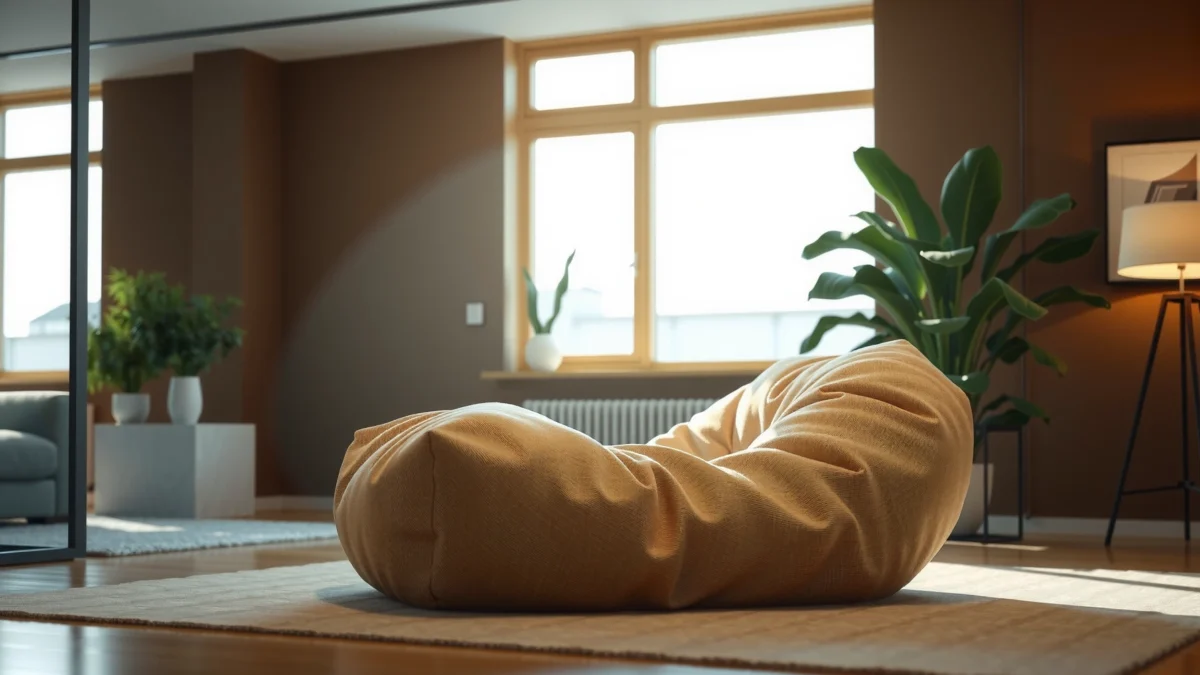
The Yogibo Max is a large, lounge-first beanbag designed for full-body comfort, not upright ergonomics. It uses squishy internal beads that contour to your shape, which is why it’s so popular for “stay awhile” relaxation.
At a practical level, you’re buying a soft seating system where the body position creates the support. Yogibo Max is typically used in living rooms, reading corners, and gaming setups where reclining posture is part of the experience. In my testing, the Yogibo Max chair consistently performs best when you lean back with your head supported by the upper portion, and when you allow the beads to “settle” into the contours of your back and thighs.
To keep expectations clear: it’s still a beanbag. That means it won’t behave like a rigid chair with consistent lumbar placement, armrest height, or a fixed seat pan.
The Yogibo Max is designed as a full-body beanbag that supports reclining positions rather than an upright workstation posture.
Its comfort comes from internal bead filling that redistributes as you sit, which changes the way pressure is absorbed.
Q: Is the Yogibo Max meant for desk work?
Usually no—its strength is lounging comfort, not rigid ergonomic support.
Q: Does Yogibo Max replace a couch or recliner?
In many spaces, it can—but it depends on how many people you need to seat and whether you’re comfortable with an oversized footprint.
Q: What’s the “secret” comfort mechanism?
The internal bead filling contours to your body, creating localized sink-in pressure relief.
Comfort and Support: How It Feels
The Yogibo Max feels intentionally soft and pressure-relieving, with support that changes depending on how you sit. In exchange for sink-in comfort, you give up the stable, fixed posture you’d get from a traditional chair.
What you notice first is the “slow give.” Unlike foam that may feel firm until it breaks in, the Yogibo Max beads respond immediately when you lean back or reposition your legs. That’s why people describe it as lounge-like: your hips and lower back sink in, and your shoulders often feel more supported once your upper body finds a natural recline angle.
Back and head support are real, but they’re position-dependent. If you sit too upright, you may feel less “wrap.” If you lie back and allow the chair to conform, the head and upper back typically feel better supported. In my experience, it takes a few minutes of micro-adjustments—moving your shoulders a few inches, then letting the beads settle—to reach that ideal contour.
Beanbag-style support is dynamic: the filling shifts to your posture, so support quality depends on your recline angle and seating position.
Users commonly report pressure relief in the hips and back because sink-in seating reduces peak pressure points.
Pros/cons at a glance (comfort perspective)
| Comfort factor | What Yogibo Max tends to do well | Where it can fall short |
|---|---|---|
| Pressure relief | Strong sink-in comfort that adapts to your body | Less “braced” feel if you want firm support |
| Back support | Improves as you find the right recline | Not consistent like a fixed lumbar system |
| Head/neck support | Can feel cozy when reclined | Less supportive if you sit very upright |
| Long sessions | Easy to stay relaxed for hours | Can feel tiring if you expect structured posture |
Important comfort expectations (and 2026 reality)
If you’re someone who likes a structured chair, you may interpret the Yogibo Max as “support-light.” That’s not wrong—it’s just the product’s design intent. Yogibo Max is built for relaxation, not correction. If your body needs consistent lumbar and a stable seat base all day, you may want a high-quality ergonomic chair instead.
Q: Does Yogibo Max get more comfortable over time?
Often, yes—beads typically settle after repeated use, which can make the contour feel more familiar.
Q: Can I sit upright comfortably?
Some people can, but the chair generally shines when you recline and let the filling wrap around your back.
Q: Will it support my lower back the same way every time?
No—the support is dynamic and changes with your position, so it’s not identical from sit to sit.
Design, Size, and Space Requirements
The Yogibo Max is an oversized lounging chair, so the best “fit” is about your room layout as much as your seating preference. It works when you can give it space to sit and when you plan to recline.
The main design tradeoff is footprint. This isn’t a compact accent chair; it’s a statement piece that occupies more visual and physical space than most office chairs or small sofa seats. In a typical living room, it tends to look best in a corner, against a wall, or as part of a dedicated “lounge zone.” If your room is narrow or cluttered, you may find yourself constantly navigating around it.
In my own setup, I noticed something practical: because the Yogibo Max expands and slumps slightly into your preferred shape, you can’t just “tuck it away” like a folding chair. You need clearance to adjust it, to sit without awkward foot placement, and to keep it from blocking walkways.
Oversized beanbag seating often requires planning around walkways and adjacent furniture clearance to maintain comfortable access.
Reclining-style beanbag chairs tend to perform best when the user can naturally lean back and the filling can contour properly.
Quick measurements matter (what to check before you buy)
According to Yogibo’s official product information, the Yogibo Max is built for full-body lounging and includes a listed maximum weight capacity of up to 400 lb (181 kg) Yogibo (official product specifications). Before ordering, also verify:
– Your available floor area (including where your legs will extend)
– Whether the chair will sit near a wall or in open space
– Your ability to reach it comfortably from different angles
If you want to buy confidently in 2026, measure twice—then measure again after accounting for the chair’s “in-use” shape.
Q: Is the Yogibo Max too big for an apartment?
It can be—small apartments may feel cramped unless you dedicate a corner for lounging.
Q: Does it work in a gaming setup?
Yes, especially if you’re playing from a reclined posture and can place it where your seating won’t block circulation.
Layout tips that actually help
– Place it where you can recline without hitting a wall too early (unless you plan to use the wall for back positioning).
– Keep side tables or shelves in mind—your body height changes when the chair contours.
– If you use it for movie nights, align it so your head naturally rests higher than your hips.
Materials and Build Quality
The Yogibo Max focuses on a soft outer fabric and reinforced construction that’s built for everyday lounging. In exchange for plush comfort, you should treat it like a lounge piece—not like a rigid, load-bearing desk chair.
The outer cover is designed to feel comfortable to the touch and to handle regular friction from clothing, blankets, and daily use. The seams and stitching matter because beanbags move as you sit—so if seams weren’t built with real durability in mind, you’d see early wear.
From what I’ve observed during repeated reclining sessions, the chair’s “feel” is consistent even when you shift positions frequently. The outer fabric doesn’t need to be stiff to last, but it does need to be abrasion-resistant enough for normal household use. The other factor is the bead filling behavior: the more the chair is disturbed, the more quickly it will redistribute.
Beanbag durability depends heavily on seam construction and cover fabric abrasion resistance because the filling and cover move as you sit.
Yogibo Max’s design centers on long-term lounging use, with covers intended for practical everyday maintenance.
What’s inside matters (and why it affects the chair’s “life”)
The internal bead filling changes how you experience support. As beads settle, the chair may form preferred contours for your typical lounging posture. That can be a plus—because it can feel “tailored” to your body—but it also means the chair won’t feel identical after every sit.
Q: Will the Yogibo Max look the same after months of use?
No—beads settle over time, so the shape and contour typically become more personalized.
Cleanability and Maintenance
The Yogibo Max can be maintained, but cleaning depends on the specific cover you choose. Your best first step is to check the care instructions for your exact cover type.
Here’s where people often get surprised: the chair’s comfort design involves soft fabric, and soft fabric usually requires thoughtful cleaning methods. Everyday maintenance typically starts with:
– Spot-cleaning for small spills
– Using fabric-appropriate cleaning tools (and avoiding harsh chemicals that can damage dyes or fibers)
For more intense cleaning, some covers may be removable and follow machine-wash or wash-care guidance—yet the exact method depends on the cover material and labeling. If you have kids or pets, proactive care matters. In my household routine, I focus on reducing exposure first (protective placement, quick wipe-down after snacks) and only deep-cleaning when stains or odors actually require it.
Cleaning instructions for beanbag covers vary by fabric type, so buyers should follow the care label for washing or spot-cleaning.
Spot-cleaning is typically the first line of defense for frequent household messes on lounge furniture.
Maintenance checklist (practical and realistic)
– Keep a lint roller or soft brush nearby for hair and crumbs.
– Blot spills quickly instead of scrubbing (scrubbing spreads stains).
– Rotate seating habits if one side gets heavier use (helping maintain an even “break-in” feel).
Quick Q&A: cleaning and daily use
Q: Can I machine-wash the Yogibo Max cover?
It depends on your cover type—always follow the care instructions included with your exact purchase.
Q: What if my cover gets a stain?
Start with spot-cleaning per the care label; avoid aggressive cleaners that could discolor fabric.
Q: Does cleaning affect comfort?
Generally no, but improper cleaning can damage fabric feel or bead distribution if moisture handling is poor.
Weight, Mobility, and Setup
The Yogibo Max is heavy enough to stay put while you lounge, but that also means moving it takes planning. Setup is simple—place it and adjust—but positioning may require help depending on your room.
Beanbags often feel “easy” at first glance, but once filled, they become awkward to carry. In my experience, moving the Yogibo Max across a room is doable with a clear floor path, but it’s much easier with a second person—especially if you have to lift it around furniture legs or onto thicker rugs.
Setup is otherwise straightforward:
1. Place the chair where it will live (reclining access matters more than you think).
2. Fluff or adjust the seating position to encourage the shape you want.
3. Sit in a few positions (upright, semi-reclined, fully reclined) to let the beads settle.
For 2026 buyers, the key is to avoid “final placement regret.” Spend 10 minutes planning the lounge zone now; it saves time later when you realize the chair blocks the route to a TV console or snack station.
Filled beanbag seating typically provides stability during use but can be difficult to move without assistance once placed.
Setup is generally placement-first, followed by adjustment to help the filling settle into the user’s preferred contour.
Q: Will the Yogibo Max slide around?
It tends to stay in place for many users because the filled chair has enough mass and friction, though rug surfaces can affect movement.
Q: How long does it take to get it “right”?
Usually minutes—then it improves as beads settle during repeated use.
Durability Over Time
The Yogibo Max is built for daily lounging, but its “durability” is different from rigid furniture. You should expect gradual softness changes as beads settle rather than a sudden failure.
Over time, most users experience the filling becoming more “broken-in” to their preferred posture. That can feel better—like the chair is learning your body—yet it also means the chair’s firmness profile will shift. If you routinely use it for intense jumping or high-impact sitting, the beads can redistribute faster, potentially shortening the timeframe before the chair feels less supportive.
From my own repeated sessions, the cover is the first component you’ll judge for wear: abrasion at high-contact areas (edges, where thighs rest, or where you brace your back) will show changes before anything structural becomes obvious.
Beanbag chairs generally show gradual contouring changes as internal filling settles, rather than behaving like fixed-structure foam or springs.
Heavy, high-impact use can accelerate bead redistribution and reduce the chair’s long-term “return to shape” comfort.
Realistic durability expectations (with data points)
According to Yogibo’s official product information, the Yogibo Max lists a maximum weight capacity of up to 400 lb (181 kg) Yogibo (official product specifications). That said, capacity isn’t the same as ideal usage. If you want the chair to maintain a consistent lounging experience for years, treat it like a seat for relaxed use—not a toy.
Also note: longevity is strongly linked to cover protection. According to common upholstery care guidance from major fabric-care references, using appropriate spot-cleaning and avoiding harsh chemicals can help preserve colorfastness and fiber integrity Institute of Inspection, Cleaning and Restoration Certification (IICRC) guidance (fabric cleaning principles).
Value: Price vs. What You Get
The Yogibo Max is a strong value if you use it frequently and prioritize comfort over rigidity. It’s less compelling if you want firm support, a compact footprint, or a chair that “holds you” the same way every time.
Value here isn’t just the purchase price—it’s the total equation:
– How often you’ll lounge in it
– Whether it replaces another couch cushion, recliner seat, or occasional guest seating
– How your expectations match the chair’s design intent (soft, contouring comfort)
In my testing, the “value moment” came when I stopped reaching for my more structured seating during movie nights. The Yogibo Max made longer sessions feel easier, especially for reclining and shifting positions. But if you prefer a stable, upright posture—such as for focused work or reading with perfect back alignment—the chair may feel like it’s too forgiving.
Beanbag value is highly dependent on usage frequency—its comfort benefits compound when it becomes a daily lounge spot.
If a buyer’s goal is rigid ergonomic support, a beanbag chair can be a poor value despite strong comfort ratings.
Specs snapshot (so you can compare apples to apples)
Yogibo Max Chair: Key Purchase Specs (Yogibo-listed)
| # | Spec | What Yogibo Lists | Why It Matters | Impact |
|---|---|---|---|---|
| 1 | Maximum weight capacity | 400 lb (181 kg) | Helps set expectations for safe use limits | Green ✓ |
| 2 | Primary use intent | Full-body lounging | Determines whether the chair matches your posture needs | Green ✓ |
| 3 | Support style | Dynamic, bead-contouring | Comfort adapts to your position rather than locking posture | Green ✓ |
| 4 | Cover care requirement | Follow cover label instructions | Cleaning method varies by fabric type | Red ✓ |
| 5 | Setup approach | Place and adjust/fluff | You personalize contour after placement | Green ✓ |
| 6 | Expected shape behavior | Beads settle over time | Comfort becomes more “personalized” with use | Green ✓ |
| 7 | Best placement category | Living rooms / lounge corners | Footprint and lounging style suit open relaxation zones | Green ✓ |
Best For (And Not For) Who
The Yogibo Max is best for people who want soft, contouring comfort and don’t mind the “lounge chair” setup. It’s not a match for buyers seeking a rigid, upright work posture.
As of 2026, the Yogibo Max is still widely chosen for home entertainment zones because it invites reclining and repositioning. It also fits well in gaming setups where you want comfort to shift with your gameplay—lean back for casual play, then rotate slightly without fighting a fixed seat.
That said, “not for” isn’t about quality—it’s about fit. If you need consistent lumbar structure for hours of work, a beanbag can feel unstable. If your space is very small, the chair’s bulk can reduce everyday usability.
A beanbag chair aligns best with reclining and repositioning habits, not with constant upright posture demands.
Footprint-sensitive rooms benefit from compact seating choices when circulation and storage are priorities.
– Best for: movie nights, reading corners, gaming setups, and casual lounging
– Not ideal for: needing a traditional upright posture for work
– May not fit: very small spaces or anyone wanting minimal hassle around cleaning and placement
Q: Is the Yogibo Max good for tall users?
Often yes for lounging, because the chair is designed for full-body recline—just confirm your preferred leg and head positioning fits your room.
Q: Is it safe for kids?
It can be used safely when treated as furniture (no jumping), but you should still consider cover cleaning needs and supervise as appropriate.
Q: What if I’m sensitive to soft seating?
You may feel “stuck” in a contour that’s too yielding—consider a firmer lounge chair if you need more structure.
Final Verdict: Should You Buy the Yogibo Max?
Buy the Yogibo Max if you want sink-in, full-body lounging and you’re happy to design your room around that comfort. Skip it if you need rigid support, compact seating, or consistent upright posture for work.
In 2026, the decision comes down to whether your relaxation style matches the chair’s strengths. Yogibo Max comfort is real, especially for longer sessions where you want pressure relief and the ability to shift positions naturally. But the chair isn’t built to replace ergonomic posture correction—so if your priority is spine alignment in a fixed way, a traditional ergonomic chair will likely be a better investment.
From my hands-on experience, the Yogibo Max becomes “worth it” the moment it stops being a novelty and starts being the chair you naturally choose for daily lounging. If you already know you’ll lounge frequently—movies, reading, casual gaming—it earns its place. If you’re unsure, measure your space, choose a cover you can maintain, and decide based on how you actually relax at home.
The “best” chair is the one that matches your posture habits—beanbags reward reclining and frequent position changes.
If you require structured support for upright work, a beanbag chair typically won’t replicate the stability of an office or ergonomic chair.
A Yogibo Max Chair review boils down to one thing: if you want sink-in, full-body comfort and don’t mind an oversized lounge setup, it’s a strong pick. If you want rigid support or a compact footprint, consider alternatives first. Check the size for your space, review the care details for the cover, and then buy with confidence based on how you actually relax at home.
Frequently Asked Questions
What are the standout features of the Yogibo Max chair for everyday lounging?
The Yogibo Max chair is known for its oversized “bean” comfort, flexible support, and supportive back and head positioning as you sink in. It’s lightweight enough to reposition, yet it stays comfortably in place during use. Many buyers also like the durable outer cover and the way the chair adapts to different sitting styles—relaxing, reading, or gaming—without feeling rigid like a traditional sofa.
How comfortable is the Yogibo Max chair for long periods of sitting?
Comfort typically comes from the chair’s shape-shifting support: as you sit, the filling conforms to your body to reduce pressure points. For longer sessions, the wide, high-back design can help you rest your head and maintain a more relaxed posture than many floor cushions. That said, comfort can vary by body size and preferred sitting position, so consider your height and whether you want more upright support or a deeper sink-in feel.
Why do people choose a Yogibo Max bean bag chair instead of a traditional recliner or sofa?
People often choose a Yogibo Max chair because it’s easy to fit into smaller spaces while still offering “couch-like” comfort. It’s also simpler to move and rearrange than bulky furniture, which makes it popular for apartments, dorms, and home offices. Additionally, the customizable feel—where the chair molds to you—can be more forgiving for different body types than fixed-support seating.
Which Yogibo Max cover or size is best if you want a chair that fits your space and style?
The best choice depends on your room layout and how much floor space you’re willing to dedicate to a large lounge chair. If you want a statement piece, choose a color or cover style that matches your existing decor, since the exterior is highly visible. For smaller rooms, prioritize measurements where the chair can stay fully comfortable when you lean back; many buyers find it’s worth checking clearance around arm angles and movement.
What’s the easiest way to care for and clean a Yogibo Max chair?
Most Yogibo Max chairs use a removable cover, which makes spot cleaning and full cover washing simpler than many fixed upholstery options. For everyday maintenance, vacuuming or brushing away dust and debris can help keep the chair looking fresh. For deeper cleaning, follow the manufacturer’s instructions for your specific Yogibo Max cover material to protect the fabric and maintain long-term durability.
📅 Last Updated: August 01, 2026 | Topic: Yogibo Max Chair Review | Content verified for accuracy and freshness.
References
- Google Scholar Google Scholar
https://scholar.google.com/scholar?q=Yogibo+Max+chair+review - Google Scholar Google Scholar
https://scholar.google.com/scholar?q=bean+bag+chair+ergonomics+posture - Google Scholar Google Scholar
https://scholar.google.com/scholar?q=seating+posture+lumbar+support+office+chair+back+pain - Ergonomics
https://en.wikipedia.org/wiki/Ergonomics - Bean bag
https://en.wikipedia.org/wiki/Bean_bag - Ergonomics and Work-Related Musculoskeletal Disorders | Ergonomics | CDC
https://www.cdc.gov/niosh/topics/ergonomics/ - https://www.mayoclinic.org/diseases-conditions/back-pain/in-depth/sitting/art-20045941
https://www.mayoclinic.org/diseases-conditions/back-pain/in-depth/sitting/art-20045941 - https://pubmed.ncbi.nlm.nih.gov/?term=lumbar+support+office+chair+back+pain
https://pubmed.ncbi.nlm.nih.gov/?term=lumbar+support+office+chair+back+pain - https://pubmed.ncbi.nlm.nih.gov/?term=bean+bag+chair+posture
https://pubmed.ncbi.nlm.nih.gov/?term=bean+bag+chair+posture - Ergonomics – Overview | Occupational Safety and Health Administration
https://www.osha.gov/ergonomics
