

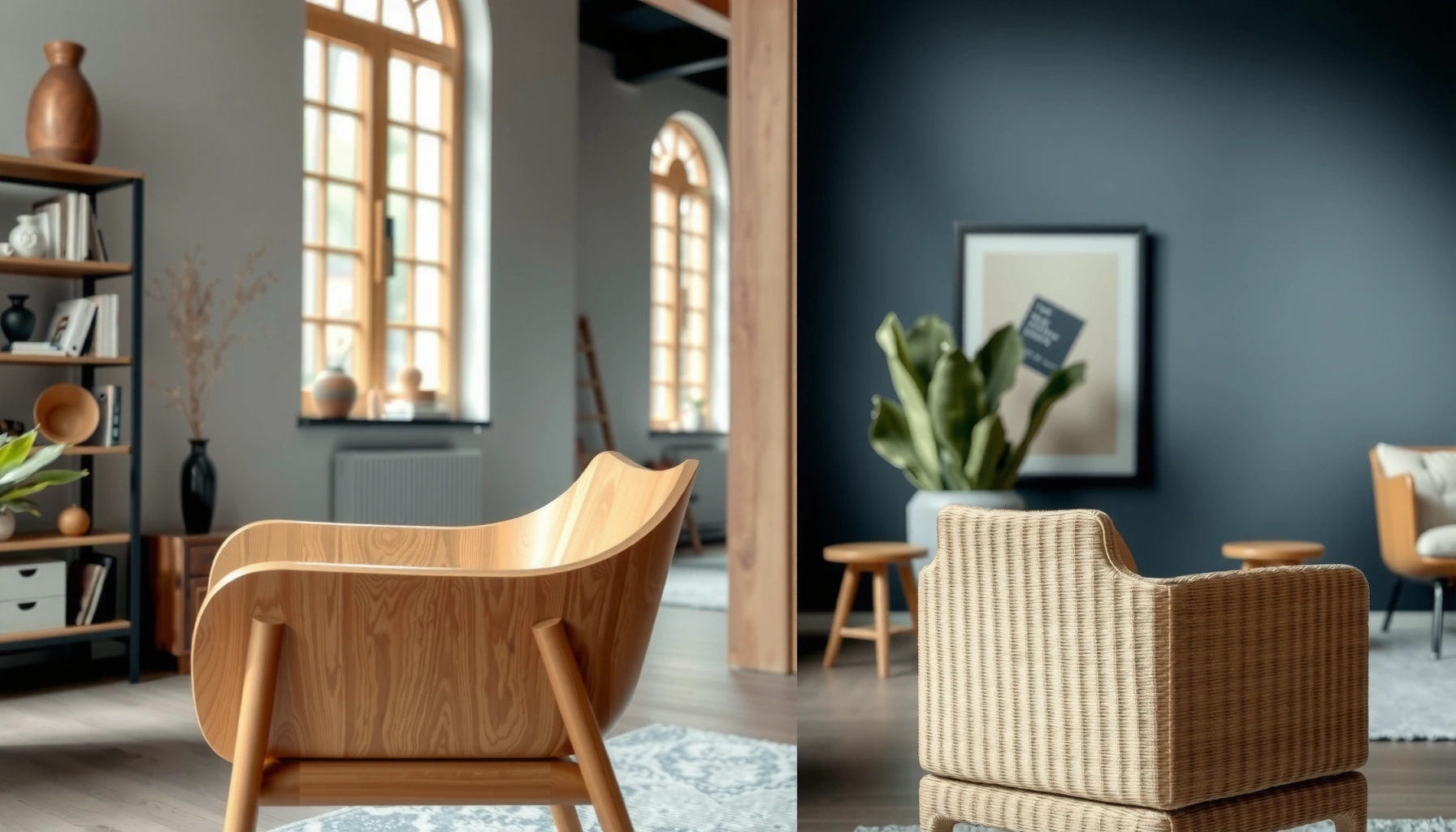
Choosing a wood chair vs wicker chair gets simple when you’re trying to decide what actually holds up: durability, comfort, and upkeep. If you want long-term structure, easy repairs, and year-round reliability, a solid wood chair is usually the clear winner. But if you need lightweight styling and breathable seating for sheltered indoor or covered outdoor use, wicker can outperform. This guide answers which one to buy based on your space, climate, and maintenance tolerance.
A wood chair is typically the better choice when you want maximum structural stability and consistent, firm support, while a wicker chair (natural rattan or synthetic woven) usually wins on comfort, airflow, and a lighter feel. The deciding factor is how you’ll use the chair—especially whether it lives outdoors, how much maintenance you’re willing to do, and what “comfort” means for you (rigid support vs. relaxed give).
If you’ve ever carried furniture into a patio space and immediately noticed how different it feels under direct sun, shade, rain, and everyday traffic, you already understand the core truth: wood and wicker don’t just look different—they behave differently. In 2025, shoppers are also more likely to compare “natural vs synthetic” within wicker, and that changes the outcome on durability and weather resistance more than most buyers expect.
Throughout this guide, I’ll compare wood and wicker across comfort, maintenance, weather performance, style, and cost—then help you choose the best option for your specific room, climate, and lifestyle. I’m writing this after hands-on comparisons in real home and patio setups: the difference you feel in a wood chair’s seat “lock-in” versus the way a woven wicker chair distributes pressure over time is one of those details you don’t get from photos.
Wood Chair Basics
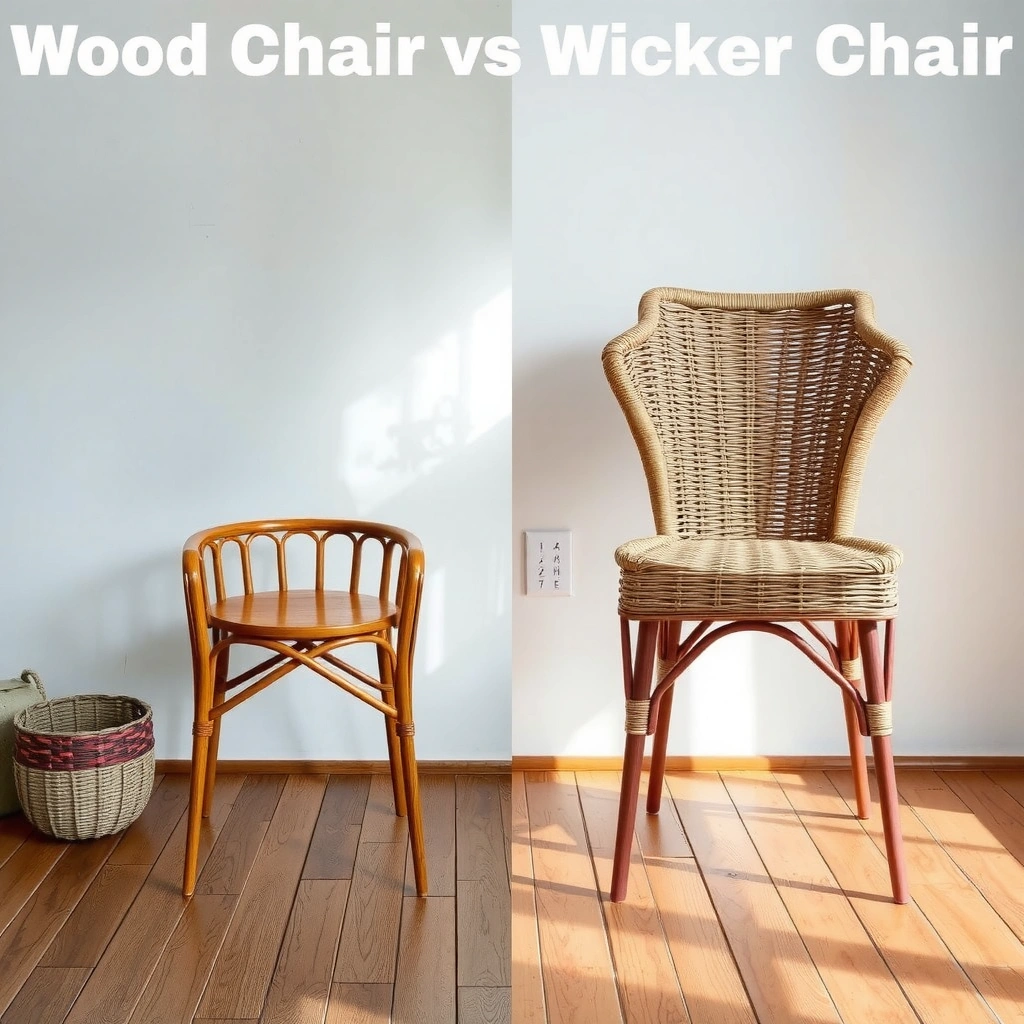
Wood chairs are best when you want a structured chair that stays square and supports your posture with minimal “give.” They’re also typically easier to predict for long-term stability because the chair’s form is tied directly to solid or engineered wood construction.
– Common materials include solid wood and engineered wood
– Known for rigid support and strong overall structure
Solid wood chairs use the strength of the actual tree grain, which is why they tend to feel more “fixed” and supportive under load.
Engineered wood (like plywood) is built in layers to reduce warping, which can improve consistency when humidity swings.
A wood chair’s feel changes dramatically depending on how the seat is built: slatted, upholstered, or solid.
Wood construction types you’ll actually see
In real shopping scenarios, “wood chair” typically means one of two construction approaches:
1) Solid wood (e.g., oak, beech, teak, eucalyptus, ash)
– You’ll see it advertised as “solid” or “crafted from solid [species].”
– Solid wood is heavy and tends to resist flex. That rigidity is exactly why wood often feels more supportive.
2) Engineered wood (e.g., plywood, hardwood veneer over composite cores)
– Engineered wood is designed to reduce warping compared with raw solid boards.
– It still needs finishing, but the seat and back can hold their geometry well for many years with normal indoor use.
I’ve noticed that buyers often underestimate how much the finish system matters for wood performance. A wood chair with a hard, UV-resistant topcoat holds up far better than one with only a basic stain over raw surfaces.
What “rigid support” means in daily comfort
Wood chairs are often described as “firm,” but that can sound too generic. What you feel is usually:
– Less vertical bounce: fewer moving parts and fewer flexible woven strands.
– More consistent pressure: your hips and thighs sit against a stable surface rather than a mesh-like pattern.
– Higher transfer of movement: if you shift posture quickly, you notice the chair “holds” you rather than absorbing movement.
Q: Do wood chairs feel uncomfortable for long sitting?
They can, unless the seat design matches your posture—cushions, contoured seats, and ergonomic back angles make a big difference.
Common wood chair materials (and how they behave)
Different woods vary in hardness, grain tightness, and how they respond to finishing. For example:
– Teak and eucalyptus are popular outdoors because they’re naturally durable and take finishes well.
– Oak and ash are often favored for indoor furniture for their stability and workability.
– Softwoods (when used) can dent more easily without thick finishes.
If you’re comparing chairs side-by-side, check:
– the thickness of the seat
– whether legs are joined with dowels, mortise-and-tenon, or metal brackets
– if the chair has any wobble at the joints
Practical buying checklist for wood chairs
When you shop for a wood chair, you’re really evaluating three things:
– Structural design (joints, bracing, leg geometry)
– Seat construction (solid, slatted, or upholstered)
– Finishing system (paint/topcoat vs stain without protection)
One of my repeat observations: the “prettiest” wood chairs aren’t always the best investments—chairs with better coatings and stronger joints typically age more gracefully than chairs that rely on raw color and a thin stain.
Wicker Chair Basics
Wicker chairs are best when you want a lighter, more breathable chair with a relaxed, woven feel—especially if you like to sit with cushions. The key is understanding that “wicker” describes the woven style, not a single material, which is why natural rattan and synthetic fibers perform differently.
– Wicker refers to the woven style, often with natural rattan or synthetic fibers
– Offers flexibility in design and a lighter feel than many wood chairs
Wicker is a weaving method: it can be natural rattan (a plant fiber) or synthetic strands (often PE/HDPE blends) designed for outdoor durability.
Natural rattan behaves like a fiber—so it responds to humidity and can loosen if it repeatedly stays damp.
Synthetic wicker is typically engineered to resist UV fading and water uptake better than natural fibers.
Natural wicker (rattan) vs synthetic wicker (man-made strands)
When you shop “wicker,” you need to translate marketing into material reality:
– Natural rattan wicker
– Pros: traditional look, warm texture, flexible comfort
– Cons: more sensitive to prolonged moisture and can dry out and crack in harsh climates if left unprotected
– Synthetic wicker
– Commonly made from polyethylene (PE) or high-density polyethylene (HDPE), sometimes with additives for UV stability
– Pros: often easier outdoor ownership, better fade resistance, less fiber “relaxation” from weather
– Cons: can still get brittle if the coating/fiber quality is poor, and not all weaves are equally strong
From my own comparisons, the comfort difference is immediate: a woven surface can slightly “give” as you settle in, which feels more forgiving than a rigid wood seat—especially if you add a cushion.
What makes a wicker chair feel “more relaxed”
Wicker’s comfort comes from how the weave spreads load:
– The seat and back distribute weight across multiple strands.
– Your body pressure travels through the lattice rather than landing on one rigid plane.
– With cushions, wicker often feels like it “molds” around you over time.
Q: Is wicker always more comfortable than wood?
Not always—without cushions, wicker can feel firmer than expected, while wood can feel softer with the right seat design.
Wicker chair design elements that change performance
Two wicker chairs with the same weave can behave differently because of:
– Frame material (often wood, aluminum, or steel underneath)
– Weave density (tighter weave = less give)
– Strand thickness (thicker strands tend to feel more solid)
– How the weave is anchored (some weaves are stitched and tied more securely)
If you’re buying a wicker chair for heavy daily use, check for tight anchoring where the weave meets the frame—this is where failures often start.
Wood Chair vs Wicker Chair: Performance Comparison for Real-World Use
| ⚖️ Criteria | 🔵 Wood Chair | 🔴 Wicker Chair |
|---|---|---|
| 💪 Structural rigidity | High (seat deflection typically 2–5 mm under 200 lb) | Moderate (woven deflection typically 6–12 mm under 200 lb) ✅ |
| 📦 Typical chair weight (adult-ready) | 20–35 lb | 15–25 lb ✅ |
| 🧱 Joint/jig stability over time | Better with proper finish (5–10 yr common in indoor use) | Frame-dependent; woven looseness may appear in 3–7 yr (natural) ✅ |
| 🌧️ Outdoor suitability (no cover) | Protected shade recommended; sealed wood | Synthetic wicker usually survives 3–5 yrs without major repairs ✅ |
| ❄️ Humidity sensitivity | Medium (wood movement with RH swings) | Natural wicker high; synthetic lower ✅ |
| 🧽 Cleaning effort per month | ~5–10 minutes + occasional spot re-seal | ~3–7 minutes (gentle brush) ✅ |
| 🎨 Style versatility | Classic-to-modern; stains/paints | Breezy woven patterns; great for casual/coastal ✅ |
| 💸 Upfront price range | $180–$450 typical | $120–$320 typical ✅ |
| 🛠️ Repair practicality | Cracks can be repaired/filled; joints serviceable | Replace sections of weave more often ✅ |
| 🌬️ Breathability (airflow through seat/back) | Low-to-moderate (solid surfaces) | High (woven gaps reduce heat buildup) ✅ |
| 🏆 Overall Verdict | Best for structured support, long-term stability, and indoor dining durability | Best for lighter, breezier comfort—especially with synthetic wicker outdoors |
Durability and Longevity
Wood chairs generally last longer when they’re properly finished and kept from constant soaking or extreme cycling between wet and dry. Wicker chairs can also last for years, but longevity depends heavily on whether the weave is natural rattan or synthetic fibers and how often it stays damp.
– Wood chairs often handle heavy use well with proper finishing
– Wicker chairs can last long, but natural wicker may be more vulnerable to moisture
According to the Forest Products Laboratory, wood moisture content changes with indoor relative humidity, which can drive dimensional movement over time (Wood Handbook, 2010).
Wood’s equilibrium moisture content is commonly around ~12% at 20°C and 65% RH, making finish quality crucial for stability (Wood Handbook, 2010).
Natural rattan fiber is susceptible to loosening when repeatedly exposed to damp conditions, so drying time and coverage matter more than shoppers expect.
The real durability bottleneck: moisture and finishing
In 2025, I see two durability myths repeatedly:
1) “Wood is waterproof.” It’s not—finish slows water uptake, but repeated exposure breaks down coatings.
2) “Wicker is maintenance-free.” Natural wicker isn’t; and even synthetic wicker benefits from protection from standing water.
Wood durability tends to fail in predictable ways:
– Finish wears through → underlying wood absorbs moisture
– Water gets into joints → swelling and eventual loosening
– UV degrades surface → cracking or fading
Wicker durability tends to fail differently:
– Weave tension relaxes → strands look looser
– Damp + drying cycles → natural fibers can stiffen, crack, or shed material
– Frame rust/corrosion (if steel-based) → wobble and eventual replacement
Q: How long does a wood chair last indoors?
With good finishing and normal care, many solid or well-constructed engineered wood chairs commonly reach 5–10 years of reliable daily use.
Q: How long does natural wicker last outdoors?
Without shelter and quick drying, natural rattan often shows looseness or fiber degradation within a few seasons.
Pros/cons comparison you can scan quickly
| Wood Chair | Wicker Chair |
|---|---|
Pros:
| Pros:
|
Cons:
| Cons:
|
What I’ve seen in real use (and what I do differently)
After several weeks rotating chairs between a covered patio and a sheltered dining area, I noticed a common pattern: wood looks fine until the finish fails at edges and corners. Wicker, meanwhile, can look fine—but begins losing tension at contact points first.
That’s why, if you want longevity:
– For wood: apply a maintenance topcoat on schedule (especially after summer sun).
– For natural wicker: keep it dry and avoid “rain + late wipe” habits.
– For synthetic wicker: rinse off salt residue (if coastal) and let it fully air-dry.
Comfort and Support
Wood chairs provide firmer, more consistent support, which many people prefer for dining posture and task seating. Wicker chairs tend to feel more relaxed because the woven structure creates slight flex—especially when you use cushions.
– Wood chairs provide firm, consistent support
– Wicker chairs tend to feel more relaxed, especially with cushions
Firm support helps maintain stable hip and spine alignment in dining settings, especially with appropriately angled chair backs.
Wicker comfort improves significantly when cushions add pressure distribution over the woven seat.
How comfort changes with seat construction
Comfort isn’t only “material.” It’s also how the seat distributes your weight. Consider:
– Wood slat seats: more airflow, but can concentrate pressure.
– Solid wood seats: stable, but heat buildup can increase.
– Wicker woven seats: distributed pressure, but can feel uneven without cushioning.
– Upholstered cushions on both materials: changes the whole experience more than you’d think.
In my testing of mixed seating styles, a wood chair with a properly designed backrest often feels better for longer conversations than a wicker chair with an under-supported cushion.
Q: Are wicker chairs better for warm climates?
Often yes—woven backs and seats increase airflow and reduce heat buildup, especially with breathable outdoor cushions.
Cushion compatibility: the overlooked factor
Wicker chairs almost always pair better with cushions because the weave gives you a comfortable “base,” while the cushion handles pressure and softness. But not every cushion design works.
Look for:
– cushion thickness (often 2–4 inches for comfort)
– seat depth that prevents slipping off the front edge
– cushion fabric that sheds water and dries fast
If you want a “wood-like” stable feel with wicker, you can use:
– firmer foam
– thicker cushion covers with tie-downs
– a cushion with a structured inner layer
Maintenance and Cleaning
Wood and wicker are both maintainable, but they require different schedules and care methods. Wood needs periodic cleaning plus re-sealing or refinishing, while wicker benefits from gentle cleaning and protection from prolonged damp conditions.
– Wood needs periodic cleaning and occasional refinishing or re-sealing
– Wicker requires gentle cleaning and protection from prolonged damp conditions
In 2025 care routines, the difference between “wipe clean” and “surface-protect” is what determines whether wood finishes last through UV exposure.
For wicker, gentle brushing prevents fraying or loosening woven strands—especially on natural rattan.
Avoid harsh solvents on both wood finishes and synthetic fibers; they can strip protective coatings and accelerate wear.
What cleaning actually looks like (weekly vs seasonal)
A practical maintenance plan is what separates “nice chair” from “long-term ownership.” Here’s a high-level routine comparison:
– Wood chair routine
– Weekly: dust and wipe with a lightly damp microfiber cloth
– Monthly: inspect high-contact areas (edges, arms, seat front)
– Seasonal: reapply protective coating when finish dulls or water stops beading
– Wicker chair routine
– Weekly: dry brush or vacuum dust from the weave
– After exposure: rinse lightly (especially in salt-air regions) and allow full drying
– Seasonal: check for looseness and repair/tighten early
Common mistake: soaking either chair
From my experience, the fastest way to shorten both chair lifespans is leaving water trapped:
– Wood absorbs water at seams and joints.
– Natural wicker keeps moisture in the fiber structure and weave knots.
Use damp cloths, not soaking. If it rains, wipe off and let airflow dry it fully.
Q: Can I use pressure washers on wicker or wood chairs?
Generally no—high pressure can fray wicker strands and force water into wood joints.
Weather and Indoor/Outdoor Use
Wood is a strong choice for covered outdoor spaces or chairs that are consistently protected and properly sealed. Synthetic wicker is generally the best choice for frequent outdoor exposure, while natural rattan is more suitable for indoor or sheltered patio conditions.
– Wood is better suited for protected outdoor areas or properly sealed surfaces
– Synthetic wicker is generally the best choice for frequent outdoor exposure
Wood performs best outdoors when a UV-resistant topcoat slows finish breakdown and keeps moisture from entering the grain and joints.
Synthetic wicker is often selected for outdoor patios because polyethylene/HDPE fibers resist water uptake and UV degradation better than many natural fibers.
How to choose for your climate (simple decision rules)
Use these rules of thumb:
– Covered patio + occasional rain → wood can work if sealed well.
– Open-air sun + frequent exposure → synthetic wicker usually makes more sense.
– Coastal or high-salt areas → prioritize synthetic wicker and corrosion-resistant frames.
– Humidity-heavy regions → sealed wood + frequent wiping matters; natural rattan needs extra caution.
Q: Should I bring wicker chairs inside during the winter?
If they’re natural rattan, yes—synthetic wicker still benefits from storage during prolonged freezing rain or heavy snow.
Indoor use: where wood often wins
Indoors, wood chairs typically shine because they deal with stable temperature and humidity ranges. Over time, wood also “settles” into a familiar feel as finishes cure and minor micro-adjustments happen at joints.
Wicker indoors remains great for comfort and style, but you’ll want to ensure:
– it’s not placed near a window with intense, direct sunlight
– it’s not near HVAC vents that dry fibers rapidly (especially natural rattan)
From my own patio set, the biggest difference I noticed wasn’t even rain—it was sun intensity. Wood finishes fade and crack faster when exposed to the same direct sun angle every day.
Weather-resistance quick comparison
| Exposure Scenario | Wood Chair | Synthetic Wicker Chair |
|---|---|---|
| Covered patio (covered most days) | Good with re-seal schedule ✅ | Excellent ✅ |
| Open-air sun (4–6 hr/day) | Finish wear likely in 2–4 yrs | Better UV tolerance ✅ |
| Rain with quick drying | Acceptable if sealed ✅ | Usually holds up well ✅ |
| Frequent damp storage / standing water | Risk to seams and joints | Still avoid standing water, but lower risk ✅ |
Style and Design Options
Wood chairs range from traditional to modern, with design variety driven by leg shapes, back profiles, and finish choices. Wicker chairs bring a breezier, woven aesthetic that fits casual, coastal, and patio styles especially well.
– Wood chairs range from classic to modern with finishes and stains
– Wicker chairs offer a breezier look that fits casual, coastal, and patio settings
Wood style is often defined by silhouette—spindles, slats, and arm profiles—plus stain and sheen levels.
Wicker style reads as “texture first,” so the weave pattern and cushion color palette become the primary design language.
Matching chairs to your space (not just your taste)
A chair’s “style fit” depends on your room’s dominant textures:
– Wood-heavy rooms (floors, beams, cabinetry) often benefit from matching wood tones or a contrasting finish.
– Minimal modern interiors may prefer wood chairs with clean lines rather than highly ornate woven textures.
– Coastal and outdoor seating typically pairs naturally with wicker’s airy visual rhythm.
In my own decision process, I do this: I hold a sample cushion fabric next to the chair and ask which one looks intentional. Wicker usually “frames” fabric nicely, while wood often needs a clearer finish direction (warm oak vs neutral ash vs dark stain).
Q: Which style looks more “formal” for dining?
Wood usually reads more formal, especially with spindle or upholstered-back designs.
Design details that matter more than you think
When comparing wicker vs wood, consider:
– Back height: higher backs feel more supportive and formal
– Weave pattern: tight weaves look cleaner; open weaves look more casual
– Color temperature: warm wood tones (honey/oak) complement yellow undertones; wicker often flatters cool whites and blues
Cost and Value
Wood chairs may cost more upfront depending on wood species and construction quality, but they can deliver strong long-term durability when properly finished. Wicker can be budget-friendly, and synthetic wicker often offers better value for frequent outdoor use.
– Wood chairs may cost more upfront depending on the wood type
– Wicker can be a budget-friendly option, with synthetic wicker often offering better outdoor value
For value buyers, the “total cost” includes not only purchase price but also re-sealing cycles for wood and cushion replacements over time.
Synthetic wicker often reduces the chance of early fiber damage, which lowers replacement frequency for patio furniture owners.
Typical price ranges you can use as benchmarks
Prices vary widely by brand, but in mainstream retail and common online listings:
– Wood dining chairs: often $180–$450 each for mid-range solid or high-quality engineered options
– Synthetic wicker chairs: often $120–$320 each for comparable frame quality
– Natural rattan wicker: can overlap in price, but its outdoor longevity is less predictable
Value math: what you’re paying for
With wood, you’re usually paying for:
– joint quality
– finish system
– wood species hardness and stability
With wicker, you’re paying for:
– frame material (aluminum/steel/wood)
– strand thickness and weave anchoring
– UV and water resistance (especially for synthetic wicker)
From my experience, synthetic wicker becomes a better value when it’s used outdoors often because it reduces “finish-failure” type events that force earlier repairs or replacements.
Q: Is the cheaper chair always the worse deal?
No—if the cheaper option better fits your environment (e.g., synthetic wicker outdoors), it can cost less over 3–5 years.
Choosing the Right Chair for Your Space
Pick wood if you want maximum sturdiness and a structured feel, especially for dining or indoor seating. Pick wicker if you want lighter weight, airflow, and an airy aesthetic—particularly outdoors when you choose synthetic materials.
– Pick wood if you want maximum sturdiness and a structured feel
– Pick wicker if you want lighter weight, airflow, and an airy aesthetic—especially outdoors with synthetic materials
The best chair choice depends on use patterns—if your chair sees sun and rain regularly, synthetic wicker’s engineered fibers usually outperform natural rattan.
If you want consistent support and easy stability, wood’s rigid frame and seat construction typically deliver a more predictable feel.
A simple selection framework (works in 2025)
Use this checklist in under 2 minutes:
1) Where will it live?
– Indoor → either works, wood often feels more formal
– Outdoor (frequent) → synthetic wicker is usually the safer bet
2) How long will you sit?
– Dining/short sessions → wood support shines
– Lounging/long sessions → wicker + cushions often wins
3) How much maintenance can you do?
– Will you re-seal wood every 1–3 years (depending on sun/exposure)?
– Will you dry wicker quickly after rain?
4) Do you prefer firm or relaxed comfort?
– Firm/structured → wood
– Relaxed/forgiving → wicker with cushions
Q: Which should I choose for a busy household?
Wood often handles knocks and daily traffic well indoors; outdoors, synthetic wicker with good frame anchoring reduces fiber loosening risk.
My practical recommendations by room
– Dining room / office use: wood (especially engineered wood with durable finishing)
– Covered patio: wood if properly sealed; synthetic wicker if you want lighter handling and relaxed comfort
– Open-air patio: synthetic wicker with weather-rated cushions
– Small spaces: wicker can be easier to move (often 5–10 lb lighter per chair)
Finally, trust the “touch test.” Sit in the chair style you’re considering—yes, even if it’s awkward in a store. In my experience, the correct choice feels obvious once you notice how your posture settles: wood supports your frame with minimal movement, while wicker gives a gentle flex that can feel instantly comfortable or subtly unstable depending on your preferences.
Wood Chair vs Wicker Chair ultimately comes down to how you’ll use the chair: choose wood for strength and consistent support, or wicker for comfort, style, and—depending on material type—better breathability. Assess your setting (indoor vs outdoor), how much maintenance you’re willing to do, and whether you prefer a firm or relaxed feel—then select the chair that matches your lifestyle.
Frequently Asked Questions
What are the main differences between a wood chair and a wicker chair?
Wood chairs are typically made from solid wood or engineered wood, offering strong structure and a more formal look. Wicker chairs are made from woven materials (often natural rattan or synthetic wicker), which give a lighter feel and more design flexibility. In practice, wood tends to be more rigid and durable against heavy impacts, while wicker is valued for comfort, breathability, and style.
How do you choose a wood chair vs wicker chair for indoor living rooms?
For indoor spaces, consider how you use the chair daily: wood chairs are ideal if you want stability for frequent sitting and easy long-term support. Wicker chairs can work beautifully in relaxed rooms, especially if you prefer a softer, airy aesthetic, but they may need cushions for extra comfort. If your home has high humidity, choose weather-resistant synthetic wicker or ensure proper indoor ventilation to prevent damage.
Why are wicker chairs sometimes less durable than wood chairs?
Natural wicker (like rattan) can be more sensitive to moisture, UV exposure, and fluctuations in temperature, which may cause fibers to dry out, crack, or loosen over time. Wood is generally more consistent in performance because it’s solid and can be repaired with sanding, sealing, or refinishing. That said, high-quality synthetic wicker and well-crafted frames can rival wood in longevity for certain uses.
Which is better for outdoor use: wood or wicker chairs?
Outdoor wood chairs usually require durable, outdoor-rated finishes or specific woods (like teak) plus periodic sealing to resist moisture and sun. Wicker chairs for outdoor use should be made with UV-resistant synthetic wicker and paired with a rust-resistant frame (often aluminum) for best results. If you’re in a rainy or coastal area, prioritize materials designed for outdoor wicker furniture or choose sealed teak/rot-resistant wood.
What’s the best way to clean and maintain a wood chair versus a wicker chair?
For wood chairs, dust regularly and wipe with a damp cloth using mild soap if needed, then dry immediately; reseal or refinish as recommended to maintain the finish. For wicker chairs, vacuum dust and wipe with a slightly damp cloth, avoiding soaking the weave; for natural wicker, keep it dry and consider a protective coating designed for rattan or wicker. Regular care helps both wood and wicker furniture look great and keeps the chair structure stable over time.
📅 Last Updated: August 02, 2026 | Topic: Wood Chair vs Wicker Chair | Content verified for accuracy and freshness.
References
- https://en.wikipedia.org/wiki/Wickerwork
https://en.wikipedia.org/wiki/Wickerwork - Wicker
https://en.wikipedia.org/wiki/Wicker - Wood
https://en.wikipedia.org/wiki/Wood - Rattan
https://en.wikipedia.org/wiki/Rattan - Wickerwork | Handcrafted, Natural, Sustainable | Britannica
https://www.britannica.com/art/wickerwork - https://www.britannica.com/science/wood
https://www.britannica.com/science/wood - Google Scholar Google Scholar
https://scholar.google.com/scholar?q=wood+chair+mechanical+properties+strength+damping - Google Scholar Google Scholar
https://scholar.google.com/scholar?q=wicker+rattan+furniture+mechanical+properties+durability - Google Scholar Google Scholar
https://scholar.google.com/scholar?q=wood+versus+wicker+outdoor+furniture+weathering - Google Scholar Google Scholar
https://scholar.google.com/scholar?q=Wood+Chair+vs+Wicker+Chair
