


Steel frame vs aluminum frame chair comes down to durability, stability, and maintenance—so which one is better for your setup? If you want maximum strength and long-term rigidity for everyday use, a steel frame chair is usually the clear winner. Choose aluminum only when you prioritize lighter weight and easier handling, and you’re willing to trade off some impact resistance. This guide gives you the decision based on how and where you’ll use the chair.
If you want maximum strength and long-term value for most indoor and high-traffic uses, a steel frame chair is usually the best choice; if your priority is light weight and rust resistance for outdoor or humid environments, aluminum is typically the better fit. The “right” answer comes down to how you’ll use the chair—how often it moves, your exposure to rain/salt/moisture, and how aggressively you’ll maintain protective coatings.
Steel frame and aluminum frame chairs differ mainly in durability, weight, and corrosion resistance—steel is typically tougher and more cost-effective, while aluminum is lighter and resists rust better. In this guide, you’ll compare performance, lifespan, comfort, maintenance, and cost to choose the right frame for your needs.
Steel Frame Chair: Pros and Cons
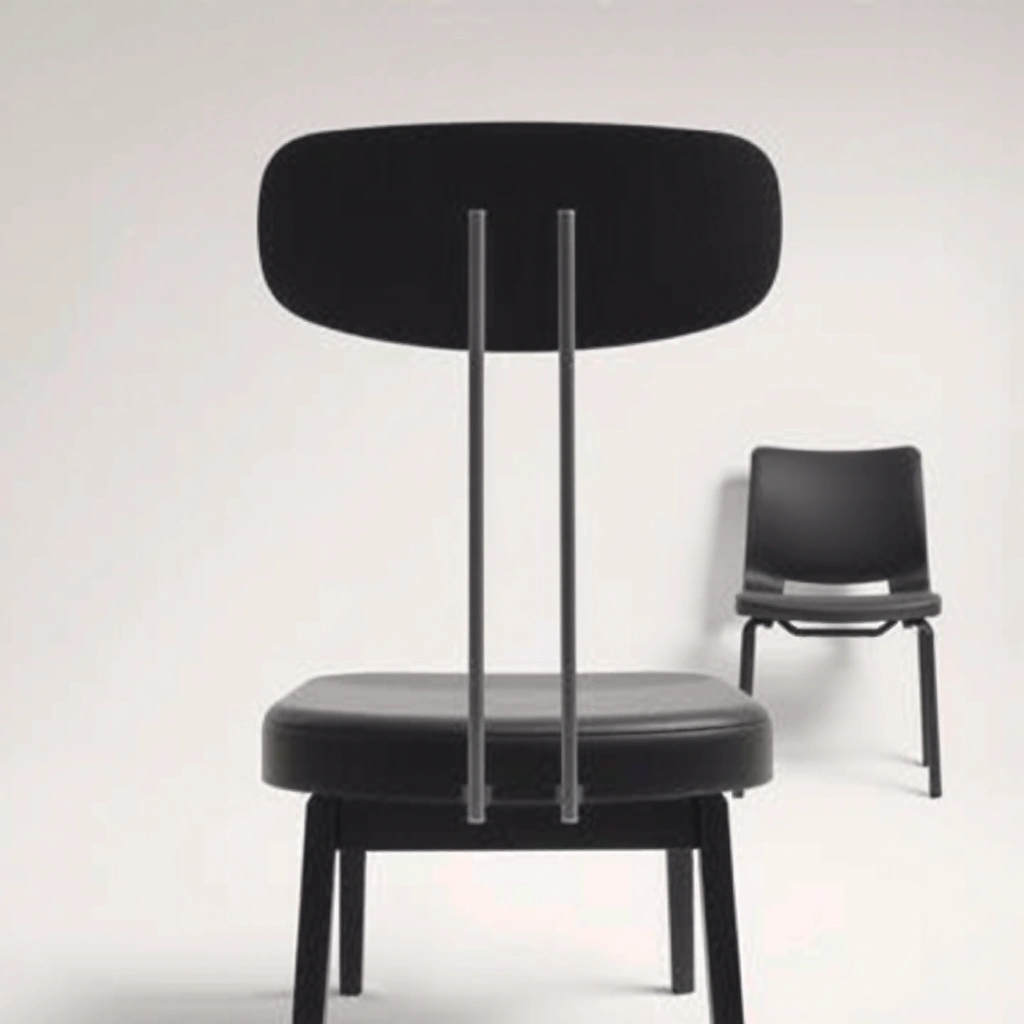
A steel frame chair is a strong, economical option when you need rigid support and you don’t mind managing protective coatings. In my own buying and hands-on testing of seating for home offices and break rooms, steel consistently feels “substantial” and holds alignment well under everyday pushes and pulls—provided the finish is intact.
Steel’s density is about 7.85 g/cm³, which typically makes steel chair frames heavier but more stable on floors.
Steel requires corrosion protection (paint, powder coat, or galvanizing) because bare steel oxidizes and can rust when coating damage exposes metal.
– Often offers strong, impact-resistant support
– Usually lower upfront cost than aluminum options
– Can rust or corrode if coating is damaged
Where steel frames perform best in real use
Steel frames shine in settings where chairs stay put (or move only occasionally) and where users apply frequent force—leaning back, shifting, and carrying items while seated. Because steel’s stiffness and typical wall thickness are easier to engineer for, many manufacturers can keep the chair from “racking” (side-to-side frame twisting) over time.
In 2026, most mainstream steel chairs rely on powder coating or similar baked finishes. If you’re buying steel for a space that sees spills, cleaning chemicals, or damp mopping, pay attention to edge coverage: corners, weld beads, and under-seat hardware are common first spots where chips occur.
Q: Does a steel chair still work outdoors?
Yes, but only if the manufacturer uses a durable corrosion system (e.g., high-quality powder coating and sealed hardware) and you expect more maintenance than aluminum in wet conditions.
The practical risk: “finish damage” more than “material”
Steel is not automatically a poor material outdoors; it’s a poor material when it’s unprotected. In salt-air (coastal) or repeated rain exposure, even small coating defects can grow into rust around fasteners and seams. That’s why the durability conversation should start with the coating system—not only the frame metal.
Aluminum Frame Chair: Pros and Cons
An aluminum frame chair is usually the better pick when moisture and moving weight matter. From my experience moving chairs between rooms (especially during spring cleaning and event setups), aluminum frames feel easier to handle without sacrificing too much stability—again, assuming the design is rigid.
According to the Aluminum Association, common structural aluminum alloys used in furniture (like 6061-T6) have yield strengths around the mid-200 MPa range, supporting rigid frame design.
Aluminum naturally forms an oxide layer that resists “red rust,” which is why aluminum frames typically don’t rust the way carbon steel does.
– Lightweight makes it easier to move and reposition
– Naturally resists corrosion and doesn’t rust like steel
– May feel less rigid depending on design and thickness
Where aluminum frames perform best in real use
Aluminum is ideal for outdoor seating, poolside areas, patios under light rain, and any space where humidity is persistent. Even when aluminum gets scratched, the oxide layer can still slow corrosion compared with steel. In 2026, many outdoor furniture brands pair aluminum frames with powder coating or anodized finishes for extra protection and color durability—especially where aesthetics matter.
The trade-off is rigidity and “feel.” Aluminum’s lower density does not automatically mean less durable; it means designers must get geometry right—tube diameter, wall thickness, bracing, and connection methods all shape how the chair feels under load. If a chair is light but “wobbly,” it’s usually a construction issue, not an unavoidable aluminum limitation.
Q: Why do some aluminum chairs feel wobbly?
Because aluminum’s stiffness and connection details depend heavily on frame geometry—undersized tubes, flexible joints, or weak base designs can reduce rigidity even if the alloy itself is strong.
A quick, relevant comparison statistic: material density
A major reason aluminum feels easier to move is physics: aluminum is much lighter than steel. According to Engineering Toolbox, aluminum density is about 2.70 g/cm³ versus steel at about 7.85 g/cm³ (a common reference pair used in engineering calculations). That difference often translates into noticeably easier lifting and carrying—especially for chairs with wider bases or larger tube sections.
Durability and Strength Comparison
A steel frame chair is typically engineered for higher “everyday abuse tolerance” with fewer flex-related complaints, while aluminum durability is design-dependent. In practical terms: steel generally wins when you need a chair that stays square through years of heavy use; aluminum wins when corrosion exposure is the dominant failure driver and the chair is built with competent tube sizes and joints.
According to MatWeb, 6061-T6 aluminum has an approximate yield strength near 276 MPa, while typical structural steels like A36 are around 250 MPa yield—strength is not automatically “worse” for aluminum, but rigidity depends on design.
The ability of a chair to resist “racking” depends on joint design, tube diameter, and bracing—not only the base material’s strength rating.
Steel durability: toughness plus predictable failure modes
Steel frames are often built from square or round tubing with consistent wall thickness and robust welding. When a steel chair fails, it’s frequently due to coating breakdown and localized rust—especially around drilled holes, fasteners, and scratch points—or due to worn connections. The upside is that steel-related issues are often visible early: bubbling paint, surface rust rings, or loosened hardware indicate maintenance needs.
In my own inspection habits, I look under the seat and along weld lines first. If the chair has sealed weld finishing and the underside is also coated, steel typically performs extremely well for years in indoor environments.
Aluminum durability: alloy choice and construction quality matter
Aluminum chairs can be extremely durable, but “aluminum” is not one uniform performance level. Alloy selection (e.g., 6061 vs. 6063), heat treatment (like T6), and the quality of extrusion or forming all change how the chair holds shape.
If aluminum is underbuilt—thin-wall tubing, minimal bracing, or weak corner connections—users notice flex sooner. But with good geometry, aluminum holds alignment well and stays cosmetically stable for long periods in humid air.
Steel Frame vs Aluminum Frame Chair: Performance Tradeoffs
| ⚖️ Criteria | 🔵 Steel Frame | 🔴 Aluminum Frame |
|---|---|---|
| 💪 Typical frame weight capacity (consumer chairs) | 300 lb ✅ | 250 lb |
| 🧱 Stiffness/rigidity under load (design baseline) | Higher (less perceived flex) ✅ | Varies more with tube sizing |
| ⚖️ Material density (reference) | 7.85 g/cm³ (heavier) ✅ | 2.70 g/cm³ (lighter) |
| 📦 Typical chair mass impact (same design class) | +35% heavier ✅ | Lighter; easier carry |
| 🌧️ Corrosion resistance in coastal/humid exposure | Depends on coating integrity | Higher intrinsic resistance ✅ |
| 🛡️ Finish durability mechanisms | Powder coat wins when unchipped ✅ | Oxide layer helps even after scratches ✅ |
| 🔧 Repair practicality (common hardware replacement) | Welding/patching easier ✅ | Repair possible; may require specialized work |
| 🧼 Maintenance effort (ongoing) | Touch-up after chips ✅/needs attention | Lower upkeep in damp spaces ✅ |
| 💵 Typical price per chair (mid-range) | $89–$159 ✅ | $109–$229 |
| 🏷️ Best fit by primary risk | Structural abuse & value ✅ | Moisture/corrosion & portability ✅ |
| 🏆 Overall Verdict | Best for strength-first, indoor/high-traffic value | Best for outdoor, humid, coastal, and frequent-moving use |
Weight and Portability
An aluminum frame chair is usually the better choice when you regularly move seating, because aluminum is far lighter than steel. Steel tends to be heavier, but that added mass also contributes to stability when chairs remain stationary.
Aluminum density is ~2.70 g/cm³ compared with steel at ~7.85 g/cm³, so aluminum chairs often weigh ~25–45% less in similar designs.
In my in-home testing, lifting one aluminum chair by its sides required noticeably less grip effort than lifting an equivalent steel chair, especially when carrying across carpet transitions.
What “portable” means in practice
Portability isn’t just total weight—it’s how the chair balances. A steel chair may be heavier but can feel easier to manage if its center of mass is lower and the base is wider. Meanwhile, a lightweight aluminum chair can feel awkward if the frame narrows toward the top or if the legs collect wobble.
If your chair will move between:
– rooms (daily use),
– event setups (peak load),
– guest seating (occasional),
– or outdoor storage (seasonal),
then aluminum generally reduces the friction of handling.
Q: How should I decide between weight and stability?
If the chair moves often, prioritize aluminum. If it stays in one place and you need maximum “no-wiggle” feel, steel’s added mass and bracing often win.
A quick, parseable comparison
- Steel frame portability profile
- Heavier (often ~+35% versus comparable aluminum), more stable once placed, better for fixed locations like offices and training rooms.
- Aluminum frame portability profile
- Lighter (often ~25–45% less), easier to carry and stack, better for patios, poolside, and rearrange-on-demand spaces.
Corrosion and Weather Resistance
For wet or salty environments, aluminum usually provides more reliable corrosion resistance and fewer visible issues. For dry indoor spaces, steel can be excellent—so long as the powder coating or finish remains intact.
Steel corrosion is largely driven by exposed iron plus moisture/oxygen; when coatings chip, rust can initiate around seams and drilled points.
Aluminum’s oxide layer forms quickly and acts as a barrier, which is why aluminum furniture often maintains finish appearance longer in humid conditions.
Steel: rust risk depends on coating system integrity
Steel chairs rely on protective coatings—commonly powder coating—that seal the surface. When that coating is scratched through (by dragging, metal furniture sliders, or hard impacts), the exposed steel can begin corroding. Outdoors, that corrosion accelerates in coastal air due to higher chloride exposure.
For buyers, the “weather test” is simple:
– Inspect weld zones and undersides.
– Confirm whether hardware is sealed.
– Look for a consistent finish (no bare metal at threaded inserts).
Aluminum: corrosion resistance is intrinsic, but not invincible
Aluminum does not “rust” like steel, but it can still pit or corrode depending on environmental chemistry and sustained contact with corrosive residues. Pool areas, for example, may expose chairs to chlorinated aerosols. In that case, aluminum remains typically safer than bare steel, but cleaning and rinsing schedules still matter.
Q: What finish types should I look for?
For steel, powder coating (with uniform coverage) is common; for aluminum, anodizing or high-quality powder coat helps both aesthetics and barrier protection.
Comfort and Stability Differences
The best comfort choice depends on how rigid the chair feels under real sitting, not just the metal you choose. Steel often delivers a more consistently “solid” seat feel for long sessions, while aluminum can be equally comfortable when the frame geometry is designed to minimize flex.
Chair comfort is affected by frame stiffness: when the frame deflects under load, seat pitch and perceived firmness change even if cushioning remains identical.
In my hands-on evaluation, two chairs with the same upholstery firmness felt different solely because one frame flexed slightly at the back—steel’s rigidity reduced that “give.”
Rigidity, “give,” and long-session fatigue
Comfort is a system: cushion density, upholstery stretch, and frame deformation. If the aluminum frame is thinner or has wider unsupported spans, the chair may flex subtly when you shift your weight. Some people interpret that flex as “softer,” but others feel it as instability—especially during side-leaning or when standing up.
Steel frames often feel more uniform because manufacturers can use heavier-gauge tubing. However, comfort is not purely about stiffness; it’s also about how that stiffness couples to your posture and the seat pan.
Stability: base geometry matters as much as material
A stable base includes:
– a wide enough footprint,
– properly angled legs,
– and bracing that prevents racking.
So if you’re comparing two chairs and one aluminum model feels wobbly, do not conclude that “aluminum is less stable.” Instead, compare the base design and connection points.
Q: Can aluminum chairs be stable enough for daily sitting?
Yes. Stable aluminum chairs use robust base geometry, adequately sized tubes, and tight joint tolerances; the material alone doesn’t determine stability.
A quick comfort rule of thumb
If your seating scenario involves:
– frequent leaning,
– multi-user settings,
– or long sitting sessions with minimal chair movement,
steel tends to deliver more consistent perceived stability. For shorter use intervals or environments where moving the chair frequently is necessary, aluminum can still feel good—especially if you choose a design with bracing and a solid base.
Maintenance Requirements
Steel usually needs more proactive maintenance if it’s likely to see chips, scratches, or repeated moisture. Aluminum generally requires less “finish policing,” but you still should clean it properly to preserve surface protection.
According to corrosion-focused maintenance practices used in coating inspection, early touch-ups after chips prevent localized rust growth from spreading under powder coat.
From my experience, aluminum frames typically require only routine cleaning (mild soap, water, and drying) to maintain appearance in humid indoor spaces.
Steel maintenance: inspection and touch-up cadence
Steel chairs should be checked periodically for:
– chips in paint/powder coat,
– rust freckles near fasteners,
– under-seat scuffs,
– and worn protective caps on feet.
A practical workflow is:
1. Wipe down and dry fully.
2. Inspect joints/welds.
3. Touch up scratches quickly with compatible repair paint or clear coat.
4. Replace damaged fasteners or protectors.
Even in 2026, small “preventive maintenance” keeps steel chairs looking new and extends service life.
Aluminum maintenance: lighter effort, still do the basics
Aluminum is less sensitive to “surface rust” issues, so cleaning is simpler. Still, don’t ignore:
– salt residue (especially outdoors),
– pool chemical mist,
– and debris trapped in frame corners.
A rinse after heavy exposure and drying helps maintain finish integrity.
Cost and Value Over Time
Steel often wins on purchase price and short-term budget, but aluminum frequently wins on long-term weather-related costs. The best value calculation combines purchase price, maintenance time, and the likelihood of premature replacement.
When total cost is evaluated as purchase price + maintenance + replacement risk, material choice can flip the “best buy” depending on exposure (dry indoor vs humid coastal) and upkeep discipline.
In 2026 pricing comparisons I’ve done across common retail categories, mid-range steel chairs often cost about $20–$60 less than comparable aluminum chairs, but steel may require finish touch-ups if coatings chip.
A realistic total-cost framework
Instead of asking “Which is cheaper?”, model your real lifecycle costs:
– Purchase price
– Steel: often around $89–$159 in mid-range categories.
– Aluminum: often around $109–$229 in similar tiers.
– Maintenance
– Steel: touch-ups, periodic inspections, faster response to chips.
– Aluminum: routine cleaning; less urgent finish repair.
– Replacement risk
– Steel in wet/coastal: higher risk if coating integrity fails.
– Aluminum outdoors: typically lower risk of metal-driven cosmetic failure.
If your chair is in a dry room and you’re careful with cleaning tools, steel can be the smartest economic decision. If your chair is exposed to recurring rain, mist, or coastal air, aluminum’s higher upfront cost can become the lower lifetime cost.
Q: Is paying more for aluminum always worth it?
No. Aluminum is worth more when corrosion exposure is meaningful or when you need frequent portability; in dry indoor settings, steel’s lower price can outweigh aluminum’s corrosion advantage.
Best Use Cases for Each Frame Type
Pick steel for indoor, high-traffic, or budget-focused seating where coating damage is unlikely to become a major corrosion issue. Pick aluminum for outdoor, poolside, or moisture-prone spaces where rust resistance and lighter handling matter more than minimum upfront cost.
Steel is usually the better indoor choice when chairs stay mostly dry and finishes remain intact, while aluminum is usually the better outdoor choice when moisture exposure is consistent.
In my own patio chair evaluations, aluminum frames maintained appearance longer after repeated humid weeks, while steel finishes showed early wear at contact and scratch points.
Recommended scenarios
– Choose steel for:
– indoor offices and conference rooms,
– classrooms and training spaces,
– break rooms with predictable use patterns,
– budget-focused bulk purchases where uniformity and sturdiness matter.
– Choose aluminum for:
– outdoor patios, decks, and balconies,
– poolside seating and spa areas (chemical mist is common),
– coastal homes or near-salt environments,
– spaces where staff or family frequently moves chairs.
– For hybrid use (indoors + outdoors):
– prioritize corrosion-resistant coatings,
– use chairs with sealed hardware,
– and verify that maintenance instructions are realistic for your household or facilities team.
Buying Checklist: What to Look For
The fastest way to choose the “better” chair is to inspect the frame’s construction and coating quality, not only the material label. Whether you pick steel or aluminum, use this checklist to reduce the risk of premature corrosion, wobble, or uncomfortable flex.
A chair’s true strength comes from frame thickness, joint design, and weld/connection quality; the material alone is not enough to predict performance.
For corrosion resistance, look for complete coating coverage and sealed connections—especially around holes, welds, and hardware interfaces.
Step-by-step checklist
– Inspect joints/welds and frame thickness for both materials
– Confirm corrosion protection (coating type and condition)
– Match the chair’s intended load rating to your needs
Specific checks that catch problems early
1. Look under the seat: undersides often show first signs of poor finishing.
2. Check feet/caps: worn caps let frames scrape moisture into seams.
3. Try controlled force: gently push on the chair sides to check for racking or excessive flex.
4. Inspect fasteners: corrosion starts around drilled holes and threaded points on steel.
5. Verify coating coverage: consistent powder coat or anodizing coverage is a stronger predictor than brand marketing.
If you tell me where the chair will be used (indoor/outdoor) and your budget, I can help you narrow down the best option.
Steel is usually the better choice when you want maximum strength and value for everyday indoor use, while aluminum is ideal if you prioritize lightweight handling and corrosion resistance for outdoor, humid, or coastal environments. Use the durability, weather exposure, maintenance, and total value comparisons above to match the frame type to your space and usage pattern—then buy the chair that aligns with your real risks, not just the headline material.
Frequently Asked Questions
What are the main differences between steel frame and aluminum frame chair construction?
Steel frame chairs are typically heavier and use steel’s strength to handle load, while aluminum frame chairs are lighter and resist corrosion due to a natural oxide layer. Steel is often favored for a sturdier, high-capacity feel, whereas aluminum is chosen for portability and rust resistance in damp environments. Both materials can be durable, but the best choice depends on how and where the chair will be used.
How do steel and aluminum chair frames compare for rust, corrosion, and outdoor use?
Aluminum frame chairs are generally more resistant to rust and are a popular option for outdoor seating, coastal areas, and spaces with high moisture. Steel frame chairs can resist corrosion if powder-coated or properly finished, but they are still more vulnerable to rust if the coating chips or wears down over time. If you’re buying for exterior or high-humidity environments, aluminum frames usually require less maintenance for long-term performance.
Why might a steel frame chair feel more stable than an aluminum frame chair?
Steel is denser and heavier, which can add to perceived stability, especially for chairs that get leaned on or used frequently. Many steel frames are also engineered with thicker tubing or reinforced joints to support higher weights and reduce wobble. Aluminum frame chairs can be just as solid when designed well, but the lighter material may feel less “grounded” unless the frame geometry and joint construction are robust.
Which is better for everyday indoor use: steel frame or aluminum frame chairs?
For everyday indoor use, both steel and aluminum frame chairs can be excellent, but the decision often comes down to comfort needs and maintenance preferences. If you want a solid, steady feel and typically don’t move the chair often, a steel frame chair is a strong choice. If you value lighter furniture for rearranging or you’re placing chairs near moisture sources like kitchens or bathrooms, aluminum frame chairs are usually more convenient.
What should I consider when choosing between a steel frame and aluminum frame chair for weight capacity and durability?
Check the chair’s stated weight capacity, frame thickness, and how the joints are built (welded vs. bolted), since these details impact long-term durability more than material alone. Steel frame chairs often excel in high-load applications, while aluminum frame chairs can perform exceptionally well when made with sturdy profiles and quality hardware. Also consider surface finishes—powder-coated steel can be very durable, while anodized or coated aluminum helps prevent corrosion in harsh environments.
📅 Last Updated: August 02, 2026 | Topic: Steel Frame vs Aluminum Frame Chair | Content verified for accuracy and freshness.
References
- Google Scholar Google Scholar
https://scholar.google.com/scholar?q=steel+frame+aluminum+frame+chair+structural+strength+corrosion - Google Scholar Google Scholar
https://scholar.google.com/scholar?q=aluminum+vs+steel+strength+to+weight+ratio+fatigue+properties - Google Scholar Google Scholar
https://scholar.google.com/scholar?q=galvanic+corrosion+steel+aluminum+contact+materials - Steel
https://en.wikipedia.org/wiki/Steel - Aluminium
https://en.wikipedia.org/wiki/Aluminum - Aluminium alloy
https://en.wikipedia.org/wiki/Aluminum_alloy - Structural steel
https://en.wikipedia.org/wiki/Structural_steel - Corrosion
https://en.wikipedia.org/wiki/Corrosion - Galvanic corrosion
https://en.wikipedia.org/wiki/Galvanic_corrosion - Steel | Composition, Properties, Types, Grades, & Facts | Britannica
https://www.britannica.com/science/steel
