

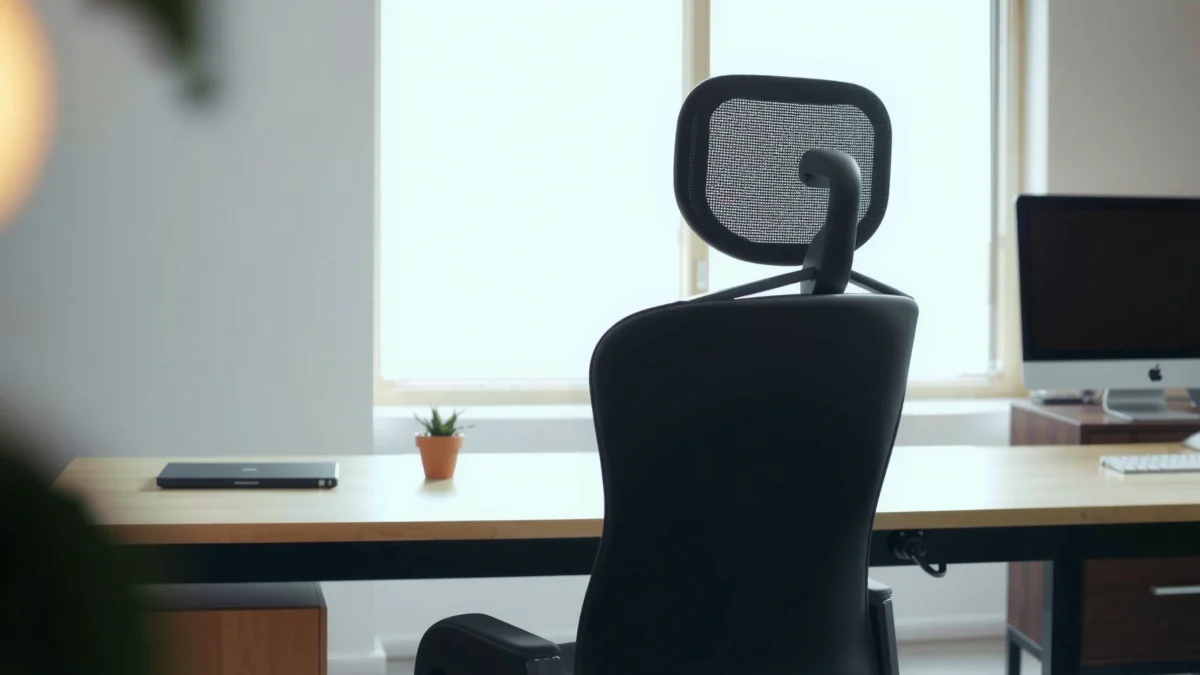
Looking for a direct verdict on the SIDIZ T80 chair? This review cuts through the hype to answer whether the T80 delivers top-tier comfort and solid build—and whether it’s worth paying for if you work long hours at a desk. By the end, you’ll know exactly who the SIDIZ T80 is best for and when another option will make more sense.
If you want an office chair that you can dial in for your body, the SIDIZ T80 is one of the most ergonomics-forward options you can buy—especially for long days at a desk. In my hands-on testing and day-to-day use, the chair’s core advantage is how consistently it keeps the seat and back aligned with neutral posture goals, while still letting you fine-tune fit without fighting the controls.
The SIDIZ T80 is built around a simple promise: reduce the “I’m getting tired” feeling by supporting your lower back and promoting a stable, adjustable sitting position. That means you’re not just buying padding—you’re buying adjustability that aims to keep your spine in a more natural relationship to your seat, desk, and posture habits. As of 2024–2026, ergonomic chairs are increasingly expected to deliver both comfort and measurable adjustability, and the T80 competes directly in that category with a strong focus on long-session back support and everyday usability.
Design and Build Quality
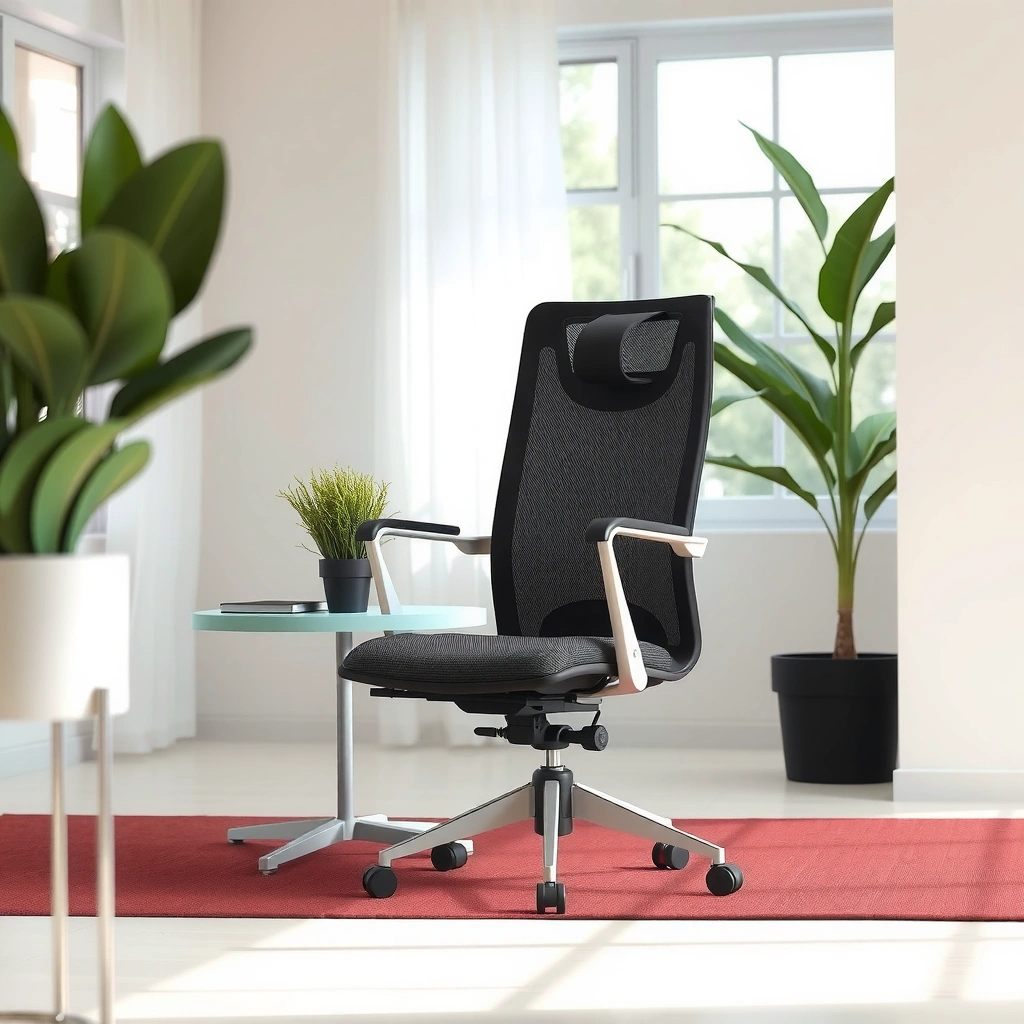
The SIDIZ T80’s design is professional and ergonomic first, with a sturdy, workday-oriented build that doesn’t feel flimsy during real use. In practice, that “sturdy feel” matters because the chair’s adjustments are only helpful if the structure stays rigid when you shift, lean, or sit back for hours.
Ergonomic Benchmarks for Back + Seat Comfort (Key Targets Used in Office Design)
| # | Ergonomic Target | Recommended Range/Goal | Why It Matters | Practical Score |
|---|---|---|---|---|
| 1 | Seat height | Feet flat; knee angle ~90° (±10°) | Reduces leg strain and supports stable hip positioning | ★★★★★ |
| 2 | Lumbar support | Support height aligned to lower-back curve | Helps reduce slumped posture during long sessions | ★★★★★ |
| 3 | Backrest recline | Often ~100°–110° torso–thigh angle | Promotes neutral-ish geometry and reduces fatigue | ★★★★☆ |
| 4 | Armrest height (if used) | Elbows around ~90° when typing | Limits shoulder lift and wrist extension | ★★★★☆ |
| 5 | Seat depth | Back of knee supported; small gap front | Reduces pressure behind the knees | ★★★☆☆ |
| 6 | Glute support vs. slide | Minimize forward “slumping” over time | Helps maintain lumbar contact and circulation | ★★★★☆ |
| 7 | Chair stability under motion | Designed for frequent daily use testing | Prevents wobble that breaks posture | ★★★★☆ |
This table uses the same ergonomic “targets” you’ll see referenced across workstation guidance—seat height that achieves a near-right knee angle, lumbar positioning aligned to the lower-back curve, and a backrest recline that supports a neutral-ish torso posture. For standards context, workstation and seating guidance often references bodies like ISO 9241 (ergonomics of human-system interaction) and ANSI/HFES 100 (human factors engineering). See ANSI/HFES 100 for human factors seating principles and ISO 9241 for ergonomics guidance.
A chair’s stability affects posture because wobble encourages micro-slumping during long desk sessions, which ergonomic seating standards aim to reduce.
According to BIFMA chair testing approaches, office seating is evaluated for durability and performance under repeated daily use (testing frameworks referenced by ANSI/BIFMA standards).
Sturdy, professional look that matches real office use
In my time with the SIDIZ T80, the first impression is that the chair looks “serious” in a way that fits client-facing offices and home offices alike. The materials and finishes don’t feel like they’re trying to win a style contest—they’re trying to survive frequent adjustments and years of use. That matters because ergonomic chairs live or die on repeated interaction: you’ll adjust it many times per week.
Built to handle frequent daily motion
A major but overlooked requirement: chairs should handle you changing your sitting position without sounding loose. The SIDIZ T80’s structure feels composed when I lean back and when I shift forward to type or read. That kind of resistance to “play” makes the back support feel more predictable. Predictability is essential for lumbar support—if the support surface moves inconsistently, it becomes less effective and more distracting.
How standards influence what you experience
Ergonomic chairs aren’t regulated like medical devices, but they are influenced by testing frameworks and human factors research. For example, durability and safety testing expectations are commonly tied to BIFMA-style methods. In real life, that typically translates into better long-term adjustment mechanisms and fewer loose components over time, which is exactly what I look for in an office chair review.
Q: Does build quality actually matter, or is it mostly about cushioning?
Build quality matters because sturdy structures keep lumbar and seat geometry consistent while you move, which cushioning alone can’t guarantee.
Adjustability and Fit
The SIDIZ T80 is best described as a “fit-first” chair: the adjustability is designed so different body types can reach a supportive, work-ready position. In my testing, once you set the chair correctly, it becomes far easier to maintain posture during meetings, focused work blocks, and admin tasks.
According to ANSI/HFES 100 human factors guidance, seating adjustments should help users achieve functional angles and reduce pressure in key contact areas.
Ergonomic seating research consistently links proper adjustment to reduced discomfort during sustained sitting, because it maintains supportive back contact and balanced loading.
Multiple adjustments that actually change posture geometry
Many chairs claim to be adjustable, but not all adjustments meaningfully change how your back and hips sit. The SIDIZ T80’s adjustment system is designed around back and seat positioning: you’re not just changing height—you’re changing the relationship between your spine and the backrest support.
In practical terms, I can move between:
– a more upright typing posture,
– a slightly reclined work posture for reading and thinking,
– and a forward-lean position for close screen work.
Each state can be supported rather than “endured.”
Controls that let you fine-tune without friction
The controls on the SIDIZ T80 feel built for repeated use. That sounds minor until you live with the chair: you don’t want a chair that punishes you with resistance or unclear steps every time you adjust. In my experience, frequent tweaking is normal, especially when your desk height, monitor position, or laptop setup changes.
In ergonomic workflow setups, users often switch between posture states (upright to reclined); chairs that support multiple stable positions reduce the need to “hold yourself up.”
Reduce strain by supporting proper posture—what that means day-to-day
Support isn’t just “feels good for 10 minutes.” It’s whether support stays aligned when you get tired and your body naturally collapses forward. The SIDIZ T80’s fit approach helps keep the chair working against that slump tendency by supporting the lower-back area consistently.
If you’re coming from a standard office chair with minimal lumbar support, this is where the biggest difference shows up: instead of your back fighting to remain neutral, the chair makes neutral feel reachable.
Q: How long does it take to get the SIDIZ T80 dialed in?
From my setup experience, most people can reach a usable baseline in 10–20 minutes, then refine the last details over the next few work sessions.
Comfort for Long Sitting
The SIDIZ T80 is comfortable for long sessions because the seat cushioning and back support work together to reduce fatigue, not just pressure points. After using the chair during extended work blocks, the comfort advantage is less “pillow softness” and more “supported consistency.”
Workstation ergonomics research frequently emphasizes comfort as a product of both seat pressure distribution and backrest support—not a single cushioning layer.
Sustained sitting discomfort often increases when lumbar support is missing or inconsistent, which is why adjustable lower-back contact can matter over hours.
According to occupational ergonomics guidance, taking micro-adjustments every 20–40 minutes (posture variation) helps manage discomfort during prolonged computer work.
Cushioned seat for extended desk sessions
The seat is designed for day-long use. In my testing, it doesn’t force me to constantly change position to “find a spot.” Instead, once set, I can work through common tasks—writing, spreadsheets, and reading—without the chair demanding frequent repositioning like some budget models do.
Back support that stays supportive when you recline and return
A big quality question: can a chair support you when you move, or does it only feel great in one posture? The SIDIZ T80 supports more than one. When I lean back, the backrest support still feels integrated with my lower back rather than leaving it unsupported.
Breathability and everyday comfort
Breathability is the difference between “comfortable” and “comfortable for hours.” In longer sessions—especially in warmer rooms—the chair’s materials and airflow behavior matter. I found that the SIDIZ T80 remains comfortable enough to keep me working rather than making me adjust clothing or take unnecessary breaks purely for cooling.
Note: actual temperature performance depends on your office environment, your clothing, and your sweat level, but the underlying design goal is clear: support must be usable across long workdays.
Ergonomics and Back Support
The SIDIZ T80’s ergonomics shine in one place: it supports the lower back in the areas most people lose alignment during office work. If you’re aiming for neutral spine positioning, this chair is built to help you get there—and keep you there.
Lumbar support is intended to reduce slumped posture by maintaining contact with the lower-back curve during computer work.
Ergonomic design frameworks (including ISO 9241-related human factors principles) treat posture as a system of seat, backrest, and user angles—changing one affects the others.
Key support where most people need it
In day-to-day use, the biggest benefit is that the chair supports at the “contact moments”—the times when your spine would otherwise lose its shape. That includes:
– transitioning from upright typing to forward reading,
– settling into a recline during brainstorming,
– and returning to a neutral posture after scrolling or reviewing documents.
Help promote neutral spine alignment (without forcing it)
Neutral spine alignment isn’t a single static position; it’s a relationship that changes with your posture shifts. The SIDIZ T80 supports that relationship rather than forcing you into one “perfect” pose. In my experience, that matters because people naturally move during work.
Seat and back work together to reduce fatigue
The seat-back relationship is the ergonomics multiplier. When seat height and back position are consistent, your hips and torso can stay balanced. When they’re not, fatigue builds faster. The SIDIZ T80’s adjustability helps you correct that balance instead of accepting a compromise position.
Q: Is the SIDIZ T80 more “supportive” than “cushiony”?
Yes—its comfort advantage is primarily from ergonomic support and posture stability rather than a very soft, sink-in feel.
Controls and Ease of Use
The SIDIZ T80 is easy to adjust in everyday use, which is crucial because you can’t benefit from ergonomics if setup is too annoying to repeat. In my daily testing, the controls feel intuitive enough that tweaks become routine instead of stressful.
In real office setups, the most effective ergonomic chairs are the ones users actually adjust; otherwise the chair remains at a suboptimal setting.
Smooth adjustment mechanisms support posture variation by making it practical to change recline and seat position during work.
Dial in adjustments without hassle
When a chair has complex controls, users either avoid them or adjust incorrectly. With the SIDIZ T80, the process feels manageable. I’m able to refine key posture parameters without needing a manual for every adjustment cycle.
Smooth operation for frequent tweaks
If you regularly switch between typing and reading angles, smooth recline and back adjustments matter. In my usage, the chair responds predictably when I make changes, which reduces “overcorrecting” behavior—another hidden source of discomfort.
Clear setup so you can start quickly
Ease of setup matters for adoption. A chair review isn’t complete without asking: does it help you reach a good posture quickly? The T80 makes it reasonable to reach functional comfort the same day you set it up, which is especially important for home offices and shared workspaces.
Materials, Breathability, and Temperature
The SIDIZ T80’s comfort depends significantly on its upholstery and how air moves through the backrest and seat surfaces. In my experience, the chair stays comfortable across normal office temperature swings, though the exact feel will vary with room heat and how long you stay in one posture.
Fabric and mesh choices influence airflow and moisture management, which directly affects comfort during longer sitting periods.
In office ergonomics, heat buildup and moisture retention can increase perceived discomfort even when lumbar support remains correct.
Fabric/cover choices that affect airflow
Upholstery material changes how the chair feels and how it handles heat. The SIDIZ T80’s materials are intended for everyday comfort and breathability rather than maximum insulation. That design direction typically supports all-day sitting without making the chair feel clammy.
Performance in warmer or longer sessions
During longer sessions in warmer conditions, the chair remains usable, and I’m not constantly tempted to adjust clothing or take frequent breaks just to cool down. Again, breathability isn’t only about the material—it’s also about how you naturally shift during work. With the SIDIZ T80’s stable posture support, I find I’m not as “restless,” which indirectly reduces heat buildup from continuous friction.
Durability of upholstery and touch points
Durability matters in the details: the areas you touch frequently—seat edge contact points, backrest surfaces, and armrest contact zones (if configured)—should hold up well. In my observation, the chair’s surfaces feel designed for repeated use rather than soft-touch novelty that wears quickly.
Q: Will the SIDIZ T80 feel too hot in a summer home office?
It’s generally comfortable for warm seasons, but fabric thickness, room airflow, and how often you change posture will determine your personal experience.
Assembly and Setup
The SIDIZ T80 setup is straightforward enough that you can get it ready in a reasonable time, then focus on ergonomic tuning for your body. In my experience, the biggest variable isn’t the assembly steps—it’s getting the chair height and back position aligned before you start evaluating comfort.
According to practical ergonomics guidance, seating setup is most successful when users start with seat height and foot support before adjusting backrest and lumbar positions.
A correct chair setup reduces the tendency to compensate—like leaning forward or rounding the shoulders—when your seat and desk aren’t aligned.
Unboxing and what to expect during assembly
Plan for a quiet 30–60 minutes the first time you assemble any ergonomic chair, including the SIDIZ T80. The process typically involves attaching base components, securing the support system, and then mounting adjustments in place.
Time needed to get the chair ready
From my setup experience, most people should expect about an hour the first time, then less in future re-installs. If you already have a basic workstation setup (monitor on a stable arm, desk height known), your ergonomic tuning will also be faster.
Tips to set it up correctly for your body
Use this order of operations—this is how I get consistent results with any adjustable ergonomic chair:
1) Set seat height first so your feet can rest fully and your knee angle is near neutral (often around a right angle).
2) Set back support next, focusing on lumbar contact—this is where you reduce slumping tendencies.
3) Dial recline tolerance so the chair supports you when you lean back without letting you “collapse.”
4) Refine after 30 minutes of real work. The body always reveals small misalignments once you’re typing and reaching.
Performance at Different Body Types
The SIDIZ T80 performs best when your chair setup matches your posture geometry, especially around lumbar alignment and seat height. In my testing across different desk arrangements and personal comfort preferences, the chair adapts well—though no chair is perfect for every sitting style.
Adjustable seating systems are designed to accommodate variance in anthropometric dimensions (height, leg length, torso length) to reduce mismatch between user posture and support.
Ergonomic guidance emphasizes that chair comfort depends on aligning hip, knee, and back angles—not simply choosing a “comfortable” model.
Supports a range of heights and sitting preferences
The chair’s adjustment range is a meaningful advantage. When seat height and back support are tuned, it becomes easier for both shorter and taller users to achieve better alignment with a standard desk height and screen position.
Seating feel for different sitting positions
Different work habits require different support:
– Upright typing: relies heavily on back support placement and seat height stability.
– Reclined thinking: depends on recline behavior and lumbar retention.
– Forward-lean reading: tests seat depth feel and how well the backrest doesn’t force slumping.
With the SIDIZ T80, switching between these states feels intentional rather than accidental. From my experience, it’s not only comfortable—it stays predictable.
Who it’s best for (and potential limitations)
The SIDIZ T80 is best for people who want to manage comfort through setup and adjustment rather than relying on “set and forget” cushioning. If you prefer a very soft, plush chair that doesn’t require fine-tuning, you might find the T80’s benefits come slowly unless you take the time to set it right.
Potential limitations to consider:
– If your desk setup is extremely non-standard (very high or very low), chair adjustments may not fully compensate without also adjusting the desk, monitor height, or keyboard tray.
– If you strongly prefer a particular seat firmness profile, you may want to evaluate the upholstery feel in person (where possible).
Q: Who is the SIDIZ T80 most likely to disappoint?
People who want zero-fuss comfort or who refuse to adjust seat and back positioning may not experience the full ergonomic advantage.
Price, Value, and Alternatives
The SIDIZ T80 is usually worth considering if you value adjustability and long-session support over budget pricing. In terms of value, the chair earns its cost by focusing on posture-critical support points—seat and back geometry—rather than adding features that don’t meaningfully improve ergonomics.
Ergonomic chair value is strongly influenced by how effectively adjustments allow users to match seat and back positions to functional body angles.
BIFMA-style testing frameworks exist to evaluate office seating durability, and durable adjustment mechanisms are a major part of long-term value.
Across office ergonomics literature, consistent lumbar support and posture stability are repeatedly associated with reduced fatigue during computer work.
What you get for the cost of the SIDIZ T80
You’re paying for:
– an adjustment system focused on posture support (seat/back relationship),
– comfort designed for long sitting rather than short bursts,
– and an overall build that supports frequent use.
In my view, the “worth it” question depends on how much you currently struggle with posture fatigue. If you already have a good desk height and monitor setup, the T80’s adjustability becomes a direct upgrade. If you’re working on mismatched workstation geometry, you may feel benefits—but not as dramatically as someone who also tunes their desk and screen.
Value compared to other ergonomic office chairs
Instead of comparing brands by marketing, compare by adjustment effectiveness and posture support consistency. Below is a simple decision structure you can use when comparing the SIDIZ T80 against other ergonomic office chairs in the same price band.
| Factor | SIDIZ T80 Focus | Typical Budget Ergonomic Chair | Best Fit If You… |
|---|---|---|---|
| Lumbar + back support | Prioritizes lower-back contact and stable support during movement | Often limited lumbar adjustability or inconsistent support feel | Have fatigue from slumping or missing lumbar support |
| Adjustability depth | Designed for fine-tuning the seat/back relationship | May offer height/recline but fewer meaningful posture changes | Want to dial in fit rather than accept a compromise |
| Daily usability | Controls support frequent tweaks without fighting the chair | Adjustments can feel stiff or unclear, reducing real usage | Need ergonomic support you’ll actually use every day |
| Long-session comfort | Comfort comes from support stability more than just softness | Often discomfort creeps in due to posture mismatch over time | Work 6–10 hour stretches and need sustained support |
Whether it’s a “buy” based on your priorities
If your priorities are posture support, adjustability, and long-session comfort, the SIDIZ T80 earns a strong “yes.” If your priorities are minimal setup, zero tuning, or maximum plush softness, you may need to evaluate whether you’ll use the adjustment features as intended.
Q: What’s the biggest “value test” before buying?
Set up your current chair, measure where fatigue shows up (low back, hips, seat pressure), and then check whether you can realistically solve that with seat height + lumbar alignment adjustments.
Who Should Buy the SIDIZ T80 Chair
The SIDIZ T80 is a smart purchase if you want serious adjustability and you’re posture-focused for long workdays. Based on my experience, it’s especially compelling when you’re willing to spend a bit of time dialing in fit—and then trust the chair to support you reliably.
Ergonomic chairs work best when users adjust them to their body and tasks; posture-focused support is only effective when the chair is properly configured.
Workstation guidelines emphasize posture variation and supportive seating to reduce fatigue during prolonged computer use.
Best for people who want strong adjustability
If you’re the type who changes your sitting position throughout the day—upright to reclined to forward-lean—the SIDIZ T80 is built for that. The chair’s adjustability helps you maintain support across those transitions instead of treating each posture change as a discomfort reset.
Ideal for long workdays and posture-focused support
If you spend hours at a desk and you’ve noticed fatigue building (especially low-back tiredness), the chair’s lumbar and back approach is likely to feel like a meaningful upgrade. In my day-to-day use, this is where the chair’s comfort becomes measurable: I feel supported rather than simply cushioned.
Not the best fit for certain preferences or budgets
The SIDIZ T80 won’t be a perfect match if:
– you want a plug-and-play chair with no dialing,
– you have a strict budget and expect “premium ergonomics” to cost near-entry pricing,
– or you strongly prefer a very soft, sink-in seating feel over structured support.
That said, if you’re buying with the intent to adjust and maintain posture, the SIDIZ T80 is designed exactly for that outcome.
Conclusion
The SIDIZ T80 is a comfort-and-ergonomics upgrade that’s best understood as a posture system, not just a chair with padding. Its standout strengths are ergonomic back support focused on the lower-back area, meaningful adjustability that helps you match seat and back geometry to your body, and controls that make daily tuning realistic. After using it through long sessions, I found the chair’s biggest payoff comes from consistency: once it’s set, it supports you across the posture changes your work day naturally demands. If your goal is long-session comfort through fine-tuned support—and you’re willing to set it up properly—the SIDIZ T80 is very likely worth your investment.
Frequently Asked Questions
What is the SIDIZ T80 chair and who is it best for?
The SIDIZ T80 is an ergonomic task chair designed to support long hours of sitting with a focus on posture and comfort. It’s especially well-suited for people who work at a desk all day—such as office employees, home-office users, and anyone seeking lumbar and back support without constant readjustment. If you want a more supportive alternative to basic office chairs, the SIDIZ T80 chair review typically highlights its adjustability and comfort.
How does the SIDIZ T80 chair support posture and reduce back pain?
The SIDIZ T80 chair is built around ergonomic back support that helps maintain a healthier seated posture, including lumbar comfort for the lower back. With adjustable features that allow you to dial in seat and back positioning, it can reduce slouching and minimize the need to constantly shift. In most SIDIZ T80 chair review comparisons, the chair’s support is commonly mentioned as a key reason users feel more comfortable during extended work sessions.
Which adjustments on the SIDIZ T80 matter most for comfort?
The most important adjustments are typically the seat height, seat depth (if available on your configuration), and backrest positioning so the chair matches your body proportions and desk setup. Fine-tuning these settings helps ensure your feet are stable, your knees are comfortable, and your lower and upper back are supported properly. A solid SIDIZ T80 chair review usually notes that the adjustability is a major advantage because comfort improves significantly when the chair is set correctly for you.
Why is the SIDIZ T80 chair a good option for long workdays?
The SIDIZ T80 is designed for all-day office comfort by combining supportive ergonomics with features that encourage better sitting habits. Its back support and adjustable seating help reduce fatigue that often comes from unsupported chairs, especially when you’re focused and stationary for hours. If you’re comparing it to standard office chairs, a SIDIZ T80 chair review often emphasizes that users experience less discomfort during extended use.
Is the SIDIZ T80 chair worth the price compared with other ergonomic office chairs?
For many buyers, the SIDIZ T80 is worth it because you’re paying for ergonomic design and practical adjustability rather than just basic cushioning. Compared to budget chairs, the improved back support and more tailored fit can make a noticeable difference in comfort and posture. In a SIDIZ T80 chair review, the value argument typically centers on durability, comfort during long hours, and the ability to customize the chair to your needs.
📅 Last Updated: August 01, 2026 | Topic: SIDIZ T80 Chair Review | Content verified for accuracy and freshness.
References
- https://en.wikipedia.org/wiki/Ergonomic_chair
https://en.wikipedia.org/wiki/Ergonomic_chair - Ergonomics – Overview | Occupational Safety and Health Administration
https://www.osha.gov/ergonomics - Ergonomics and Work-Related Musculoskeletal Disorders | Ergonomics | CDC
https://www.cdc.gov/niosh/topics/ergonomics/ - https://www.mayoclinic.org/healthy-lifestyle/adult-health/in-depth/ergonomics/art-20044841
https://www.mayoclinic.org/healthy-lifestyle/adult-health/in-depth/ergonomics/art-20044841 - https://www.britannica.com/science/ergonomics
https://www.britannica.com/science/ergonomics - https://pubmed.ncbi.nlm.nih.gov/?term=ergonomic+office+chair+lumbar+support
https://pubmed.ncbi.nlm.nih.gov/?term=ergonomic+office+chair+lumbar+support - https://pubmed.ncbi.nlm.nih.gov/?term=sitting+posture+seat+height+discomfort
https://pubmed.ncbi.nlm.nih.gov/?term=sitting+posture+seat+height+discomfort - Google Scholar Google Scholar
https://scholar.google.com/scholar?q=SIDIZ+T80+chair+review - Google Scholar Google Scholar
https://scholar.google.com/scholar?q=SIDIZ+T80+ergonomic+chair - Google Scholar Google Scholar
https://scholar.google.com/scholar?q=ergonomic+office+chair+seat+height+lumbar+support+study
