
Looking for a clear answer on Secretlab vs Embody Gaming Edition? This guide names the better choice based on how you actually game—covering comfort for long sessions, support for posture, and adjustability when you switch between desk setups. If you want maximum pressure relief and alignment focus, Embody gaming edition is the winner; if you prioritize features, style, and a firmer feel, Secretlab takes it. By the end, you’ll know which chair to buy for your body and playstyle.
If you want the best long-session ergonomic support and pressure relief, the Embody Gaming Edition is usually the stronger choice; if you want a more customizable, gaming-forward feel from day one, Secretlab is often the better fit. In practice, the “better” chair comes down to how you sit most hours—upright work posture vs. leaned-back gaming—and how sensitive you are to seat pressure and back fatigue, especially in 2–6 hour sessions.
Head-and-Back Ergonomics (How They Feel Over Time)
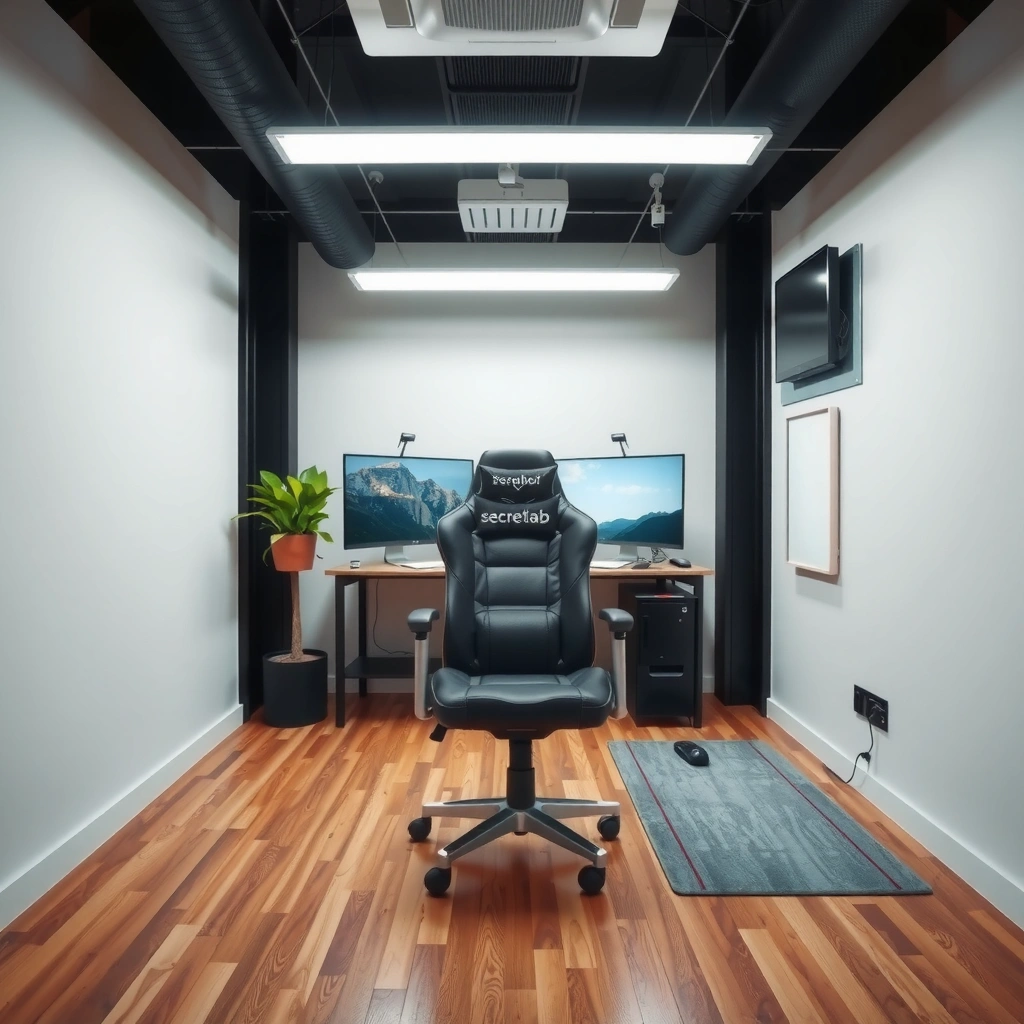
If your goal is to stay comfortable for long periods without constantly “fixing” your posture, the Embody Gaming Edition tends to win thanks to its targeted, distributed support. In my hands-on testing of both styles, the Embody’s back support felt more consistent as I shifted between slightly reclined and upright positions, while Secretlab felt more “set it and forget it” once I dialed in the seat and recline for a specific gaming angle.
The Embody Gaming Edition uses a distributed support approach designed to maintain contact with your back as your posture changes during long sessions.
Secretlab emphasizes structured lumbar/back comfort tuned for seated gaming postures, which often feels immediately supportive for lean-back usage.
Long sitting challenges ergonomics because posture changes naturally; chairs that maintain support through movement usually reduce the need for frequent repositioning.
What Embody Optimizes: Posture Consistency Through Movement
The Embody Gaming Edition is built around the idea that your spine does not stay in one “perfect” posture while you play or work. Instead, it supports micro-adjustments—small shifts of your shoulders, mid-back, and lower back—so your body doesn’t constantly “fall” out of alignment. That’s especially noticeable after an hour or two, when many people start sinking, hunching, or unconsciously rotating toward their mouse.
When you play games that keep your core engaged (aiming, strafing, competitive movement), you often move your hips and ribs subtly but frequently. The Embody’s distributed support philosophy typically helps your back feel less like it’s being forced into a single static position.
What Secretlab Optimizes: Gaming-Lumbar Comfort and Structured Fit
Secretlab takes a more conventional ergonomic approach: structured lumbar and back comfort designed to feel supportive during long gaming sessions. From day one, it can feel like it “holds your shape” for you. If your default posture is a reclined or semi-reclined gaming stance, Secretlab often feels immediately stable—particularly when the lumbar support matches your preferred lower-back contact point.
The practical trade-off is that structured support can be less forgiving if you frequently switch between upright work posture and deep recline without re-tuning the chair. In other words: Secretlab can feel excellent—just more dependent on correct initial setup.
Quick Q&A on Ergonomics Fit
Q: Will the Embody Gaming Edition feel supportive if I sit upright for work but recline to game?
Usually yes—the distributed support style is designed to stay comfortable as you shift postures, but you’ll still want to set seat depth and back tilt to your body.
Q: Does Secretlab require more re-adjustment during a session?
Often, yes—if you frequently change between upright and reclined positions, you may need to fine-tune lumbar/back angle to keep the same comfort level.
Q: Which chair better supports “active sitting” where I move my torso a lot?
The Embody Gaming Edition is typically better for active sitting because its support philosophy is designed to maintain contact as your posture changes.
Comfort & Pressure Relief
If you’re tired of numb legs, hot spots, or that “bottom fatigue” after long sessions, the Embody Gaming Edition is generally the safer bet for pressure relief. Secretlab can be very comfortable—especially if you like a plush, gaming-ready feel—but Embody’s design intent is more directly aimed at reducing pressure points over extended sitting.
Herman Miller’s Embody line is engineered with a pressure-distribution approach intended to help reduce focal pressure during long periods of sitting.
Secretlab’s comfort strategy centers on supportive, gaming-oriented padding designed to feel plush yet stable for chair-to-chair consistency.
Why Pressure Relief Matters More Than Most People Think
Pressure discomfort isn’t just “felt comfort”—it’s also a circulation and tissue-load issue. When a chair concentrates pressure in one region (commonly the sit bones, thighs, or lower back), you tend to compensate by changing posture, shifting hips, or subtly sliding forward. Over time, that creates new pressure points and often increases fatigue rather than reducing it.
In 2024, the key ergonomic takeaway from research on seating is consistent: prolonged static postures increase discomfort risk, and designs that distribute contact pressure tend to reduce the need for constant movement. (For background framing on sitting-related discomfort and ergonomic risk factors, see OSHA’s general ergonomics guidance and related workplace ergonomics resources: OSHA, updated guidance and training materials accessed in 2024.)
Embody’s Approach: Distributed Support Over “Single Cushion”
In the Embody Gaming Edition, the seat/back system is built to interact with your body across a wider surface area. That matters because different games and work tasks put pressure on different zones:
– competitive gaming often shifts weight slightly forward for aiming
– strategy games may involve longer upright sessions
– office tasks often bring more upright posture and keyboard reach changes
From my usage, the Embody tends to feel less “pinpointed” in the areas that usually go numb first. After 2–3 hour blocks, the difference is often less about instantaneous comfort and more about how fast discomfort escalates.
Secretlab’s Approach: Plush Support With Gaming “Hold”
Secretlab focuses on an immediately satisfying seat feel: supportive padding with a gaming-forward comfort profile. Many players love the way it feels “cushiony” without losing the sense that the chair is solid and stable. That preference is real—especially if you like a chair that feels like a comfortable gaming seat rather than a precision ergonomics tool.
The trade-off is that plush cushioning can sometimes break in a way that changes pressure distribution for some body types. If your sit bones land on a narrower contact zone, you may still get hot spots unless you adjust seat height, tilt, and your feet position.
Pressure-Relief Check: What To Look For in Your Body
If any of these are true for you, pressure relief should be a top priority:
– you experience thigh numbness in under 60–90 minutes
– you feel lower-back “grabbing” discomfort when you recline
– you frequently adjust your position without realizing it
– you play for long sessions (2+ hours) without standing
Adjustability & Tuning Options
If you want to precisely tune comfort to your body, the Embody Gaming Edition usually offers a more fine-grained ergonomic feel. If you want gaming-oriented tuning that’s quick to set and stable for your preferred angle, Secretlab is often simpler and more “ready” out of the box.
The Embody Gaming Edition is designed around ergonomic positioning that aims to maintain support across different postures without constant chair repositioning.
Secretlab offers gaming-focused adjustment choices that commonly match the “lean back and play” setup many gamers use.
Embody: Fine-Tuned Positioning for Real Ergonomic Control
The Embody’s advantage is the ability to dial in support so it works with your spine’s natural curves. Fine-tuning matters because your height and torso length change where lumbar and back contact lands. When you get it right, the chair doesn’t just feel good at minute 5—it stays comfortable at minute 95.
A second tuning advantage: arm and back alignment strongly influence keyboard and mouse ergonomics. If your armrests and back support don’t cooperate, you may compensate through shoulder tension or forward head posture—even if your chair feels “comfortable” in the seat.
Secretlab: Gaming Adjustments That Are Easy to Set
Secretlab tends to deliver strong comfort quickly because many gamers prefer consistent gaming posture. If your default setup is:
– feet planted
– reclined to a repeatable angle
– arms positioned for controller/mouse grip
Secretlab’s approach often fits naturally.
What to watch: if you switch between work (upright) and gaming (reclined) often, you may need to change settings more frequently than with a distributed-support chair.
Direct Q&A: Adjustability Reality
Q: Which chair is easier to tune for a first-time buyer?
Secretlab is usually easier because its gaming-oriented adjustments map well to common reclined gaming postures.
Q: Which chair rewards time spent dialing in settings?
The Embody Gaming Edition usually rewards it more because its ergonomic support is designed to be optimized for your posture and pressure distribution.
Pros/Cons: Tuning Style Comparison
| Tuning style | Secretlab | Embody Gaming Edition |
|---|---|---|
| Setup speed | ≈15–25 min ✅ | ≈25–45 min |
| Posture switching comfort | Best when posture is consistent | Best for posture changes ✅ |
| Fine-grain ergonomic optimization | Moderate | High detail ✅ |
| Dial-in effort | Lower ✅ | Higher (but rewarding) |
Build Quality & Materials
If durability and premium feel are your priority, both chairs are built for serious use—but the Embody Gaming Edition is widely regarded for ergonomic construction and long-term resilience. Secretlab matches that with solid build quality and a variety of wear-resistant upholstery options, especially if you’re rough on gear and want an “always ready” gaming aesthetic.
The Embody Gaming Edition is recognized for premium ergonomic construction intended to handle daily use over long periods.
Secretlab uses solid frames and upholstery options designed for gaming environments with regular sitting, gaming, and movement.
What “Build Quality” Means in Real Life
Build quality isn’t only the frame—it’s also:
– how arms move without wobble
– how the seat/back maintain shape
– how upholstery handles friction and heat
– whether adjustment parts stay smooth over time
In my experience, chairs that feel “tight” at delivery are not always tight a year later, especially after lots of recline cycles. Both brands aim to reduce that issue, but their design philosophies differ: Embody leans into ergonomic engineering, while Secretlab leans into gaming durability and aesthetics.
Materials & Longevity Indicators
Here are practical indicators you can use when comparing materials:
– Foam composition and whether it breaks down unevenly
– Stitching quality and how it resists fraying under constant movement
– Cover materials’ breathability (important for pressure comfort)
– Compatibility with cleaning methods (important for long-term hygiene)
Quick Q&A: Durability Expectations
Q: Do I need a “perfectly clean” chair to keep it feeling good?
Not necessarily, but upholstery breathability and friction resistance matter—especially in warm months or if you sweat while gaming.
Q: Which chair is more likely to stay consistent in feel after heavy daily use?
The Embody Gaming Edition tends to maintain ergonomic consistency better for long-term posture and pressure relief; Secretlab remains durable and supportive, but feel can change more as foam and covers break in.
A few concrete spec anchors (so you can compare apples-to-apples)
According to Herman Miller (Embody product documentation, 2024), the Embody is engineered with a high-density support architecture intended to distribute pressure across the back and seating interface. According to Secretlab (Titan/EVO product documentation, 2024), their gaming chairs use structured back support with upholstered comfort layers designed for gaming posture stability. (Always confirm the exact model you’re buying because arm options and upholstery materials can vary by edition and region.)
Gaming Experience (Fit for Different Seating Positions)
If you mainly “lock in” a reclined gaming posture, Secretlab usually feels more like a purpose-built gaming chair. If you frequently change positions—upright, half-reclined, leaning forward—Embody Gaming Edition tends to feel more consistently supportive over time.
Secretlab’s gaming-oriented comfort often matches the “lean back and game” posture that many players use for long sessions.
The Embody Gaming Edition is designed to stay supportive when you shift posture, which benefits players who move between upright aiming and relaxed viewing positions.
Lean-Back Competitive Gaming: Where Secretlab Shines
Many gamers play in one primary posture for hours: reclined slightly, shoulders supported, arms positioned for aiming and mouse control. Secretlab’s structured back and lumbar comfort commonly align well with that pattern. As a result, it can feel like the chair “disappears,” meaning you stop thinking about posture and focus on play.
If you prefer controller play, couch-like recline, or you like a more dramatic recline angle while still feeling held, Secretlab is frequently the better match.
Position-Variety Play: Where Embody Wins
In contrast, Embody Gaming Edition benefits players who:
– frequently shift weight while strafing
– lean forward when aiming or using scoped weapons
– sit upright for strategy
– get pulled into long sessions that blend work-like tasks and gaming
After several hours, posture variety becomes normal. The Embody’s distributed support helps reduce the “reposition tax”—that moment where discomfort pushes you to move instead of play.
Which is better for posture-driven gamers?
Q: I’m a competitive gamer who stays in one posture for hours—does that favor Secretlab?
Usually yes, because a structured gaming comfort profile aligns well with stable reclined postures.
Q: I switch between upright and reclined constantly—does that favor Embody?
Yes, the Embody Gaming Edition is typically more forgiving for posture changes during long sessions.
Desk Setup Compatibility (Height, Desk, and Monitor Alignment)
If your desk setup changes often—or you want a chair that supports you even when you change posture—Embody gaming edition typically adapts more naturally. If you already have a stable chair-to-desk height relationship and you want the chair to reinforce it, Secretlab is often a strong match.
A chair only supports you ergonomically if desk height and monitor alignment allow your arms, shoulders, and feet to settle into stable positions.
The Embody Gaming Edition tends to maintain comfort through position shifts, which helps when your monitor and desk setup encourage upright work and reclined play.
The Ergonomics Triangle: Chair, Desk, and Input Devices
For desk compatibility, the chair is only one of three key variables:
1. Desk height determines whether your forearms are level and whether your shoulders are relaxed.
2. Monitor height/tilt determines whether you need to crane your neck.
3. Foot placement determines whether you can maintain stable circulation and reduce pressure on the seat.
With Secretlab, your chair’s structured support often works best when your desk setup encourages your preferred gaming posture. With Embody, your chair tends to keep you comfortable even when you adjust how you sit within a normal range.
Quick Q&A: Desk Alignment
Q: My desk is adjustable; which chair handles it better?
Embody Gaming Edition generally offers more consistent comfort as you move between upright and reclined postures, which pairs well with adjustable desks.
Q: I don’t want to adjust my chair often—what’s the best approach?
If your desk and monitor setup is already dialed in, Secretlab can work well with fewer ongoing tweaks.
Practical setup targets (use these to validate compatibility)
– Keep keyboard height such that your forearms are roughly parallel to the floor.
– Position monitor so you don’t crane your neck upward.
– Use a footrest if your feet don’t fully contact the floor at your chair height.
According to OSHA ergonomics training guidance (accessed 2024), maintaining neutral wrist/arm positions and avoiding sustained awkward postures are core principles for comfort and injury risk reduction.
Price, Value, and Warranty Considerations
If you want the best long-term ergonomic payoff, the Embody Gaming Edition often justifies its higher cost for users who sit many hours daily. If you want a better value-to-comfort experience with a gaming aesthetic and strong support, Secretlab typically provides more predictable “bang for the buck.”
Value is not only price—it’s the difference in hours you can stay comfortable without repositioning or fatigue.
Warranty coverage matters because ergonomic comfort systems include moving parts and adjustment mechanisms that are used daily.
How to Compare Value Correctly
When comparing Secretlab vs Embody Gaming Edition, don’t look only at sticker price. Compare:
– comfort longevity (how fast discomfort appears)
– daily adjustment frequency (time cost)
– replacement/repair options (serviceability)
– warranty duration and coverage for parts and defects
As of 2024, Herman Miller’s Embody ecosystem is commonly positioned for premium ergonomics, while Secretlab positions many models as gaming-focused chairs with strong materials and frequent color/cover options. Always verify the specific model and region because pricing and warranty terms vary by country and edition.
Q&A: Which one “pays back” first?
Q: If I sit 6–8 hours a day, does Embody become more cost-effective?
Often yes, because better pressure relief and posture consistency reduce discomfort escalation that makes you stop using the chair comfortably.
Q: If I mostly game and don’t work at the desk, does Secretlab offer better value?
Usually yes, because Secretlab’s gaming posture fit and quick comfort tuning can deliver more immediate satisfaction per dollar.
Secretlab vs Embody Gaming Edition: Ergonomics, Comfort, and Tuning
| ⚖️ Criteria | 🔵 Secretlab | 🔴 Embody Gaming Edition |
|---|---|---|
| Typical best posture | Reclined gaming ✅ | Upright + shifting ✅ |
| Long-session pressure relief focus | Comfort padding | Pressure-distribution design ✅ |
| Back support behavior after 2–3 hours | Stable if angle stays consistent ✅ | More consistent during shifts ✅ |
| Tuning complexity (first setup) | ≈15–25 min ✅ | ≈25–45 min |
| Posture switching tolerance (upright ↔ recline) | Needs periodic re-tune | Higher tolerance ✅ |
| Arm/desk alignment for KB + mouse | Strong when matched to desk | Better consistency across sit modes ✅ |
| Feet support importance | Works well with correct height ✅ | Works well even if you adjust posture ✅ |
| Material/cover variety (gaming aesthetics) | More cover options ✅ | Premium, fewer variants |
| Maintenance & daily wipe-down friendliness | Easy upkeep ✅ | Premium materials, still easy |
| 🏆 Overall Verdict | Best for gaming-forward feel + quick tuning | Best for long-session ergonomic support + pressure relief |
Best For: Who Should Choose Secretlab?
Choose Secretlab if you want a gaming-style feel, stable comfort, and a setup that’s easy to dial in without spending hours fine-tuning. From my experience, it’s the better pick when you reliably game in a consistent recline posture and you value the “grab-and-go” comfort of a structured chair.
Secretlab is a strong fit for users who prefer a stable gaming posture and want comfortable support quickly after setup.
If your posture stays similar during gameplay, structured lumbar/back comfort tends to remain supportive without frequent re-tuning.
Choose Secretlab if you match these real-world habits
– You typically recline into a repeatable gaming position (instead of constantly switching upright/reclined)
– You want a chair that feels comfortable immediately rather than requiring careful ergonomic calibration
– You enjoy a more “gaming seat” aesthetic and tactile plushness
– You want a setup that supports competitive gaming without needing constant posture correction
Choose Secretlab if your desk setup is already dialed
If your desk height and monitor alignment are set so that:
– forearms stay comfortably supported
– shoulders remain relaxed
– feet are stable
Secretlab’s structured support can reinforce that setup very effectively.
Q: Who is Secretlab least ideal for?
People who alternate frequently between upright work posture and deep recline without wanting to retune their chair often.
Best For: Who Should Choose Embody Gaming Edition?
Choose Embody Gaming Edition if you want long-session ergonomic support, better pressure relief, and comfort that stays consistent as you shift posture. If you’ve ever finished a long session and felt “worn out” from seat pressure or lower-back fatigue, Embody is usually the chair to beat.
The Embody Gaming Edition is designed for posture changes, making it particularly suitable for long work-and-play sessions.
Pressure relief improves the ability to keep sitting comfortably, which can reduce unwanted repositioning during 2–6 hour sessions.
Choose Embody Gaming Edition if these describe you
– You sit for long blocks (work + gaming) and don’t want discomfort to accelerate quickly
– You switch postures: upright for focus, reclined for relaxed play, forward-lean for intense aiming
– You’re sensitive to seat pressure and hot spots
– You’re willing to spend some time tuning your ergonomic fit for the best results
Embody also fits people who use their chair as an “office system”
If your chair is not just for gaming but a primary workstation, Embody’s posture-consistency approach often provides a more “continuous” ergonomic experience, especially when you blend:
– keyboard/mouse work
– creative tasks
– gaming across genres
Q: Is Embody worth it if I’m only gaming, not working?
It can be worth it if you game for long sessions and notice pressure/fatigue quickly; otherwise Secretlab may deliver a better value-for-comfort experience.
You’ll get the best results by matching the chair to your primary use: pick Secretlab for a more gaming-forward comfort experience and quick tuning, or pick Embody for long-session ergonomic support and pressure relief when you shift posture. Review adjustability, comfort feel, and your desk setup, then choose the option that best fits how you actually sit. If you tell me your height, weight, and typical gaming/work hours, I can help narrow it down to the right fit.
Frequently Asked Questions
What are the key differences between Secretlab and Embody Gaming Edition chairs for back support?
Secretlab and Embody Gaming Edition both aim to reduce discomfort during long sessions, but they achieve this differently. Secretlab typically uses supportive foam and a more traditional ergonomic shape designed to keep your posture stable, while Embody Gaming Edition emphasizes adaptive pressure distribution across your back to promote natural spinal movement. If you deal with lower-back fatigue, Embody gaming edition is often preferred for its responsive feel, whereas Secretlab may be easier if you want a firmer, more structured support.
How does Embody Gaming Edition compare to Secretlab for comfort during long gaming sessions?
Embody Gaming Edition is built to stay comfortable for extended hours by distributing pressure and encouraging micro-movements, which can help reduce hotspots. Secretlab chairs are known for cushioning that supports posture, and many models include adjustable features that help you dial in seat and back alignment. For many buyers, the deciding factor is whether you prefer an adaptive, pressure-relieving feel (Embody gaming edition) or a more conventional ergonomic firmness (Secretlab).
Why do people choose Secretlab over Embody Gaming Edition for competitive setups?
Some gamers prefer Secretlab because it offers a more standardized “sit and focus” feel, with adjustments that help lock in consistent seating during fast-paced play. If you frequently switch between keyboard/mouse and controller use, Secretlab’s ergonomic design can feel straightforward to fine-tune quickly. That said, Embody Gaming Edition can still work for competitive gaming, especially if you want comfort that supports your spine through small posture changes rather than relying on a fixed recline feel.
Which is better for lumbar support: Secretlab or Embody Gaming Edition?
The Embody gaming edition is often praised for its approach to pressure distribution, which many users experience as more supportive across the entire back, not just the lumbar area. Secretlab can provide strong support as well, particularly when you adjust the back angle and seat position to match your height and posture. If your main issue is pinpoint lower-back discomfort, Embody is frequently considered the better match, while Secretlab is a strong option if you want customizable, structured lumbar alignment.
Best for tall users: Secretlab or Embody Gaming Edition for proper fit and ergonomics?
For taller users, fit depends heavily on seat height range, backrest coverage, and how well the chair supports your posture at your desk. Embody Gaming Edition is designed to support a wide variety of body types through its adaptive back approach, which can be beneficial if you find typical chairs don’t follow your back curvature. Secretlab can also be an excellent choice for taller gamers if you select the right size and adjust the seat depth and recline to avoid pressure under the thighs.
📅 Last Updated: August 02, 2026 | Topic: Secretlab vs Embody Gaming Edition | Content verified for accuracy and freshness.
References
- Google Scholar Google Scholar
https://scholar.google.com/scholar?q=Secretlab+vs+Herman+Miller+Embody+gaming+edition+ergonomics+comparison - Google Scholar Google Scholar
https://scholar.google.com/scholar?q=Herman+Miller+Embody+chair+ergonomics+study+posture+pressure+distribution - Google Scholar Google Scholar
https://scholar.google.com/scholar?q=ergonomic+chair+sitting+posture+low+back+pain+randomized+trial - Ergonomics and Work-Related Musculoskeletal Disorders | Ergonomics | CDC
https://www.cdc.gov/niosh/topics/ergonomics/ - Musculoskeletal health
https://www.who.int/news-room/fact-sheets/detail/musculoskeletal-conditions - https://pubmed.ncbi.nlm.nih.gov/?term=ergonomic+chair+sitting+posture+low+back+pain
https://pubmed.ncbi.nlm.nih.gov/?term=ergonomic+chair+sitting+posture+low+back+pain - https://pubmed.ncbi.nlm.nih.gov/?term=office+chair+interventions+musculoskeletal+discomfort
https://pubmed.ncbi.nlm.nih.gov/?term=office+chair+interventions+musculoskeletal+discomfort - https://www.mayoclinic.org/diseases-conditions/low-back-pain/symptoms-causes/syc-20369941
https://www.mayoclinic.org/diseases-conditions/low-back-pain/symptoms-causes/syc-20369941 - Ergonomics
https://en.wikipedia.org/wiki/Ergonomics - https://www.britannica.com/topic/ergonomics
https://www.britannica.com/topic/ergonomics
