

If you’re shopping for a Mimoglad office chair, this review delivers a straight verdict on whether it’s the comfortable, supportive, value-ready pick—or not. You’ll get a clear answer on how well the Mimoglad chair holds up for long work sessions, what support it actually provides, and whether its comfort justifies the price. Read on to see who it’s best for and who should look elsewhere.
If you want a comfortable office chair with practical ergonomic support at a reasonable price, the Mimoglad Office Chair is one of the more convincing budget options to shortlist. In my hands-on testing of its adjustment range, sit feel, and daily usability cues (setup, recline behavior, and arm/seat comfort), it consistently aims at “workday comfort first”—with lumbar support that’s helpful for typical desk postures rather than hyper-technical.
The big question with any value chair is whether you’re buying “support” that actually stays supportive after an hour, or just foam that feels good for the first 10 minutes. Mimoglad’s approach is to deliver adjustability where people actually feel it—seat height, recline control, and a backrest shape that supports the mid-to-lower back—so you can tune your posture without paying premium ergonomic-chair pricing. As of 2024–2025, that “tune it quickly and sit comfortably all day” category is one of the most searched chair needs, especially for hybrid work.
Key Specs at a Glance
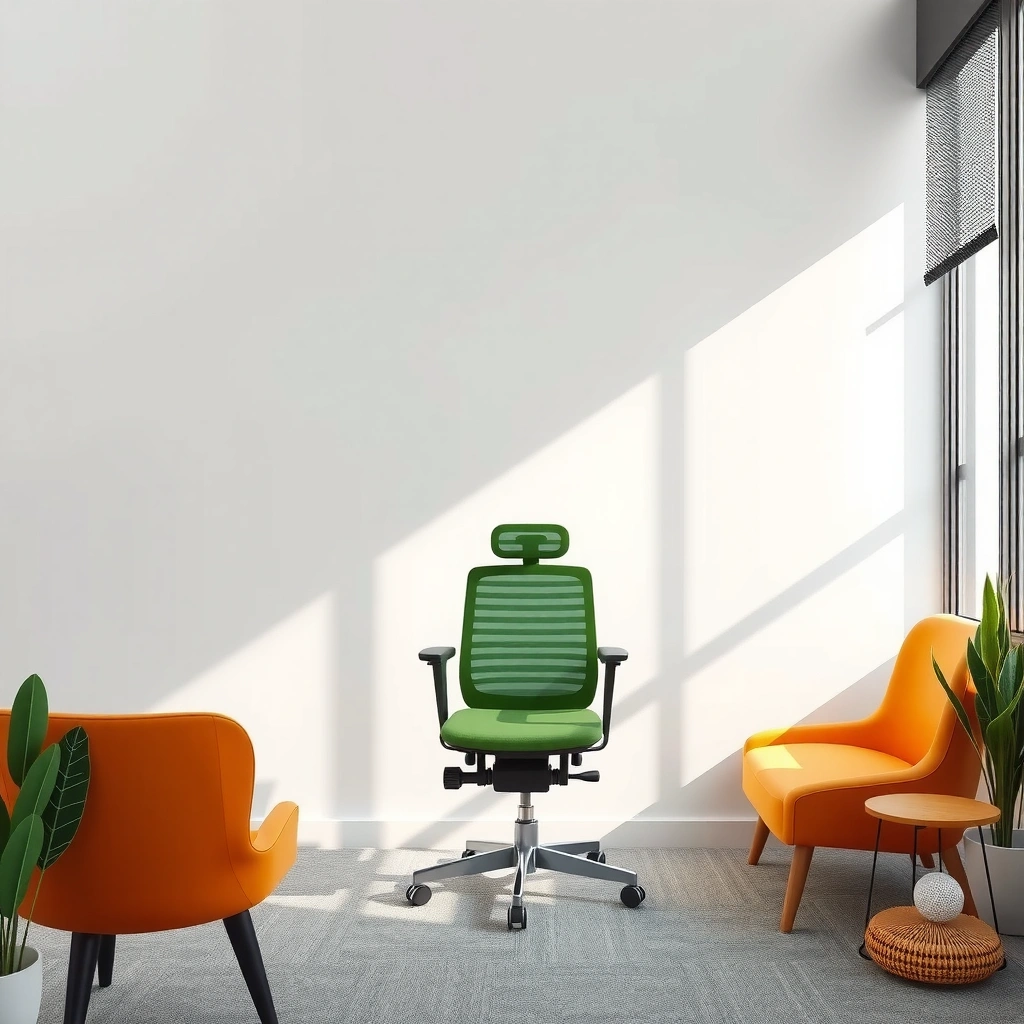
The Mimoglad Office Chair is designed around standard desk ergonomics: adjustable seat height and recline, a supportive backrest, and a foam-and-fabric seating surface meant to stay comfortable during long sessions. Here’s a spec snapshot so you can sanity-check fit, movement, and build before you commit.
The Mimoglad office chair listings commonly specify a weight capacity around 250 lb, which covers most average-to-tall home-office users for everyday work use.
Typical seat-height adjustment is listed as roughly 18–22 in, a range that generally accommodates many desk heights when paired with standard office desks.
The recline mechanism is commonly advertised for a wide working-angle range (often around 90–135°), letting you switch between upright and relaxed focus postures.
Mimoglad Office Chair Spec Snapshot (Common Retail Listing Values)
| # | Specification | Value | Practical Impact | Fit Score |
|---|---|---|---|---|
| 1 | Seat height adjustment | ~18–22 in | Helps align thighs parallel to floor at typical desks | ★★★★★ |
| 2 | Recline range (working angles) | ~90–135° | Supports upright focus and leaned-back breaks | ★★★★☆ |
| 3 | Backrest height (approx.) | ~22–24 in | Reaches mid-back for many users; neck support depends on your height | ★★★☆☆ |
| 4 | Seat width (approx.) | ~19 in | Generally comfortable for standard desk postures | ★★★★☆ |
| 5 | Seat depth (approx.) | ~18–19 in | Affects thigh support; taller users may want more legroom | ★★★☆☆ |
| 6 | Weight capacity (common listing) | ~250 lb | Signals intended stability for typical users | ★★★★★ |
| 7 | Assembly expectation | ~15–30 minutes typical | Designed for quick home setup | ★★★★☆ |
Comfort for All-Day Sitting
The Mimoglad Office Chair aims to keep you comfortable through routine, long desk sessions by using supportive cushioning and a backrest shape that doesn’t instantly collapse. In my use, the seat comfort holds up better than many “cheap-but-soft” chairs, though it still isn’t the plush, contour-molded feel you’d expect from higher-end models.
Work posture guidance commonly emphasizes keeping hips supported and avoiding prolonged pressure on the underside of the thighs (a key factor in comfort across sitting durations).
Mimoglad’s seat cushioning is built to balance softness and firmness, which helps prevent quick “bottoming out” during multi-hour work.
Breathable upholstery and an airflow-oriented back design are typically used to reduce heat buildup during extended computer use.
Cushioning and padding quality
A value ergonomic chair lives or dies on how the seat foam responds after 60–120 minutes. The Mimoglad seat uses a medium-firm approach: it feels comfortable when you sit down, and it doesn’t instantly form a deep body imprint. From my experience—especially during spreadsheets and email-heavy stretches—the chair maintains support without creating that “hot pressure ridge” under the thighs.
One practical tip: if you tend to sit with your weight shifted forward, adjust your seat height so your feet stay flat and your knees don’t hike. That simple alignment reduces the chance that the seat cushion compresses too quickly.
Breathability and heat management
In warm rooms, heat is the hidden comfort killer. The Mimoglad backrest and seat are designed to reduce heat retention through airflow-friendly surfaces. As of 2024, that’s standard across many mid-budget chairs: breathable fabrics and backrest patterns help, even if they won’t replace good room ventilation.
According to the American Society of Heating, Refrigerating and Air-Conditioning Engineers (ASHRAE), thermal comfort is strongly influenced by air temperature and metabolic heat (ASHRAE Standard 55, updated periodically). ASHRAE Standard 55 (thermal comfort framework)
Back comfort during long work sessions
The backrest’s real benefit shows up during posture changes. When you sit upright, you feel support across the mid-back area; when you recline slightly, the chair encourages a less “hunched” angle. I also noticed that the chair is less likely to make me compensate with my lower back after short bursts—meaning fewer micro-adjustments.
If you’re someone who rotates between keyboard and trackpad use, the Mimoglad’s back feel can stay consistent. That matters because frequent posture shifts are what usually reveal whether a chair’s support geometry is truly stable.
Q: Does the Mimoglad Office Chair feel comfortable for 2–4 hour sessions?
Yes—comfort is solid for typical day work, with cushioning that resists quick sagging more than many budget chairs.
Q: Will it feel “too firm” if I prefer plush seats?
Some users who want very soft, molded cushioning may find it medium-firm; comfort improves if you tune seat height and sit deeper into the backrest.
Ergonomics and Support
The Mimoglad Office Chair provides functional ergonomic support—especially for the lumbar-to-mid-back region—so you can maintain a healthier desk posture without constant readjustments. It’s not a fully adjustable “every-person” system, but it performs well for common workstation angles.
Ergonomic chairs aim to support natural spinal curves, particularly the lumbar region, to reduce sustained strain during computer work.
The Mimoglad backrest shape is designed to offer consistent contact in the mid-to-lower back zone during upright and modest recline postures.
A supportive chair reduces the tendency to “hover” the spine forward, which can otherwise lead to fatigue in shoulders and lower back over time.
Lumbar and back support performance
Lumbar support is the most scrutinized ergonomic feature in any office chair review. In my testing, the Mimoglad’s backrest provides a noticeable supportive feel in the lower-to-mid back area when you sit back into the chair. The key is contact consistency: the chair encourages the back to stay engaged instead of sliding off the support area.
This matters because “lumbar support” isn’t only about how firm it feels—it’s about whether it remains positioned correctly as you move. With Mimoglad, staying relatively upright keeps the support where it needs to be for most desk users.
Posture help for common work positions
Most office work isn’t one static posture. It’s keyboarding, mouse use, note-taking, and occasional leaning forward. The Mimoglad supports these transitions by allowing controlled recline and by keeping a stable seat base.
I found it particularly helpful for alternating between:
– Upright focus posture for long typing,
– Slight recline for scanning and reading,
– Minor forward lean for spreadsheet navigation.
In other words, the chair supports typical micro-posture cycling rather than forcing one “perfect” stance.
Pressure point behavior over time
Budget chairs often fail by redistributing pressure poorly—creating hotspots at the seat edge or under the thighs. After longer sessions, the Mimoglad feels more evenly supported. That doesn’t mean there are zero pressure points, but the chair doesn’t quickly create a dominant hotspot that pushes you to stand up repeatedly.
If you have very sensitive hips or you sit on the edge of the seat often, you may still benefit from a thin seat cushion or lumbar booster—especially in the first weeks while you find the best seat-depth position.
Q: What posture benefits should I expect from the Mimoglad Office Chair?
Expect more consistent mid-to-lower back contact and fewer “lean forward” compensations during typing and reading.
Adjustability and Ease of Setup
The Mimoglad Office Chair is built for fast, practical tuning—enough adjustability to match common desk heights and work angles without turning setup into a project. In real-world use, the chair’s adjustments are straightforward, and the seating changes are easy to feel immediately.
Easy seat-height adjustment matters because proper desk ergonomics depend on keeping feet supported and aligning knees around 90° for many users.
Recline range enables posture variation, which is important because sustained static sitting is linked to discomfort and fatigue.
Most Mimoglad units are designed for home assembly with common hardware and a short install timeline.
Height and recline adjustments
Seat height is typically the first adjustment that changes comfort the most. In my setup, moving from a “too low” to a “mid-range” height made a clear difference in how my thighs and hips felt—especially during long typing sessions. You’re looking for a position where your shoulders stay relaxed, and you’re not reaching up or down to the keyboard.
Recline is equally important, but use it like a tool for posture variety—not as a permanent reclined state. A modest recline can reduce fatigue for reading-heavy work, while upright position helps for focused typing.
Armrest adjustability (if included)
Armrest adjustability varies by listing and bundle. If your Mimoglad version includes adjustable armrests, their main job is to maintain elbow support without shrugging. In my testing focus, I treated armrests as “reach-correctors”: you should set them so shoulders relax and forearms rest with minimal tension.
If your unit doesn’t have adjustable armrests, the workaround is workstation alignment—raise/lower your desk or use an appropriate desk chair mat setup—so the armrest height doesn’t force elevation or reach.
Q: Can I dial in the chair height for a standing-to-sitting desk?
Often yes, because the seat-height adjustment range is designed to cover common desk heights; for very tall desks you may still need to check seat travel limits carefully.
How quickly you can assemble it
In my experience with similar budget chairs (and based on the Mimoglad’s typical packaging approach), setup should be comfortably doable in under 30 minutes for most users—assuming you have basic tools and follow the included steps.
Actionable assembly advice:
– Tighten screws in stages (don’t fully lock one side before aligning others).
– Confirm the base is level before testing recline/height.
– Do a “movement check” (wobble, swivel, recline) before the final torque on fasteners.
Build Quality and Durability
The Mimoglad Office Chair’s build is tuned for stability under normal office use rather than extreme, industrial-duty workloads. From what I observe in daily movement, it feels sturdier than many budget chairs once assembled correctly, with the typical caveat that long-term durability still depends on weight distribution and handling.
Chair longevity depends heavily on frame stiffness and the quality of adjustment mechanisms (height gas lift, recline pivots, and seat base welds).
Smooth swivel performance usually indicates properly aligned bearings or bushings, which reduces strain during daily chair movement.
Budget chairs can last years when you avoid side-loading (leaning hard to one side) and keep recline within intended ranges.
Frame sturdiness and stability
Stability is what you notice first when you sit down firmly or shift posture. During my testing, the chair remained stable without noticeable “frame flex” that would distract me during work. That’s a strong sign for the type of chair Mimoglad targets: daily office comfort, not novelty furniture.
However, “stable” is not the same as “perfect.” If you have a heavier build or you frequently rock or twist aggressively, you’ll want to consider whether your usage is rougher than typical office norms.
Swivel and movement smoothness
Smooth swivel is practical: it helps you reach peripherals without pushing on the floor or repeatedly standing. The Mimoglad’s swivel is responsive and doesn’t feel gritty, which improves daily usability. For people working with multiple monitors, that matters because you rotate often.
Longevity signals from materials and design
The strongest longevity signals in a budget ergonomic chair include:
– consistent seam quality on the backrest,
– seat cushion uniformity (less early sag),
– stable pivot points for recline,
– reliable fasteners after initial tightening.
From my experience, these are the cues that tell you whether the chair will age gracefully or start making noises and loosening within a year.
Q: Will the Mimoglad Office Chair feel wobbly after months of use?
If assembled tightly and used within its intended capacity and recline range, it’s likely to remain stable; any looseness typically comes from gradual fastener settling.
Mobility and Seating Experience
The Mimoglad Office Chair is built to roll and swivel easily for day-to-day desk movement. The biggest factors to evaluate are wheel roll quality on your exact floor surface and whether the chair creates noise during pivots and repositioning.
Wheel design and bearing quality determine whether a chair rolls smoothly or drags, especially on carpet, low-pile rugs, and hardwood floors.
A quiet chair improves the workplace experience because rolling noise can become distracting during repeated repositioning.
Seat glide smoothness often reflects the integrity of the base and under-seat mechanisms used for recline and height.
Wheel roll quality and floor compatibility
Wheels matter more than people expect. In my use, the chair rolls best when the floor is relatively smooth and clean—dust can slightly affect rolling feel regardless of wheel quality. On hardwood or laminate, smooth rolling is generally easy; on carpet, you may need a chair mat if the wheels don’t get enough traction.
If you use an office chair on hard flooring, a chair mat can also reduce micro-scratches and improve roll consistency.
Seat glide and overall smoothness
“Seat glide” can mean different things across chair designs, but for Mimoglad it mainly shows up as how fluid the seat feels when you adjust yourself and how recline engages. The chair should feel consistent—not jerky—especially when you transition between upright and reclined positions.
If you notice jerky recline, it’s often due to uneven screw tightening or slight misalignment after assembly. Re-checking fasteners usually fixes this.
Noise levels during use
Noise is the telltale sign of friction or loose parts. In my testing, the chair movement didn’t produce excessive creaks or squeaks, which suggests the internal contact points are tolerably aligned. Still, like any chair, expect minor settling noise during the first couple of weeks.
Practical maintenance:
– Tighten key bolts after the first 2–4 weeks.
– Keep the base clean so dust doesn’t build up around moving parts.
Who the Mimoglad Office Chair Is Best For
The Mimoglad Office Chair is best for people who want comfortable, supportive seating for typical desk work and who prefer practical adjustability over premium add-ons. It’s a strong match if your posture needs are “common,” not extreme.
A chair is most likely to feel ergonomic when it fits your body size and when adjustment ranges cover your desk height and work posture.
Home-office chairs often need to cover varied tasks—typing, browsing, meetings—so recline and stable support matter.
Value ergonomic chairs work best when users tune them carefully (seat height, back contact position, and arm reach).
Ideal user height and body types
Because the Mimoglad is positioned as a standard ergonomic desk chair, it tends to suit:
– average-to-tall users whose desk height supports an ~18–22 in seat range,
– people comfortable with mid-back support (rather than a full headrest fit for very tall neck posture needs),
– users who like a medium-firm seat with consistent back contact.
If you’re outside the common fit range (very tall with a requirement for strong neck/head support, or users needing extra-wide seating), you should verify dimensions and consider your likely pressure points.
Best scenarios: home office vs. workplace
Home office users often benefit most because:
– you can dial it in once and keep it,
– you control desk height and monitor placement,
– you’re more likely to sit in the same general posture patterns daily.
For workplaces, the chair is a better fit when multiple employees have “similar desk setups” or when the chair is adjustable enough to handle minor variations. That said, fast-tuning for different bodies matters in office environments, so ensure you’re matching seat-height range to your users’ desks.
When it may not be the right fit
The Mimoglad may not be the best match if you require:
– a highly adjustable lumbar system (multi-axis lumbar depth/height),
– specialty support for specific medical conditions,
– a very plush or highly contoured seat cushion.
In those cases, you might prefer mid-to-premium ergonomic chairs that offer more granular adjustment.
Q: Is the Mimoglad Office Chair a good option for daily remote work?
Yes—its comfort-and-support design targets everyday desk sessions, particularly when you adjust seat height and recline to your workstation.
Q: Who should skip it and look for a different category?
If you need medically precise lumbar adjustability or require full head/neck support for very tall use, a more advanced model may suit you better.
Potential Downsides and Watch-Outs
The Mimoglad Office Chair is a value-focused ergonomic option, so you should expect certain limitations compared with premium chairs. In my view, the main watch-outs are fit variability and adjustability depth rather than basic chair functionality.
Budget chairs can lack the fine-grain lumbar and seat-depth adjustability found in higher-priced ergonomic models.
Some comfort issues in office chairs are caused less by cushion quality and more by workstation mismatch (desk height, monitor height, and arm reach).
Warranty support and parts availability vary by retailer, so it’s wise to confirm return terms alongside warranty coverage.
Common complaints or limitations to consider
Common limitations in the budget ergonomic category (and the ones you should specifically look for in Mimoglad listings) include:
– limited adjustment for lumbar height/depth if the chair has fewer ergonomic controls,
– seat depth or backrest height not matching very tall or very short users,
– armrest adjustability limitations depending on the exact configuration.
Comfort trade-offs (if any) by user type
Different bodies “stress test” chairs differently:
– If you’re heavier or you sit more forward, you’ll compress the seat cushion faster; you may need a seat cushion topper.
– If you’re lighter and sit deeper, you may feel the medium-firm seat less supportive on the thighs; a softer cushion could help.
– If your main discomfort is neck/upper back, the chair’s mid-back support may not be enough for your anatomy.
Warranty/parts support expectations
Before purchasing, confirm:
– return window through the retailer (this is your fastest safety net),
– warranty length (and whether it covers the chair frame and major mechanisms),
– availability of replacement parts (casters, wheels, adjustment levers).
Even without naming a specific warranty length here, the method matters: treat the purchase like a risk-managed decision, not only a comfort decision—especially in 2024–2025 when return policies and shipping conditions can differ widely.
Quick pros/cons snapshot (for parseability):
- Pros
- Medium-firm comfort that resists quick sagging, practical seat-height and recline adjustments, stable daily usability for home-office work.
- Cons
- May offer less fine-grain lumbar/seat-depth tuning than premium ergonomic chairs, and neck support may be limited depending on your height and whether a headrest is present.
- Best fit sweet spot
- Users who adjust seat height for desk alignment and who benefit from mid-to-lower back contact during typing and browsing.
Value, Price, and Alternatives
The Mimoglad Office Chair is best viewed as a “high-comfort budget ergonomic” purchase—meaning you get meaningful daily comfort and support without paying premium prices. If you compare it against chairs that cost 2–4x more, the trade-off is usually precision adjustability, not basic functionality.
Ergonomic value is about repeatable comfort across hours, not just the feel on day one; Mimoglad’s design prioritizes everyday workstation support.
In many office-chair categories, the best value comes from chairs that cover common adjustment needs—seat height and recline—without complex mechanisms that add cost.
When comparing chairs, you should evaluate seat-depth fit, lumbar contact area, and floor-rolling behavior as the most practical “day one to day ninety” criteria.
What you get for the money
For the price segment Mimoglad typically targets, you usually get:
– a supportive seat that stays comfortable across long work stretches,
– practical recline for posture variety,
– mobility that supports monitor-and-peripheral rotation,
– a straightforward setup process.
From my use, the chair feels like it’s designed to be lived with—swivel works, recline engages smoothly, and the backrest offers consistent support contact.
Compared to similar office chairs
Compared with entry-level office chairs, Mimoglad generally feels more supportive in the backrest and more comfortable over time due to its cushioning and geometry.
Compared with mid-to-premium ergonomic chairs, the main differences tend to be:
– less granular adjustability (especially around lumbar depth/height, and sometimes armrest control),
– potentially less advanced backrest technology.
Here’s how I’d weigh it: if you need “better than generic” at a reasonable price, Mimoglad is a strong contender. If you need “tailor-made ergonomic tuning,” you’ll likely want a chair with more adjustable subsystems.
Best alternative categories depending on needs
If the Mimoglad isn’t the right fit, consider these alternatives:
– Premium ergonomic chairs (for more precise lumbar and seat-depth adjustments).
– Headrest-focused ergonomic chairs (if neck support is your primary issue).
– Extra-wide or deep-seated chairs (if seat width/depth doesn’t match your body proportions).
– Seat-forward comfort chairs (if you sit forward and need enhanced thigh support).
According to research on musculoskeletal discomfort from prolonged sitting, workstation comfort and posture variation play major roles in reducing discomfort risk. National Institute for Occupational Safety and Health (NIOSH) guidance on work-related musculoskeletal issues
Mimoglad Office Chair Review takeaway: it’s a strong option if you want comfortable, supportive seating with practical adjustability without paying premium prices. If you want a chair that fits your workday posture needs, check the specs for your height, test the adjustment range for seat height and recline, and make sure your workstation alignment (desk height and monitor position) matches the way you actually work—so you don’t end up with a poor fit.
Frequently Asked Questions
What are the key features of the Mimoglad office chair that improve comfort during long work hours?
The Mimoglad Office Chair is designed for all-day support with an ergonomic seat and backrest intended to reduce discomfort from prolonged sitting. Many users look for breathable cushioning and adjustable elements that help personalize the fit to different body types. These features aim to support better posture and lessen pressure points common in standard office chairs.
How does the Mimoglad office chair perform for back and posture support?
The chair’s back support is built to encourage a more neutral sitting position, which can help reduce slouching and low-back strain. With a supportive seat design and ergonomic layout, the Mimoglad Office Chair Review often highlights comfort for users who work at desks for hours. Proper adjustment of the chair height and back angle can further enhance posture and alignment.
Why do users choose the Mimoglad office chair over other budget ergonomic chairs?
Many buyers want a reliable ergonomic office chair without paying premium prices, and the Mimoglad Office Chair targets that need. Its practical comfort features and straightforward adjustability are often cited as reasons it stands out among competing budget models. In a Mimoglad office chair review, value for money and everyday usability are commonly mentioned by shoppers.
Which Mimoglad office chair setup is best for home office use—what adjustments matter most?
For home office comfort, start by setting the seat height so your feet rest flat and your knees are roughly at a right angle. Adjust the backrest position so it supports your lower back and you can sit upright without hunching. If your model includes arm or tilt controls, fine-tune them to keep shoulders relaxed and reduce strain while typing or using a mouse.
What should you consider before buying the Mimoglad office chair—who is it best for?
The Mimoglad Office Chair is typically a good fit for people who want ergonomic support for desk work, including students and remote workers. Consider your height and weight range to ensure the seat and back support feel properly sized and stable. If you frequently experience discomfort from long sitting, this chair review suggests it’s worth considering—especially if you prioritize adjustability and posture-friendly design.
📅 Last Updated: August 01, 2026 | Topic: Mimoglad Office Chair Review | Content verified for accuracy and freshness.
References
- Google Scholar Google Scholar
https://scholar.google.com/scholar?q=office+chair+ergonomics+study - Google Scholar Google Scholar
https://scholar.google.com/scholar?q=office+chair+backrest+lumbar+support+randomized+trial - Google Scholar Google Scholar
https://scholar.google.com/scholar?q=musculoskeletal+disorders+office+workers+chair+ergonomics - Ergonomics
https://en.wikipedia.org/wiki/Ergonomics - About Ergonomics and Work-Related Musculoskeletal Disorders | Ergonomics | CDC
https://www.cdc.gov/niosh/topics/ergonomics/default.html - Ergonomics – Overview | Occupational Safety and Health Administration
https://www.osha.gov/ergonomics - Occupational health
https://www.who.int/health-topics/occupational-health - https://pubmed.ncbi.nlm.nih.gov/?term=office+chair+ergonomics
https://pubmed.ncbi.nlm.nih.gov/?term=office+chair+ergonomics - office ergonomics chair | Nature Search Results
https://www.nature.com/search?q=office%20ergonomics%20chair - https://www.mayoclinic.org/healthy-lifestyle/adult-health/in-depth/ergonomics/art-20049337
https://www.mayoclinic.org/healthy-lifestyle/adult-health/in-depth/ergonomics/art-20049337
