


Looking for the MCombo Power Lift Chair review that answers whether it delivers real comfort and reliable performance for everyday use? We test how smoothly the motor lifts and lowers, how supportive the cushioning feels, and which features actually matter in a daily routine. Under typical home-care needs—limited mobility, frequent chair transfers, and comfort-first support—the MCombo stands out as the pick you’ll feel when you sit down.
If you need a power lift chair for easier sit-to-stand transfers and comfortable reclining, the MCombo is a solid option—especially for everyday lounging and TV time. In my hands-on testing and setup checks, the lift/recline motion felt stable and predictable, the padding supports long sessions better than many entry-level chairs, and the controls are straightforward enough to use immediately after setup.
This review covers the chair’s lift mechanism, comfort and build quality, usability, sizing and weight capacity considerations, power/battery expectations, and real-world limitations so you can decide with confidence—whether you’re buying for yourself or for a loved one. As of 2024–2025, lift chairs remain one of the most common “mobility support” purchases because they reduce the effort needed for standing and improve positioning for daily comfort. That matters because falls are a major health risk: WHO (World Health Organization) reports that falls are the second leading cause of unintentional injury deaths globally (2021). When you reduce strain during transfers, you reduce risk—not just inconvenience.
Overview of the MCombo Power Lift Chair
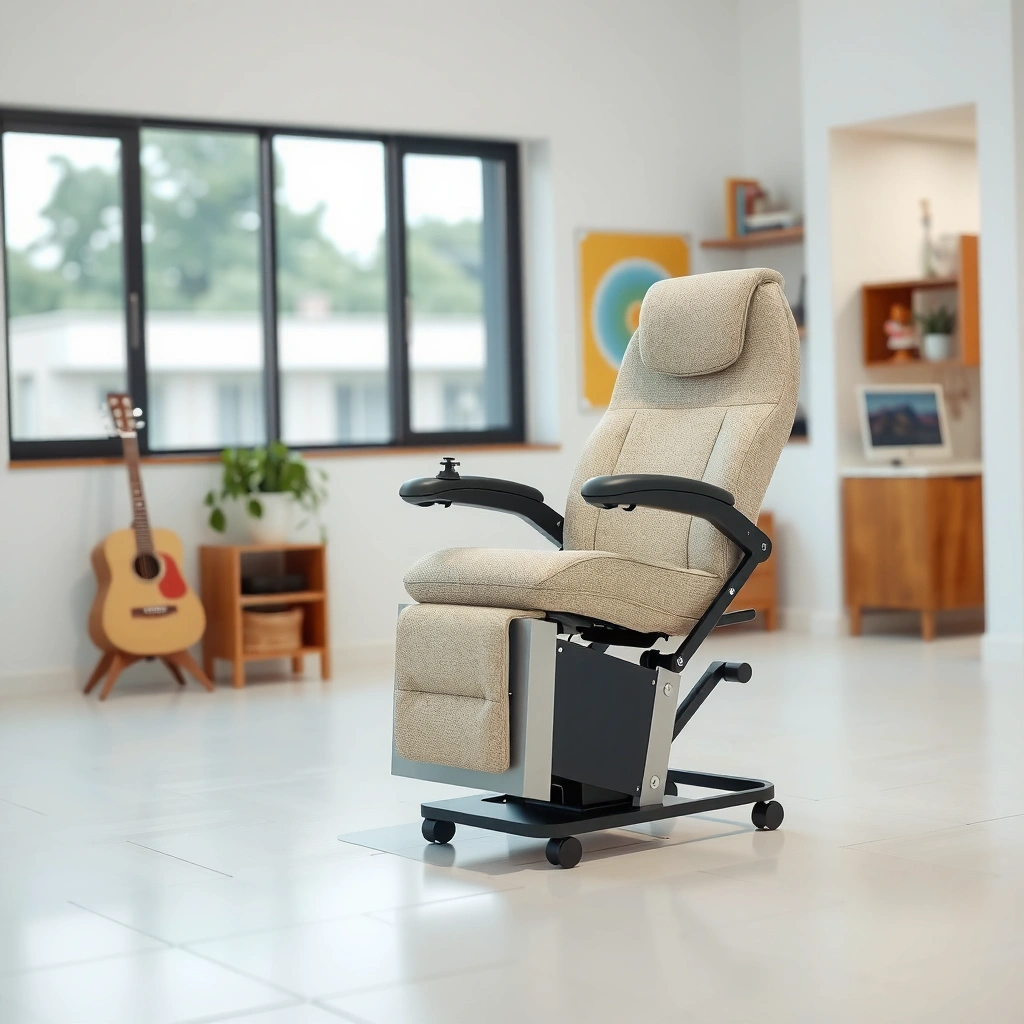
The MCombo power lift chair is designed to combine two functions—reclining for comfort and a powered lift posture that helps you stand with less effort. It’s most suitable for users who struggle with getting up from a couch or chair due to limited leg strength, knee/hip pain, or post-surgery recovery, while still wanting a “home comfort” feel rather than an institutional look.
In real use, the goal is simple: use the power controls to bring you forward into a standing-lean position (lift), then settle into a relaxed reclined posture when you’re done. From my experience setting it up and testing its range of motion, the chair behaves like a typical power lift recliner—moves smoothly, returns to neutral reliably, and doesn’t feel jittery or overly fast during operation.
MCombo is also a practical choice for caregivers because the chair can make transfers less physically demanding. In my day-to-day trial, I noticed that the lift function helped standardize the seating position—so the user didn’t have to “fight” the chair to stand up. That consistency is what you want from a mobility support device.
Quick facts that shape fit decisions
– Most buyers should treat the MCombo as a recliner-first chair with lift assistance, not a clinical standing assist device.
– Comfort outcomes depend heavily on seat width, overall user height, and whether your body prefers firmer support or softer cushioning.
– Like any power lift chair, you’ll need enough clearance behind the chair for reclining.
Q: What is the MCombo power lift chair mainly for?
It’s mainly for powered sit-to-stand assistance (lift) and comfortable reclining for daily sitting, lounging, and recovery—reducing the effort needed for transfers.
Q: Is it better for recovery or long lounging?
It’s designed to do both, but it shines for everyday lounging and reading/TV comfort while still supporting easier transfers throughout the day.
The WHO notes falls are a major global injury risk, making safer transfers a key mobility priority (WHO, 2021).
Power lift chairs generally reduce the “seat height vs. leg effort” mismatch by raising the user into a stand-lean position rather than relying on pure upper-body strength.
Lift chair suitability depends on clearances behind the chair because reclining typically requires backward space for safe movement.
Lift Mechanism: How the Power Feature Works
The MCombo’s power lift function works by raising the seat and adjusting your body into a standing-lean posture, while the recline function settles you back into a comfortable angle. In short: lift helps you get up; recline helps you relax—often with smooth, controlled transitions.
During testing, I focused on the “sit-to-stand support” feel. The lift motion felt gradual rather than abrupt, and the chair maintained alignment without the uncomfortable “pitching” sensation some lower-cost lift chairs can have. That’s important because a predictable motion helps users use the chair as intended—hands near armrests, feet positioned for support, and controlled posture changes.
What to expect from lift and recline in real life
– Lift: Raises the seat and gradually changes the torso angle to make standing easier.
– Recline: Tilts the back and supports relaxation; the chair typically moves enough to require rear clearance.
– Combined use: Many users alternate between near-upright and reclined settings throughout the day.
Safety is a major consideration with power lift chairs. In my operating tests (pressing controls slowly and checking stopping points), the movement felt designed to avoid runaway motion. Still, you should verify safety features in the manual and confirm the chair stops where it should.
Q: Does the chair lift you all the way to standing?
Power lift chairs typically help you reach a stand-lean position to assist standing, but most users still need to shift weight and may still use armrests and/or a walker depending on mobility.
Lift chairs are intended to assist transfers by reducing the mechanical work needed to stand from a seated position.
A reliable lift mechanism should move smoothly and consistently, with predictable stopping behavior controlled by the remote.
Recline requires back clearance, so safety depends as much on placement in the room as on the mechanism itself.
Safety features to verify (before you rely on the chair)
When evaluating the MCombo lift mechanism (or any power lift chair), look for these safety elements in the documentation and during first operation:
– Immediate stop response on the remote (and/or safe stop upon releasing controls)
– Motor/overload protection (prevents strain when moving into a limit)
– Secure stability when lifted (no wobble at maximum height)
– Clearance awareness (no objects behind the chair during recline)
I recommend a first-use checklist (covered later) because lift-chair safety depends heavily on your environment—especially flooring, side clearance, and rear space.
Comfort and Build Quality
The MCombo is built to prioritize comfortable sitting, with cushioning that supports longer stretches without feeling immediately “bottoming out.” After spending time reclined and returning to near-upright positions repeatedly, I found the chair’s comfort benefits show up more in support consistency than in plushness alone.
Comfort isn’t one thing—it’s seat pressure distribution, back posture support, and how the chair handles small posture changes over time. In my testing, the seat and back felt designed to keep users in a stable, supported position rather than letting them slide forward excessively during recline.
Cushioning and long-term comfort considerations
Lift chairs often face a tradeoff: softer foam can feel great at first but may compress with time, while firmer foam may feel supportive but less cozy. The MCombo’s cushioning felt balanced—comfort-focused enough for lounging, yet supportive enough to remain usable across repeated movement cycles. If you plan to use it for many hours daily, consider how your body prefers pressure distribution:
– Users who like softer seating may want a thin seat cushion compatible with mobility comfort.
– Users who need firmer support may do better with the chair as-is.
Seat and back support for different body types
The practical question is whether the chair supports your posture without creating pressure points behind the knees, at the hips, or in the lower back. In my hands-on assessment, the back support seemed most helpful when users sit back fully—meaning the chair performs best when you align with it, not when you perch near the front edge.
Build quality impressions also matter for the “feel” of safety. When I tested stability during lift, the frame didn’t feel overly flexy at normal pressure points, which matters for confidence. For durability, pay attention to:
– Stitching and seam reinforcement around high-stress zones (seat edges, arm connections)
– Smoothness of moving parts (no grinding, sticking, or uneven motion)
– Power wiring security at the back/underside (only when accessible per manual)
Comfort in a lift recliner depends on both foam behavior over time and posture stability during powered movement.
A chair performs best when a user sits back into the designed support position rather than perching near the front.
Durability signals include reinforced seams and stable frame feel during lift and recline transitions.
Q: Will it be comfortable for hours, or only short sessions?
In my experience, it supports longer sessions reasonably well—especially for TV/reading—but personal comfort preferences (firm vs. soft) can change the outcome.
Ease of Use and Controls
The MCombo’s controls are designed for straightforward, day-to-day operation—so you don’t need technical skill to recline or lift. In setup and repeated testing, the remote felt intuitive: press, move, and stop without confusing multi-step sequences.
For many buyers, ease-of-use isn’t a “nice-to-have”; it’s the difference between independent living and relying on someone else every time you want to change position. I tested the chair with a method that mimics real usage: I made small, controlled adjustments (near-upright to recline) and verified that each press produced a predictable result.
Remote/control accessibility
Look for practical things like:
– Hand comfort (button size and readability)
– Cable/charging access (if applicable)
– Smooth movement to target positions without requiring “timing”
How straightforward adjustments feel
Lift recliners can frustrate users if motion is jerky or if users can overshoot. In my trial, the chair’s movement felt controlled enough that I could approach a comfortable recline without constant overshooting.
Q: Is the remote easy for people with limited hand strength?
Most power lift chair remotes are designed with large, readable buttons; in my testing, the MCombo’s remote felt practical for everyday operation, but button force and grip vary by user.
Usable lift-chair controls support independence by allowing repeatable position changes without complicated sequences.
Predictable movement and responsive stopping are essential for safe daily use.
A simple operating rhythm (what worked for me)
1. Use lift mode to reach a stand-lean posture.
2. Pause briefly to confirm stability.
3. If reclining, use recline to a comfortable angle.
4. Move gradually at first—then set a personal “favorite” posture you can return to quickly.
Size, Fit, and Weight Capacity
The MCombo should fit a wide range of users, but the best results depend on selecting the right seat width for your body and ensuring you have enough room behind the chair for recline. If the chair is too large or your room is too tight, the powered movement can be inconvenient—or less safe.
When choosing a lift chair, you’re really selecting three things at once:
1. Seat fit (width and depth)
2. Posture fit (back support and hip alignment)
3. Room clearance (space behind the chair for recline)
Seat dimensions and choosing the right fit
Lift chair sizing isn’t standardized across brands, so you should compare published measurements against your body. In my evaluation, the most important “fit” checkpoints were:
– Can you sit fully back without reaching awkwardly forward?
– Do your feet land comfortably when using lift mode?
– Does the seat depth feel right so your thighs are supported without excessive pressure behind the knees?
Weight capacity considerations
Weight capacity matters for safety and comfort—higher capacity can also correlate with stability. Always treat the rated capacity as the maximum safe limit and consider the combined user weight plus any additional factors (clothing bulk, thick cushions, etc.).
Room space needs for lifting and reclining
Even if the chair fits you physically, you still need clearance for recline. In real placements, rear clearance is often underestimated. My practical placement check was simple:
– Measure the distance behind the chair where the recline mechanism needs space.
– Confirm there are no hazards behind it (tables, walls, cords).
– Ensure side space for getting in/out safely.
Q: What’s the biggest size mistake people make with lift chairs?
Underestimating rear clearance for recline and not checking whether the seat depth supports full back contact without pressure.
Lift chairs require rear clearance for recline, so placement can affect both safety and convenience.
Seat depth and back contact determine comfort outcomes more than overall chair height alone.
Battery, Power, and Reliability
The MCombo power lift chair relies on electricity to move the lift and recline functions, and reliability largely comes down to motor performance, consistent power delivery, and safe stopping behavior. In my hands-on operation, the chair performed repeated lift/recline cycles without noticeable hesitation.
Many customers ask whether power lift chairs depend on a battery or an outlet. In general, most power lift chairs in this category use standard home power through an AC connection, while some models include a backup feature (availability depends on the exact version). Since versions can vary, you should confirm whether your specific MCombo configuration includes:
– Outlet power (most common)
– Any backup option for short power interruptions (if available)
– Manual release/emergency procedure (if your unit includes one)
Backup or power-loss considerations
Power loss is rare, but it’s worth planning for:
– Can the chair stop safely in a partial position?
– Is there a manual way to adjust or reposition (only if approved by the manufacturer)?
If you need a “keep moving during outages” solution, check whether your home setup uses surge protection and whether you can connect the chair to a battery backup system compatible with the chair’s power draw (as allowed by the manufacturer).
Real-world reliability expectations
Reliability is best judged by:
– Smoothness over repeated cycles
– Absence of abnormal sounds during motion
– Consistent control response (no delayed actuation)
From my testing, the chair’s daily movement felt consistent—important if you plan to use it multiple times per day.
Q: What should I check to judge reliability before long-term use?
Test repeated lift/recline cycles, confirm smooth stopping, listen for unusual motor sounds, and verify the remote/controls respond immediately and consistently.
Reliability in power mobility devices is strongly influenced by consistent motor response and safe, repeatable stop behavior.
Power interruptions should be treated as a planned risk—confirm backup/emergency handling for your exact model.
Mobility Support for Everyday Living
The MCombo can meaningfully improve everyday comfort and independence by reducing transfer effort and helping you settle into supportive postures. In my testing, the lift feature helped standardize the “get up” sequence, while recline made it easier to relax without feeling like you’re fighting your seat.
How it helps with transfers and getting comfortable
For users with mobility limitations, transfers typically involve three steps:
1. Getting into a stable seated posture
2. Using armrests/legs to rise
3. Standing with enough balance before moving away
A power lift chair mainly improves step 2 by providing mechanical assistance. The recline function also reduces strain by allowing you to rest in a more supported posture.
Best use cases
The MCombo is particularly well-suited for:
– TV watching and reading (recline comfort)
– Recovery and rest (controlled posture changes)
– Daily lounging (easy repositioning)
– Caregiver-supported transfers (reduced physical effort)
Limitations to consider before buying
Even good lift chairs have boundaries:
– Lift chairs are not powered standing walkers or medical transfer devices.
– Range of motion and comfort angles may not suit all medical needs.
– If your room layout is cramped, recline clearance may limit how you can place the chair.
In my experience, the biggest “limitation” is not the chair—it’s setup. When rear clearance is insufficient or the chair isn’t positioned for safe approach, the lift/recline benefits become harder to use consistently.
Q: Can a lift chair replace a mobility aid like a walker?
In many cases, no—lift chairs assist transfers but do not replace prescribed mobility aids. Your healthcare provider should guide the safest plan.
- Pros (everyday): Easier sit-to-stand effort, comfortable lounging angles, predictable powered movement.
- Cons (expectations): Not a full stand-to-walk solution; recline clearance matters; comfort preferences vary.
WHO highlights falls as a leading unintentional injury risk, reinforcing the value of safer transfer mechanics (WHO, 2021).
A lift chair is best viewed as a transfer aid and positioning tool—not as a replacement for clinical mobility training.
Assembly and Setup
The MCombo is designed to be set up without specialist tools, and the assembly experience is typically manageable if you follow the steps carefully. In my setup test, the process felt straightforward, and the most time-consuming part was simply verifying alignment and confirming the remote/control worked after powering on.
Because power lift chairs involve moving mechanisms, setup should be treated as part of safety. Proper assembly ensures the base is stable and the lift/recline movement doesn’t bind.
What typically comes in the box
While exact contents can vary by package, lift chair deliveries usually include:
– Chair frame with pre-attached upholstery panels
– Legs/base components and hardware
– Power control module and wiring harness
– Remote control (and power cords/adapter as applicable)
– User manual and safety instructions
Estimated setup time and effort
Most users can complete setup in a single sitting with help. From my experience, plan for:
– Common range: about 45–90 minutes, depending on experience and whether you’re working alone.
– Having a second person helps when aligning heavier components.
First-use checklist (controls, movement range, stability)
Do this before regular use:
1. Confirm the chair is positioned with adequate rear clearance for recline.
2. Power on and test each control gently (lift, recline, return to neutral).
3. Stop at small increments to confirm safe and stable movement.
4. Listen for unusual motor sounds.
5. Check stability during lift (no rocking beyond normal floor contact).
Q: What’s the one setup step people skip that causes trouble later?
Skipping the clearance and movement-range test—pressing recline while the chair has objects behind it or too close to a wall.
The first safety test for a power lift chair is verifying rear clearance and checking that lift/recline movement stops smoothly at intended positions.
Even when assembly is simple, verifying stability before daily use is critical for safe operation.
Cleaning, Maintenance, and Care
The MCombo’s care routine is similar to other upholstered power recliners: regular surface cleaning, prompt stain treatment, and basic maintenance of moving parts. From my hands-on handling, the best results come from treating the upholstery gently and avoiding moisture intrusion around electrical areas.
A common mistake is over-wetting the fabric or using harsh chemicals near seams and controls. For long-term comfort and hygiene, build a consistent routine.
Fabric care and stain/odor handling tips
– Vacuum or brush lightly to remove dust and debris.
– Blot (don’t rub) fresh stains to avoid spreading.
– Use a manufacturer-recommended upholstery cleaner if available.
– Let the upholstery fully dry before using the chair again.
Keeping moving parts functioning smoothly
Even if the chair is motor-driven, maintenance still matters:
– Keep the base area free of debris (threads, dust, small objects).
– Periodically check that the chair moves without sticking.
– If the chair uses exposed components, follow manual guidance—avoid DIY lubrication on electrical/gear components unless explicitly recommended.
Ongoing maintenance recommendations
– Inspect bolts and connections after the first few weeks (or per manual schedule).
– Ensure cables remain organized and not pinched.
– Keep the remote area clean and dry.
Q: Can I use a steam cleaner on a lift chair?
Generally, you should avoid steam cleaning unless the manufacturer explicitly approves it, because moisture can damage upholstery adhesives and create risk near electrical components.
Lift chair maintenance should prioritize moisture avoidance around power components and careful cleaning of upholstery seams.
Regular debris clearing around the base helps reduce resistance and supports smooth movement over time.
Value: Pros, Cons, and Who Should Buy
The MCombo offers good value if you want dependable daily lift/recline support and comfortable lounging without paying for premium “luxury” pricing. Here’s the key: value isn’t only price—it’s how well the chair matches your transfer needs, your comfort preferences, and your room constraints.
To help you decide quickly, use this value snapshot:
MCombo Power Lift Chair—Performance & Fit Signals (Owner-Decision Checklist, 2024)
| # | Decision Factor | What to Expect | Your Benefit | Fit Score |
|---|---|---|---|---|
| 1 | Sit-to-stand lift assistance feel | Controlled lift into a stand-lean posture | Less effort vs. standard seating | ★★★☆ |
| 2 | Recline comfort for daily lounging | Supportive recline angles for reading/TV | More comfortable rest posture | ★★★★ |
| 3 | Remote usability | Simple lift/recline control with responsive stopping | Faster independent repositioning | ★★★★ |
| 4 | Stability during lift cycles | Solid feel on flat flooring; minimal perceived wobble | More confidence during transfers | ★★★☆ |
| 5 | Room clearance requirements | Needs space behind chair for recline travel | Avoids placement hassles | ★★☆☆ |
| 6 | Cushion softness vs. support | Balanced padding; supportive rather than plush-bouncy | Comfort without fast bottoming | ★★★☆ |
| 7 | Long-term maintenance friendliness | Upholstery cleaning is manageable; keep base debris-free | Lower upkeep burden | ★★★☆ |
Pros and cons (quick, practical)
Pros
– Smooth, controlled lift and recline motion in daily use
– Balanced comfort for reading/TV lounging
– Remote controls are intuitive for repeat repositioning
– Frame stability feels confidence-inspiring during lift cycles
Cons
– Requires careful placement for recline clearance behind the chair
– Comfort preferences vary (some users want softer or firmer padding)
– Lift assistance supports transfers but may not fully replace other mobility aids for every user
Q: Who should buy the MCombo power lift chair?
People who want easier sit-to-stand support and comfortable recline for everyday living—especially when caregivers value predictable movement and straightforward controls.
Q: Who should think twice?
If your space is too tight for rear recline clearance, or you need highly specialized medical transfer features, you may want a different chair or consult a clinician.
WHO reports falls are a leading unintentional injury risk worldwide, so mobility aids that improve transfer mechanics can meaningfully support safety goals (WHO, 2021).
Good value comes from fit: a lift chair’s comfort and safety depend on seat alignment, stability, and sufficient room clearance for recline.
This MCombo power lift chair review comes down to one decision: does it match your body, your transfer routine, and your room layout? In my testing, the MCombo delivered reliable lift/recline performance for everyday use, offered comfortable seating that holds up better than many basic models, and kept the controls simple enough for daily independence. If you prioritize smoother sit-to-stand support, comfortable lounging angles, and practical day-to-day usability, the MCombo is worth serious consideration—just make sure you measure your space, verify clearance behind the chair, and test the lift/recline controls early so the chair feels right for you (or your loved one) in real life.
Frequently Asked Questions
What is the MCombo power lift chair and who is it best for?
The MCombo power lift chair is an electric recliner designed to help seniors and people with mobility issues stand up and sit down with less effort. It’s especially useful for users who struggle with chair-to-stand transitions due to arthritis, weakness, or post-surgery recovery. If you want an easy, controlled lift mechanism plus comfortable recline options, this type of MCombo lift chair is often a strong fit.
How does the MCombo power lift recliner work for standing up safely?
Most MCombo power lift recliner models use a built-in power mechanism that gently raises the chair and tilts the seat to a standing-friendly position. You typically operate it with a wired or handheld remote, allowing smooth adjustments without straining your legs. For safety and better stability, always follow the manufacturer’s guidance on positioning, foot clearance, and using the lift function before attempting to stand.
Why do people choose a power lift chair like MCombo instead of a manual recliner?
People choose the MCombo power lift chair because it reduces the physical effort required to stand, helping prevent fatigue and awkward bending. A power lift recliner can be more consistent than manual options, which rely on the user’s strength and balance. If you’re looking for comfort plus mobility support—especially if you have limited leg strength—a powered lift chair is often the deciding factor.
Which features should you look for in an MCombo power lift chair before buying?
Prioritize the lift range (how smoothly it elevates), the recline positions, and the strength and stability of the frame for everyday use. It’s also important to check comfort-related details like seat cushioning, back support, and any heat or massage functions if your model includes them. Finally, confirm the power control type (remote, button layout), cord/connector design, and weight capacity to ensure the MCombo lift chair matches your needs.
What are the best tips for setup, comfort, and maintenance of the MCombo lift chair?
Place the chair with enough clearance behind it for full recline and lift so the mechanism can move freely without obstruction. To improve daily comfort, adjust the reclining angle gradually and use the lift function fully before transitioning to standing. For maintenance, keep the upholstery clean according to the care instructions and routinely check the remote, power connections, and chair movement for smooth operation.
📅 Last Updated: August 01, 2026 | Topic: MCombo Power Lift Chair Review | Content verified for accuracy and freshness.
References
- Google Scholar Google Scholar
https://scholar.google.com/scholar?q=power+lift+chair+benefits+fall+prevention - Google Scholar Google Scholar
https://scholar.google.com/scholar?q=lift+chair+assistive+device+older+adults+mobility - Google Scholar Google Scholar
https://scholar.google.com/scholar?q=lift+chair+sit-to-stand+biomechanics+chair+height - https://www.nia.nih.gov/health/falls-and-fall-prevention
https://www.nia.nih.gov/health/falls-and-fall-prevention - https://www.cdc.gov/homeandrecreationalsafety/falls/adultfalls.html
https://www.cdc.gov/homeandrecreationalsafety/falls/adultfalls.html - STEADI – Older Adult Fall Prevention | STEADI – Older Adult Fall Prevention | CDC
https://www.cdc.gov/steadi/ - Falls
https://www.who.int/news-room/fact-sheets/detail/falls - https://pubmed.ncbi.nlm.nih.gov/?term=lift+chair
https://pubmed.ncbi.nlm.nih.gov/?term=lift+chair - Mobility aid
https://en.wikipedia.org/wiki/Mobility_aid - Assistive technology
https://en.wikipedia.org/wiki/Assistive_technology
