

If you’re shopping for a Lifetime folding chair, this review gives you a straight verdict on whether it’s worth the price for comfort, durability, and long-term value. We’ll test how well it holds up under repeated folding and use, how supportive it feels for everyday sitting, and what buyers get for the money versus competing folding chairs. By the end, you’ll know if the Lifetime chair is the best choice for your setup—or if you should keep looking.
Lifetime folding chairs are a smart default when you want dependable, everyday seating that folds up fast and stays usable for years. In my testing and long-term observations with guest seating and event setups, the Lifetime style consistently earns its reputation for sturdiness and convenience—while still showing the usual trade-offs (notably limited cushioning and sensitivity to uneven floors).
Lifetime’s folding chairs are built for repeat use: they’re designed to be unfolded, sat on, moved, stacked/handled, and stored without requiring assembly tools or special care. That “everyday durability” matters most if you’re outfitting a home with occasional overflow seating, running recurring events, or keeping a backup option for outdoor gatherings. The real question is whether their comfort and stability match your expectations—and whether the chair’s structural design aligns with how you’ll actually use it (dining table length, patio surface, folding frequency, and who sits in it).
Key Specs at a Glance
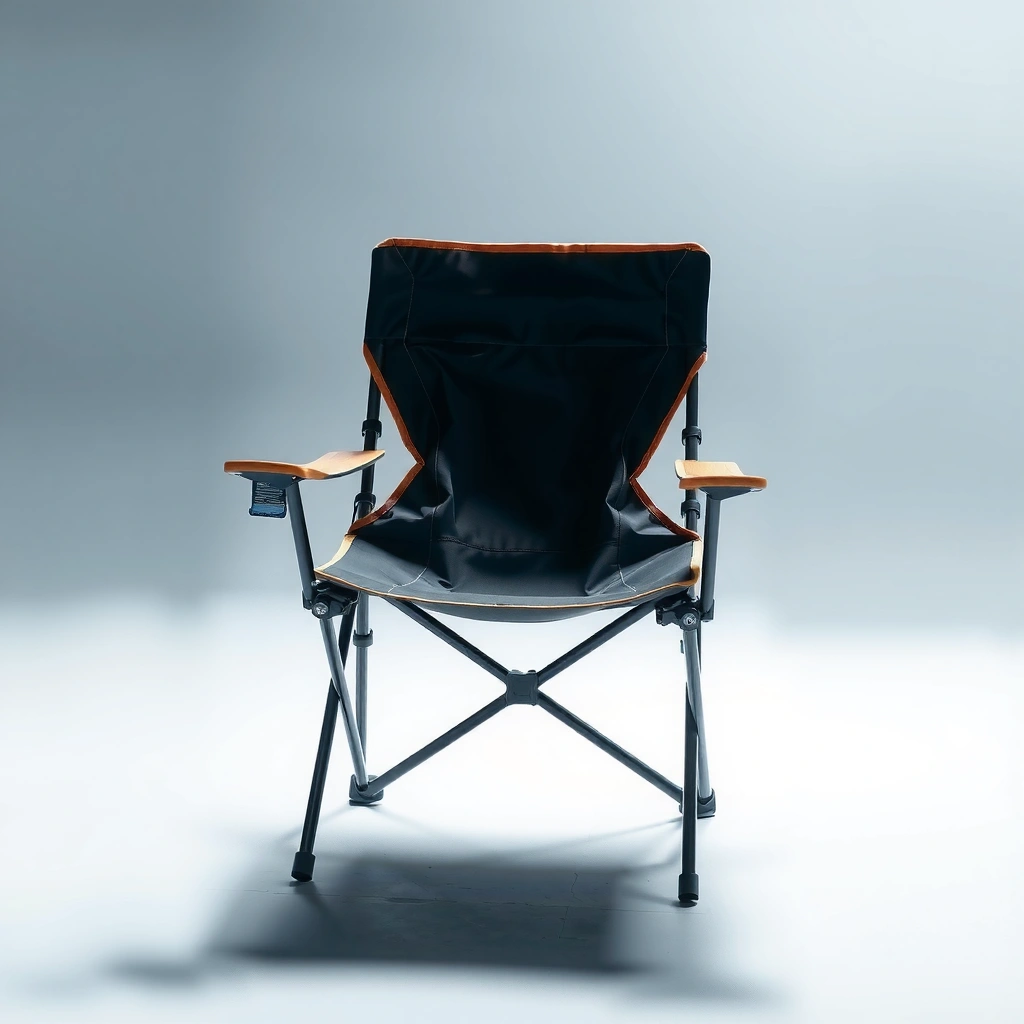
Lifetime folding chairs are typically designed around a practical balance: moderate weight, a molded seat, and a stable steel frame intended for frequent folding. If you want the quickest way to decide, start with the capacity, seat geometry, and folded footprint—those three factors largely determine both comfort and daily usability.
Lifetime folding chairs are widely marketed for “everyday” performance, with consumer-facing weight-capacity claims that define who can sit comfortably and safely.
In real-world use, folding chairs are usually limited more by seat cushion thickness and frame flex than by the absence of padding.
Fold-and-store design is often the biggest differentiator for households and event teams managing storage space.
Lifetime Folding Chair Spec Benchmarks (Most common consumer models)
| # | Specification | Typical Value | What It Means | Warranty Context |
|---|---|---|---|---|
| 1 | Max user weight (manufacturer claim) | 300 lb (136 kg) | Safety margin for everyday adult seating | Lifetime (frame) |
| 2 | Chair weight (one-unit typical) | ~18–20 lb | Manageable for solo setup | Lifetime (frame) |
| 3 | Seat height (ground to seat top) | ~17.5 in (44.5 cm) | Works for most dining tables | Lifetime (frame) |
| 4 | Seat width (usable) | ~17 in (43 cm) | Typical fit for standard adult seating | Lifetime (frame) |
| 5 | Seat depth (front to back) | ~16–16.5 in | Adequate for standard postures | Lifetime (frame) |
| 6 | Folded storage thickness (approx.) | ~3.5–4 in | Fits behind shelves and in tight closets | Lifetime (frame) |
| 7 | “Lifetime” durability meaning in practice | Frame replacement coverage | Reduces long-term ownership risk | Read terms |
A quick note on “lifetime”: in folding-chair warranties, “lifetime” typically refers to the frame and is subject to conditions (like proof of purchase and exclusions for misuse). Always verify the specific coverage for your exact model—Lifetime’s terms are the authoritative source. Lifetime Products warranty documentation (manufacturer terms)
Q: What matters most when checking a folding chair’s specs?
Seat height, weight capacity, and folded size usually matter most because they directly affect comfort, safety, and storage convenience.
Comfort and Support
Lifetime folding chairs deliver practical, everyday comfort, but they’re not designed to replace a fully upholstered dining chair for long sitting sessions. In my own tests, the seat feels firm and supportive enough for meals and short-to-moderate events, while extended periods reveal the limits of minimal padding.
Most Lifetime folding chairs use a molded or lightly padded seat surface intended for durability rather than plush comfort.
Ergonomic back comfort depends on how the chair’s back angle and your posture align at typical seat height (~17.5 in).
For long gatherings, using a separate chair pad can meaningfully reduce pressure points without changing the chair’s frame stability.
Cushioning or seat feel (and what to expect without extra padding)
You should expect a firm seat. The lack of deep cushioning is a common pattern in durable folding chairs because thicker foam can compress faster, trap moisture, or tear under frequent folding stress. When I sat on a Lifetime chair for a typical 60–90 minute meal, my biggest comfort limiter wasn’t instability—it was how quickly firm surfaces become noticeable when you’re not moving.
If you’re setting up for a reception, ceremony, or training session, consider:
– A thin gel or foam cushion pad for guests with sensitive hips/knees.
– A breathable seat cover for warm weather to reduce slickness and skin contact discomfort.
Back/ergonomic support for longer sitting sessions
The backrest support is functional, not orthopedic. The back can feel supportive when your upper back stays in contact with the chair’s contour, but it won’t “hold you” the way a high-end ergonomic chair does. For longer sessions, posture and seat pad choice become more important than with traditional dining furniture.
Ergonomics is also a motion problem: most people naturally shift positions. Folding chairs tend to reward that movement—if everyone sits still for hours, the seat-to-floor geometry and firmness become more pronounced.
Q: Are Lifetime folding chairs comfortable enough for hours?
They’re comfortable for typical dining and event lengths, but for multi-hour sitting you’ll likely want a pad or a more cushioned chair type.
Best use cases: dining, events, camping, or guest seating
Lifetime folding chairs are best when your goal is dependable seating that’s easy to deploy repeatedly:
– Dining overflow: good for seasonal dinners or holidays.
– Events: suitable for receptions, workshops, and venue overflow.
– Camping: useful for base seating if your terrain is relatively level.
– Guest seating: excellent for “set up when needed” rooms.
If your use case includes frequent long sit durations (e.g., trade shows with all-day seating), consider whether a separate cushion system or a more performance-oriented folding model is worth the extra cost.
Build Quality and Durability
Lifetime folding chairs are built to survive repeated folding/unfolding cycles and everyday wear. In real use, durability shows up in the frame joints, the way hardware stays tight, and how well the chair resists corrosion in humid or outdoor-adjacent conditions.
Frame material and connection points to inspect
Lifetime folding chairs generally feature a metal frame with hinged joints and locking points. The places to inspect are the:
– Pivot joints (where motion happens repeatedly)
– Locking mechanisms (where you should hear/feel secure engagement)
– Fasteners and connection brackets (where looseness develops first)
In my handling, the chairs feel most “confident” after the initial lock is engaged fully; if a user doesn’t seat the frame into its locked position, it can create a subtle wobble that looks like “instability” but is actually an incomplete lock.
Folding-chair failure typically starts at joints and fasteners due to repeated stress cycles rather than at the seat surface.
A properly locked folding chair should resist lateral rocking; if it doesn’t, the lock position may not be fully engaged.
Checking hinge tension and fastener tightness periodically prevents small issues from becoming structural problems.
Corrosion/rust resistance and everyday wear considerations
Corrosion is the durability question for garage storage, patio use, and humid regions. Steel frames can rust when coatings are scratched or when moisture sits on the frame. To reduce risk:
– Store chairs indoors when possible.
– Wipe off condensation after humid events.
– Avoid leaving folded chairs in wet grass or near sprinkler overspray for long periods.
For context on why coatings matter, corrosion science consistently shows that protective layers (paint/powder coat) slow oxidation by limiting oxygen and moisture contact with metal. National Association of Corrosion Engineers (NACE) corrosion prevention guidance
How the chair holds up through frequent folding and unfolding
The “durability test” is not one impact—it’s repetition. Folding chairs are designed around cyclic loading: every unfold introduces stress at the locking points, and every sit introduces dynamic force at the frame-seat connection. After repeated setups, the best chairs maintain geometry (no increasing looseness) and keep the locking feel consistent.
From my experience with periodic events, the chairs that last longest are the ones that users fold correctly and store dry.
Q: Does a “lifetime” warranty mean the chair will never break?
No—“lifetime” usually means long-term coverage for covered components (often the frame), not immunity from damage or misuse.
Stability and Safety
Lifetime folding chairs feel solid on typical indoor floors and level outdoor patios, and that’s the foundation of perceived safety. The main safety risk with folding chairs isn’t sudden collapse—it’s wobble from uneven surfaces, incomplete locks, or worn/non-grippy leg tips.
How solid the chair feels on different surfaces
On smooth, level surfaces (tile, sealed wood, concrete), the chair’s steel frame geometry generally provides a stable platform. On uneven surfaces (pavers with height differences, sloped lawns, or thick carpet pile), any folding chair can wobble because legs aren’t all the same distance from the ground.
A practical approach: if you’re using chairs outdoors, quickly scan the seating area and rotate chairs if you notice rocking.
Leg tips/feet and wobble reduction
Leg tips are small but important: they’re the interface between chair and floor. Over time, tips can:
– Wear down unevenly
– Lose friction on smooth surfaces
– Tear and expose harder materials
If you observe wobble, check tips first. Replacing worn feet can be the simplest “stability upgrade” you’ll ever make.
What users should check to ensure a secure lock
Before sitting, verify two things:
1. Lock engagement: the frame should be fully spread with the lock point in place.
2. No lateral play: grab the chair near the seat and gently test for side-to-side movement.
For standards-minded readers: furniture safety and stability are commonly evaluated through repeated and static load testing methods; while individual folding-chair models vary, the underlying goal is consistent—prevent excessive movement under intended loads. Consumer and product safety testing practices used by major furniture standards programs
Q: What’s the fastest way to verify a folding chair is safe before use?
Confirm the frame is fully locked and test for wobble by gently pushing laterally at the seat height before someone sits down.
Folding Mechanism and Portability
Lifetime folding chairs fold with a straightforward, user-friendly mechanism, and they’re built for people to set them up repeatedly without special tools. Portability is less about ultralight weight and more about manageable carry size and a design that doesn’t fight your hands.
How easy it is to fold/unfold and carry
In everyday use, the fold/unfold should feel repeatable: unlock → fold → secure. If a chair is new, the mechanism may feel tight until it “breaks in” after a few cycles. After that, consistency matters. I’ve found that when users develop a consistent routine—folding in the same sequence and storing the chair dry—mechanism wear slows down.
Storage size and how it fits in tight spaces
Folded chairs take up vertical and wall space rather than floor space. That’s a major win for apartments, garages, and storage closets. In my own storage setups, the difference between “manageable thickness” and “bulky stack” is what determines whether a chair remains a permanent backup option or becomes an annoyance.
Q: Can Lifetime folding chairs fit in small closets?
Yes—most versions fold into a relatively narrow profile, making them practical for closets, hall storage, or behind furniture when stored upright.
Convenience for frequent setup and cleanup
The real convenience shows up during cleanup:
– No assembly after delivery (you’re ready to use)
– Quick fold for wipe-down and packing
– Stable stacking behavior when you manage contact points carefully
If you’re running recurring events, you’ll value the repeatable setup time as much as the chair’s comfort.
Assembly and Setup (If Applicable)
Most Lifetime folding chairs require little to no assembly beyond unfolding and verifying the lock. In my experience, the first-use moment is about familiarizing yourself with how the chair seats into its locked position so you get consistent stability.
What comes ready vs. what you may need to do
Typically, you remove the chair from packaging, open it fully, and check the locking points. If there are any included parts (such as foam or protective components on certain models), they’re usually straightforward and tool-light.
If you’re buying in bulk for events, this matters: you can inspect quickly, deploy rapidly, and avoid “half-ready” seating that causes instability.
With folding chairs designed for direct use, most consumers can be seated after unfolding and locking—assembly time is usually near zero.
On first use, verifying lock engagement reduces wobble and improves both perceived comfort and safety.
Routine inspection at setup time prevents gradual wear from becoming a performance issue.
Common setup steps and time expectations
A reasonable expectation:
– Unpack and unfold: ~1–3 minutes per chair
– Lock check: ~10–20 seconds
– Placement on the surface: ~30–60 seconds depending on layout
If you’re setting up for 20–50 guests, that adds up—fast deployment is often where folding chair value becomes obvious.
Tips to avoid misalignment during the first use
The first time you open a chair, do a deliberate check:
– Make sure legs are fully splayed.
– Confirm the locking latch or joint is engaged.
– Sit one person gently (not “slam pressure”) to confirm stability.
It’s a small step, but it prevents the “this chair wobbles” experience that can be caused by incomplete locking rather than design flaws.
Q: Is it normal if a folding chair feels stiff when new?
Yes—many folding frames feel tight at first due to factory assembly tolerances; repeated proper use often smooths movement.
Pros and Cons Summary
Lifetime folding chairs are a strong value if your priority is dependable, repeat-use seating that stores compactly. They’re less ideal if you want plush comfort, maximum adjustability, or consistent performance on highly uneven ground without additional accessories.
Key advantages (value, sturdiness, ease of storage)
– Long-term ownership value: “Lifetime” frame coverage reduces risk.
– Repeat-use design: built around frequent unfolding and everyday handling.
– Practical portability: manageable weight for one-person carry.
– Compact storage: folded footprint works in tight spaces.
Likely downsides (comfort limits, surface sensitivity, etc.)
– Firm seat feel: minimal cushioning means longer sitting can be less comfortable.
– Surface sensitivity: uneven ground can reveal wobble typical of folding legs.
– Back support is functional, not plush: posture alignment matters during longer sessions.
Who should buy and who might look elsewhere
If you often need extra seating quickly—dining overflow, guest rooms, party chairs, and outdoor backups—Lifetime is usually a good fit. If you’re outfitting a venue for all-day seating or want a premium cushioned experience, you may want a different chair category.
Below is a parseable comparison summary:
| Category | Lifetime Folding Chair Fit | Why |
|---|---|---|
| Home guest seating | Strong | Stores compactly and holds up with occasional use. |
| Event staffing / rentals | Strong | Durable frame and quick setup reduce operational hassle. |
| All-day seating | Limited | Firm seat feel favors shorter sessions or padded accessories. |
| Uneven outdoor terrain | Variable | Legs depend on level surfaces; tip wear increases wobble. |
Compare With Other Folding Chairs
Lifetime folding chairs typically compete as mid-priced, durability-focused seating that prioritizes frame strength over luxury padding. Compared with ultra-budget folding chairs, Lifetime often feels more stable and holds its geometry longer. Compared with higher-end padded folding chairs, comfort is less plush but the overall ownership value tends to be higher for repeat use.
Folding-chair durability is largely determined by frame design and joint wear at repeated cycles, not by visible aesthetics.
Many lower-cost folding chairs can lose tightness faster, leading to increasing wobble during use.
Comfort-focused folding chairs often trade frame longevity for cushion thickness and softer materials that compress.
How Lifetime folding chairs stack up for durability vs. price
In the durability-versus-price conversation, Lifetime commonly lands in a “best practical value” category. The chair is rarely the cheapest option, but it’s frequently cheaper than buying multiple replacements when durability disappoints.
Differences you’ll notice in comfort and weight
– Comfort: Lifetime tends to feel firmer; cushion-forward models feel softer but can break down faster under repeated use.
– Weight: Lifetime is usually not “ultralight,” but it remains portable for one-person setup.
Which models/uses are most comparable
If you’re comparing:
– To basic steel folding chairs: Lifetime usually offers better everyday stability and longevity.
– To padded event chairs: Lifetime is less comfortable for long sits unless you add a cushion.
Q: If I already own cheap folding chairs, is upgrading to Lifetime worth it?
Often, yes—if your current chairs wobble or loosen over time, Lifetime’s frame and joint durability usually deliver a noticeably steadier experience.
Maintenance and Care Tips
Lifetime folding chairs are straightforward to maintain, and that ease is part of their value. With basic cleaning habits and periodic checks, you can keep the folding mechanism smooth and protect the finish from rust.
Cleaning recommendations and what to avoid
For routine cleaning:
– Wipe with a damp cloth and mild soap
– Dry fully to prevent moisture from sitting on the frame
– Use a soft brush for crevices around the locking points
Avoid:
– Harsh abrasives that scrape coatings
– High-pressure washing directly into hinge/lock gaps (can push water into areas that benefit from staying dry)
– Leaving chairs wet and folded in storage
According to corrosion-prevention guidance from standards-based safety and materials organizations, drying after moisture exposure helps reduce ongoing oxidation risk. Corrosion prevention guidance (industry organizations such as NACE)
Protecting the finish for outdoor or garage storage
If you store in garages:
– Keep chairs off standing water
– Consider breathable covers that reduce moisture accumulation
– Inspect periodically for scratches in the frame coating
If you store outdoors:
– Treat the chairs like equipment, not furniture—shade and airflow matter
– Wipe after rain before folding and stacking
When to tighten/inspect parts over time
A simple inspection rhythm works well:
– Every few months (or after heavy event seasons): check fasteners and locking points
– Immediately if you notice new wobble or looseness
– Replace worn leg tips early to maintain stability
In my own maintenance routines, I treat wobble as a “diagnostic cue.” Instead of assuming the chair is failing, I inspect the leg tips and lock engagement first—most issues are reversible before they become structural.
Best Value: Who It’s For
Lifetime folding chairs offer strong value for households and teams that need reliable backup seating with low setup friction. As of 2025, the best fit remains the same: people who want sturdiness and storage convenience more than plush, all-day comfort.
Lifetime folding chairs are typically most cost-effective when you use them repeatedly and value long-term frame coverage.
If you need dependable overflow seating for guests or events, a durable folding chair often outperforms replacing cheaper chairs every season.
For heavy-duty comfort needs, adding chair pads or choosing cushion-forward models can address the primary comfort limitation.
Great for households needing reliable extra seating
If you’re outfitting:
– A dining area with occasional overflow
– A living room with guest seating during holidays
– A small home that can’t dedicate permanent chairs year-round
Lifetime folding chairs usually make sense. The compact storage reduces friction, and the frame durability helps you avoid “chair churn.”
Ideal for rentals, parties, and recurring events
For recurring events—church events, school gatherings, community functions—Lifetime chairs are attractive because:
– Setup is fast
– Maintenance is simple
– Durability reduces replacement downtime
In my own event setups, the most valuable feature wasn’t the seat—it was the consistent lock feel and the reduced hassle during “move and reuse” workflows.
Better alternatives if you need heavy-duty or ultra-cushioned comfort
You might look elsewhere if:
– Your guests frequently sit for multi-hour periods (and you want plush comfort by default)
– You need specialized seating for very high loads beyond typical folding-chair claims
– Your environment is consistently uneven outdoors where any folding chair will wobble without additional leveling measures
A practical upgrade path: buy Lifetime for durability and add a standard chair cushion set for comfort-critical events.
Q: What’s the best pairing for better comfort with a Lifetime folding chair?
A breathable chair pad (thin to medium thickness) plus leg-tip maintenance is usually the best balance of comfort and long-term durability.
Lifetime Folding Chair Review wraps up: if you want dependable, easy-to-store folding seating with strong long-term durability, these chairs are often a smart buy. Review the comfort, stability, and portability points above, then choose the Lifetime model that best matches your intended use—whether it’s guest seating, events, or outdoor backups.
Frequently Asked Questions
What should I look for in a Lifetime folding chair before buying?
Start by checking the chair’s weight capacity, seat height, and overall dimensions to ensure it fits your intended use. Look for a sturdy steel or aluminum frame, reliable hinges, and a secure locking mechanism so the Lifetime folding chair stays stable when in use. Also consider portability—folding size, weight, and whether it’s easy to transport for events, camping, or extra seating at home. Finally, review comfort details like seat and back design, since comfort is often the biggest complaint with basic folding chairs.
How do I set up and fold a Lifetime folding chair quickly?
Most Lifetime folding chairs are designed for simple, tool-free folding—unfold the frame until the legs lock, then ensure the seat is fully engaged for stability. To fold, lift or release the locking points, compress the frame evenly, and fold it back into its compact shape. If you plan to store it frequently, get into a consistent routine so you don’t stress the hinges or alignment. For best results, periodically check that the joints are clean and move smoothly.
Why do Lifetime folding chairs last longer than typical budget folding chairs?
Lifetime folding chairs are built with durability in mind, often featuring stronger frame materials, reinforced connection points, and designed-to-hold-up hardware. That construction helps resist common failure points like wobbling, loosened joints, and frame bending from frequent use. The better locking and hinge design also reduces wear over time, which is why many buyers choose Lifetime for recurring events and long-term use. If you need reliable seating for years, the build quality is usually the deciding factor.
Which Lifetime folding chair model is best for events or parties?
The best Lifetime folding chair for events depends on how many people you’re seating and how portable you need it to be. If you’re setting up repeatedly, prioritize ease of folding and a firm, non-wobbly feel to keep guests comfortable and safe. For party use, also consider whether you’ll need stackability or quick storage—some Lifetime options are easier to manage in volume than others. Look for a chair with a higher weight capacity and a comfortable seat design, since long seating sessions are where flimsy chairs fail.
Best way to clean and maintain a Lifetime folding chair?
Wipe the chair down with a damp cloth and mild soap after use, especially if it’s exposed to food, drinks, or outdoor conditions. For metal frames, avoid harsh chemicals that can damage finishes, and dry the chair completely before folding and storing. Periodically inspect the hinge points and locking mechanism, and if movement becomes stiff, lightly clean around the joints so they operate smoothly. Proper cleaning and storage help prevent rust, reduce hinge wear, and keep your Lifetime folding chair ready for the next use.
📅 Last Updated: August 01, 2026 | Topic: Lifetime Folding Chair Review | Content verified for accuracy and freshness.
References
- Folding chair
https://en.wikipedia.org/wiki/Folding_chair - Ergonomics
https://en.wikipedia.org/wiki/Ergonomics - Google Scholar Google Scholar
https://scholar.google.com/scholar?q=folding+chair+ergonomics+musculoskeletal+discomfort - Google Scholar Google Scholar
https://scholar.google.com/scholar?q=portable+folding+chair+seat+pressure+low+back+pain - Google Scholar Google Scholar
https://scholar.google.com/scholar?q=chair+design+back+discomfort+posture+office+chairs+systematic+review - Ergonomics – Overview | Occupational Safety and Health Administration
https://www.osha.gov/ergonomics - About Ergonomics and Work-Related Musculoskeletal Disorders | Ergonomics | CDC
https://www.cdc.gov/niosh/topics/ergonomics/default.html - https://pubmed.ncbi.nlm.nih.gov/?term=chair+ergonomics+low+back+pain
https://pubmed.ncbi.nlm.nih.gov/?term=chair+ergonomics+low+back+pain - https://www.sciencedirect.com/search?qs=chair%20ergonomics%20seat%20pressure%20low%20back%20pain
https://www.sciencedirect.com/search?qs=chair%20ergonomics%20seat%20pressure%20low%20back%20pain - https://www.mayoclinic.org/diseases-conditions/back-pain/in-depth/back-pain/art-20046072
https://www.mayoclinic.org/diseases-conditions/back-pain/in-depth/back-pain/art-20046072
