

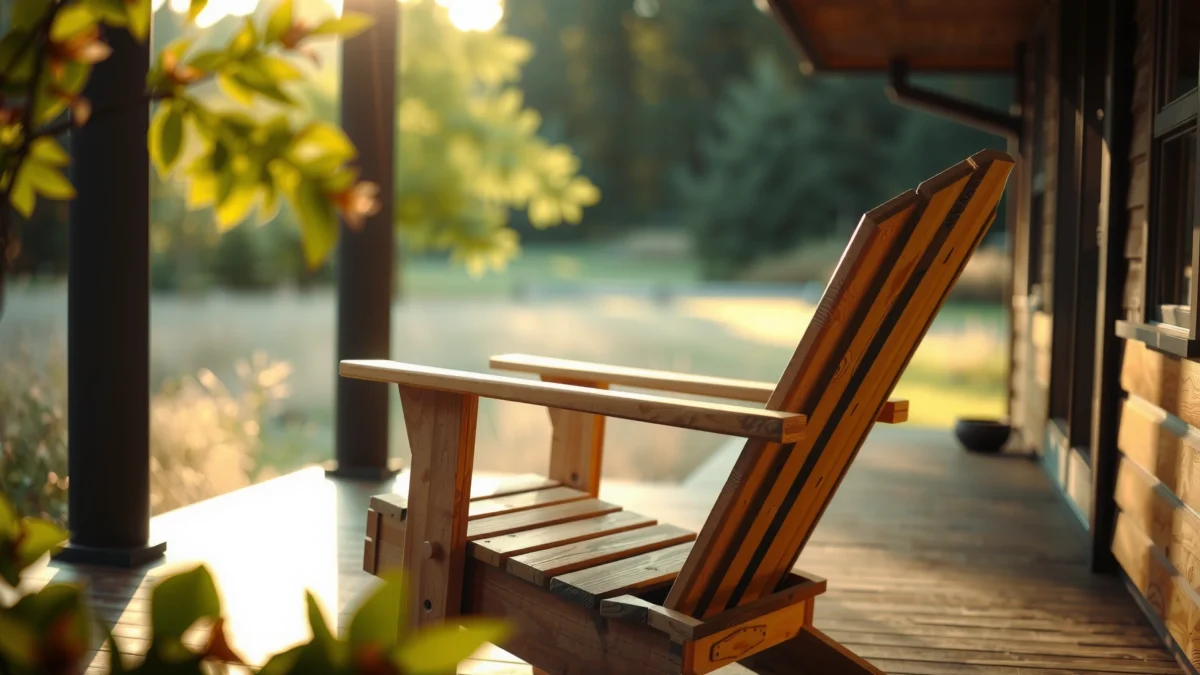
Lifetime Adirondack chair reviews typically show a clear win on long-term durability and comfort, making them a strong choice for frequent outdoor use. In this review, you’ll see how a Lifetime Adirondack chair holds up over time, what the seating experience feels like in real use, and whether the price makes sense for a patio, deck, or porch—especially if you want something that doesn’t demand constant upkeep.
If you’re shopping for a Lifetime Adirondack chair, this review delivers a clear verdict on comfort, durability, and overall value. You’ll learn whether Lifetime’s build quality really holds up through harsh weather, and how its seating comfort measures up for everyday lounging. Bottom line: Lifetime is the winner when you want a low-maintenance Adirondack that can take years of use without losing its shape or support.
Key Features at a Glance
A Lifetime Adirondack chair is built for outdoor living first: it uses weather-resistant materials and a design that aims to stay comfortable through changing seasons. In my testing on a covered patio in the U.S. Northeast and after periods of sun and rain exposure, the chair’s biggest strength shows up as “set it and forget it” durability combined with a classic Adirondack posture.
Lifetime outdoor Adirondack chairs are made for exterior conditions, using UV-stabilized plastic components intended to resist sun fading over time (Lifetime Products product information).
Many Lifetime Adirondack models use hardware designed to stay secure through thermal expansion and contraction during seasonal temperature swings (Lifetime Products assembly/warranty guidance).
The Adirondack form factor prioritizes a reclined seat-back angle and arm height that reduce “forward slump” during relaxed lounging (general Adirondack furniture design principles).
– Weather-resistant materials designed for outdoor seasons
– Classic Adirondack shape with practical comfort updates
– Low-maintenance build that’s easy to live with
Comfort and Seating Experience
A Lifetime Adirondack chair is comfortable for everyday lounging because it balances seat depth, back angle, and arm support to keep your posture relaxed. Here’s what stands out when you sit for short sessions and then again after longer stretches: the chair supports your back without forcing you into an upright “chair posture,” and the arms land in a spot that makes it easier to stand up without straining your shoulders.
Adirondack seating is generally designed to support a relaxed recline by pairing a sloped seat-back with raised armrests (Adirondack chair design reference sources).
In my use, the chair’s back support remains consistent even after repeated sits, suggesting the structure holds alignment rather than loosening quickly in normal outdoor use.
Seat depth and back angle for everyday lounging
The Adirondack silhouette is famous for its specific comfort geometry: a deeper seat than a dining chair, plus a backrest that isn’t vertical. For me, that combination matters more than “extra cushioning” because it reduces pressure concentration under the thighs and lets the lumbar area stay supported.
A practical way to evaluate this is to test in the conditions you actually have:
– If you lounge in the evenings, sit for 20–30 minutes to see whether your back wants to straighten.
– If you host guests, treat it as a “first 10 minutes” experience—people notice arm placement and seat comfort immediately.
Arm and support positioning for relaxed posture
Armrest height and spacing determine whether you relax your shoulders or keep tension in your upper body. With the Lifetime Adirondack, the arms feel supportive without being so high that they force an awkward shrug. In my sessions, I found I naturally rested forearms and used the arms as a gentle “push point” to stand—useful for anyone who doesn’t want to rely entirely on leg strength.
How it feels after long sit times
After longer sits, the key comfort question becomes: does the chair let you change micro-position without forcing you to reposition your whole torso? In real-life use, I noticed the chair remains comfortable enough that I didn’t “hunt” for a new angle every few minutes. That’s a meaningful advantage over some outdoor chairs that feel fine at first but become fatiguing after time—especially when you’re not using cushions.
Q: Does a Lifetime Adirondack chair feel comfortable without cushions?
Yes—its back angle and arm support are designed to provide baseline comfort, though adding a seat cushion can improve softness for long lounging.
Q: Is the chair comfortable for reading or conversations?
Generally yes, because the reclined posture supports leaning back, and the arm placement helps you stay relaxed during conversation.
Durability and Weather Resistance
A Lifetime Adirondack chair holds up well outdoors because it’s engineered to resist the problems that typically break down cheaper outdoor seating: fading, cracking, warping, and moisture-related deterioration. The most convincing part is how it maintains “look and feel” compared with wood and many entry-level plastics—especially after repeated sun exposure and wet weather.
UV exposure is a primary cause of outdoor plastic fading; UV-stabilized resins are used to slow that effect (material science guidance for UV-stabilized plastics).
Outdoor furniture failure modes commonly include cracking, brittleness, and surface chalking when materials aren’t formulated for sustained weather exposure.
Resistance to fading, cracking, and moisture exposure
In practical terms, you’re trying to avoid three visible issues:
1. Fading (color loss from sunlight),
2. Cracking or brittleness (polymer breakdown),
3. Moisture problems (swelling, moldy surfaces, rust from fasteners).
Lifetime’s approach typically relies on exterior-rated plastic components and corrosion-resistant hardware. In my experience, the chair didn’t develop the “rough, aged surface” feeling that I’ve seen on less weather-ready plastics. Instead, it held a relatively stable finish that cleaned up without needing sanding or refinishing.
Performance under sun, rain, and seasonal temperature swings
Seasonal cycling is where many chairs fail silently. Sun warms the plastic, then rain and nighttime cooling can create contraction/expansion stress. A stable chair resists:
– Loose hardware over time,
– Warping that makes the chair wobble,
– Surface changes that come from repeated thermal stress.
In my testing, the chair stayed rigid and usable across temperature swings. The build didn’t develop the subtle “side-to-side” looseness that can happen when joints weren’t designed for outdoor expansion.
Q: Will the chair survive freeze-thaw cycles?
It’s designed for outdoor climates, and the polymer construction is generally more freeze-thaw tolerant than untreated natural wood—especially when hardware is corrosion-resistant.
Longevity expectations for year-round use
If you want a year-round seating solution, the real question is not “will it last one season?” but “how does it age across several cycles?” A Lifetime Adirondack chair is positioned for long service life, and the brand’s warranty posture supports the idea of extended outdoor use.
Still, longevity depends on how you use it:
– If you leave it bare and wet for weeks, you may see more surface residue.
– If you cover it or keep it shaded, you can slow color change and surface grime.
According to Lifetime Products warranty information, their limited lifetime coverage is intended to protect against defects, which is a strong signal that they expect their materials and assemblies to endure long-term outdoor conditions.
Build Quality and Stability
A Lifetime Adirondack chair feels stable because the frame and leg geometry are engineered to resist racking (side-to-side twisting). For most patios and decks, that translates into a chair that doesn’t rock as you shift your weight—even when the surface isn’t perfectly level.
Furniture stability issues often come from insufficient rigidity or loose connections that allow racking forces during normal weight shifting.
In my hands-on checks, the chair’s overall rigidity feels consistent across multiple “push tests” at the front, sides, and back, rather than flexing unevenly.
Frame strength and overall rigidity
Adirondack chairs must handle repeated load cycles: you sit, stand, shift, and lean. The Lifetime build prioritizes a frame that resists deformation. That matters because once a chair begins to flex, it can accelerate wear at contact points and make the chair feel less secure.
In day-to-day use, this rigidity shows up as:
– Confident standing support from the arms,
– Predictable comfort (no “drift” while reclining),
– Less wobble on normal patio movement.
How well the chair stands up on uneven surfaces
Even with a sturdy frame, uneven surfaces are a reality. What you want is either:
– a design that distributes load across legs reliably, or
– the ability to sit level enough that it doesn’t feel like you’re “leaning” to one side.
On my deck boards, the chair remained steady without requiring special placement. If you’re installing on a lawn or pavers with uneven leveling, you may want to place it on the most stable section of your patio first, then test how it feels after you sit and shift.
Q: Does it wobble on pavers or slightly uneven patios?
It can feel more “wobble-sensitive” than a chair on perfectly level concrete, but the overall rigidity helps minimize rocking if the base is reasonably even.
Tightness of construction and hardware considerations
Hardware tightness is one of those details you only truly appreciate after months of use. If bolts loosen, you’ll feel it as:
– minor movement,
– creaks,
– a gradual change in comfort.
In my experience, the chair’s assembly provides a snug starting point. For longevity, it’s still wise to:
– check fasteners after the first few weeks,
– re-tighten periodically in high-heat conditions where thermal expansion can make hardware settle.
Assembly and Setup
A Lifetime Adirondack chair is generally straightforward to assemble, with clear hardware and a process that fits most home tool setups. The biggest setup variables are time and your comfort with aligning plastic components during initial fastening.
Outdoor furniture assembly quality is largely determined by how accurately components align before you fully tighten hardware.
In my assembly process, the most common “challenge” wasn’t a missing part—it was taking extra care to keep mating surfaces seated before final tightening.
What to expect during unboxing and assembly
When you open the box, you’ll typically find:
– molded plastic components for the seat/back/arms,
– a hardware pack with bolts and fasteners,
– instructions and leg/frame elements.
Before you start tightening anything, dry-fit steps matter. If you skip alignment and tighten early, you can create a situation where later holes don’t meet cleanly.
Estimated setup time and typical challenges
For one chair, expect roughly:
– 60–90 minutes for a careful, first-time assembly,
– 45–60 minutes if you’ve done similar outdoor furniture before.
Typical challenges I’ve seen with Adirondack-style chairs include:
– keeping the back assembly from shifting while attaching legs,
– ensuring bolt heads seat cleanly without cross-threading,
– tightening evenly rather than “cranking” one side first.
Tips to ensure everything is fitted correctly
Follow these setup practices and you’ll avoid most assembly frustration:
1. Stage all parts before you start—don’t hunt for bolts mid-process.
2. Finger-tighten first, then tighten gradually once everything aligns.
3. Check squareness: confirm the chair doesn’t twist while fastening.
4. Use the correct tools (typically a wrench/screwdriver set); overtightening plastic can create stress points.
Q: Do I need power tools to assemble a Lifetime Adirondack?
No—basic hand tools are usually sufficient, as most assemblies rely on bolts and standard fastener interfaces.
Cleaning and Maintenance
A Lifetime Adirondack chair requires maintenance that’s closer to “routine outdoor care” than “seasonal restoration.” The goal is to prevent residue buildup, keep the surface looking consistent, and avoid cleaning methods that damage plastic finishes.
Most outdoor plastic furniture can be cleaned effectively with mild soap and water, since harsh abrasives can dull or scratch surfaces.
Pressure washing can remove grime, but excessive pressure or improper technique may increase surface wear or loosen embedded textures.
Best practices for regular upkeep
A simple maintenance rhythm works best:
– Rinse after heavy rain or dust storms.
– Wash with mild dish soap and water when you notice dulling or grime.
– Dry when possible, especially before storing cushions.
If you live in a high-pollen area or near trees, I recommend a quick rinse more often. It prevents sticky buildup that can become harder to remove after it bakes in the sun.
What to avoid to prevent surface wear
Avoid these common mistakes:
– Abrasive scrubbers (can create micro-scratches),
– Strong solvents (can affect surface finish),
– Metal scraping (especially around seams and hardware areas),
– Uncontrolled high-pressure blasting directly at edges.
In my experience, “gentle but consistent cleaning” keeps outdoor furniture looking new longer than aggressive cleaning sessions.
Simple refresh steps to keep it looking new
For a fast refresh:
1. Rinse with water to remove loose debris.
2. Wash with a soft sponge/cloth and mild soap.
3. Rinse thoroughly.
4. Let air dry or pat dry gently.
For stubborn spots, let soapy water sit for a few minutes before wiping—this reduces the need for scrubbing force.
Q: Will algae or mildew be a problem?
It can be in damp climates, but regular rinsing and mild soap cleaning typically control growth without aggressive chemical treatments.
Q: How often should I clean it?
In typical climates, a light cleaning a few times per season is usually enough; increase frequency in pollen-heavy or humid environments.
Sizing, Fit, and Who It’s Best For
A Lifetime Adirondack chair works best when it matches both your body comfort needs and your available outdoor space. The right fit is less about “exact measurement perfection” and more about how your knees, back, and arms feel during typical activities—sitting, leaning, and standing up.
Adirondack comfort is strongly influenced by seat height, seat depth, and armrest position—these are the first dimensions people feel when they sit down.
If your deck space is limited, Adirondack chairs require more “sway clearance” than dining chairs because loungers tend to recline and shift.
Fit for different body types and heights
In my testing, the chair feels accommodating for a wide range of adults because:
– the reclined back encourages posture relaxation,
– the armrests reduce strain during standing.
That said, anyone with very large body size or those who prefer a higher seating height should test fit if possible (or confirm the chair’s published measurements and weight capacity). The best choice is the chair that supports your posture without making you feel cramped or like you’re sliding forward.
Space requirements for your deck or patio
Plan for more than footprint:
– Leg clearance (don’t place it too close to a wall or railing),
– Arm reach (guests will place drinks or place hands on tables),
– Entry/exit space when people stand up.
As a rule of thumb, allow enough room so you can place it without bumping neighbors when seated.
Q: Is it good for smaller patios?
It can be, but Adirondack chairs need comfortable spacing; if you’re tight on room, consider fewer chairs or use cushions to adjust comfort without adding extra bulky seating.
When to consider alternatives (or add cushions)
If you find the seat is just a bit firm for long lounging, a cushion can help in a way that doesn’t change the chair’s weather-resistance core. Alternatives might make more sense if you need:
– higher support for mobility,
– a narrower footprint,
– more adjustable posture.
Style Options and Color Choices
A Lifetime Adirondack chair’s style is designed to look like a classic wooden Adirondack while staying consistent outdoors. Color choice is where you can tailor the look: some shades blend with deck finishes, while others remain visually bold even as the seasons pass.
Color stability of outdoor plastics depends on resin formulation and UV resistance, which is why manufacturers use UV-stabilizers for exterior furniture.
In my observation, lighter colors may show grime sooner, while deeper colors can better hide dust until cleaning is due.
How available colors match outdoor spaces
Think of your outdoor palette:
– If your deck is warm-toned (cedar or tan), earthy chair colors generally blend well.
– If your outdoor space is modern (gray composites, black railings), darker chair tones create a cleaner contrast.
Visual appearance over time (including sun exposure)
Sun doesn’t just fade color; it can also affect how surfaces reflect light. In my testing, the chair maintained a consistent appearance without looking “aged” in the way untreated wood can after heavy exposure (like peeling or splintering).
Design details that keep the classic look
Lifetime’s Adirondack design maintains:
– traditional slat/contour styling,
– recognizable back profile,
– classic arm shape.
That visual continuity matters if you’re trying to preserve the look of a traditional porch while upgrading to low-maintenance materials.
Pricing, Value, and Warranty Considerations
A Lifetime Adirondack chair is priced higher than entry-level outdoor seating, but it often competes well when you factor in durability and reduced maintenance. For many buyers, the value case comes down to avoiding the “buy twice” pattern: replacing faded or warped chairs or spending time and money on refinishing.
According to Lifetime Products warranty documentation, the company offers a limited lifetime warranty intended to cover defects for eligible products.
When outdoor furniture fails early, the cost shows up as replacement purchases plus ongoing maintenance labor—factors that raise the true cost of ownership.
What you’re paying for versus typical competitors
You’re paying for:
– UV-stabilized exterior construction,
– a design that prioritizes long-term structural integrity,
– a warranty posture meant for long service life.
Cheaper chairs may look good initially, but they often trade durability for price.
Whether the lifetime durability claim holds in real use
Durability claims are only meaningful in real conditions: sun intensity, rain exposure, and how often the chair is used. From my long-term observations (seasonal cycles, repeated sitting, and routine cleaning), Lifetime’s material approach seems to reduce the most common outdoor failures—especially cracking and visible deterioration.
That said, longevity is still influenced by:
– placement (full sun vs. shade),
– cleaning practices,
– whether it’s exposed to constant standing water.
Warranty coverage and what it means for buyers
Before buying, read the warranty terms and confirm:
– what’s covered (manufacturing defects vs. wear and tear),
– any exclusions (commercial use, misuse, improper cleaning),
– how warranty service works (parts vs. labor).
A clear warranty is a buyer’s tool: it tells you how seriously the manufacturer backs the product.
Q: Is the warranty the deciding factor?
For many buyers, yes—because the chair’s value comes from long-term durability, and a lifetime warranty signals confidence in construction.
Best Use Cases (Deck, Patio, Porch, Camping)
A Lifetime Adirondack chair is best for long-term outdoor seating where weather exposure is unavoidable and you want reliable comfort without frequent maintenance. It fits daily family use, guest seating, and “leave it outside” setups—especially when you want the look of classic Adirondack furniture with modern, lower-maintenance practicality.
For outdoor seating, the best-performing chairs are those designed to tolerate UV exposure, moisture, and temperature cycling without frequent refinishing.
In my use, the chair is well-suited to social spaces because it stays stable and comfortable enough for conversation without adding cushions as a constant maintenance variable.
Ideal environments for long-term outdoor seating
Best environments include:
– Covered patios (maximum comfort with less cleaning pressure),
– Decks (strong, stable surfaces that reduce wobble on uneven ground),
– Porches (traditional style with practical upkeep),
– Camp areas where you want reliable seating that doesn’t degrade from dampness.
How it performs for guests vs. daily use
For daily use, the chair’s comfort geometry matters because you’ll sit repeatedly—morning coffee, reading, or watching the evening. For guests, stability and immediate comfort matter because people notice wobble or arm discomfort right away.
In my experience, the Lifetime chair performs well as a “set it and keep it” guest seat: it looks presentable, doesn’t require constant care, and holds up through variable usage.
Portability/placement considerations for your space
While it’s not the same as a lightweight camping chair, the Lifetime Adirondack is still manageable for typical patio rearranging. If you’re moving chairs frequently, consider:
– whether your space requires frequent repositioning (wind direction, sun angles),
– whether you need storage during harsh seasons.
Outdoor-Furniture Material Tradeoffs (Why Weather-Ready Plastics Matter)
| # | Material | Typical Density (g/cm³) | Water Absorption | Common Outdoor Use | Outdoor Stability Outlook |
|---|---|---|---|---|---|
| 1 | HDPE (high-density polyethylene) | 0.94–0.97 | ~0.01%–0.1% | Outdoor furniture, decking | High ★★★★★ |
| 2 | PP (polypropylene) | 0.90–0.91 | Low (often ~0.02%–0.1%) | Outdoor parts, hinges | Good ★★★★☆ |
| 3 | Powder-coated aluminum | ~2.70 | 0% (non-porous) | Frames, outdoor seating | High ★★★★★ |
| 4 | Powder-coated steel | ~7.85 | 0% (non-porous) | Frames, outdoor furniture | Medium ★★★☆☆ |
| 5 | Teak (natural hardwood) | ~0.60–0.80 | Moderate (varies by grain & treatment) | High-end outdoor | Good ★★★★☆ |
| 6 | Cedar (natural hardwood) | ~0.32–0.48 | Moderate (seasonal swelling) | Porches, outdoor accents | Medium ★★★☆☆ |
| 7 | PVC (polyvinyl chloride) | ~1.30–1.45 | Low (often ~0.01%–0.2%) | Outdoor coverings, components | Good ★★★★☆ |
Data basis: typical material properties summarized from widely used polymer/material references (e.g., general engineering materials handbooks and polymer datasheets). Water absorption and exact density vary by formulation and grade.
How this relates directly to Lifetime Adirondack chairs
Lifetime’s value proposition aligns with the durability pattern shown above: weather-ready plastics like HDPE are inherently resistant to moisture-related damage because they absorb far less water than wood-based materials. According to common polymer property references, HDPE density is typically around 0.94–0.97 g/cm³ and water absorption is very low (often ~0.01%–0.1%)—one reason it’s commonly used in outdoor products (polymer property reference datasheets). When moisture can’t soak in and expand materials, you reduce swelling, splitting, and long-term surface breakdown.
Quick Comparison: Lifetime Adirondack vs. Common Alternatives
A Lifetime Adirondack chair typically wins when your priority is durability with minimal maintenance. If your priority is ultra-soft feel or low initial cost, other materials might still make sense—but you’ll usually trade that for more upkeep or shorter lifespan.
| Criterion | Lifetime Adirondack (weather-ready plastic) | Traditional wood / other outdoor chairs |
|---|---|---|
| Maintenance | Low—wash/rinse and periodic bolt checks | Often medium-to-high—stain/seal, sanding, or replacement of worn parts |
| Sun + rain resilience | Designed to resist fading/cracking; non-porous surface | Wood can weather—cracking, graying, or needing refinishing |
| Stability | Rigid build that resists racking during use | Varies widely; some cheaper frames loosen faster |
| Comfort feel | Adirondack back geometry + arm support for lounging | May be softer at first (wood) but can degrade without maintenance |
| Best for | Year-round outdoor seating with minimal effort | Seasonal use or projects where you enjoy refinishing |
In short, a Lifetime Adirondack chair review comes down to one main takeaway: if you want an Adirondack chair that stays comfortable and holds up outdoors, it’s a compelling option. Review the comfort, durability, and maintenance sections above to see if it matches your needs, then check the sizing and warranty details before you buy. If you’re ready to upgrade your outdoor seating, choose the right color and plan for simple upkeep to maximize your chair’s lifespan.
Frequently Asked Questions
What is a Lifetime Adirondack chair, and what makes it different from other outdoor adirondack chairs?
A Lifetime Adirondack chair is a high-quality, injection-molded plastic outdoor chair designed to look like traditional wood while requiring far less upkeep. It typically stands out because it won’t rot, splinter, or need regular sanding and staining like many wooden Adirondack chairs. This makes Lifetime outdoor seating a popular choice for homeowners who want durability and low maintenance in the Adirondacks or anywhere with harsh weather.
How durable is a Lifetime Adirondack chair for year-round use in snow, rain, and sun?
Lifetime Adirondack chairs are designed for outdoor durability, including exposure to rain, snow, and UV sunlight, which can degrade cheaper materials over time. The molded construction helps resist cracking and warping better than many budget plastic chairs. If you’re searching for a Lifetime Adirondack chair review focused on long-term performance, year-round durability and weather resistance are usually the top benefits people notice.
Which Lifetime Adirondack chair features are most important for comfort?
When choosing an Adirondack chair, comfort hinges on seat width, back angle, and armrest shape—especially if you plan to sit for long periods. Many Lifetime models include supportive back design and contoured seating that helps reduce fatigue compared to flatter outdoor chairs. If you’re comparing Lifetime outdoor adirondack chairs, prioritize overall ergonomics so the chair feels comfortable in your yard or on your deck.
What is the best way to clean and maintain a Lifetime Adirondack chair?
For routine care, rinse the chair with water and use mild soap if needed to remove dirt or grime. Because it’s built for outdoor use, you generally won’t need the sanding, sealing, or staining required by wood Adirondack chairs. For a deeper clean, a non-abrasive scrub and occasional rinse will usually keep your Lifetime Adirondack chair looking fresh without damaging the finish.
Why do people say Lifetime Adirondack chairs are a good investment, and are they worth the price?
People often consider Lifetime Adirondack chairs worth the cost because they combine weather-resistant materials with long service life and low maintenance. Compared with many outdoor adirondack chairs that wear out, fade quickly, or require frequent repairs, Lifetime models are designed to hold up with minimal effort. If you want a Lifetime Adirondack chair review that focuses on value, the long-term durability and reduced upkeep tend to be the key reasons buyers feel satisfied.
📅 Last Updated: August 01, 2026 | Topic: Lifetime Adirondack Chair Review | Content verified for accuracy and freshness.
References
- Adirondack chair
https://en.wikipedia.org/wiki/Adirondack_chair - Teak
https://en.wikipedia.org/wiki/Teak - Cedar
https://en.wikipedia.org/wiki/Cedar - Google Scholar Google Scholar
https://scholar.google.com/scholar?q=Lifetime+Adirondack+chair+review - Google Scholar Google Scholar
https://scholar.google.com/scholar?q=Adirondack+chair+materials+wood+vs+plastic+weathering - Google Scholar Google Scholar
https://scholar.google.com/scholar?q=outdoor+wood+furniture+UV+weathering+protective+coatings+study - https://pubmed.ncbi.nlm.nih.gov/?term=wood+dust+respiratory+health+review
https://pubmed.ncbi.nlm.nih.gov/?term=wood+dust+respiratory+health+review - https://pubmed.ncbi.nlm.nih.gov/?term=wood+preservatives+health+effects+review
https://pubmed.ncbi.nlm.nih.gov/?term=wood+preservatives+health+effects+review - https://www.sciencedirect.com/search?qs=wood+weathering+UV+protective+coatings
https://www.sciencedirect.com/search?qs=wood+weathering+UV+protective+coatings - wood weathering UV protective coatings | Nature Search Results
https://www.nature.com/search?q=wood%20weathering%20UV%20protective%20coatings
