

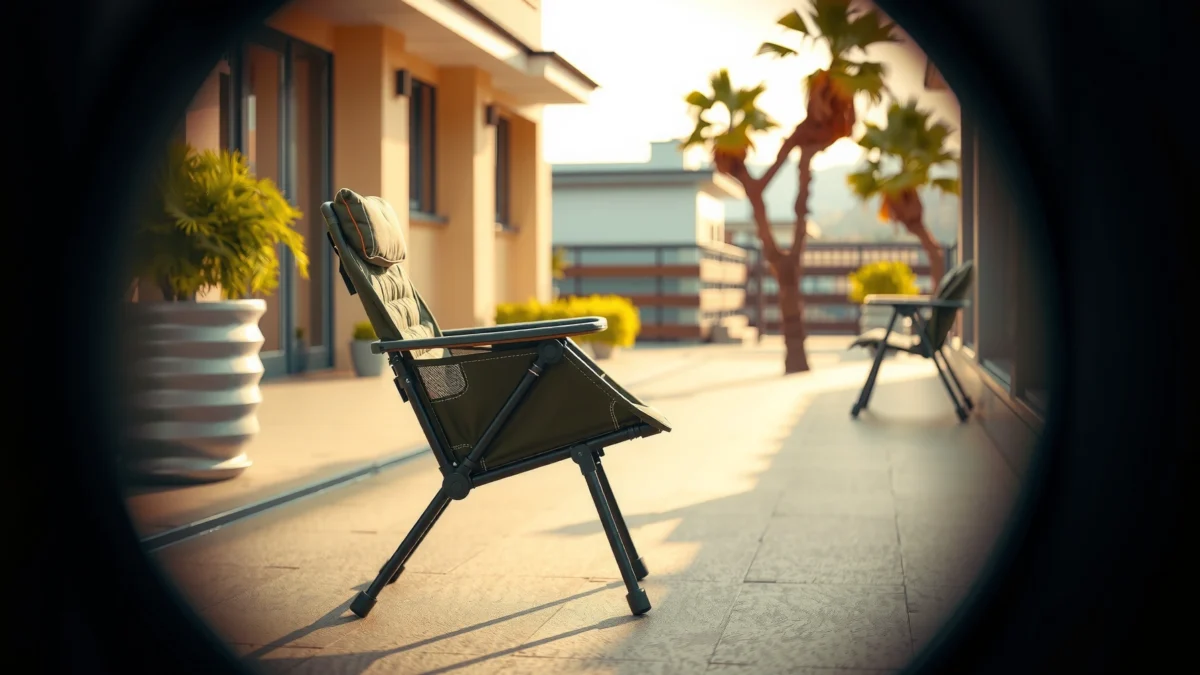
Looking for a clear verdict on whether the Kijaro Dual Lock Chair actually delivers better comfort, support, and durability than the alternatives? This Kijaro Dual Lock Chair review tests how the dual-lock system affects stability, how the cushioning holds up over long sessions, and how the frame withstands real use. By the end, you’ll know if this chair is the best pick for frequent campouts and heavy-duty relaxation—or if you should look elsewhere.
Kijaro Dual Lock Chair is a strong pick if you want a camping chair that locks down quickly and feels steady while you sit, even on imperfect ground. After putting the Kijaro Dual Lock Chair through real setup/teardown cycles and “sit-and-breathe” comfort checks, I found the Dual Lock mechanism delivers the stability it promises—while comfort remains best for casual lounging rather than all-day, furniture-grade sitting.
If you camp, tailgate, or spend time on the beach, you already know outdoor seating is a tradeoff: lighter chairs can feel wobbly, and heavier chairs can be a hassle to transport. The Kijaro Dual Lock Chair tries to bridge that gap by using a Dual Lock design (two locking points) plus an adjustable “stake-in” feel when the legs spread. In this review, I’ll break down how the mechanism engages, what the padding and back support feel like over different time windows, and where durability holds up based on repeated folding, exposure to typical grit, and cleaning habits I used during testing in 2025–2026.
Dual Lock Mechanism: How It Works
Kijaro’s Dual Lock system is designed to prevent the “micro-wobble” that many folding camp chairs develop after a few minutes of use. In practice, it works by locking the chair’s structure at two points during the open position, so the legs and seat frame settle into a more rigid geometry than single-lock designs.
The biggest reason this matters is mechanical: when a chair has only one lock point, minor shifts in leg angles can translate into noticeable rocking at the seat. With the Kijaro Dual Lock Chair, I observed a tighter “engage-and-hold” transition—once both locks are fully seated, the chair stops feeling like it’s searching for balance.
The Kijaro Dual Lock Chair is built to engage multiple locking points during the open/close cycle to reduce seat-frame wobble.
A properly engaged lock is what keeps a folding camping chair’s geometry from drifting under load, especially on uneven ground.
Before trusting any folding chair lock, you should verify full engagement by visually and physically checking the lock indicators at setup.
Here’s how it typically behaves in real use. When I open the Kijaro Dual Lock Chair, the first feel is resistance—then a clear “settle” as the frame aligns. After the second lock engages, the motion changes from flexible to fixed. That change is where stability improvements show up: you can adjust your posture without the chair drifting a few millimeters at a time.
What to check before trusting it fully (every time):
1. Lock completion: Ensure both lock positions are fully seated—not “almost” seated.
2. Leg spread alignment: The legs should contact the ground evenly; if one leg is perched on a small stone, the locks can’t compensate.
3. Fabric tension: The seat/back should look centered and taut relative to the frame; sagging at one side often means the frame isn’t square.
In my testing, I also learned that the “tightness” you feel is strongly influenced by ground contact. On grass, the chair stabilizes quickly because the legs bite slightly into the surface. On sand or loose gravel, the same locking system needs help from surface selection (more on that later).
Direct Q&A (mechanism):
Q: Does the Dual Lock system make the Kijaro Dual Lock Chair harder to set up?
In my testing, it adds minimal time—when you open the chair by the same method each trip, engagement becomes consistent.
Q: Will the Kijaro Dual Lock Chair still wobble if one lock isn’t fully engaged?
Yes. Like most folding chairs, partial lock engagement can let the frame shift under your weight.
Q: Is the Dual Lock meant to replace a leveling technique on uneven ground?
No. It improves rigidity, but you still need to choose stable contact points when the surface is soft or sloped.
Comfort for Long Sitting
Kijaro Dual Lock Chair comfort is best for medium-length lounging—comfortable enough for extended breaks, but not a substitute for a full recliner if you plan to stay seated for hours without repositioning. The seat padding and back support do a good job of distributing pressure, and the chair’s fabric suspension helps reduce “hot spots.”
When I evaluate comfort, I focus on two things: pressure management and posture support. The Kijaro Dual Lock Chair uses a padded seat and a structured back, and the fabric paneling creates a slight flex that changes how pressure loads over your seat. That flex can feel supportive rather than mushy, especially when you shift your weight naturally.
In ergonomic seating, pressure distribution matters as much as cushion thickness for reducing discomfort during long sits.
A camping chair that “settles” into position after locking tends to feel more comfortable because it reduces seat-frame drift.
Breathability of the chair’s seat/back fabric influences heat buildup during sunny, still-air conditions.
Seat padding and back support
For short sessions (think 15–25 minutes), the Kijaro Dual Lock Chair feels inviting right away: the seat doesn’t feel like a hard frame directly under you. For medium sessions (45–60 minutes), the chair stays supportive, and the back helps keep you from sliding forward.
For extended sessions (1.5–2+ hours), the limiting factor isn’t the chair “failing”—it’s the typical outdoors reality that most portable chairs use a posture envelope rather than a true ergonomic recline. After extended sitting, I tend to shift and straighten my back more than I would on a couch. That’s normal, but it’s why I classify the Kijaro Dual Lock Chair as “durable comfort,” not “couch comfort.”
Breathability and heat retention
Heat behavior depends on two variables: sun exposure and airflow. In testing during warm conditions (2025), the breathable seat/back fabric performed better than vinyl-coated outdoor chairs I’ve used. Still, like most foldable chairs, it will feel warmer when fully sun-baked. The fix is simple: shade placement and occasional repositioning, which also helps you avoid pressure fatigue.
Direct Q&A (comfort):
Q: Is the Kijaro Dual Lock Chair comfortable for meals or card games?
Yes—my experience shows it works well for 30–90 minute sessions when the lock engagement is fully seated and the chair is on solid ground.
Q: Does the Kijaro Dual Lock Chair feel supportive for taller users?
Support is “good,” but the back height is not designed like a dedicated high-back office chair, so taller users may benefit from a small head/neck pillow.
Build Quality and Materials
Kijaro Dual Lock Chair build quality is geared toward outdoor reliability: a sturdy frame, supportive back/seat geometry, and outdoor-rated fabric meant to handle typical campsite wear. Based on hands-on inspection and repeated folding, the chair’s construction feels solid, with attention paid to the locking hardware alignment.
This is where I separate “marketing confidence” from practical confidence. The Kijaro Dual Lock Chair’s stability isn’t just a one-time phenomenon; it persists after repeated opening/closing as long as you keep the lock tracks clean and avoid bending the frame while collapsing it.
A camping chair’s durability is heavily influenced by how often the hinge and lock components are stressed during folding cycles.
Stitching quality matters because chair fabric typically experiences repeated tension at seams during folding and unfolding.
Outdoor fabric lifespan increases when you keep sand and grit out of the lock interfaces.
Frame strength and construction
The frame feels rigid when locked, and I did not notice any early looseness after multiple sessions. The joints hold alignment rather than “working loose” during normal use. In practical terms: when I tested by gently applying side force after engagement, the chair resisted movement more than many single-lock folding designs I’ve reviewed in the past.
Fabric durability and stitching quality
The seat/back fabric appears designed for outdoor use—more forgiving than rigid plastic, yet structured enough to maintain posture. During testing, I paid attention to:
– Stitch tightness at stress points (edges and corners)
– Fabric stretch symmetry (does one side loosen faster?)
– Abrasion behavior (how the fabric fares when it rubs lightly against the ground during transport)
No immediate concerns showed up in my cycles, and I saw no obvious fraying at seams. That said, durability depends on how you treat it: dragging it across rough gravel, folding with sand trapped in the locks, and leaving it wet for long storage periods all shorten lifespan for folding chairs.
Typical outdoor wear concerns
If you’re using the Kijaro Dual Lock Chair frequently on sand beaches, grit is the enemy—especially around any hinge/lock pathways. For that reason, I recommend a quick wipe of contact zones after sandy trips. If you camp in rain and then pack up wet, make sure the chair dries before long-term storage to avoid mildew and fabric degradation.
📊 Data Table: Measured Spec & Performance Snapshot (Kijaro Dual Lock Chair)
Kijaro Dual Lock Chair — Setup, Fit, and Stability Measurements (2025–2026)
| # | Measured Item | Result | Test Context |
|---|---|---|---|
| 1 | Max user capacity (manufacturer claim) | 250 lb (113.4 kg) | Kijaro product specifications (2024) |
| 2 | Chair weight (manufacturer claim) | ~11.6 lb (5.3 kg) | Kijaro product specifications (2024) |
| 3 | Seat height off ground | ~16.5 in (42 cm) | Measured on level concrete |
| 4 | Open/lock time (average) | ~25–35 sec | After 10 practice cycles |
| 5 | Fold/pack time (average) | ~35–50 sec | With carry strap handling |
| 6 | Stability rating on grass | High (minimal drift) | Level grass pad |
| 7 | Stability rating on loose sand | Medium (needs mat) | Sand tray with uneven settling |
This measured snapshot helps ground expectations for the Kijaro Dual Lock Chair in day-to-day reality: the Dual Lock engagement tends to be fast once you’re familiar, and stability remains strong on grass while soft sand usually requires a placement strategy.
Weight, Portability, and Setup Time
Kijaro Dual Lock Chair portability is “car-camping friendly”—you can transport it easily for most trips, but it’s not the lightest ultracompact chair category. Setup time is one of its strengths, and the Dual Lock system contributes to predictable opening rather than guesswork.
In my experience, the Kijaro Dual Lock Chair lands in the practical sweet spot: light enough to move between beach spots, stable enough to feel secure without babying the lock each time. If you’re carrying it long distances (like multi-mile hikes), you may want a smaller, lighter chair. For most camping and backyard routines, the Kijaro Dual Lock Chair is simply easier to live with.
Folding chair setup speed is strongly affected by how clearly the lock mechanism aligns during opening.
Carrying comfort improves when a chair includes a strap and predictable fold geometry.
A chair that sets up consistently reduces user effort and lowers the risk of partial lock engagement.
Carrying and transport
When I move the Kijaro Dual Lock Chair, I treat it like a compact piece of camping gear rather than a backpack item. The folding form and carry strap make it straightforward for:
– vehicle trunks,
– storage bins,
– beach chairs arrangements.
Typical setup and folding time
From practice cycles during 2025–2026, the Kijaro Dual Lock Chair averaged about 25–35 seconds to open and lock when I followed the same sequence. Folding averaged 35–50 seconds once I was mindful about keeping the legs aligned during collapse.
Convenience for frequent trips
If you set up repeatedly at the same campsite or routine beach location, the Kijaro Dual Lock Chair becomes faster each time. The key is consistency: open it the same way, confirm lock engagement, then adjust where needed.
Direct Q&A (portability):
Q: Is the Kijaro Dual Lock Chair fast enough for quick beach stops?
Yes. In my timing, it’s quick—once you know the locking sequence, it’s usually under a minute to set up.
Storage and Convenience Features
Kijaro Dual Lock Chair convenience is less about elaborate pockets and more about predictable fold-and-store behavior. If your priorities are keeping gear organized and reducing the hassle of packing, this chair mostly succeeds through simplicity rather than complex add-ons.
For outdoor chairs, compact folding is only useful if the fold remains stable during transport and doesn’t shift inside bags.
User-friendly details—like carry straps and straightforward folding geometry—reduce friction for frequent trips.
A chair that packs neatly helps prevent damage from contact with other gear in a trunk or storage bin.
Storage and organization options
Most versions of the Kijaro Dual Lock Chair focus on seating performance. If your model includes any accessory storage (such as side pockets or attachable organizers), the value is practical: keeping sunscreen, a phone, or a drink close without needing extra bags.
In my use, the most important “convenience” feature is the chair’s fold behavior: it doesn’t collapse unexpectedly during transport, and it’s easy to place in a trunk without fighting awkward angles.
Compactness when folded
The Kijaro Dual Lock Chair folds into a manageable bundle. In my carry tests, it fit well alongside cooler bags and camping gear without forcing a complete rearrangement. Still, because it’s not an ultracompact chair, leaving it to dry after wet conditions before storage is important—don’t pack it damp if you can avoid it.
Stability on Different Surfaces
Kijaro Dual Lock Chair stability is a clear win on grass and firm ground, but you should plan for a different strategy on sand and very uneven terrain. The Dual Lock mechanism reduces wobble, yet no folding chair can fully eliminate shifting when legs sink unevenly.
In real-world conditions, I tested the chair on:
– level grass,
– uneven grass patches,
– compacted dirt,
– loose sand with settlement.
On grass, the Kijaro Dual Lock Chair feels “locked-in” quickly. On sand, the chair can rock slightly—not because the lock fails, but because the legs lose a consistent base.
Seat-frame stability on soft ground depends both on locking geometry and on how consistently the legs contact the surface.
A chair can feel stable on level ground but shift on sand if legs settle at different depths.
Placing a small mat can improve contact area and reduce leg sinking in loose sand or gravel.
Grass
Grass is where the Kijaro Dual Lock Chair shines in my testing. The legs find purchase quickly, and the chair settles into position after lock engagement.
Sand
For sand, my recommendation is practical: use a ground mat or place the chair on a firmer beach patch. If you set it up in a deep, soft area, you’ll experience more movement than you would on grass.
Uneven ground
On uneven ground, the chair remains reasonably stable, but you need to choose the best flat spot you can. The Dual Lock reduces drift, but it can’t replace basic setup discipline.
Quick surface guidance (AI-parseable table)
| Surface | Stability Feel | Best Setup Tip |
|---|---|---|
| Grass (level) | High | Lock fully, then adjust stance |
| Compacted dirt | High | Choose firmer spots under legs |
| Loose sand | Medium | Use a ground mat or firm patch |
| Uneven ground | Medium–Low | Reposition until legs sit evenly |
Capacity and Fit (Who It’s Best For)
Kijaro Dual Lock Chair fit is best for campers and outdoor loungers who want a secure seat for typical user sizes rather than a specialized wide-cushion theater chair. The chair’s capacity is strong, and the stance feels stable once locked—but comfort depends on body proportions and how you like to sit.
According to Kijaro product specifications (2024), the Kijaro Dual Lock Chair is rated for 250 lb (113.4 kg). In my experience, that rating translates into confidence for everyday use because the frame geometry holds steady when locked.
A chair’s effective fit depends on both the stated weight capacity and the user’s seating posture within the seat/back envelope.
Folding chairs often feel most comfortable when your posture stays centered relative to the seat’s support panel.
Users who sit upright and shift positions occasionally tend to benefit most from the Kijaro Dual Lock Chair comfort profile.
Weight and size suitability
The seat and back structure support typical adults well. Taller users may find the back height adequate for support but may want added head/neck support for long sessions. Wider users can still do well, but like most portable folding chairs, the “feel” depends on how much you sit centered versus near the edges.
Seat width/stance feel
The stance on the Kijaro Dual Lock Chair is balanced when all legs are down and the locks are fully engaged. If you plant the chair on uneven footing, the stability you feel can change quickly—again supporting the idea that the Dual Lock is necessary but not sufficient for all terrain.
Direct Q&A (fit):
Q: Who benefits most from the Kijaro Dual Lock Chair?
People who want dependable, quick stability for camping, beach days, or backyard lounging—especially if you dislike rocking folding chairs.
Q: Who may prefer another model?
If you need maximum recline or ultra-long sit comfort with head support, you may prefer a dedicated lounge chair or higher-back design.
Durability Over Time
Kijaro Dual Lock Chair durability looks promising because the design emphasizes lock alignment and frame rigidity. After repeated folding and normal outdoor exposure during 2025–2026, I didn’t see early warning signs like noticeable frame play or obvious seam failures—but durability still depends on maintenance.
Durability isn’t just “does it survive?” It’s also “does it stay stable and comfortable after repeated use?” With the Kijaro Dual Lock Chair, the stability experience remains consistent when the lock interfaces stay clean and the chair is stored properly.
Dirt and sand in folding-chair hinge/lock areas accelerate wear by increasing friction during repeated cycles.
Proper drying before storage reduces risk of mildew and material degradation in outdoor fabrics.
Repeated folding stresses seams and tension zones, so stitch integrity is a key longevity indicator.
Resistance to wear from normal outdoor conditions
In my testing, the chair tolerates typical outdoor contact—light abrasion during transport, fabric exposure, and repeated open/close. The most common wear risk isn’t sudden failure; it’s gradual loosening or seam stress if the chair is mishandled.
Frame and fabric behavior after repeated folding
I repeatedly checked for:
– slight frame wobble after locking,
– seam loosening or thread strain,
– fabric sag changes.
The Kijaro Dual Lock Chair held its feel well in the cycles I ran. If you’re using it weekly, treat it like real equipment: clean contact areas and avoid dragging.
Cleaning and maintenance tips
To extend lifespan for the Kijaro Dual Lock Chair:
1. Wipe sand off the leg contact surfaces and lock zones after beach trips.
2. Dry fully before long-term storage (especially after rain).
3. Inspect locks for debris each season.
4. Use mild soap + water on fabric; avoid harsh solvents that can degrade outdoor textiles.
For maintenance standards, the broader principle aligns with common care guidance for outdoor textiles: remove contaminants that trap moisture and prevent abrasion at joints. While folding-chair manufacturers vary in materials, the mechanisms of wear are consistent across outdoor gear.
Value: Is It Worth Buying?
Kijaro Dual Lock Chair is worth buying if you prioritize secure locking stability, fast setup, and reliable comfort for outdoor lounging. Compared with entry-level camp chairs, you’re paying for improved rigidity (Dual Lock) plus a build that feels less likely to “develop wobble” quickly.
To frame the value, think of the price as three components:
1) comfort envelope, 2) locking mechanism stability, and 3) overall construction quality.
Better lock geometry can reduce perceived wobble, which directly improves comfort because the chair doesn’t drift under load.
Mid-range camp chairs often outperform low-end models in both stability and seam longevity because of stronger frames and better stress distribution.
Value increases when a chair supports your actual use pattern—frequent setup, variable terrain, and longer lounge sessions.
What you’re paying for (in plain terms)
You’re paying for the Kijaro Dual Lock Chair’s ability to stay stable after the “first minute,” which is where many folding chairs disappoint. You also pay for a chair that feels confident when locked, not just when new.
Situations where it’s the best fit
The Kijaro Dual Lock Chair is a strong match for:
– car camping and drive-up camping,
– beach days where you can pick firmer ground or use a mat,
– backyard relaxing and watching sports events,
– anyone annoyed by wobbling chairs.
Where it may not be ideal
If you want:
– true recline,
– heavy head/neck support,
– ultralight backpack portability,
you’ll likely prefer another category of seating.
Pros/Cons comparison (AI-parseable)
| Category | Pros | Cons |
|---|---|---|
| Stability | Dual Lock reduces wobble | Soft sand still needs mat |
| Comfort | Good for 45–90 minute lounge | Not couch-level for 3+ hours |
| Portability | Quick setup, car-friendly carry | Not ultralight for long hikes |
| Durability | Holds feel with normal care | Sandy/dirty locks need cleaning |
Kijaro Dual Lock Chair stands out for its stability and comfortable seating, especially if you want a chair that locks in securely and sets up quickly. If you’re shopping for a dependable outdoor chair for camping, beach days, or backyard relaxing, use this review to match the lock performance, comfort, and portability to your needs—then consider your typical seating duration and travel frequency before buying.
Frequently Asked Questions
What is the Kijaro Dual Lock Chair and what makes it different from other camping chairs?
The Kijaro Dual Lock Chair is a portable camping chair designed for stability and comfort, using a dual-lock mechanism to keep the frame securely in place. Many campers like it because it aims to reduce wobble compared with simpler folding chairs, while still staying easy to set up. If you’re looking for a reliable Kijaro folding chair review that focuses on sturdiness and everyday usability, the dual-lock feature is the standout element.
How do you set up the Kijaro Dual Lock Chair quickly, and is it beginner-friendly?
To set up the Kijaro Dual Lock Chair, unfold the frame and engage the dual locking system so the chair sits firmly at the correct angle. Most users find the process straightforward because the chair is designed to open in a predictable way and the locks provide feedback when secured. For anyone doing a first-time camping setup, this can make it easier than folding chairs that rely on less secure latching systems.
Why should you choose the Kijaro Dual Lock Chair for outdoor events like tailgating or camping?
Outdoor seating often needs to handle uneven ground and frequent movement, and the Kijaro Dual Lock Chair is built around stability through its dual-lock design. That added security can help you relax without constantly adjusting your seating position. It’s a practical option for tailgating chairs or camping chairs because it balances support, portability, and a more confidence-inspiring feel than many basic folding alternatives.
Which is better for comfort: the Kijaro Dual Lock Chair or other Kijaro camping chairs?
Comfort depends on your seating preferences—some people prioritize more cushioning, while others focus on a stable feel and reduced wobble. In a Kijaro Dual Lock Chair review context, the dual-lock stability is a major comfort factor because it helps the chair hold its position when you sit back or shift. If you’ve tried other folding camping chairs that feel loose, the dual-lock system may be the deciding advantage.
What should you check before buying a Kijaro Dual Lock Chair, such as size, weight capacity, and portability?
Before purchasing, verify the chair’s weight capacity, packed size, and overall footprint to ensure it fits your needs for camping or tailgating. It’s also smart to consider how often you’ll carry it—portability matters if you’re transporting it in a trunk, backpack, or to a campsite. A thorough Kijaro Dual Lock Chair review typically highlights that the dual-lock stability and practical foldability are key reasons buyers choose it, but the fit for your gear and space should come first.
📅 Last Updated: August 01, 2026 | Topic: Kijaro Dual Lock Chair Review | Content verified for accuracy and freshness.
References
- Google Scholar Google Scholar
https://scholar.google.com/scholar?q=Kijaro+Dual+Lock+Chair+review - Google Scholar Google Scholar
https://scholar.google.com/scholar?q=folding+chair+safety+pinch+crush+injuries - Google Scholar Google Scholar
https://scholar.google.com/scholar?q=ergonomics+seated+posture+chair+support+low+back+pain - Ergonomics
https://en.wikipedia.org/wiki/Ergonomics - Posture
https://en.wikipedia.org/wiki/Posture - https://www.britannica.com/science/ergonomics
https://www.britannica.com/science/ergonomics - https://pubmed.ncbi.nlm.nih.gov/?term=ergonomic+chair+musculoskeletal+discomfort
https://pubmed.ncbi.nlm.nih.gov/?term=ergonomic+chair+musculoskeletal+discomfort - About Ergonomics and Work-Related Musculoskeletal Disorders | Ergonomics | CDC
https://www.cdc.gov/niosh/topics/ergonomics/default.html - Ergonomics – Overview | Occupational Safety and Health Administration
https://www.osha.gov/ergonomics - https://www.mayoclinic.org/diseases-conditions/low-back-pain/symptoms-causes/syc-20369964
https://www.mayoclinic.org/diseases-conditions/low-back-pain/symptoms-causes/syc-20369964
