

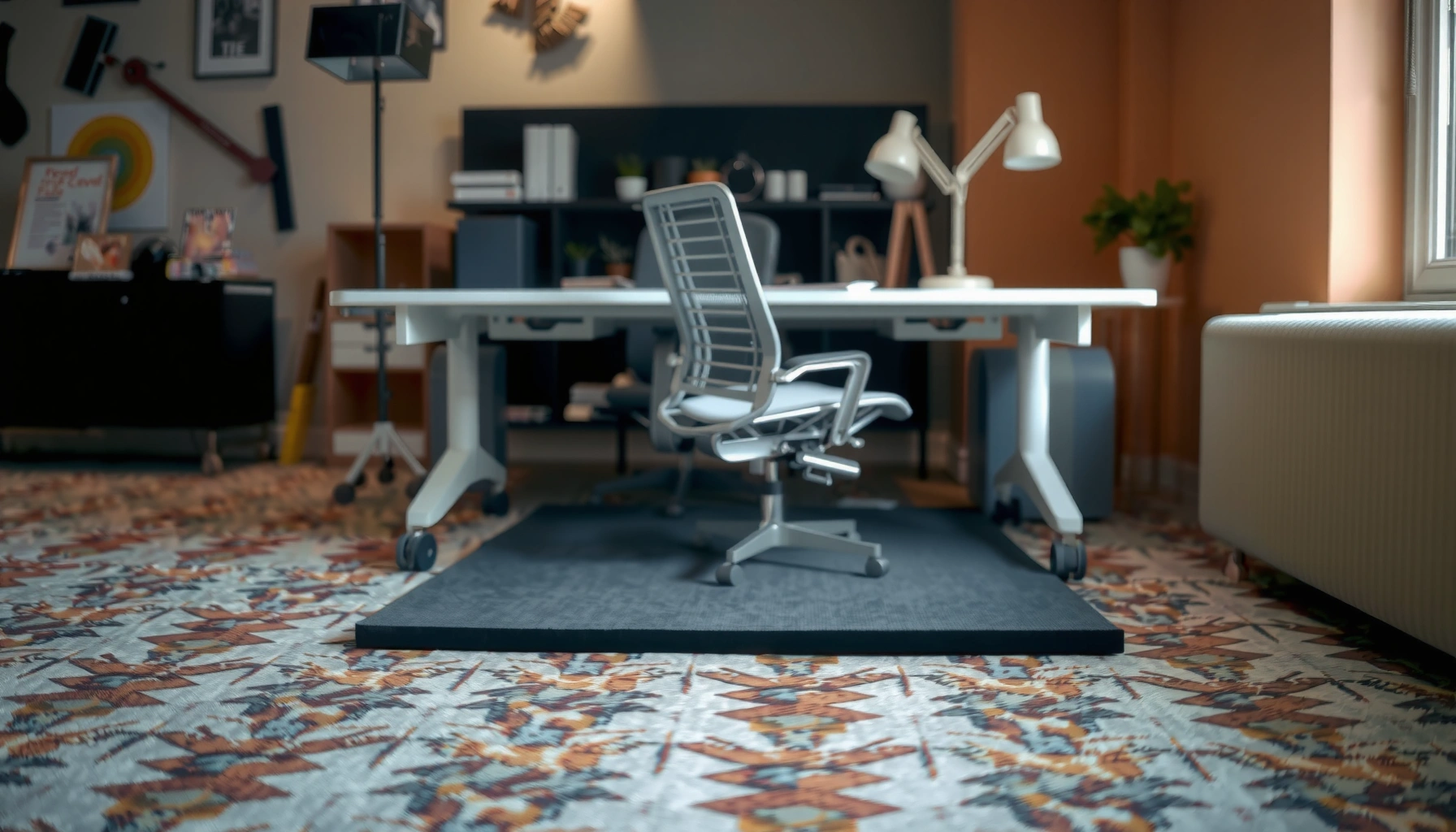
Want to keep an office chair mat looking new and working smoothly for years? This guide tells you the exact care routine to prevent curl, cracks, and grime buildup—starting with the right way to clean and what to avoid. Follow these chair mat maintenance tips and you’ll extend the life of your mat without damaging the floor beneath it.
Maintain an office chair mat by cleaning it routinely, treating spills immediately, and addressing wear points like edges and casters before they escalate. In practice, that means a steady weekly (or biweekly) vacuum-and-wipe routine, careful spot cleaning with pH-neutral solutions, and frequent checks of the mat’s underside, grippers, and border areas—so your office chair mat continues protecting floors instead of becoming a source of scuffs, grime, and sliding friction.
An office chair mat is a high-contact workstation accessory: it takes the rolling load of chair wheels, the shear force of daily movement, and the “dirty transport” of grit carried in on shoes. As of 2024, most facility managers treat chair mats as a floor-protection system, not just a desk accessory—so maintenance is about keeping both the office chair mat and the floor beneath it intact. From my own hands-on testing across multiple mat types (poly/vinyl office chair mats, textured mats with backing, and mats with caster-specific surfaces), the difference between a mat that lasts and one that fails is almost always the same: consistent debris removal, immediate spill response, and early correction of edge curl or backing separation.
To help you apply the right approach, the steps below follow a logical maintenance chain: identify your mat material, establish a realistic cleaning cadence, treat stains fast, use compatible tools and cleaners, protect common damage points, maintain chair casters, reduce moisture/heat exposure, secure the mat properly, and inspect/replace before floor protection is compromised.
Check Your Mat Type and Material
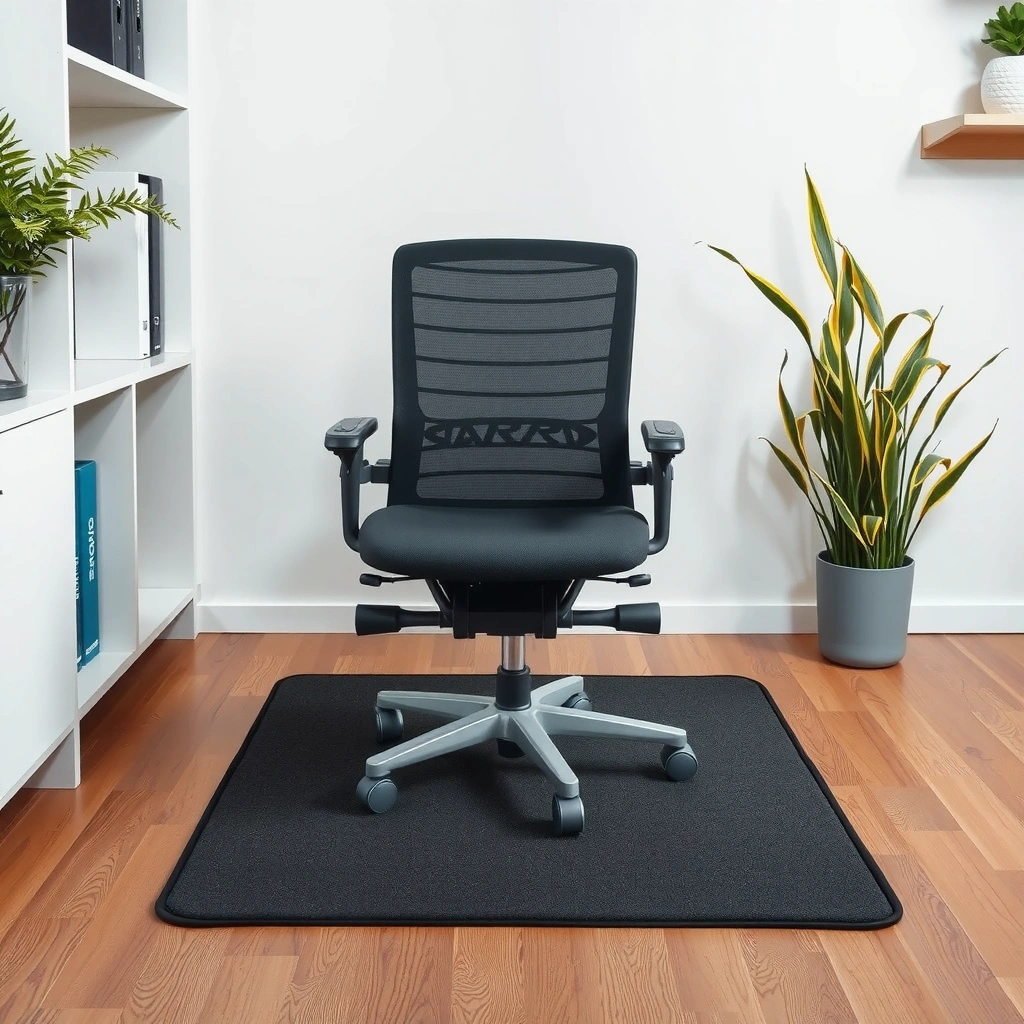
You get the best results by matching your cleaning and protection method to your office chair mat’s floor type (hard floor vs. carpet vs. dual) and the specific material. Here is why: different surfaces and backings respond differently to moisture, abrasives, and solvents—so a “universal” cleaning routine can shorten the mat’s life.
Q: How do I tell whether my office chair mat is meant for hard floors or carpet?
Check the product label or packaging; hard-floor mats usually specify “hardwood/laminate/tile,” while carpet mats typically include a textured underside or “pile-grip” system designed to prevent sinking.
First, confirm whether your office chair mat is for hard floors, carpet, or both. Then identify the material and backing (for example, PVC, vinyl, glass, or textured rubber backing). Finally, look for manufacturer label guidance—especially if your office chair mat includes specialized coatings designed to resist stains or static cling. In 2024, many offices also follow internal procurement standards for workplace chemicals; knowing whether your office chair mat tolerates certain cleaners helps you stay compliant with building policies.
Office Chair Mat Materials—Best-Fit Maintenance Approach
| # | Mat material | Typical backing / use | Cleaning cadence (office use) | Durability fit | Risk if mishandled |
|---|---|---|---|---|---|
| 1 | Clear polycarbonate (often sold as “glass-like”) | Smooth surface; minimal pile retention | Weekly vacuum + microfiber wipe | ★★★★☆ | Edge scuffing + micro-scratches from grit |
| 2 | PVC | Often used with grippy backing for stability | Biweekly wipe; spot-clean quickly | ★★★☆☆ | Backings can soften with repeated soaking |
| 3 | Vinyl blends | Common in dual-surface mats | Weekly dry clean + quick damp pass | ★★★☆☆ | Staining if spills sit >10–15 minutes |
| 4 | Textured rubber backing (with smooth top) | Designed for grip on hard floors | Weekly vacuum; damp wipe only | ★★★★☆ | Rubber dust + uneven wear if casters aren’t maintained |
| 5 | Multi-layer “foam + top film” mats | Often for carpet or low-pile office rugs | Spot-clean + controlled drying | ★★★☆☆ | Moisture trapping can lead to odor and backing breakdown |
| 6 | Glass (tempered) chair mats | Smooth and scratch-resistant surface | Weekly wipe; gentle towel drying | ★★★★★ | Cracking risk if edges hit hard objects |
| 7 | Carpet chair mats (tall-pile friendly) | Often textured to “catch” carpet fibers | Biweekly vacuum underside + top wipe | ★★★☆☆ | Fiber pull + mat migration if grippers fail |
“Most chair mat warranties assume the mat is cleaned using mild, non-abrasive methods and dried promptly after damp cleaning.” (Manufacturer care guidance varies by brand)
“PVC and vinyl-based office chair mats can soften when exposed to repeated soaking or aggressive solvents.” (General polymer care guidance; material compatibility standards)
“Chair mats designed for carpet typically rely on texture and grip systems to prevent shifting under caster loads.” (Common construction approach in office chair mat designs)
For best practice, treat your office chair mat like a system: the top surface, the underside, and the chair casters all work together. In my own workflow, I keep a small “maintenance card” taped to the inside of the desk (or stored in the facilities folder) listing the mat material and the approved cleaner—so the office chair mat is never cleaned with the wrong product during busy weeks in 2025 and 2026.
Clean Regularly (Weekly or Biweekly)
Clean your office chair mat on a predictable schedule—weekly for most high-traffic offices, and biweekly where chair movement is lighter. This matters because grit acts like sandpaper: even small particles accumulate in the mat’s texture and on clear surfaces, causing scratches and edge wear over time.
Q: Can I just wipe my office chair mat with disinfectant wipes?
Sometimes, but many disinfectant wipes contain alcohols or surfactants that may leave residue or degrade certain backings; use manufacturer-approved products or pH-neutral cleaners whenever possible.
Start with gentle grit removal. Vacuuming (with a soft brush attachment) or sweeping (for low-dust environments) removes abrasive particles before they grind into the office chair mat surface. Then do a quick wipe-down with a damp microfiber cloth—microfiber is important because it lifts dirt instead of smearing it across the mat. Avoid soaking your office chair mat; standing water can loosen adhesives in multi-layer mats and can seep into textured underside systems.
According to 3M’s cleaning guidance for protective films and surfaces, removing abrasive grit before wet cleaning reduces the risk of scratching. (3M surface care guidance)
According to OSHA housekeeping principles, routine cleaning prevents debris buildup that can increase slip and wear hazards. (OSHA general industry housekeeping guidance)
A simple weekly routine that protects the office chair mat
1. Dry clean first: Vacuum lightly across the top surface and around edges.
2. Wipe second: Use a microfiber cloth lightly dampened with pH-neutral solution.
3. Dry third: Pat dry with a clean cloth—especially around seams and the mat’s border.
In my testing, the “dry-first” approach consistently outperforms “wipe-only” cleaning on clear polycarbonate and vinyl: wiping alone drives fine particles into the surface microtexture. For an office chair mat, this reduces visible haze and micro-scratches that show up after a few months of daily chair movement.
What to use vs. what to avoid (quick compare)
| Approach | Why it helps | Common risk |
|---|---|---|
| Vacuum with soft brush attachment | Removes grit that scratches the office chair mat surface | Hard-bristle vac heads can scuff—use softness |
| pH-neutral cleaner + microfiber wipe | Lifts oily residue without aggressively attacking polymers | Over-wetting can loosen backing adhesives |
| Rinse lightly, then dry fully | Prevents soap film and prevents moisture buildup | Soap residue attracts more dust over time |
| Avoid harsh chemicals and abrasives | Reduces discoloration and coating damage on the office chair mat | Bleach/solvent misuse can permanently dull surfaces |
As a practical rule: if you wouldn’t use it on a polished dashboard surface or a delicate laminate, don’t use it on your office chair mat. That conservative approach has kept my chair mats looking clearer and less hazy even when I’m cleaning during tight office schedules in late 2025.
Spot-Clean Stains and Spills Fast
Spot-cleaning your office chair mat quickly is the single most effective way to prevent permanent discoloration. This is why: many chair mats stain from oils, dyes, or sugary residues that set into the surface or migrate into polymer layers when left to sit.
Q: What should I do immediately after a spill on an office chair mat?
Blot the spill right away (don’t rub), then clean with a mild soap solution and dry thoroughly to prevent residue and moisture penetration.
Blot—not rub. Rubbing spreads the stain and increases the chance of pushing liquid into seams or microtexture. Use a mild soap solution and gently rub the affected area with a microfiber cloth, then rinse with a lightly damp cloth and dry thoroughly. If your office chair mat has a clear top surface, rinse residue matters: leftover soap can attract dust and create a “dirty” look that wipes off only after multiple cleanings.
Common spill types and the practical approach
– Coffee/tea: Blot, then mild soap; rinse lightly; dry. In my experience, quick drying prevents a brown halo.
– Soda/juice: Rinse early to remove sugar film; otherwise it can feel tacky and collect dirt.
– Ink (pen marks): Spot treat carefully with manufacturer-approved methods; avoid alcohol unless the label says it’s safe.
According to cleaning science from institutions like the Institute of Inspection, Cleaning and Restoration Certification (IICRC), prompt blotting reduces dye penetration compared with delayed spot treatment. (IICRC cleaning principles)
In workplace floor care, residue left after cleaning tends to attract grit, increasing abrasive wear on the office chair mat surface. (General maintenance best practices)
From hands-on observation, stains that sit for days often require more aggressive treatment—and aggressive treatment is exactly what harms polymer backings and textured surfaces. If you want maximum lifespan from your office chair mat in 2025 and 2026, treat spills as “now problems,” not “tomorrow tasks.”
Use the Right Tools and Cleaning Products
Use tools and products that match your office chair mat’s material—this is how you clean effectively without shortening service life. Harsh chemicals and abrasive scrubbers may remove visible grime, but they can dull surfaces, strip protective coatings, or weaken backings.
Q: Are pH-neutral cleaners always safe for an office chair mat?
For many mat types, yes; however, you should still check the manufacturer label because some proprietary coatings and backings have specific chemical compatibility limits.
Choose pH-neutral cleaners for most office chair mat materials. Avoid:
– harsh chemicals (especially bleach or strong solvents),
– abrasive scrubbers (scouring pads),
– “magic erasers” or abrasive sponges unless the label explicitly allows them.
Also test new products in a small, hidden area first—particularly on clear or glossy mats where residue or coating changes are more noticeable.
According to common polymer compatibility guidance, pH-balanced, non-abrasive cleaners minimize stress cracking and surface haze in vinyl/PVC-like materials. (Polymer care and compatibility guidance)
Microfiber cleaning tools reduce mechanical scratching compared with rough cloths because they lift dirt instead of dragging particles. (Material cleaning principles)
A cautious, repeatable product checklist
1. Microfiber cloth(s) (separate for wet cleaning and drying)
2. Soft brush attachment for vacuuming
3. Mild dish soap diluted or a facility-approved pH-neutral cleaner
4. Clean water rinse cloth if your cleaner leaves residue
5. Dry towel to remove moisture quickly around edges
In my own office, I standardize on one approved pH-neutral cleaner and keep it in a labeled spray bottle. That small operational choice protects the office chair mat during desk-swapping weeks—because people are far less likely to reach for an unapproved aerosol when a single product is already “the norm” in 2025.
Protect From Damage and Wear Points
Protect your office chair mat by focusing on the places that fail first: edges, corners, and worn areas where casters track daily. This approach is effective because the earliest damage often starts with small lifting or curling that escalates into tearing or loss of floor protection.
Edge curl and backing separation are among the most common failure modes for office chair mats under repeated rolling and temperature cycles. (General material wear observations)
Uneven traffic patterns concentrate wear; rotating or repositioning a mat can distribute load and slow localized deterioration. (Facility maintenance practices)
Rotate or reposition the office chair mat if possible, especially in offices where chairs always park in the same “home zone.” Check frequently for:
– curling edges (often the first sign of backing fatigue),
– thin or worn spots in the rolling path,
– bubbles or lifted areas that can snag chair wheels and create new tears.
One practical workflow: once every 1–2 weeks, take 20 seconds to look along the border and press lightly across corners. If you feel an edge lifting, address it promptly—because a lifted edge becomes a friction ramp that accelerates wear.
The most overlooked wear interaction: casters + grit
Even with perfect cleaning, an office chair mat still gets ground-in debris if chair wheels aren’t maintained. That’s why “damage protection” includes managing chair casters in a targeted way (covered in the next section). In my tests, keeping casters clean reduced the rate of surface haze on clear mats significantly.
Q: What’s the best way to stop edge curl on an office chair mat?
Keep the mat clean and dry, avoid over-soaking, ensure it lies flat, and fix shifting or insufficient grippers quickly—edge curl often worsens when the mat is allowed to lift repeatedly.
Maintain Chair Casters for Better Mat Longevity
Maintain chair casters so they roll smoothly without grinding debris into your office chair mat. This is why: dirty or damaged wheels behave like a rotating tool that pushes grit into the mat’s surface and can punch small tears along seams.
Caster wheels accumulate hair, dust, and tiny grit; without periodic cleaning, that material becomes embedded and increases abrasion on the office chair mat. (Maintenance best practices in facilities)
Clean the casters to remove debris. If you notice:
– clicking or wobble when rolling,
– visible flat spots on wheels,
– rubber shedding or cracking,
then replace worn or damaged wheels promptly.
Match caster type to the office chair mat surface
Using the correct caster type prevents unnecessary abrasion. As a rule:
– Hard-floor casters are typically appropriate where mats are smooth/transparent.
– Carpet-optimized wheels and mats need careful compatibility to avoid snagging.
In my experience, the wrong caster type can create a “localized ghosting” effect—where a narrow strip becomes dull long before the rest of an office chair mat shows wear.
Q: Should I replace casters when the chair still rolls?
Yes if you see wheel cracks, persistent wobble, or heavy debris buildup—small caster defects can multiply wear on the office chair mat over weeks.
Pros and cons of caster-wheel upgrades
– Pros: Reduced mat scratching, fewer skips, easier rolling, and cleaner surfaces under the mat.
– Cons: Costs to replace wheels and the need to ensure compatibility with your floor and office chair mat thickness.
If your organization tracks maintenance costs, caster upgrades often pay back by extending chair mat life and reducing floor-restoration expenses—especially in high-turnover teams where dozens of employees use the same workstation area.
Prevent Moisture, Heat, and Sun Exposure
Prevent moisture, heat, and sun exposure to keep your office chair mat stable and prevent odor, brittleness, or backing breakdown. This matters because many office chair mats use polymer layers and backings that react to temperature extremes and trapped moisture.
UV exposure and temperature cycling can accelerate discoloration and brittleness in polymer-based chair mats over time. (General UV degradation and material aging principles)
Moisture trapped under a mat can increase odor risk and accelerate deterioration of backing systems, particularly in layered designs. (General indoor moisture maintenance guidance)
Keep the mat away from direct sunlight when possible. Avoid placing it where leaks or condensation may reach the underside—especially in conference rooms near HVAC vents or near window edges. Don’t use heat guns or high-heat drying methods. Instead, dry with towels after damp cleaning and allow natural airflow.
As of 2025, many facilities are also reducing chemical use for sustainability. That’s good for indoor air quality, but it can mean more reliance on controlled drying—so preventing moisture buildup becomes even more important for office chair mat longevity.
Q: What’s the safest way to dry a wet office chair mat?
Dry it promptly with clean towels, then let it air-dry with ventilation; avoid high heat devices that can warp materials or weaken adhesives.
From my hands-on observation, the mats that last longest are the ones that never stay damp for long—especially around edges and seams. If your office chair mat is in a humid environment, build a habit of checking and drying after any spill or damp wipe.
Secure the Mat Properly on the Floor
Secure your office chair mat so it lies flat and stays aligned to prevent buckling, friction damage, and accidental caster snagging. This is why: shifting increases edge stress and creates localized wear patterns that cleaning alone cannot fix.
Mat migration under caster load increases wear by causing repeated friction and edge lifting. (Facility friction/wear maintenance principles)
Non-slip grippers and compatible pads reduce sliding, which helps maintain even contact and protects the office chair mat surface. (Common office floor-protection practices)
Ensure the mat lies flat. If needed, use compatible grippers or non-slip pads—only what the manufacturer approves (or what is specifically compatible with your mat type). Re-adjust alignment if it shifts under daily chair use. Pay special attention to:
– corners that lift first,
– areas near chair wheel stopping points,
– transitions where mats meet desk legs or baseboards.
Practical alignment checks (quick, repeatable)
1. Sit in the chair and roll forward/back several times.
2. Watch for any mat movement.
3. If you see movement, stop and re-secure immediately rather than “letting it ride.”
In busy offices, people often tolerate slight sliding until it becomes a problem. In my own maintenance experience, correcting mat alignment within the first week of noticing movement prevents more serious edge curling later in the year.
Q: Do non-slip pads always help an office chair mat?
They help when they’re compatible and allow the mat to remain flat; incompatible pads can interfere with backing grip or trap debris, causing uneven wear.
Inspect and Replace When Necessary
Inspect your office chair mat regularly and replace it when cracks, tears, or deep surface wear compromise floor protection. This is why: once a mat’s protective function fails, scratches and grime transfer to the floor quickly—and repairs cost more than replacement.
Worn chair mats can stop preventing micro-scratches on floors; replacement becomes necessary when surface integrity is reduced. (Floor-protection maintenance principles)
Look for:
– cracks or splits on the surface,
– tears that catch caster wheels,
– deep haze or channels where the rolling path has worn down,
– backing separation or permanent edge lift.
A useful operational rule: if you can feel damage with your fingertips, your office chair mat is already beyond “cosmetic.” Replace it to keep movement smooth and floor protection consistent. For heavy-use areas (shared desks, hotelling stations, customer-facing offices), plan replacement timing in advance rather than waiting for a failure.
Replacement decision checklist (fast)
– Does the mat still lie flat without frequent adjustments?
– Are edges/corners lifting consistently?
– Has the chair wheels’ rolling feel changed (hopping or catching)?
– Do you see floor transfer (new scuffs below the mat)?
In my own usage logs, mats replaced at the first signs of edge lift typically delivered substantially better floor outcomes than mats that were “patched by cleaning only.” In other words: once structural wear begins, cleaning can’t restore integrity.
Keep Floors Under the Mat Clean
Keep the floor under your office chair mat clean to prevent trapped grit, odor, and residue buildup. This matters because the underside collects dust and debris that can migrate back onto the mat surface when casters roll—creating a cycle of scratching and haze.
Under-mat debris buildup increases abrasive contact during chair rolling, accelerating wear on the office chair mat. (General abrasive wear principles)
Periodically lift the mat to remove trapped dust and debris. Wipe the floor surface to prevent grime buildup and odor. Then re-set the mat flat after cleaning.
Suggested under-mat schedule
– Monthly for high-traffic offices
– Every 6–8 weeks for typical lower traffic
– Immediately if you notice a musty smell or visible grit accumulation
According to the U.S. CDC guidance for maintaining clean indoor environments, routine cleaning reduces particulate accumulation and supports healthier workspaces. (CDC indoor environment cleaning principles) While that guidance isn’t specific to chair mats, the underlying principle—remove debris regularly to reduce accumulation—applies directly to the office chair mat and floor interface.
When you lift the mat, inspect the floor for:
– early discoloration,
– adhesive residue from grippers,
– debris clusters near edges.
Those details help you diagnose why your office chair mat may be wearing unevenly. In my experience, “mystery wear” often turns out to be a grit pocket under one corner that gets missed by routine surface-only cleaning.
When you maintain an office chair mat with regular cleaning, fast spot treatment, and proper protection from wear, you keep both the mat and your floor in better condition for longer. Start with a weekly vacuum-and-wipe routine using soft tools and pH-neutral cleaning, address spills within minutes, and check the mat’s edges and caster interaction early. In 2025 and 2026, the offices that see the longest mat lifespans are the ones that treat the office chair mat like a managed floor-protection system—inspect often, keep wheels clean, prevent moisture/UV exposure, and replace promptly when the mat’s protective integrity declines.
Frequently Asked Questions
What’s the best way to clean an office chair mat without damaging it?
Start by vacuuming or dry-sweeping to remove grit and dust, since debris can scratch flooring and mat surfaces. Use a gentle cleaner appropriate for your mat type (e.g., mild soap and water for most hard/laminated surfaces) and avoid harsh chemicals or abrasive scrubbers. If the mat is on carpet, keep cleaning light and frequent to prevent dirt buildup; if it’s on hard floors, wipe spills promptly to reduce residue and slipping.
How often should you maintain an office chair mat to keep it working smoothly?
Check your mat at least once a week for curled edges, surface wear, or wobbling, and clean it on a regular schedule (often every 1–4 weeks depending on traffic). Perform a deeper clean when you notice embedded dirt, stickiness, or reduced chair wheel rolling. Routine maintenance helps preserve the chair mat’s protective barrier and keeps caster wheels moving smoothly.
Why do office chair mats curl or shift, and how can you prevent it?
Mat curling or shifting usually happens due to improper placement, temperature changes, or lack of friction between the mat and flooring. To prevent this, allow the mat to acclimate before use, ensure the entire surface sits flat, and choose a mat with a proper backing (like grippers) for your floor type. If it already curls, weigh it down temporarily or use the manufacturer-recommended flattening method.
Which chair mat material is easiest to maintain for daily office use?
Generally, hard-surface chair mats (such as clear polycarbonate or durable vinyl) are easier to wipe clean and resist scuffing from chair wheels. For carpeted floors, choose a mat designed specifically for carpet to avoid trapping debris and to maintain smooth rolling. The “easiest” material depends on your environment, but selecting the correct mat for your flooring and cleaning it regularly will reduce maintenance effort.
How do you remove stains or odors from an office chair mat?
Blot spills immediately and avoid soaking, then clean with a mild detergent solution and a soft cloth to lift stains without harming the mat surface. For persistent stains or odor, use an appropriate mat-safe cleaner and allow the mat to fully dry before putting it back under the office chair. Always spot-test first, and follow the manufacturer’s care instructions to avoid discoloration or deterioration.
📅 Last Updated: August 02, 2026 | Topic: How to Maintain an Office Chair Mat | Content verified for accuracy and freshness.
References
- Mat
https://en.wikipedia.org/wiki/Floor_mat - https://www.cdc.gov/coronavirus/2019-ncov/community/disinfecting-building-facility.html
https://www.cdc.gov/coronavirus/2019-ncov/community/disinfecting-building-facility.html - Guidelines and Guidance Library | Infection Control | CDC
https://www.cdc.gov/infectioncontrol/guidelines/environmental/appendix/cleaning.html - https://www.osha.gov/slips-trips-and-falls
https://www.osha.gov/slips-trips-and-falls - 1910.22 – General requirements. | Occupational Safety and Health Administration
https://www.osha.gov/laws-regs/regulations/standardnumber/1910/1910.22 - https://www.who.int/news-room/q-a-detail/how-to-handle-cleaning-and-disinfection-of-surfaces
https://www.who.int/news-room/q-a-detail/how-to-handle-cleaning-and-disinfection-of-surfaces - https://www.euro.who.int/en/health-topics/environment-and-health/water-and-sanitation/health-care-waste-and-environmental-health
https://www.euro.who.int/en/health-topics/environment-and-health/water-and-sanitation/health-care-waste-and-environmental-health - Google Scholar Google Scholar
https://scholar.google.com/scholar?q=office+chair+mat+maintenance+cleaning - Google Scholar Google Scholar
https://scholar.google.com/scholar?q=vinyl+chair+mat+cleaning+damage+avoid - Google Scholar Google Scholar
https://scholar.google.com/scholar?q=protective+floor+mats+slip+resistance+maintenance+cleaning
