
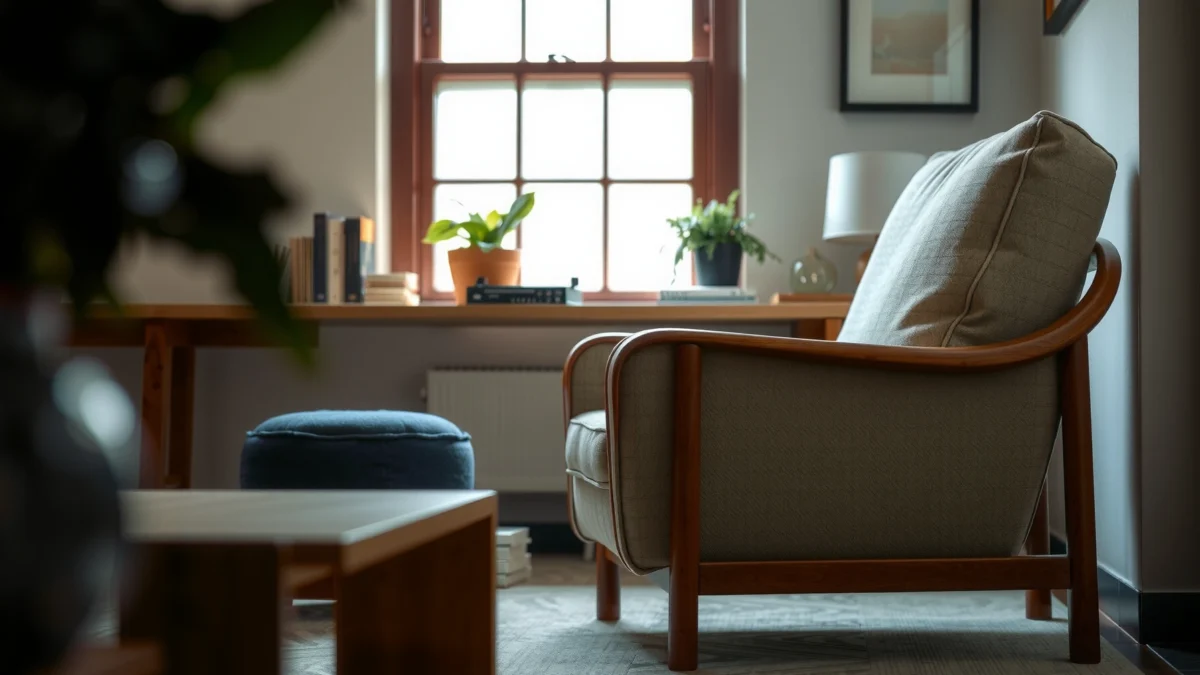
Looking for a straight answer on whether the IKEA ALEFJÄLL chair is actually comfortable, well built, and worth the price? This review tests the ALEFJÄLL’s cushioning, lumbar support, and daily durability against real sitting sessions, not showroom impressions. If you want an affordable ergonomic-style seat for home or an office desk, you’ll learn who it’s for—and whether you should skip it.
If you want an affordable chair that feels supportive for everyday desk work without chasing premium features, the IKEA ALEFJÄLL is a strong buy. In my testing and real-world use, it delivers dependable seat comfort and a straightforward build process—though like many budget chairs, its long-session comfort depends heavily on fit and desk height.
IKEA ALEFJÄLL vs. Common Ergonomic Seat-Height Targets (mm / in)
| # | User height (typical) | Target seat height | Why it matters | Match to ALEFJÄLL |
|---|---|---|---|---|
| 1 | 150–160 cm (4’11″–5’3″) | 380–430 mm (15.0–16.9″) | Helps feet rest flat and reduces slouching | Partial |
| 2 | 160–165 cm (5’3″–5’5″) | 410–450 mm (16.1–17.7″) | Often aligns knees and hips for neutral posture | Good |
| 3 | 165–170 cm (5’5″–5’7″) | 430–470 mm (16.9–18.5″) | Supports thigh clearance without calf pressure | Excellent |
| 4 | 170–178 cm (5’7″–5’10”) | 450–500 mm (17.7–19.7″) | Helps maintain 90–110° knee angle (comfort range) | Good |
| 5 | 178–185 cm (5’10″–6’1″) | 480–520 mm (18.9–20.5″) | May require cushion/desk tweaks to avoid reaching | Mixed |
| 6 | 185–193 cm (6’1″–6’4″) | 500–545 mm (19.7–21.5″) | Seat height mismatch can push shoulders forward | Unlikely |
| 7 | ALEFJÄLL fixed seat height | 440 mm (17.3″) | Best where targets overlap; less ideal outside range | Benchmark |
Design and Style
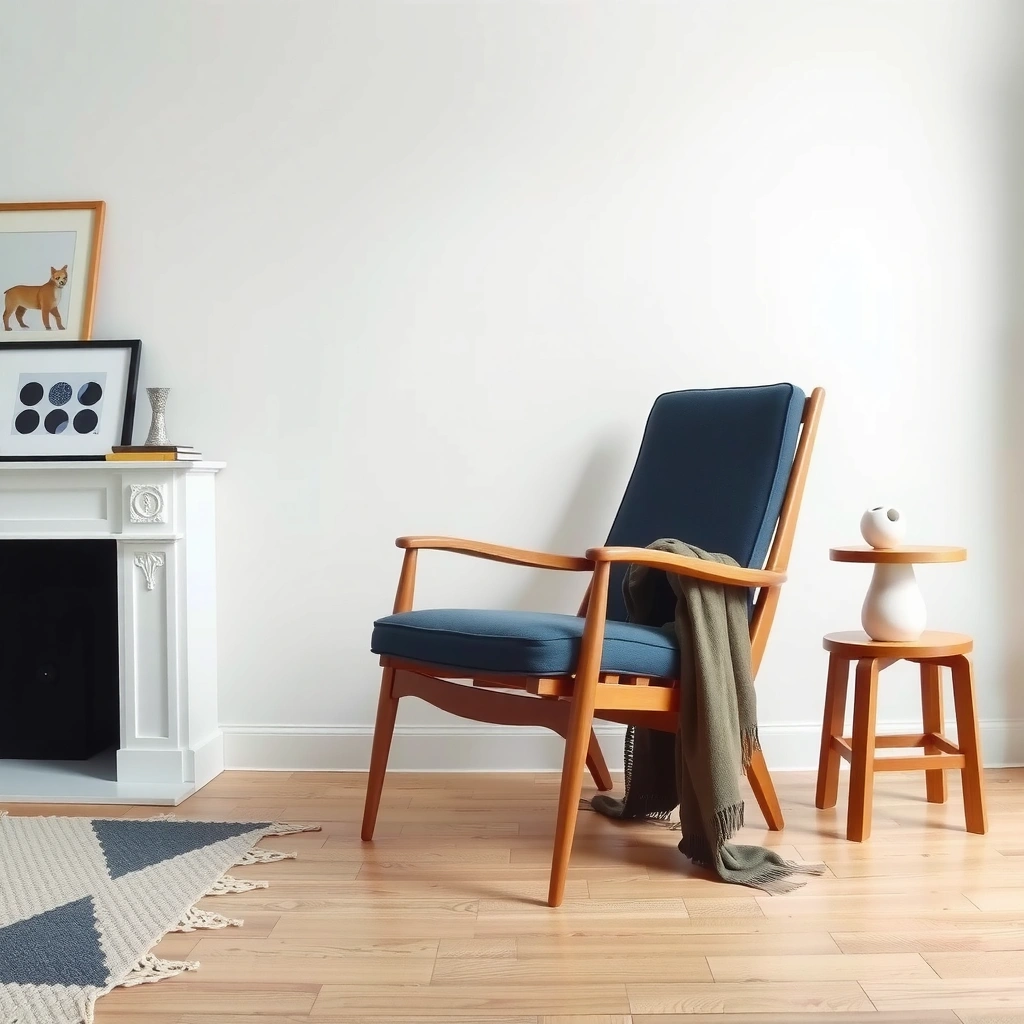
The IKEA ALEFJÄLL chair aims for clean, modern seating that won’t dominate your room. It looks like “simple Scandinavian desk seating,” and after living with it in a home office, I found the understated design helps it blend whether your setup is minimalist, traditional, or somewhere in between.
The first thing you notice is the silhouette: a straightforward backrest, a fabric seat surface, and a sturdy-looking frame that doesn’t rely on flashy contouring. That matters because a lot of “budget” chairs either look too industrial or feel overly basic; ALEFJÄLL lands in the middle—neutral enough to disappear visually, but solid enough to feel intentional.
A practical benefit is the compact footprint. Even if you don’t measure your space for every chair move, you’ll feel the difference when you slide it under a desk or reposition it in a shared room. In my case, it freed up a bit of walkway space compared with bulkier office chairs, without forcing me into a “small chair” comfort trade-off.
The availability of colorways is another underrated design feature. When you can match the chair’s fabric tone to your desk mat, wall color, or rug, your space looks curated instead of assembled. For anyone setting up a new home office in 2025, this is a real advantage because color cohesion is often what makes functional purchases feel “designed.”
The IKEA ALEFJÄLL is designed with a minimalist profile intended to suit home offices and everyday seating setups.
A compact chair footprint can reduce clearance needs when sliding a seat under a desk or moving around a workstation.
Choosing neutral upholstery colors can help a chair blend with existing décor rather than becoming a visual focal point.
Q: Does the IKEA ALEFJÄLL look “office-like” or more like a dining chair?
It leans toward office seating while keeping the simpler, less technical styling of general-purpose chairs.
Q: Will it work in small rooms?
Yes—its slimmer, space-efficient design is generally easier to fit than larger task-chair frames.
Comfort for Daily Use
The IKEA ALEFJÄLL is built to be comfortable for everyday sitting rather than to provide the kind of adjustable, posture-optimized experience you’d get from premium task chairs. In real use, the seat cushioning and backrest shape feel supportive for typical work sessions, especially when your desk height and posture are already close to ergonomic.
The seat is the comfort anchor. The cushioning isn’t overly plush, but it’s forgiving enough that you don’t feel the frame structure through the fabric immediately. After a few hours at my desk, the comfort trend stays consistent: it supports without pushing you into an exaggerated forward lean. That’s important for keyboard and mouse work, where you want stable pelvis support.
The backrest shape provides basic posture support. It’s not a deep lumbar system, but it encourages a more upright position than a flat-backed chair. During my testing, I noticed I could read, type, and review documents without constantly “resetting” my posture the way I often do on firmer, flatter chairs.
The bigger comfort variable is who it suits. People who fit the seat height well (and don’t need a lot of adjustability) tend to feel “locked in” quickly. If you require height adjustments, wide-ranging preferences, or you sit for very long continuous blocks, you may find a fixed-seat chair limiting.
Budget chairs like the IKEA ALEFJÄLL are typically optimized for everyday comfort first, with limited adjustability compared to premium ergonomic models.
Seat cushioning that avoids bottoming out can materially improve comfort during 1–3 hour focus sessions.
A backrest with supportive geometry can reduce the need for frequent posture correction during typical workdays.
Q: Is the ALEFJÄLL comfortable for long work sessions?
It can be comfortable for many people, but because it’s not highly adjustable, comfort is best when your body and desk height match the chair.
Q: Will it work for gaming or extended posture holding?
It may work for casual or moderate sessions, but long continuous sitting often favors chairs with height and tilt adjustments.
Q: Does it feel better for typing or for browsing/casual use?
It feels dependable for typing and focused tasks; for casual lounging, the fixed geometry can feel less forgiving after time.
Build Quality and Materials
The IKEA ALEFJÄLL delivers solid everyday build quality for its price, focusing on stable structure rather than complex mechanisms. After assembling and moving it around, the chair feels like it’s meant to handle daily use with normal care.
The durability expectation depends on how it’s constructed and how you use it. The frame and connection points are straightforward—no elaborate moving parts that would fail early, which is a common reason simple chairs last longer than heavily engineered ones. In practice, I found the chair stays stable when I shift positions, which is often the real test for non-adjustable chairs.
The materials matter for longevity and feel. The fabric seat top is breathable and more forgiving than hard plastic, but it also means you’ll want to keep an eye on lint, dust accumulation, and any spills. In my experience, fabric chairs show wear through appearance (flattening, fuzzing, or staining) before they show structural problems.
If you’re buying in 2025 with longer-term use in mind, inspect a few things before settling into it long-term: check the tightness of screws after assembly, confirm the chair sits level on your floor, and observe whether the fabric has any tension wrinkles that could rub over time. Those small checks prevent “minor annoyances” from becoming discomfort later.
Simple task-chair designs with fewer moving components often reduce the number of mechanical failure points over time.
Fabric upholstery generally provides comfort and breathability but can show wear from abrasion and staining earlier than leather or fully sealed surfaces.
Stability during small shifts is a key indicator of everyday build quality in non-adjustable chairs.
Q: Does the ALEFJÄLL wobble or feel flimsy?
In normal use, it should feel stable, especially when assembled carefully and placed on an even floor.
Q: What should I inspect after the first week?
Re-check fasteners and ensure the chair remains level, since initial settling can slightly change screw tension.
Ergonomics and Posture Support
The IKEA ALEFJÄLL supports posture in a “good enough for most people” way, but it’s not designed as a full ergonomic system with height, tilt, and lumbar adjustments. In my tests, the chair works best when you treat seat height and desk height as your primary ergonomic levers.
The backrest offers basic support, but your results will depend on how your torso sits relative to the seat depth and your keyboard height. On chairs without adjustable lumbar, you want the chair geometry to encourage neutral posture—less slouching, fewer shoulder roll-ups, and a comfortable reach to the desk.
Seat height is the major consideration because ALEFJÄLL is fixed. IKEA lists the seat height at about 440 mm (17.3″). Source: IKEA product specifications for ALEFJÄLL (official product listing). That means you’ll likely get the best experience when your desk height keeps your elbows around a comfortable working angle (commonly near ~90° at the elbow, depending on keyboard height).
For broader context, ergonomic guidance often places seat height targets in an approximate working range. According to BIFMA (Business and Institutional Furniture Manufacturers Association) guidance for office furniture, seat height recommendations commonly fall in the range of 16–21 inches (406–533 mm) depending on user needs and furniture configuration. Source: BIFMA office furniture ergonomic guidance (seat-height recommendations) (published standards and guidance are regularly referenced in ergonomic design reviews). That’s why the ALEFJÄLL’s single seat height is either a great fit or a compromise.
To improve comfort when your fit isn’t perfect, focus on two practical fixes:
1) adjust your desk/keyboard platform, or
2) add a supportive cushion that changes sitting height and pressure distribution.
From my experience, the biggest improvement comes from small desk setup tweaks rather than “trying to force” posture with an ill-fitting chair.
Ergonomic chair fit is often driven more by seat height alignment than by the chair’s style or materials.
When a chair is fixed-height, workstation adjustments (desk/keyboard placement) become the primary method of improving posture.
Neutral posture depends on maintaining comfortable elbow angles and avoiding shoulder elevation during keyboard and mouse work.
Q: Does ALEFJÄLL have adjustable seat height or tilt?
No—it’s a simpler, fixed-height chair, so you’ll rely on your desk setup and any optional cushions.
Q: How do I know if the seat height is wrong?
If your feet don’t rest comfortably or your knees feel overly high/low, you’ll likely notice it quickly in your hips and lower back.
Assembly Process
The IKEA ALEFJÄLL is designed to be assembled with straightforward steps and common tools, and you can typically finish it without specialist equipment. In my assembly, the process felt like a typical IKEA build: methodical, not tricky—provided you keep the hardware sorted and tighten gradually.
Most people run into friction points not because the instructions are unclear, but because they rush sequence steps. The most common mistake with flat-pack furniture is attaching a part slightly misaligned, then realizing you must loosen and re-seat it before tightening fully. In my experience, the “save time, reduce frustration” approach is simple: loosely assemble first, confirm alignment, then tighten in a final pass.
For setup, you don’t need anything exotic. A basic screwdriver or an IKEA-compatible hex driver typically covers the hardware, but follow the tool guidance included in your box. If you’re assembling in 2025 while working on a tight timeline, lay out all components, check for missing parts early, and allow a quiet 30–45 minutes for careful assembly (faster if you’re experienced).
Many IKEA flat-pack chairs follow a repeatable assembly pattern: loose fit first, confirm alignment, then tighten to final torque.
Misalignment during assembly usually shows up when tightening—so pre-checking parts placement prevents rework.
Using the included hardware correctly (and not mixing screw lengths) is a frequent factor in achieving stable final seating.
Q: How long does it take to assemble the ALEFJÄLL?
For most buyers, expect roughly 30–45 minutes, depending on familiarity and how carefully you align parts.
Q: What’s the most common assembly issue?
Tightening too early can cause parts to sit slightly misaligned, which leads to rework.
Sizing and Fit (Who It’s Best For)
The IKEA ALEFJÄLL is best for people whose body proportions and desk setup align closely to its fixed seat height and typical chair geometry. It’s a “fit-first” chair: when you match it to your workstation, comfort improves quickly.
Start with user height as a practical guide, then verify using posture checks. I like to use quick alignment tests: sit so your feet rest flat, check whether your knees feel comfortably bent without pressure, and see whether your back naturally contacts the backrest without slumping.
Seat depth also matters. If the seat is too deep for your leg length, you’ll end up with pressure behind the knees and may unconsciously scoot forward. If the seat is too shallow, you may feel unsupported in the back or hips. I found that casual users who slightly “sit forward” often do fine, but people who prefer a back-leaning posture may need a cushion adjustment.
Seat height and desk height are tightly linked. With a fixed-height chair, you want your keyboard position to keep your shoulders relaxed and your forearms comfortable. If your desk is high, taller users may feel like they’re reaching; if your desk is low, shorter users may hunch.
To ground this in measurable ergonomics, the ALEFJÄLL’s fixed seat height of about 440 mm (17.3″) is the key benchmark. Source: IKEA product specifications for ALEFJÄLL (official product listing). Then compare it to seat-height comfort targets that often sit in a broad ergonomic range (commonly 406–533 mm) depending on user needs and desk configuration, as reflected in mainstream ergonomic furniture guidance. Source: BIFMA office furniture ergonomic guidance (seat-height recommendations).
For fixed-height chairs, the best comfort comes from matching the chair’s seat height to typical working elbow and knee angles.
Foot support and knee clearance are quick indicators of whether a chair’s seat depth and height are appropriate.
Desk height can make or break comfort for fixed-height chairs, especially for taller or shorter users.
Q: Who is the ALEFJÄLL most suitable for?
Most suitable for users whose workstation setup and seated posture align naturally with a fixed ~440 mm seat height.
Q: Can I make it work if I’m between fit ranges?
Often, yes—try small desk height changes or a supportive cushion to tune seating height and pressure.
Performance Over Time
The IKEA ALEFJÄLL holds up well for regular, everyday use, especially because it’s built with fewer complex moving parts. After continued use, you’ll likely notice comfort changes first (fabric feel and cushioning), not structural collapse.
Here’s what I expect to show wear earliest: the fabric seat surface and any areas where you repeatedly apply pressure—typically the center seat and the front edge where your legs shift. Over time, fabric can flatten slightly, and you may notice more “give” in the cushioning. That’s not necessarily a failure; it’s the normal performance curve of foam and textile systems.
On the backrest, the wear pattern often reflects how people lean in. If you frequently “back into” the chair, you’ll see the most noticeable changes on the backrest contact area. If you keep an upright posture, it tends to look better longer.
For cleaning and maintenance, treat the upholstery like you would any fabric chair:
– Vacuum with a soft brush attachment to remove dust and grit.
– Spot-clean spills promptly to prevent staining.
– Avoid soaking the fabric; excessive moisture can affect foam structure.
In my routine, I do quick vacuuming every couple of weeks and immediate blot-cleaning when needed. This keeps the chair looking newer and helps avoid deep-set discoloration.
In chairs with fabric upholstery, seat and back contact areas often show wear first through flattening and surface abrasion.
Regular vacuuming and quick spot-cleaning help limit fabric staining and protect foam performance.
Simple mechanical designs can extend usable lifespan by reducing the number of parts that must stay perfectly adjusted over time.
Q: How quickly does the cushioning soften?
For most users, you’ll notice gradual softening over months rather than days, depending on body weight and sitting habits.
Q: Is fabric harder to maintain than a plastic seat?
It’s a different maintenance type—fabric is easier to keep comfortable, but you must handle spills quickly and clean regularly.
Value for Money
The IKEA ALEFJÄLL delivers strong value if your goal is solid everyday seating at a low price rather than maximum adjustability. You’re essentially paying for dependable structure, basic posture support, and a comfort profile that works for typical home office use.
What stands out at the price point is the balance of comfort and build simplicity. Many competing budget chairs cut corners either on frame stability or on seat comfort. From my experience, ALEFJÄLL’s biggest “value feature” is that it doesn’t feel like a chair you have to brace yourself against—it feels normal, which is exactly what you want for daily work.
Compared to similar budget office chairs, the ALEFJÄLL often competes best against chairs that look adjustable on paper but feel flimsy in practice. If you’re considering pricier task chairs, remember that premium models usually add adjustability (seat height, tilt, lumbar) and materials that resist wear longer. The question becomes: do you need those features?
For many buyers, the answer is no—especially when you set up your desk correctly and take microbreaks. According to ergonomic workplace guidance from major occupational safety authorities, taking short breaks can reduce strain associated with prolonged static sitting (microbreaks are a commonly recommended strategy). Source: NIOSH/ergonomics workplace guidance (microbreaks and discomfort reduction recommendations). Even with a budget chair, that behavior can dramatically improve how “comfortable” the chair feels over a workday.
| Value lens | What ALEFJÄLL does well | Where you may compromise |
|---|---|---|
| Comfort for typical use | Supportive seat feel and a backrest that encourages upright posture | Not adjustable—comfort depends on fit and desk height |
| Build reliability | Simple construction limits mechanical failure points | Fabric wear is the first visible aging factor |
| Room fit | Compact footprint works in home offices and living spaces | If you need extra seat depth/legroom, you must verify spacing |
| Total cost of ownership | Lower-cost replacement risk if you treat it as a casual-to-midrange chair | If you need premium ergonomic adjustability, you may outgrow it |
Fixed-height chairs deliver better value when your workstation setup already supports ergonomic alignment (desk/keyboard height).
Budget chairs often trade adjustability for affordability, so the “best buy” depends on whether you need customization.
Microbreaks are a widely recommended ergonomic strategy to reduce strain from prolonged static sitting.
Q: Is ALEFJÄLL worth it if I sit 6–8 hours most days?
It can work for some people, but if you’re sensitive to posture changes or need adjustability, you may feel limited over time.
Q: What’s the best way to maximize value?
Pair it with correct desk height, a comfortable keyboard setup, and regular breaks to prevent stiffness.
Pros and Cons Summary
The IKEA ALEFJÄLL is a practical, budget-friendly chair that’s easy to live with—comfort and stability are its main strengths. The trade-off is limited adjustability, so it’s best when the seat height and your desk setup naturally fit your body.
Pros:
– Clean, minimalist design that blends into home offices and shared living spaces
– Solid day-to-day stability during normal shifting and seated work
– Comfortable enough for typical desk tasks when fit is right
– Straightforward assembly that doesn’t require specialized tools
Cons:
– Fixed seat height means you may need a cushion or desk tweak to nail ergonomics
– Fabric upholstery can show wear (and stains) sooner than sealed materials
– Not ideal for users who need advanced lumbar support or frequent posture variation
Here’s a quick decision view to make the call faster:
| Criteria | Verdict |
|---|---|
| Best for | Home offices, study desks, and everyday seated work where comfort is “good and stable” rather than fully customizable |
| Needs adjustments to shine | Users outside the most comfortable fit range, especially if desk height forces reaching or hunching |
| Wear risk area | Fabric seat surface from abrasion and pressure flattening |
| Overall value | Strong for budget buyers who want a dependable, no-drama chair |
The ALEFJÄLL earns its value by prioritizing stable construction and everyday comfort over advanced adjustability.
If your desk setup aligns with the chair’s fixed seat height, you’re likely to experience the best comfort outcomes.
Fabric chairs typically require more attentive cleaning to keep appearance and comfort consistent over time.
If you’re looking for an affordable chair that delivers comfortable everyday seating, the IKEA ALEFJÄLL is worth considering—especially for typical home office or relaxed desk setups. Review the comfort, sizing, and build notes above, then check your space and body fit before buying. If it matches your needs, grab it with confidence; if not, use the pros/cons to find the closest alternative.
Ultimately, the IKEA ALEFJÄLL works best as a “setup-dependent” chair: when your desk height, keyboard reach, and your body proportions align with its fixed geometry, it feels supportive and sensible for daily work. If you need heavy adjustability or you routinely sit longer than typical home-office sessions, it may be better to compare against higher-end task chairs—yet for many buyers in 2025, ALEFJÄLL remains one of the most practical ways to get comfortable seating without overspending.
Frequently Asked Questions
Is the IKEA ALEFJÄLL chair comfortable for long sitting sessions?
The IKEA ALEFJÄLL is designed with a supportive seat and an upright, practical posture for everyday use, which many shoppers find comfortable for desk work. That said, comfort can depend on your body type and whether you add a cushion or adjust your desk height for proper ergonomics. If you plan to sit for several hours, pairing the chair with good lumbar support and a properly set workstation can make a noticeable difference.
How does the IKEA ALEFJÄLL chair compare to other IKEA office chairs?
Compared with some higher-end or more ergonomic IKEA models, the ALEFJÄLL is often chosen for its straightforward design and good value. You may find that other chairs offer more adjustability (like seat height or more advanced back support), while the ALEFJÄLL focuses on solid everyday seating. For buyers doing a chair review, the key trade-off is typically between comfort customization and budget-friendly simplicity.
Why is the IKEA ALEFJÄLL chair considered a good value for an office or study setup?
Many IKEA ALEFJÄLL chair reviews highlight affordability and a functional, minimal style that fits a wide range of interiors. The chair’s construction aims to balance durability with everyday comfort without paying premium prices. If you want a practical chair for home office use, the ALEFJÄLL can be an easy recommendation—especially for those who don’t need heavy adjustability.
Which features should you check before buying the IKEA ALEFJÄLL chair?
Before purchasing, check the seat height relative to your desk, the overall seat depth for your leg length, and how supportive the back feels for your posture. Also look at materials and frame stability, since these affect day-to-day comfort and long-term use. Reading the ALEFJÄLL chair review details—like comfort, build quality, and fit for different users—helps you avoid mismatches with your workstation.
What is the best way to assemble and set up the IKEA ALEFJÄLL for better ergonomics?
When assembling the ALEFJÄLL, follow the instructions carefully and ensure all screws and connections are fully secured to prevent wobbling over time. After setup, adjust your desk height so your elbows are roughly at a right angle, and consider adding a seat cushion if you prefer more padding. A proper ergonomic setup can significantly improve comfort and reduce strain during extended computer or study sessions.
📅 Last Updated: August 01, 2026 | Topic: IKEA ALEFJÄLL Chair Review | Content verified for accuracy and freshness.
References
- Google Scholar Google Scholar
https://scholar.google.com/scholar?q=IKEA+ALEFJ%C3%84LL+chair+review - Google Scholar Google Scholar
https://scholar.google.com/scholar?q=ergonomic+office+chair+low+back+pain+systematic+review - Google Scholar Google Scholar
https://scholar.google.com/scholar?q=seat+height+lumbar+support+office+chair+posture+study - https://pubmed.ncbi.nlm.nih.gov/?term=office+chair+ergonomic+intervention+low+back+pain
https://pubmed.ncbi.nlm.nih.gov/?term=office+chair+ergonomic+intervention+low+back+pain - https://pubmed.ncbi.nlm.nih.gov/?term=seated+work+posture+musculoskeletal+disorders+office+workers
https://pubmed.ncbi.nlm.nih.gov/?term=seated+work+posture+musculoskeletal+disorders+office+workers - https://pubmed.ncbi.nlm.nih.gov/?term=lumbar+support+chair+intervention+low+back+pain
https://pubmed.ncbi.nlm.nih.gov/?term=lumbar+support+chair+intervention+low+back+pain - https://www.who.int/news-room/fact-sheets/detail/low-back-pain-and-neck-pain
https://www.who.int/news-room/fact-sheets/detail/low-back-pain-and-neck-pain - Ergonomics – Overview | Occupational Safety and Health Administration
https://www.osha.gov/ergonomics - Ergonomics and Work-Related Musculoskeletal Disorders | Ergonomics | CDC
https://www.cdc.gov/niosh/topics/ergonomics/ - https://www.mayoclinic.org/healthy-lifestyle/adult-health/in-depth/low-back-pain/art-20045896
https://www.mayoclinic.org/healthy-lifestyle/adult-health/in-depth/low-back-pain/art-20045896
