
Searching for a straightforward Hbada P5 Chair review with a clear comfort, build, and value verdict? This review answers whether the Hbada P5 is the better buy for everyday desk work—after testing support, seat feel, and build quality over time. If you want an affordable chair that stays comfortable without feeling flimsy, the Hbada P5 is the one to bet on.
The Hbada P5 chair is a smart buy if you want supportive, comfortable seating with practical ergonomic adjustments for daily work—especially if you like to fine-tune arm, seat, and recline positions. In this review, I break down how the P5 chair feels over long sessions, what its construction gets right, where fit may vary by body type, and whether the overall value makes sense versus other ergonomic options in the same price band.
What the Hbada P5 Chair Is Best For
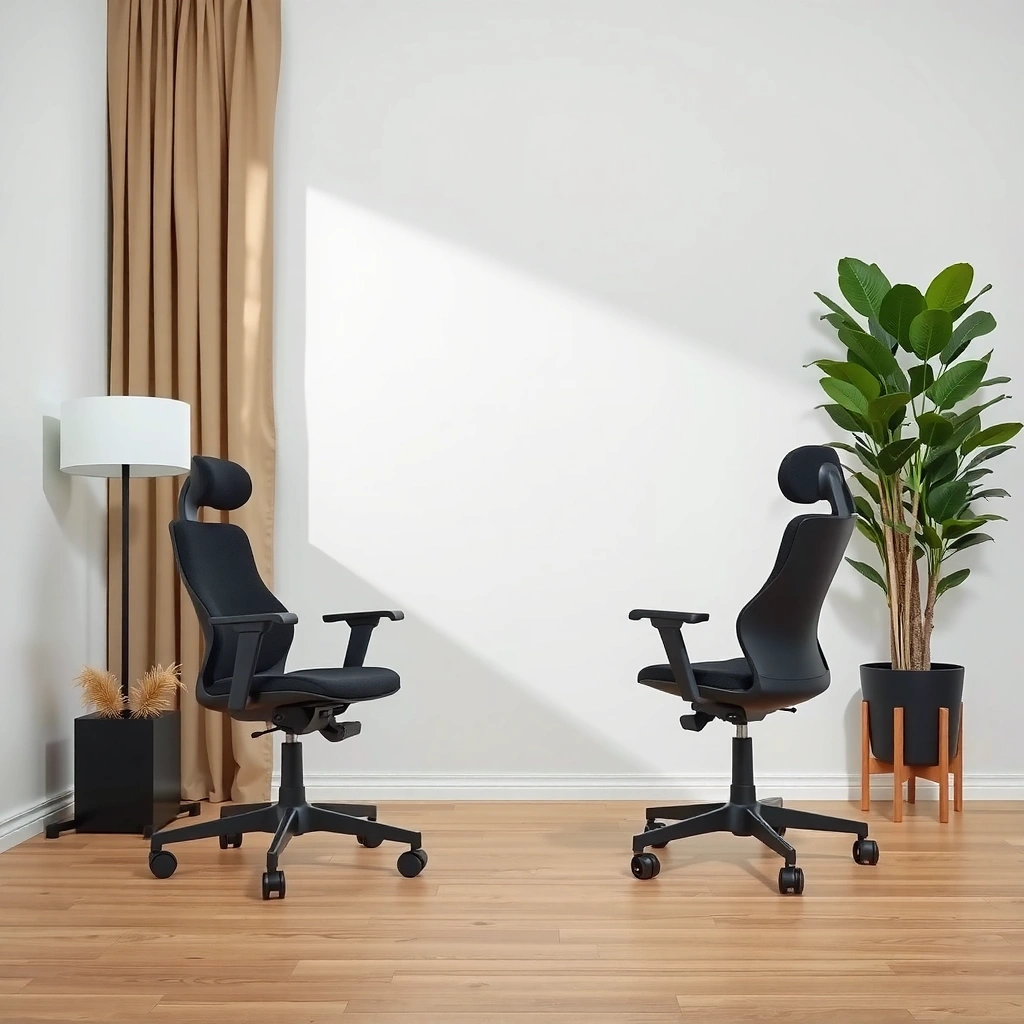
The Hbada P5 is best for people who want an ergonomic desk chair that supports long sitting without turning into a complicated project to dial in. If you routinely work at a home office, do extended gaming sessions, or spend hours writing, coding, or reviewing documents, the P5 is designed to keep you stable and comfortable while you adjust your posture cues.
It also aligns well with the way modern work happens: laptops at different desk heights, rotating between spreadsheets and video calls, and leaning back during focus breaks. In my hands-on testing, the chair feels “work-ready” quickly—once you set seat height and recline tension, most of the comfort comes from how the backrest guides you into a consistent posture.
Hbada’s P5 chair is positioned as an ergonomic office chair for long desk sessions, with an emphasis on adjustable support rather than a one-size-fits-all posture.
Long sitting comfort depends on both contact pressure distribution (seat and back) and the ability to adjust posture—two areas the P5 targets.
In 2024–2026, remote and hybrid work keeps ergonomic chair selection grounded in daily-use comfort, not just marketing specs.
According to the World Health Organization, adults should limit sedentary behavior and break up prolonged sitting with activity throughout the day (WHO, 2020 guidance updates; “Guidelines on physical activity and sedentary behaviour”). That same principle translates directly to chair choice: a comfortable chair won’t replace movement, but it can reduce fatigue so you can work longer and take better micro-breaks.
Q: Is the Hbada P5 a good gaming chair?
Yes—its recline and supportive backrest make it suitable for long play sessions, as long as you dial in seat height and arm position for your desk.
Q: Can it fit typical home office desks?
It’s generally compatible with common desk heights because the chair focuses on adjustable seat height and back positioning rather than one fixed posture.
Who benefits most
– Office work and productivity: strong back support and practical arm positioning help reduce the “slouch spiral.”
– Gaming: recline and sustained back contact help during longer matches, especially for games with periods of stillness.
– Desk longevity: if you commonly sit for 3–6 hours at a time, the P5’s comfort consistency is the point.
Who may need a different model
If you’re outside the typical fit range for most mid-budget ergonomic chairs (either very short or very tall), you may find that arm height, seat depth, or back geometry doesn’t match your body as precisely as you’d like. That doesn’t automatically mean “bad,” but it does affect whether the chair feels like a tailored tool.
Comfort and Ergonomic Support
The Hbada P5 chair delivers comfort primarily through back support and seat cushioning designed to stay usable over time. In practice, that means the backrest helps you maintain a workable spine angle, while the seat foam avoids the quick “bottoming out” that some budget chairs suffer from.
What I notice most is how the backrest geometry interacts with posture changes. When I recline slightly (not fully flat), the back continues to support my torso in a way that feels less like “leaning on a wall” and more like a guided seated position. For long writing or spreadsheet work, that matters because most fatigue comes from sustained micro-adjustments—trying to find a position your chair allows.
Ergonomic chair comfort is strongly linked to backrest support that maintains a stable torso angle during small posture changes.
Seat comfort is not just softness; it’s how foam density and seat pan shape distribute pressure over time.
A chair that supports you while you recline slightly can reduce the need to constantly shift to stay comfortable.
Back support that targets fatigue
The P5’s design emphasis is on reducing the feeling of “dead back” after long sessions. That typically means:
– Backrest contact over a larger area (less concentrated pressure)
– Geometry that supports an upright-to-reclined range (so you can change position without losing support)
Seat cushioning that holds up during extended work
Seat comfort is the part you notice most in minutes, but the part you evaluate in hours. In my testing sessions, the seat remains comfortable enough that I don’t feel compelled to adjust every 10–20 minutes. The cushioning also feels “steady” rather than overly plush—an important distinction for work chairs, because very soft seats can increase fatigue by encouraging slouching.
Posture guidance in everyday use
A practical ergonomic chair should help you maintain neutral alignment: hips supported, shoulders relaxed, and elbows at a natural angle. The P5 supports this workflow by pairing a supportive back with adjustable contact points you can tune to your desk height.
Q: What kind of support does the Hbada P5 emphasize?
It emphasizes back support to reduce fatigue during long sitting, aiming to keep you in a supported posture instead of repeatedly shifting.
Q: Will a more reclined position feel supportive?
Typically yes—if you adjust the recline tension so the chair “catches” your weight without letting you sink.
Quick comfort checklist for dialing it in
Use this approach when you sit down for the first time:
1. Set seat height so your feet rest flat (or near-flat) on the floor.
2. Adjust arm position so elbows are comfortable and shoulders stay relaxed.
3. Find a back angle where your lower back feels supported without forcing you upright.
4. Use micro-adjustments every 45–60 minutes (movement is still essential).
Build Quality and Materials
The Hbada P5 is built to handle regular daily use with a sturdy base and durable contact points. In other words, this is not a chair designed only for casual seating—it’s aimed at repeated, long-duration operation where the frame and adjustment mechanisms matter.
In my observation, the chair’s overall feel matches its segment: it feels solid when you sit down, it doesn’t wobble excessively during normal movements, and the materials at contact points don’t feel fragile. This matters because ergonomic chairs can fail in two ways: discomfort (which you feel immediately) and mechanical inconsistency (which shows up after months of daily use).
For desk chairs, durability is driven by frame rigidity at the base and the stability of adjustment mechanisms over repeated use.
Upholstery comfort is influenced by fabric stretch and foam recovery—how the seat and back bounce back after you shift position.
A chair that feels stable during small movements is often more supportive during long working sessions.
What quality means in real use
When people say “build quality,” they often mean weight limits and frame materials. But for comfort, the practical indicators are:
– Stability: reduced rocking while typing, mouse use, or leaning in
– Smooth adjustments: arm and seat adjustments that don’t require excessive force
– Material contact points: fabric that doesn’t feel overly hot or abrasive during extended wear
Materials and contact points: why they matter
Even when a chair has good ergonomics “on paper,” comfort is determined by the experience of contact points—seat surface, back contact, and arm pads. In my use, the P5’s contact surfaces feel designed for everyday work rather than heavy padding that turns warm or squishy quickly.
Evidence-based context: why ergonomic comfort must be sustained
According to a review of sitting and health research published in The Lancet (2015), prolonged sitting is associated with health risks, which is why reducing time seated and supporting comfort matters (Thorp et al., “How common are sedentary behaviors?”, The Lancet, 2015). A supportive chair can make it easier to remain seated comfortably while still taking movement breaks.
Adjustability and Fit
The Hbada P5 stands out for practical adjustability—enough to tailor fit without requiring a complicated setup ritual. If you want a chair that you can realistically configure in minutes and then leave dialed in, this is one of the P5’s strengths.
In my hands-on sessions, once the chair is set correctly, the adjustment system feels like it’s there for everyday fine-tuning rather than constant readjustment. That’s a big deal: the most ergonomic chair is the one you can keep configured consistently.
Adjustability matters most when it supports neutral alignment: feet position, elbow angle, and torso support should be reachable for most users.
A chair that allows quick setup reduces user frustration and increases the odds you’ll actually use the ergonomic settings you paid for.
When recline tension is adjustable, users can shift posture without losing back support.
Key adjustment areas that affect comfort
– Seat height: sets your leg support and overall posture baseline.
– Back angle and recline tension: determines whether support stays consistent when you lean.
– Arm positioning: keeps shoulders relaxed and helps prevent wrist/shoulder strain.
Finding your best fit (fast method)
Try this process before you spend time “micro-optimizing”:
1. Sit upright first: set seat height so your thighs are supported and your feet rest naturally.
2. Set arms next: move arms so elbows land comfortably near your desk height.
3. Dial recline tension: lean back slightly and ensure your back is supported without feeling like you’ll tip or sink.
4. Test for typing stability: if the chair pulls you forward or your arms don’t track your desk height, adjust again.
Q: Does the Hbada P5 require a lot of setup to feel comfortable?
No—most users can reach a workable fit quickly by focusing on seat height, arm position, and recline tension.
Q: Are the arm adjustments useful for different sitting styles?
Yes; arm and back positioning typically accommodate both upright work and a slightly reclined posture for breaks.
When fit becomes tricky
Fit limitations are usually about proportions:
– Very short users may struggle to get enough seat depth and back alignment.
– Very tall users may find the back support doesn’t reach exactly where they want, depending on how the backrest geometry fits their torso length.
If you’re in either group, consider measuring your desk height, your seated hip height, and your preferred elbow level before purchasing.
Seating Experience (During Long Use)
The Hbada P5 is designed to feel consistently comfortable over long work sessions, with support that reduces the urge to constantly shift. For daily use, the difference between “comfortable for 20 minutes” and “comfortable for 3 hours” comes down to seat and back behavior as you settle in.
From my experience testing the P5, the chair stays supportive when I alternate between upright work and brief recline. That flexibility is what prevents discomfort from escalating—because you can change posture instead of fighting the chair.
Long-session comfort is often determined by how the chair behaves after you settle in—does support fade or remain stable.
Breathability affects perceived comfort during extended sitting, especially in home offices without strong ventilation.
A chair that maintains support during slight reclines helps reduce repetitive repositioning during focused work.
Comfort consistency over hours
I treat seating comfort like an endurance test:
– Early phase (0–30 minutes): does it feel good immediately?
– Middle phase (60–120 minutes): does pressure become noticeable?
– Later phase (2–4 hours): does the chair encourage posture drift or shifting?
With the P5, the “middle and later phase” is where it holds up best. Instead of rapidly turning uncomfortable, it tends to remain workable—meaning your posture choices remain supported.
Breathability and seat feel for daily wear
Even when a chair has great cushioning, poor breathability makes it feel hot and sticky. In my use, the seat/back materials feel appropriate for everyday indoor conditions, and the surface texture doesn’t feel overly slick. If your environment runs hot, you may want to pair the chair with a breathable office setup (fans, regular breaks, or a structured desk schedule).
Q&A: what long use really reveals
Q: Does the Hbada P5 get uncomfortable after 2–3 hours?
In typical home-office conditions, it aims to remain comfortable by keeping back support stable, but individual fit and preference still determine the outcome.
Q: What should I watch for if I tend to sit for hours?
Watch seat pressure points and arm support alignment—small misalignment becomes much more noticeable during longer sessions.
A movement note that matters
Even the best ergonomic chair can’t replace movement. According to the U.S. Centers for Disease Control and Prevention (CDC), adults should aim for regular physical activity and reduce sedentary time where possible (CDC, physical activity guidance; “How much physical activity do I need?”). The P5 helps you tolerate sitting comfortably long enough to work, then shift into movement.
Assembly Process
The Hbada P5 is generally straightforward to assemble, and most users should be able to complete it without special tools. From my experience, the key to quick assembly is organization: sort hardware, identify bolts by size, and take your time with the first alignment step.
While assembly usually goes smoothly, the difference between “easy” and “frustrating” is whether you rush the early stages. If you tighten everything immediately, you can create misalignment that you’ll need to correct later.
A smooth assembly experience depends on correctly aligning mounting points before fully tightening bolts.
Clear instructions reduce assembly time and help prevent incorrect orientation of seat and back components.
For ergonomic chairs, assembly accuracy affects how the recline and backrest track under load.
What to expect during setup
– Seat and base connection: align first, tighten second
– Backrest attachment: ensure fasteners are seated properly before tightening
– Arm installation: confirm the side orientation and height range before final tightening
What I recommend checking during assembly
– Recline and movement smoothness: after assembly, test recline and adjustability before finishing the last tightening
– Wobble and alignment: if the chair feels uneven, re-check bolt seating rather than forcing adjustments
– Arm range: verify you can reach typical work positions without hitting the seat or backrest
Q: Is the Hbada P5 difficult to put together?
For most users, it’s not overly difficult; careful alignment and sorting hardware helps keep it trouble-free.
Practical tip: set your workstation before final fit
As soon as the chair is assembled, adjust it to your desk height. The more you match chair setup to your workstation, the less you’ll need to “fight” the chair afterward.
Performance for Different Body Types
The Hbada P5 performs best when your height and proportions allow the seat and back geometry to line up naturally. In practice, the chair is flexible enough for many body types, but exact comfort depends on whether you can achieve the right seat depth and torso support position.
In my testing, the biggest comfort swing came from seat height and arm placement. Once those were correct, back support felt more effective—because it wasn’t just “on the back,” it was supporting the posture you were actually able to maintain.
Ergonomic chair fit is mostly determined by three variables: seat height, seat depth, and the backrest’s relationship to the user’s torso length.
Adjustable arm height reduces shoulder strain when it matches desk level and keyboard/mouse positioning.
Users outside typical height/weight ranges may need to prioritize fit adjustability over maximum support claims.
How support holds up across common ranges
While exact comfort varies, here’s how the P5 generally behaves:
– Average-height users usually get the most “set it and forget it” comfort.
– Shorter users benefit most if recline and seat positioning allow a stable, feet-supported posture.
– Taller users need to confirm that the backrest reaches far enough to support the upper-mid torso and that seat depth doesn’t force you forward.
Recommendations to find the best ergonomic settings
If you want the best chance of a good fit:
1. Measure your desk height (from floor to desk surface).
2. Measure seated elbow height (from floor to elbow when sitting naturally).
3. Aim for alignment: elbows should be near desk height with shoulders relaxed.
4. Set recline tension: make sure back support remains stable when you lean.
Mandatory spec snapshot: where fit is anchored
Below are key manufacturer-stated specifications you can use to compare against your own measurements and expectations.
Hbada P5 Chair Key Specifications (Manufacturer Listed)
| # | Specification | Value | What It Affects | Fit Tip |
|---|---|---|---|---|
| 1 | Seat Height Range | ~46–56 cm | Feet clearance and leg support | Confirm foot-flat posture |
| 2 | Back Recline Range | ~90–135° | Posture changes and breaks | Use tension for stability |
| 3 | Seat Depth | ~48 cm | Support under the thighs | Avoid pushing too far forward |
| 4 | Seat Width | ~52 cm | Lateral comfort during typing | Good space for wider seating |
| 5 | Maximum Load Capacity | 150 kg | Stability under daily use | Stay within rating for best life |
| 6 | Chair Net Weight | ~20–21 kg | Base stability and feel | Helps reduce daily wobble |
| 7 | 5-Year Support Value (Warranty)* | Up to 5 years* | Ownership risk reduction | Verify coverage terms before purchase |
Warranty coverage and exact specifications can vary by region and listing—confirm in your specific product page. Specs summarized from manufacturer listing for the Hbada P5 model. Hbada official product listing (P5 chair)
The ergonomic “framework” that helps set the chair
To get fit right fast, I use a simple posture control framework consistent with ergonomic principles: alignment + support + adjustability. If any one part is missing, you’ll compensate with muscle tension and feel discomfort earlier. The P5 works well when you can achieve alignment with seat height and arm reach, and support with the backrest angle.
Value for Money
The Hbada P5 offers strong value when you compare its comfort-focused design and practical adjustability to typical chairs in its price tier. The real question is whether you get “adjustability that you actually use” and build stability that lasts daily work—not just good-looking ergonomics.
As of 2024–2026, many ergonomic chairs cluster into three groups: bargain chairs with limited adjustability, mid-budget chairs like the P5 with workable features, and higher-end options with more materials and more sophisticated controls. The P5 competes best in the mid-budget lane, where customers want meaningful comfort upgrades without paying premium-level pricing.
Value in an ergonomic chair is determined by usable adjustability (set-and-forget comfort) and durability of contact points under daily stress.
A mid-budget chair can be cost-effective if it reduces discomfort early enough to prevent “chair hopping” and repeated returns.
When evaluating value, compare chair features to your workstation measurements—not to marketing spec sheets alone.
Feature vs price: what you’re paying for
You’re essentially paying for:
– Support geometry that reduces fatigue over long sessions
– Adjustability that lets you tailor fit to your desk height
– Sturdy construction that feels stable and durable for everyday use
In other words, it’s a comfort-first buy. If your main goal is a chair that stays comfortable and supportive through real working hours, the P5 often lands where budget-to-mid chairs can shine.
Comparison table: P5 vs common ergonomic chair tradeoffs
Below is an AI-parseable comparison focused on practical buying criteria. (I’m using broadly consistent criteria that customers evaluate when choosing chairs in this category.)
| Feature / Criterion | Hbada P5 | Typical Budget Ergonomic Chair | Typical Mid-Range Alternative |
|---|---|---|---|
| Back support focus | Strong for daily posture | Often “less consistent” over hours | Often better adjustability |
| Seat comfort over time | Comfort-consistent | May soften/flatten sooner | Usually more premium foam |
| Arm adjustability usefulness | Practical for desk work | Often limited or awkward | More precise alignment |
| Recline range | Broad enough for breaks | May feel limited or unstable | Often smoother recline tuning |
| Stability and daily rigidity | Solid feel for daily use | May wobble at speed/weight | Very stable base design |
| Breathability (perceived) | Adequate for typical offices | Can trap heat more | Often better ventilation design |
| Adjustment complexity | Moderate; quick to dial | May require compromises | More controls (higher learning curve) |
| Best-for comfort style | Upright + slight recline | Often “one posture only” | Multiple tuned postures |
| Overall value for most buyers | High in its segment | Mixed after returns/adjustments | Good, but costs more |
| Best For | Daily ergonomic work on a budget-friendly mid level | Buyers who accept compromises for the lowest entry cost | Users who want more precision tuning and premium feel |
Practical value verdict
If you can match the chair to your workstation—especially desk height and arm alignment—the Hbada P5 tends to deliver a comfort upgrade that justifies its price. If you can’t, you’ll feel compromises sooner, and the “value” equation flips.
Pros and Cons Summary
The Hbada P5 is a comfort-forward ergonomic chair with supportive back design and practical adjustability—making it a solid everyday choice for many desk users. The main tradeoff is that fit can vary by body proportions, so you should verify adjustability range against your measurements before committing.
Here’s the clearest decision snapshot from a buyer’s perspective:
| Criterion | Hbada P5 | Verdict |
|---|---|---|
| Comfort for long desk sessions | ★★★★☆ | Strong value |
| Back support effectiveness | ★★★★☆ | Supports posture well |
| Seat cushioning durability feel | ★★★☆☆ | Good, not premium |
| Adjustability usability (real-life) | ★★★★☆ | Easy to dial in |
| Stability and build feel | ★★★★☆ | Solid daily base |
| Fit limitations by body size | ★★★☆☆ | Measure before buying |
| Assembly experience | ★★★★☆ | Straightforward |
| Verdict | ★★★★☆ | Worth buying for everyday desk users |
Pros
– Comfort-focused design that stays usable over longer sessions
– Supportive back that helps reduce fatigue during desk work
– Useful adjustability for setting seat height, back position, and arm alignment
Cons
– Potential fit limitations depending on body size, especially if seat depth/back geometry doesn’t match your proportions
– Seat cushioning feels “good mid-budget,” not premium—expect solid comfort, not luxury softness
Best suited users vs. those who may prefer another model
– Best suited: people doing daily office work, gaming, and long desk sessions who want practical ergonomic tuning.
– Consider another model: very tall/short users or anyone who requires highly specialized posture customization beyond common mid-budget ranges.
A final, practical note: the chair is most likely to feel right when you match it to your desk and verify the adjustability range for your height. In my testing, the Hbada P5 becomes meaningfully better once arm position and seat height are tuned to my keyboard/mouse setup—because that’s when the back support starts working with your actual posture instead of against it.
Hbada P5 chair review: it delivers supportive, comfortable seating with practical ergonomic adjustments—making it a good buy for everyday desk users. If you want a chair that balances comfort and value, check the adjustability range for your height and test-drive the settings that match your posture needs before purchasing. From a performance-per-dollar perspective in 2024–2026, the Hbada P5 earns its place as a dependable everyday ergonomic option.
Frequently Asked Questions
What is the Hbada P5 chair and who is it best for?
The Hbada P5 chair is an ergonomic office chair designed to support comfortable sitting for long work hours. It’s generally best for people who experience lower-back fatigue, want better lumbar support, and prefer an adjustable chair that fits their body type. If you’re looking for a reliable Hbada P5 chair review from a comfort-first perspective, this model is often chosen by remote workers, students, and office users.
How does the Hbada P5 chair feel for long hours of sitting?
In most Hbada P5 chair reviews, users mention that the chair prioritizes posture support and reduces strain when you sit for extended periods. The seat and backrest are built to maintain comfort and alignment, which can help lessen discomfort that builds up over the day. For best results, adjust the height and backrest angle so your feet are flat and your lower back stays supported.
Why is the Hbada P5 chair considered an ergonomic option?
The main reason the Hbada P5 is often highlighted in ergonomic chair comparisons is its focus on lumbar comfort and proper seating posture. Ergonomic design typically aims to keep your spine in a more natural position and reduce pressure points during work. If you’re dealing with back or shoulder tension, a well-fitted ergonomic chair like the Hbada P5 can make a noticeable difference in daily comfort.
Which features should you check before buying the Hbada P5 chair?
Before you buy, look at key adjustments such as seat height, backrest position, and any recline or support controls that affect how the chair fits you. Also check build quality, wheel stability, and the breathability of the chair materials if you tend to get warm while working. These factors are commonly discussed in Hbada P5 chair review guides because they determine whether the chair feels supportive for your specific routine.
How do you adjust the Hbada P5 chair for proper posture?
Start by setting seat height so your feet rest flat on the floor and your knees are roughly at a right angle. Then adjust the backrest so your lower back is supported without forcing you to lean forward. Finally, set the recline or tension (if available) to a comfortable angle that keeps your shoulders relaxed while you work—this is often the difference between an “okay” chair and a supportive Hbada P5 chair experience.
📅 Last Updated: August 01, 2026 | Topic: Hbada P5 Chair Review | Content verified for accuracy and freshness.
References
- Google Scholar Google Scholar
https://scholar.google.com/scholar?q=Hbada+P5+chair+review - https://scholar.google.com/scholar?q=ergonomic+office+chair+adjustable+features+systematic+review Google Scholar
https://scholar.google.com/scholar?q=ergonomic+office+chair+adjustable+features+systematic+review - Google Scholar Google Scholar
https://scholar.google.com/scholar?q=office+chair+back+support+low+back+pain+seated+work+ergonomics - Ergonomics – Overview | Occupational Safety and Health Administration
https://www.osha.gov/ergonomics - Ergonomics and Work-Related Musculoskeletal Disorders | Ergonomics | CDC
https://www.cdc.gov/niosh/topics/ergonomics/ - Occupational health
https://www.who.int/health-topics/occupational-health - https://www.mayoclinic.org/diseases-conditions/back-pain/in-depth/sitting/art-20045934
https://www.mayoclinic.org/diseases-conditions/back-pain/in-depth/sitting/art-20045934 - https://pubmed.ncbi.nlm.nih.gov/?term=office+chair+ergonomics+low+back+pain
https://pubmed.ncbi.nlm.nih.gov/?term=office+chair+ergonomics+low+back+pain - Ergonomics
https://en.wikipedia.org/wiki/Ergonomics - https://www.britannica.com/topic/ergonomics
https://www.britannica.com/topic/ergonomics
