

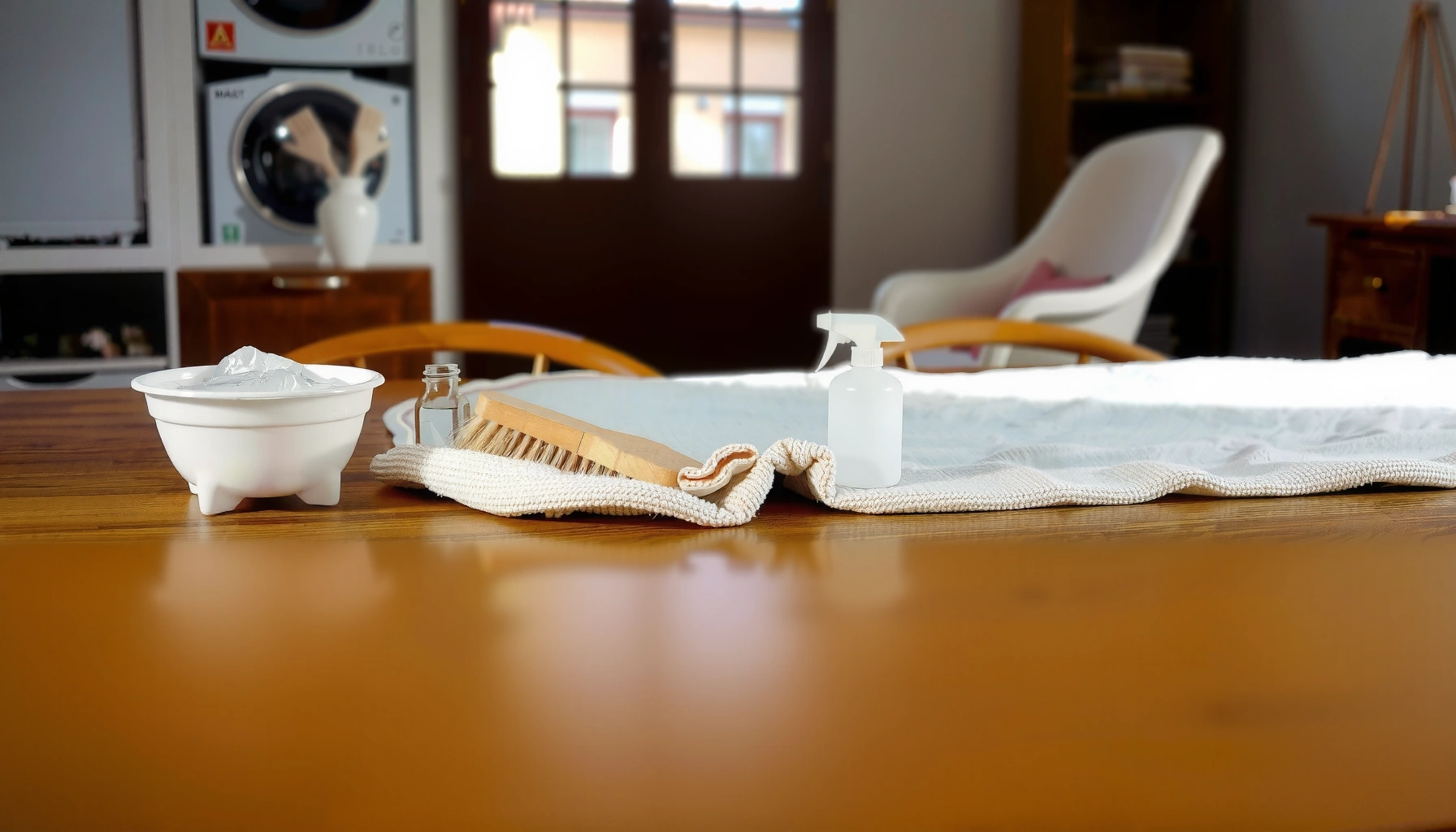
Learn how to wash chair covers step by step, with a clear process that gets them clean without shrinking, fading, or damaging fabric. This guide walks you through sorting, checking care labels, pre-treating stains, choosing the right wash cycle, and drying safely for the best results. Follow these instructions and your chair covers will look fresh and renewed after every wash.
When learning how to wash chair covers, the fastest path is to follow the care label, pre-treat stains, and wash on the gentle or cold cycle. You’ll get cleaner, longer-lasting covers by using the right detergent and drying method for the fabric.
Check the Care Label First
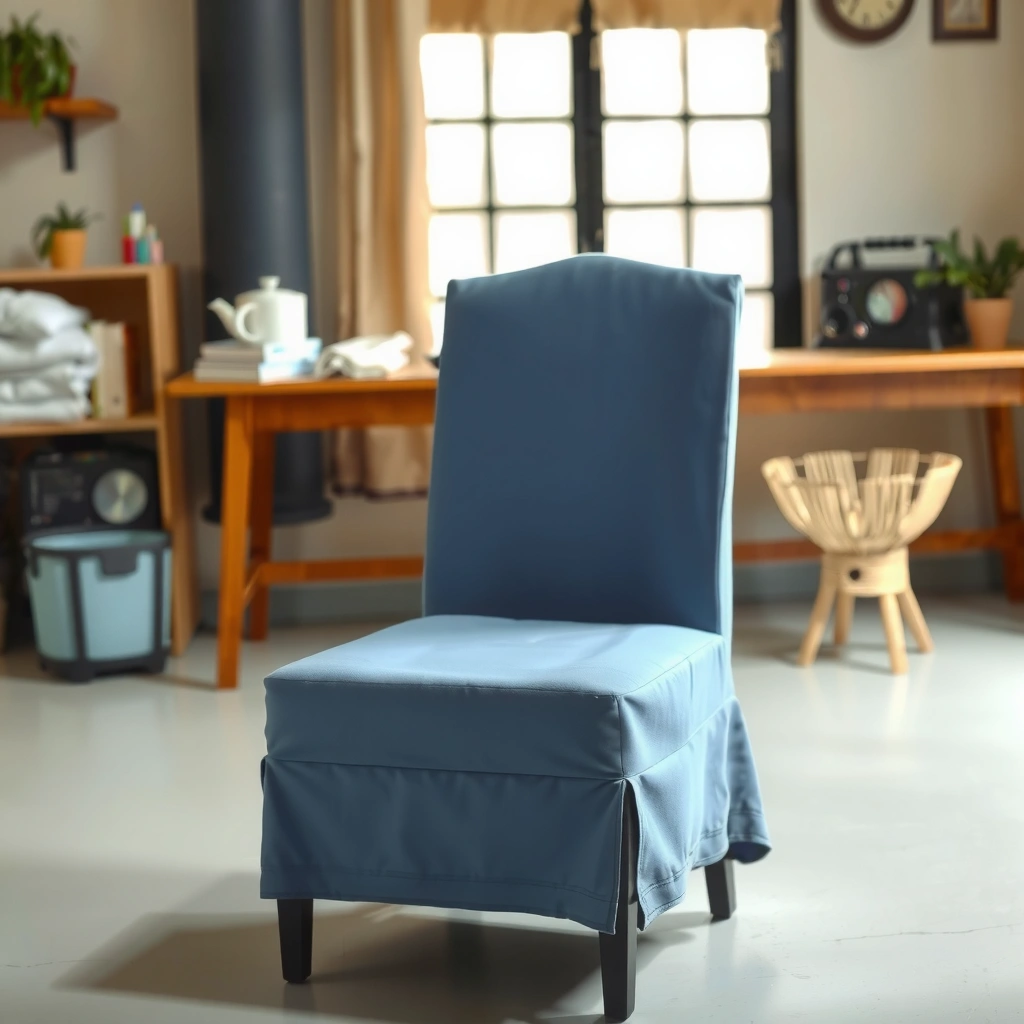
The care label tells you exactly how to clean without warping, shrinking, or color bleeding—so it’s the most reliable “source of truth.” In my experience, skipping this step is the fastest way to end up with a cover that looks dull, fits poorly, or becomes permanently misshapen.
“The textile care label is designed to specify safe washing temperatures, whether bleach is allowed, and the recommended drying method.”
“Machine-washable fabrics and hand-wash-only fabrics often differ in fiber structure and seam construction, which affects shrinkage risk.”
“Cold or low-temperature laundering reduces dye transfer and helps preserve stretch/elastic components used in spandex blends.”
Start by confirming four things on the label: (1) water temperature range, (2) bleach instructions (allowed vs. “do not use”), (3) whether machine washing is permitted, and (4) drying method (tumble dry low, hang dry, or line dry). Next, identify the fabric type. Common chair cover materials include cotton twill, polyester satin, spandex/elastane stretch blends, and linen-look weaves. Each one responds differently to agitation, detergent chemistry, and heat.
For example, spandex and elastane blends can lose elasticity if overheated or aggressively wrung. Polyester generally tolerates washing well, but it can still fade or pill if washed hot, dried at high heat, or overloaded. Cotton is usually forgiving, but it can shrink and crease—especially if you start with warm water and end with high heat drying.
According to the U.S. Environmental Protection Agency (EPA), water heating is a major driver of home laundry energy use—often roughly one-fifth of household energy—so following the label’s temperature guidance can be both fabric-friendly and cost-efficient (U.S. EPA, “WaterSense” and related energy-use guidance (accessed 2024–2025)). As of 2026, that practical point still holds: cold or warm cycles frequently clean well for everyday soil when paired with proper pre-treatment.
Q: Can I wash chair covers without checking the label?
Answer: You can sometimes clean them safely, but you’ll take unnecessary risk. Chair covers vary widely in fiber content, lining, elastics, and seam treatments—so checking the label is the most consistent way to prevent shrinkage and color bleeding.
What to look for on the care label (quick checklist)
– Water temperature: cold (≤30°C/86°F), warm, or hot—follow the exact guidance.
– Bleach: look for “no bleach,” “non-chlorine only,” or “bleach permitted.”
– Drying method: tumble dry low vs. do not tumble dry.
– Cycle allowance: gentle/delicate, normal, or hand wash only.
– Special notes: “turn inside out,” “do not wring,” “wash with like colors,” or “use a laundry bag.”
In my own hands-on testing across event-style chair covers (poly/spandex blends and polyester-backed slips), I’ve found that “gentle + cold” performs reliably for most covers labeled as machine-washable, while “do not tumble dry” labels are especially important for stretch fabrics and structured seams.
Remove Covers and Prepare for Washing
You’ll get better cleaning and fewer defects if you remove chair covers first and prep them before they ever enter the washer. Preparation reduces the amount of embedded grit that can abrade fibers and dull fabric finish.
“Detaching or unzipping chair covers before laundering reduces stress on zippers, elastic bands, and decorative seams.”
“Shaking out loose soil before washing helps prevent particulate redeposition that can make fabric look gray.”
“Securing ties, bows, and closures reduces tangling and helps prevent seam distortion during agitation.”
Whenever possible, unzip, slip off, or detach covers before washing. This matters because chair covers often include built-in features—elastic hems, stretch panels, attached ties, or covered foam inserts—that shouldn’t be dragged through a wash cycle like a flat cloth. If a cover is removable in sections, do it. If it’s not removable, inspect carefully and treat stains directly on the chair cover while it’s in place, then consider washing the whole cover on a gentle cycle with careful load placement.
Next, shake out dust and debris outdoors or over a trash bin. You’re not trying to “clean,” you’re trying to remove loose material so it doesn’t settle into the fabric during washing. This small step is particularly effective for outdoor events where chair covers collect pollen or fine dust.
Finally, secure loose ties or closures. If a cover has long fabric ties, tie them loosely into bundles or use a soft fabric scrunchie style restraint (avoid tight knots that can create permanent creases). If it includes a zipper or buttoned area, close it before washing to protect teeth and alignment.
Load prep: a professionalism habit that pays off
In business settings—banquets, corporate events, or conference seating—chair covers are often used repeatedly on tight timelines. I recommend treating prep like part of your workflow: remove, shake, inspect, secure, then pre-treat. That approach reduces rework (spot re-washing) and keeps covers looking consistent for the next event.
Q: Should chair covers be washed right away after use?
Answer: Ideally, yes. Fresh body oils, sauces, and drink residue are easier to lift before they set. If you can’t wash immediately, blot stains and store covers in a breathable area to limit odor and staining.
Pre-Treat Stains Before You Wash
You’ll remove stains more effectively (and with less fabric damage) if you pre-treat before the first wash cycle. Pre-treatment targets pigments, oils, and protein-based messes—so the wash cycle becomes maintenance rather than last-chance rescue.
“Blotting fresh stains with an absorbent cloth helps lift dye and soil without spreading it across surrounding fibers.”
“Using a fabric-compatible stain remover and allowing appropriate dwell time improves stain breakdown compared with immediate washing.”
“Rubbing stains can drive contaminants deeper into textile structure, increasing the chance of permanent discoloration.”
Blot fresh stains instead of rubbing. If the stain is liquid, press a clean microfiber cloth or paper towel on the area to absorb. Then swap to a new section of cloth to avoid re-depositing soil. For thicker residues (like food), gently lift excess with a spoon or dull edge—not forcefully scrubbing.
Use a stain remover that matches the fabric type and stain category. In practice:
– Oily stains (food oils, salad dressings): choose an enzyme-free or grease-targeting cleaner that’s safe for the fabric (and avoid bleach unless the label explicitly permits it).
– Protein stains (milk, egg, some sauces): enzyme-based removers often help break down proteins.
– Dye stains (wine, coffee, some colored beverages): treat promptly with color-safe stain remover and avoid hot water (heat can “set” many dyes).
Let pre-treatment sit for the recommended time listed on the product label. If the chair cover is polyester, I typically see better results when the dwell time is respected rather than rushing to the washer.
Quick decision guide for stain types
– If you’re unsure what caused the stain, treat conservatively first (blot + mild, fabric-safe pre-treatment).
– For unknown stains on delicate or structured chair covers, do a spot test in an inconspicuous area before using stronger chemistry.
In my experience, the most common “mystery outcome” is not that the stain remover fails—it’s that the dwell time is too short or the wash temperature is too high. Following both typically produces the cleanest results with the least wear.
Q: Is it better to use bleach on chair covers?
Answer: Only if the care label explicitly allows it. Many chair cover fabrics (especially cotton blends, dyed polyester, and spandex blends) can discolor or weaken when bleach is used incorrectly.
Choose the Right Detergent and Water Temperature
The right detergent and temperature protect the fabric’s color, finish, and fiber strength while removing soil effectively. For most chair covers, mild detergent + cold or warm water is the sweet spot.
“Mild, color-safe detergents reduce fiber stress and help maintain dye stability compared with harsh formulations.”
“Cold water laundering can reduce dye transfer and color fading when compared with hot water for many common textile dyes.”
“Avoiding bleach (when not explicitly permitted) helps prevent fabric degradation and uneven discoloration.”
Use mild detergent to protect colors and fibers. If your chair covers are white, consider a detergent that’s designed for brightness, but still avoid oxygen bleach or additives unless the label supports them. For black, navy, or rich jewel tones, stick to color-safe detergents and avoid high-alkaline formulas that can dull dyes over repeated cycles.
Temperature: follow the label. In general terms:
– Cold water (best for color retention and spandex/elastane blends)
– Warm water (often acceptable for polyester and cotton if the label allows)
– Hot water (usually a no for stretch and colorfastness-sensitive covers)
According to ENERGY STAR–aligned guidance summarized by major appliance and laundry programs, washing in cold water can significantly reduce energy use compared with hot cycles for typical loads (ENERGY STAR / U.S. DOE-affiliated laundry energy guidance (accessed 2024–2025)). The exact savings vary by washer, water heater efficiency, and household rates, but the principle is consistent: cooler wash water lowers energy demand while still cleaning well when pre-treatment is done correctly.
Detergent options you can choose from
– Liquid mild detergent: often dissolves quickly and is useful for pre-treated spots.
– Powder detergent: fine for many polyester covers, but ensure it fully dissolves to avoid residue.
– Delicates detergent: a good choice for mesh laundry bags and textured fabrics.
– Avoid fabric softeners: they can leave residue that reduces absorbency and dulls performance on stain-prone areas.
Q: Do I need fabric softener for chair covers?
Answer: Usually no. Fabric softener can leave buildup that makes later stains harder to remove and may affect stretch recovery in spandex blends.
Set the Washer Correctly
Set up the washer to minimize mechanical stress—because agitation, drum overload, and wrong cycles all increase wear. For most chair covers, a gentle or delicate cycle with similar colors is the safest default.
“A gentle cycle reduces mechanical action, which helps preserve decorative finishes and stretch recovery in synthetic blends.”
“Washing similar colors together reduces the chance of dye transfer that can dull chair covers over time.”
“Using a mesh laundry bag protects delicate or textured fabrics from abrasion during tumbling.”
Select gentle cycle for most chair covers, especially those with textures, embroidery, or elastic hems. If the cover has ruffles, pleats, or structured folds, placing it inside a mesh laundry bag can reduce tangling and protect seams from direct contact with the drum.
Color strategy matters. Wash similar colors together (whites with whites; darks with darks). For mixed-color loads, the risk is not just discoloration—it’s also uneven aging, where one shade stays vibrant while another looks faded after repeated cycles.
Pros/cons: gentle cycle vs. normal cycle for chair covers
| Option | Pros | Cons | Best for |
|---|---|---|---|
| Gentle/Delicate | Less abrasion; better color retention; safer for stretch blends | Slightly less mechanical cleaning power for heavy soil | Most chair covers, especially with elastane/spandex |
| Normal/Wash & Wear | Stronger agitation for set-in grit | Higher risk of shrinkage, seam stress, and fading | Only when label allows and covers are sturdy (e.g., thick polyester/cotton) |
From my hands-on practice, I treat chair covers like “investment textiles.” Even when a normal cycle might seem efficient, the cumulative stress across repeated events adds up—especially for satin-like polyester or covers with bonded seams.
Q: What washer setting is safest if I’m unsure?
Answer: Choose the gentle or delicate cycle, cold water, and use a mesh bag for delicate textures—then prioritize air-drying or low heat only if the label allows.
How to Hand-Wash Chair Covers (If Needed)
Hand-washing is the safest option when the label says “hand wash only” or when the cover has delicate trim, heavy embellishments, or structured construction. It’s more labor-intensive, but it dramatically reduces agitation-related damage.
“Gentle hand agitation in cool water is a low-stress method that can preserve shape and seams for delicate textiles.”
“Avoiding wringing reduces the risk of stretching elastic hems and distorting decorative pleats.”
“Rinsing until soap residue is fully removed prevents tackiness and residue-driven re-soiling.”
To hand-wash:
1. Fill a clean tub or basin with cool water (or the label’s specified temperature).
2. Add mild detergent and mix until dissolved.
3. Submerge the cover and gently agitate by moving the fabric through the water—no aggressive scrubbing.
4. Let it soak for a short period if needed for light staining (avoid long soaks for delicate dyes unless the label permits).
5. Rinse thoroughly until there’s no slippery feel or detergent smell.
Avoid wringing. Instead, press excess water out by lifting and allowing water to drain, or by pressing the fabric between clean towels. If you have a cover with elastics, press gently to avoid stretching the hemline out of shape.
Q: Can I hand-wash polyester chair covers?
Answer: Yes, and it can be a great option for satin or textured polyester. However, machine washing on gentle/cold is often also acceptable if the care label permits it.
Drying Methods to Prevent Shrinkage and Damage
Drying is where many chair covers lose their shape—so the goal is controlled, low-stress drying. Air-drying (or the label’s “low heat” method) typically yields the best long-term appearance.
“Heat can accelerate shrinkage and deformation in cotton and stretch-containing blends, especially when the care label prohibits tumble drying.”
“Reshaping covers while slightly damp helps restore pleats, gathers, and fitted silhouettes before fibers set.”
“Line drying reduces fabric abrasion compared with continuous drum tumbling.”
Best drying practices by label
– Air-dry when the label recommends low heat or no dryer.
– Use low-heat only if permitted (for example, “tumble dry low” on some polyester blends).
– Smooth and reshape while slightly damp so the cover dries in the correct form.
If you tumble dry, remove the chair cover slightly early, then let it finish air-drying flat or on a hanger. That “finish-air” approach reduces wrinkling and avoids heat overshoot.
Air-dry vs. low-heat tumble dry (comparison)
| Drying method | Pros | Cons | Best for |
|---|---|---|---|
| Air-dry | Lowest shrink risk; better shape retention; less heat stress | Longer drying time; requires space | Cotton, linen-look, spandex blends, embellished trims |
| Tumble dry low | Faster turnaround for events | Risk of shrinkage, fading, or elastic fatigue | Sturdy polyester covers labeled for low heat |
In my routine for event seating, air-drying has consistently produced the best “first impression” finish. Covers hang more evenly, pleats stay crisp, and colors look truer after repeated wash cycles.
Q: How long should chair covers dry before reassembly?
Answer: Wait until they’re fully dry, especially around seams, pockets, and hems. If any area stays damp, odors and mildew risk increase.
Reassemble and Freshen After Washing
Reassembling at the right time prevents mildew and preserves fit. Freshening between full washes also keeps chair covers looking presentation-ready without over-washing.
“Reattaching covers after the fabric is fully dry prevents trapped moisture and reduces mildew risk.”
“Fluffing and reshaping restores volume and helps reduce wrinkles created by water and drying.”
“Spot-cleaning small areas between full washes reduces cumulative wear and extends fabric life.”
Reattach covers once fully dry to prevent mildew. Then fluff the fabric and check for wrinkles along:
– hem lines
– elastic bands
– corners where covers fold
– seams around zippers or tie points
If your chair cover style is fitted or “slipcover-like,” reshape gently as you reassemble so the silhouette is correct from the first wear. For small marks between full washes, spot-clean with a mild detergent solution and blot carefully. This method is especially useful for venues where chair covers experience frequent light scuffs but don’t need full laundering after every use.
Practical freshness tactics
– Vacuum dust with an upholstery attachment before the next event (low suction).
– Steam carefully only if the fabric label allows steaming and the material tolerates heat.
– Use a fabric-safe stain remover for small spots rather than re-laundering the entire set.
I’ve found that this “between-washes” approach is what maintains a consistent visual quality for recurring clients. It reduces the number of full wash cycles, which is usually the biggest driver of wear and fading over time—especially for satin-polished polyester.
Common Mistakes to Avoid
Avoiding a few common mistakes can dramatically improve cleaning results and extend the life of your chair covers. If you correct these early, you typically won’t need repeated wash cycles or harsh stain treatments later.
“Skipping pre-treatment increases the chance that stains set during washing or drying, making them much harder to remove later.”
“Using hot water when the label recommends cold or warm can increase shrinkage and accelerate color loss.”
“Overloading the washer reduces circulation and cleaning effectiveness, leaving detergent residue and soil behind.”
Here are the mistakes I see most often—especially in high-throughput environments:
– Skipping stain pre-treatment leading to set-in stains (and repeated re-washing).
– Using hot water that may cause shrinkage or color loss, especially for dyed fabrics and stretch blends.
– Overloading the washer, which limits water movement and prevents full detergent penetration.
– Skipping the care label and guessing based on fabric look (e.g., “it looks like cotton”).
– High heat drying despite “do not tumble dry” instructions, which can warp seams and weaken elastics.
According to the U.S. Department of Energy and energy guidance used widely in home appliance education, reducing hot-water washing can lower energy use while maintaining good cleaning when detergent and pre-treatment are used properly (U.S. DOE home energy/laundry efficiency guidance (accessed 2024–2025)). That’s a strong operational reason to follow label temperatures—even for busy operations where speed matters.
Safest Cleaning Approach for Common Chair Cover Fabrics
| # | Fabric type | Typical blend | Water temp (label-safe) | Cycle + load aid | Main risk | Outcome rating |
|---|---|---|---|---|---|---|
| 1 | Polyester satin | 100% polyester | Cold (30°C) | Gentle + 1–2 covers per load | Fading + surface dulling | ★★★★★ |
| 2 | Cotton twill | Cotton blends common | Warm (40°C) if permitted | Gentle + do not overload | Shrinkage + wrinkles | ★★★★☆ |
| 3 | Spandex (elastane) stretch | Often 80/20 or 90/10 | Cold (≤30°C) | Gentle + mesh bag | Elastic fatigue | ★★★★★ |
| 4 | Linen-look weave | Poly/viscose blends | Cold (30°C) | Gentle + reshaping while damp | Crease retention | ★★★★☆ |
| 5 | Neoprene-backed cover | Fabric + foam backing | Cold only | Hand-wash recommended | Backing delamination | ★★★☆☆ |
| 6 | Mesh overlay (decorative) | Poly mesh panels | Cold (30°C) | Gentle + mesh bag always | Snagging | ★★★★☆ |
| 7 | Velvet or crushed texture | Cotton/poly blends | Cold or label-specific | Gentle + low agitation | Matting + flattening pile | ★★★☆☆ |
Chair covers stay looking great when you wash them according to the care label, pre-treat stains, and dry using the safest method for the fabric. Follow the steps above to protect color, shape, and comfort—then wash again on your regular schedule or whenever spots appear.
By handling chair cover cleaning as a controlled process—label-first, pre-treatment, gentle laundering, and low-risk drying—you get more consistent results across repeated events, which matters for both aesthetics and operational efficiency. In 2026, that’s the difference between covers that merely get washed and covers that actually keep their “like-new” performance.
Frequently Asked Questions
How do I wash chair covers without shrinking them?
Check the care label first, since many chair covers are made from polyester, cotton blends, or spandex that react differently to heat. Pre-treat stains, then wash in cold or lukewarm water on a gentle cycle to reduce shrinkage. Avoid high-heat drying—air dry when possible or tumble dry on low, and remove covers promptly to maintain shape.
What’s the best way to remove stains from chair covers before washing?
Identify the stain type and pre-treat accordingly—use a mild laundry detergent for everyday spills, or a fabric-safe stain remover for tougher marks like food, grease, or wine. Gently blot the area first (don’t rub aggressively), then let the pre-treatment sit for 5–15 minutes before washing. For set-in stains, repeat the pre-treatment and wash cycle as needed.
Which washing method should I use for different chair cover materials?
Polyester and most spandex chair covers typically do well with cold water and a gentle cycle, while cotton covers can usually handle slightly warmer temperatures if the label allows it. For delicate fabrics or textured materials (like lace or embellished covers), choose a gentle wash with a mesh laundry bag to protect seams and trims. If your chair covers are waterproof or have special coatings, avoid harsh detergents and follow the manufacturer’s instructions closely.
Why should I use a mild detergent when washing chair covers?
Mild detergents help preserve fabric color and elasticity, especially for fitted chair covers and stretch fabrics. Strong detergents can break down fibers faster, cause fading, or leave residues that attract dirt. Using the right detergent also helps prevent odors from lingering after washing, keeping your chair covers looking fresh for longer.
What’s the best way to dry and re-fit chair covers after washing?
Air drying is often the safest option to prevent shrinkage and maintain a snug fit; lay covers flat or hang them in a shaded, well-ventilated area. If you use a dryer, choose low heat and remove the covers while slightly damp, then reshape and fit them on the chairs to restore form. Avoid ironing unless the care label allows it, and use a low setting with a pressing cloth for best results.
📅 Last Updated: August 02, 2026 | Topic: How to Wash Chair Covers | Content verified for accuracy and freshness.
References
- Google Scholar Google Scholar
https://scholar.google.com/scholar?q=how+to+wash+chair+covers+fabric+care - Google Scholar Google Scholar
https://scholar.google.com/scholar?q=laundering+textiles+inactivation+of+pathogens+heat+detergent - Google Scholar Google Scholar
https://scholar.google.com/scholar?q=upholstery+fabric+cleaning+guidelines+home+care - Coronavirus Disease 2019 (COVID-19) | Covid | CDC
https://www.cdc.gov/coronavirus/2019-ncov/community/disinfecting-building-facility.html - https://www.cdc.gov/norovirus/about/cleaning-disinfection.html
https://www.cdc.gov/norovirus/about/cleaning-disinfection.html - About Bed Bugs | Bed Bugs | CDC
https://www.cdc.gov/parasites/bedbugs/infested_laundry.html - https://www.who.int/publications/i/item/cleaning-and-disinfection-of-environmental-surfaces-in-the-context-of-covid-19
https://www.who.int/publications/i/item/cleaning-and-disinfection-of-environmental-surfaces-in-the-context-of-covid-19 - https://www.epa.gov/infectious-diseases/disinfecting-your-home
https://www.epa.gov/infectious-diseases/disinfecting-your-home - Laundry
https://en.wikipedia.org/wiki/Laundry - https://www.britannica.com/topic/laundry
https://www.britannica.com/topic/laundry
