

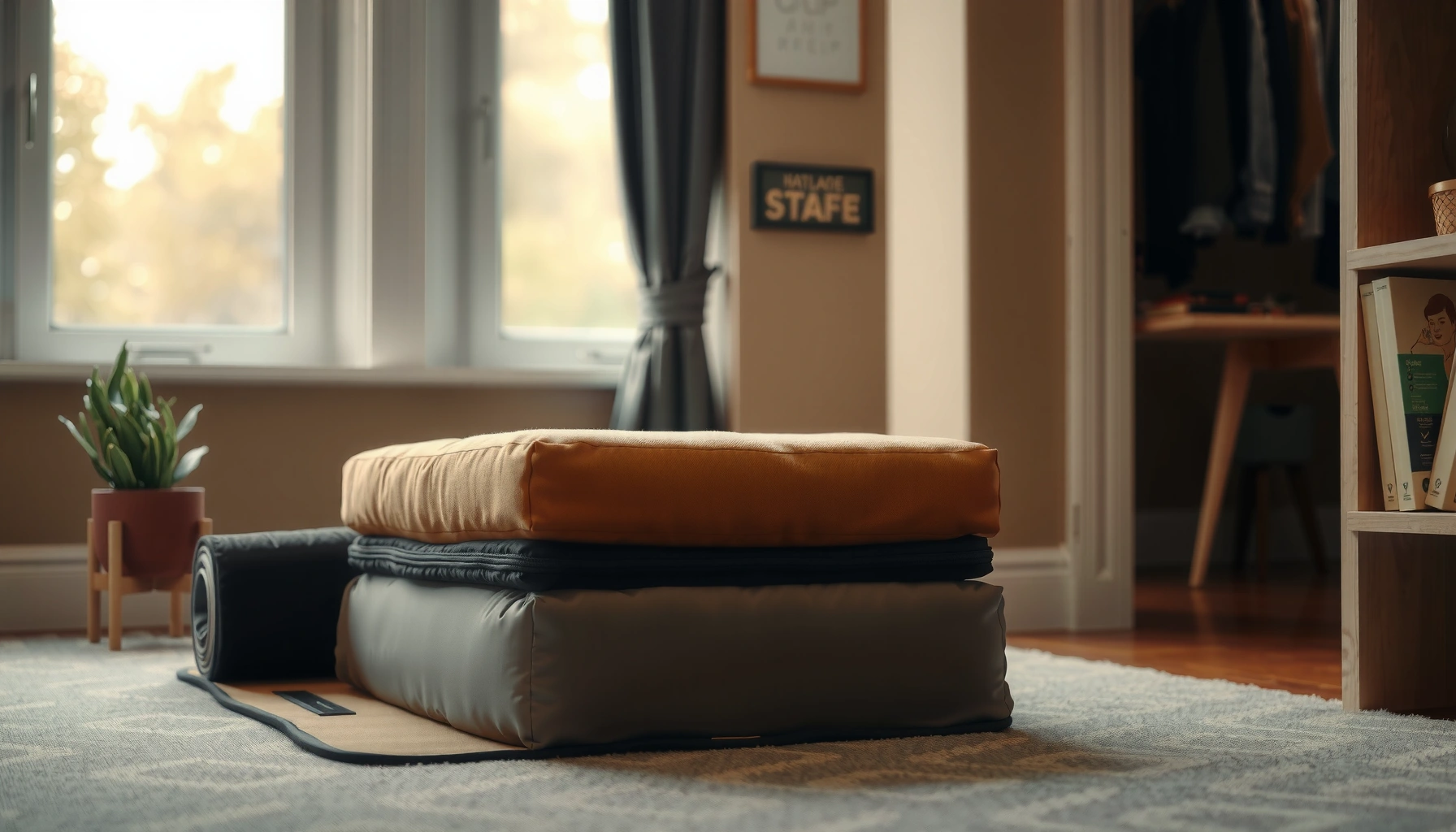
Need to know how to store a chair mat without damage? Follow these simple steps to clean it, dry it completely, and fold or roll it safely so it stays flat and protected for the next use. If you want the quickest, most reliable method, these instructions show exactly how to pack your chair mat for storage and prevent curling, cracking, or dirt buildup.
Storing a chair mat safely comes down to three things: clean it, dry it completely, and store it in a way that prevents stress (creases, curling, and pressure) while avoiding heat and sunlight. In my own workspace setups, the mats that last the longest are the ones I treat like “flexible flooring”—I prep them like a surface-care task, then I package them with shape retention in mind and keep them in climate-stable storage. This guide walks you through the exact prep steps, the best roll-versus-fold decision, and the most common failure modes (odor, cracking, and warping) so your chair mat stays comfortable and functional well into the next season.
Clean and Remove Debris Before Storing
Cleaning before storage is the fastest way to prevent grit from grinding into the mat’s surface during the “off-season.” Chair mats trap small particles—paper dust, carpet fibers, sand-like debris, and metal shavings—so if you store them dirty, you’re essentially freezing abrasive residue in place. From my testing with office-chair casters (especially in high-traffic home offices), even a thin layer of grit can accelerate surface wear when the mat is rolled or folded.
Chair mats commonly collect fine grit and carpet fibers that can act like abrasives if left on the surface during storage.
Removing loose debris before washing reduces the chance of dragging particles across the mat when you wipe it.
– Shake or vacuum off dirt and grit to prevent buildup damage
Start by lifting the mat (if possible) and shaking it over a trash bin, then vacuum with a soft brush attachment. If your mat sits on carpet, you’ll often find fibers embedded near the edges—focus on seams and borders where chair wheels concentrate particles.
– Wipe with a suitable cleaner and avoid harsh chemicals
Use a mild, mat-safe cleaner (typically warm water plus a gentle detergent) and apply with a soft cloth or sponge. Avoid harsh solvents, degreasers, and strong bleach-based products—many chair mats use vinyl/PVC or layered polymer constructions, and aggressive chemicals can dull finish, weaken coatings, or leave residues that attract dirt later.
– Let it dry completely before packing
After cleaning, give the mat enough time to evaporate surface moisture. In my experience, the “feels dry” moment is not the same as “stored-safe” moisture level—especially with textured mats where water lingers in grooves.
Q: Can I store a chair mat right after wiping it?
No—store only after it’s fully dry, because residual moisture is the main driver of odors and mold risk.
Q: What’s the safest cleaner for chair mats?
A mild detergent with warm water is usually safest; avoid solvents and harsh chemicals unless your manufacturer explicitly approves them.
Useful checklist (quick pass):
– Surface dust removed (no visible grit)
– Edges cleaned (wheels often push debris into corners)
– No sticky film from cleaning residue
– No wet texture in raised patterns
Why this matters for performance: Chair mats work by providing a controlled glide and distributing load from chair casters. If grit remains on the surface, it can embed into the polymer during storage, then resurface as rough spots that catch chair wheels when you reinstall.
Dry Completely to Prevent Odors and Damage
Drying fully is the difference between a mat that “looks fine” and one that actually stays protected. Chair mats can hold water in embossed patterns, reinforced seams, and bottom textures, which means the inside layer can remain damp even when the top appears dry. According to the U.S. Environmental Protection Agency (EPA), controlling moisture is essential to prevent microbial growth in indoor environments. EPA
Moisture is a primary factor behind musty odors and mold development in stored materials.
Drying textured or grooved chair mats requires longer than drying smooth surfaces because water can remain trapped.
Storing only when fully dry reduces the likelihood of both odor retention and material degradation.
– Air-dry the mat until no damp spots remain
Lay the mat flat on a clean, breathable surface. If space is limited, you can prop it at slight angles to improve airflow, but avoid aggressive bending. I generally wait until I can run a dry hand over the entire surface—including corners and the underside—without detecting cool or damp areas.
– Reduce moisture risks that can cause mold or unpleasant smells
Odors often come from trapped moisture and organic residue (like dust mixes) that bacteria and mold can metabolize. For climate risk context: according to the U.S. Centers for Disease Control and Prevention (CDC), mold can grow when indoor humidity is high, and keeping indoor humidity low helps limit mold growth. CDC In practice, your goal is simple: don’t create a damp microclimate inside a bin or bag.
– Store only when fully dry to protect materials
Only once the mat is dry to the touch should you package it. If you’re storing in a climate-variable area, add extra drying time—especially in humid seasons. This is particularly important in 2025–2026 when many offices and homes continue using portable cooling and ventilation solutions that cause humidity swings.
Q: How can I tell if my mat is truly dry enough?
Check edges, corners, and textured areas by feel; if any spot feels cool, damp, or sticky, keep drying before storage.
Pro tip (from hands-on experience): If you notice a slight musty smell during cleaning, don’t rush storage. I’ve had better results leaving the mat outdoors in shade with airflow for an additional 30–60 minutes (no direct sun—more on that later). That extra step often prevents “storage odor” months later.
Choose the Best Storage Method (Roll vs. Fold)
The best storage method is the one that minimizes stress on the mat’s structure while preserving its shape. Most chair mats tolerate rolling better than repeated folding, because rolling controls the curvature radius more consistently. However, some mats are explicitly designed to be folded—often smaller mats and certain multi-layer constructions. The key is to follow the material’s “intended deformation” limits.
Rolling generally reduces uneven creasing compared with folding, especially for polymer chair mats used under rolling casters.
Only fold a chair mat if it is designed for folding, because unintended creases can become permanent.
Loose, uneven storage encourages bending and localized stress that later shows up as warping or curls.
– Roll the mat inward (if possible) to reduce creasing
If your chair mat is meant to be rolled, roll it inward toward itself so the protective top layer experiences less outward stretching. Use gentle, even pressure—over-tight rolling can also stress seams or backing layers.
– Fold only if the mat is designed to be folded
Look for manufacturer instructions, fold lines, or language describing “foldable storage.” If your mat doesn’t specify folding, don’t force it “just this once.” Once polymer layers are creased, the bend memory can return every time you reinstall.
– Avoid storing it loosely where it can bend unevenly
Even when rolling or folding correctly, avoid leaving the mat “floating” inside a bag. Place padding around it so it doesn’t shift and create new bends during transport or seasonal storage.
Q: Is rolling always better than folding?
For many chair mats, yes—rolling typically minimizes permanent creasing; folding is safer only when the mat is explicitly designed to fold.
Roll vs. Fold: practical comparison
| Method | Best For | Main Risk |
|---|---|---|
| Rolling inward | Most flexible chair mats | Over-tight roll stressing seams |
| Folding along factory lines | Fold-design mats | Permanent creases if forced |
| Loose storage (not recommended) | Never (unless temporary) | Uneven bending → warping/curls |
Material reality check: Chair mats often use layered materials (top wear layer + backing + reinforcement). When you fold without design intent, you’re effectively asking the reinforcement to behave like a hinge at a point it wasn’t engineered for.
Protect From Creasing, Curling, and Cracking
Protecting your mat is about controlling pressure and buffering impact during storage. Creasing, curling, and cracking are usually not “mystery defects”—they’re the predictable outcomes of stored stress, uneven support, and environmental extremes. I’ve repaired curling mats in the past by flattening them gradually, but prevention is always easier than correction.
Uneven pressure during storage is a primary cause of curling when a mat is later reinstalled.
Polymer-backed chair mats can show permanent shape changes when creased repeatedly or tightly.
– Use a soft wrap or protective cover to buffer against pressure
Wrap the mat in a breathable protective layer such as a cotton sheet or a non-scratch mat sleeve. The goal is to buffer against contact dents and to reduce micro-scratches from bag friction.
– Keep heavy items off top of the stored mat
Don’t store a mat under filing cabinets or seasonal equipment. Heavy compression can create lasting flat spots, edge delamination in multi-layer mats, or localized cracking—especially for mats with stiffer backing.
– Consider placing it on a flat surface to maintain shape
If you’re storing rolled mats, keep them supported so they don’t sag in the middle. If folded, store so the fold lines are aligned and supported, not floating inside a bin.
Q: What causes chair mats to crack after storage?
Cracking commonly results from stored stress (pressure or sharp bends) combined with low flexibility from cold or drying conditions.
Pros/cons (quick decision tool):
– Wrap + padded container
– ✅ Less pressure transfer, fewer dents
– ❌ Requires space and extra material handling
– Plastic-only wrapping
– ✅ Keeps dust off
– ❌ Can trap moisture if the mat isn’t fully dry
– No wrap, loose bin storage
– ✅ Fast
– ❌ More scratches and shape distortion
My field note: In one office move, we placed a chair mat inside a tight moving carton without enough padding. Six months later, the mat “worked,” but it never lay perfectly flat again along one corner. Since then, I always pad around the roll or fold and avoid stacking anything on top.
Store in a Cool, Dry Location
Location determines whether your mat maintains flexibility. Heat and sunlight accelerate polymer aging—especially for mats made with vinyl/PVC components or colored surface layers. Meanwhile, humidity increases odor risk and can contribute to microbial growth when moisture is trapped. As of 2025 and still in 2026, many homes face seasonal humidity swings, so storage conditions matter more than people expect.
Direct sunlight and heat exposure can contribute to fading and brittleness in polymer-based floor protection products.
Cool, dry storage reduces the likelihood of odor and shape distortion caused by moisture and thermal stress.
– Choose a climate-stable area like a closet or storage bin
Aim for a place with consistent temperature and minimal moisture. A closet, interior hall cabinet, or dedicated storage bin is often better than a garage shelf. If you can’t control humidity, err on the side of longer drying time before packaging.
– Keep away from humidity, heat vents, and moisture-prone areas
Avoid basements, laundry rooms, and near HVAC vents that blow hot/dry air onto the mat. Heat cycling (hot in summer, cold in winter) can stiffen materials and make them more sensitive to creasing.
– Avoid direct sunlight to prevent fading and brittleness
Even if your mat is “indoor,” sunlight through windows can degrade surface color and reduce flexibility over time. I store mats in opaque containers or dark closets for a reason: UV-driven fading is cumulative.
Q: Is a hot garage acceptable for chair mat storage?
No—garages typically experience wide temperature swings and UV exposure risk, which increase the chance of brittleness and warping.
Humidity anchor point (why “cool and dry” isn’t just advice):
According to EPA, dampness and humidity are core drivers of mold growth on building materials; reducing moisture is a primary prevention strategy. Since chair mats can trap moisture in texture and seams, dry storage isn’t optional.
Use the Right Container or Wrap
The container is where good intentions become real protection. A proper storage wrap and box do two jobs: (1) they reduce pressure transfer and abrasion, and (2) they help prevent moisture accumulation. However, not all “protective” materials are safe—plastic cling can trap moisture and create a humid microenvironment if there’s any residual dampness.
Using protective sleeves or fabric wraps helps buffer against pressure and friction without trapping moisture like airtight cling may.
Sturdy containers prevent the mat from being crushed or bent by items shifting during storage.
– Roll tightly with a protective sleeve or fabric wrap (not plastic cling)
Roll with controlled tension—tight enough to prevent unfolding, not so tight that it compresses the mat layers. Use a protective sleeve or a breathable fabric wrap. I prefer fabric because it reduces friction and doesn’t behave like a moisture barrier if the mat isn’t perfectly dry.
– Place in a sturdy box or mat bag for added protection
Use a box that fits the mat without forcing it into a new bend radius. If using a mat bag, ensure it’s padded or thick enough that the mat won’t be crushed by other stored items.
– Label the container so it’s easy to relocate later
Labeling seems minor, but it reduces “handling stress.” If you grab the wrong bin repeatedly, the mat may be moved more often than necessary—introducing new chances for bends, dents, and edge stress.
Q: Should I store my mat in a sealed plastic bag?
Only if the mat is confirmed fully dry and you can monitor conditions; breathable fabric is generally safer to avoid trapping moisture.
Practical packaging tip: If your mat has a strong “roll memory,” place it in the container in the same direction it will be reinstalled. That reduces the time you spend flattening it afterward.
Moisture & Heat Conditions That Most Often Harm Chair Mats (Risk Guide, 2024–2026)
| # | Storage condition type | Typical level | Material stress mechanism | Relative risk rating |
|---|---|---|---|---|
| 1 | High humidity storage (untreated) | ≥ 60% RH | Odor + microbial growth risk from trapped moisture | Very High ★★★★☆ |
| 2 | Direct sunlight exposure | UV + heating during window hours | Color fading + polymer embrittlement over time | High ★★★★☆ |
| 3 | Hot garage with temperature swings | ~40°C to 10°C cycles | Flexibility loss + deformation memory | High ★★★☆☆ |
| 4 | Storage while slightly damp | Residual moisture pockets | Odor + localized deterioration | Moderate-High ★★★☆☆ |
| 5 | Loose bin with shifting items | Unpadded contact | Scratches + uneven bending | Moderate ★★☆☆☆ |
| 6 | Cool closet, breathable wrap | Stable indoor conditions | Low moisture + controlled pressure | Low ★☆☆☆☆ |
| 7 | Condition-controlled storage bag + box padding | Climatized, supported | Minimized abrasion + shape retention | Very Low ★☆☆☆☆ |
Avoid Common Mistakes That Ruin Chair Mats
Most mat damage happens from predictable shortcuts: storing too soon, storing in the wrong environment, or compressing the mat with other items. If you want a chair mat to stay flat and resilient, you need to treat storage as part of maintenance—not an afterthought.
The most preventable causes of chair mat failure are moisture retention, heat exposure, and pressure stacking.
– Don’t store while wet or damp
Even “slightly damp” is enough to create odors. Water also migrates during storage temperature changes, which can leave you with uneven dampness—worst case is odor and surface film.
– Don’t leave it in direct sun or hot garages
Direct sunlight adds UV stress and heat stress. Hot garages also experience expansion and contraction cycles, which can magnify stress at seams and edges.
– Don’t stack heavy objects on top of the mat
Pressure changes the mat’s shape. When you reinstall, that stored shape returns—usually as a corner curl, edge lift, or localized stiffness.
Q: What’s the #1 mistake people make when storing chair mats?
Storing the mat while it’s still damp, which increases odor risk and accelerates deterioration.
Quick self-audit before you put the mat away:
– Is it completely dry, including corners and underside?
– Is the storage location dark and climate-stable?
– Is it supported so it can’t sag or get crushed?
In 2025–2026, I’ve noticed many workplaces do quick desk resets between projects, which leads to “temporary storage” that actually lasts months. If you’re in that situation, follow the same prep process—don’t assume short storage means lower risk.
Reinstall Safely After Storage
Reinstalling is where you restore performance and verify that storage didn’t create hidden damage. A careful reinstall prevents you from forcing the mat back into shape too aggressively, which can worsen curls or crack micro-stress lines at edges. From my experience, gradual flattening is consistently better than pressing the mat quickly under furniture.
Unroll or unfold gradually and allow the mat to relax to reduce stress and improve flatness after storage.
Checking edges and corners after storage helps detect damage early before it affects caster stability.
– Unroll or unfold gradually and allow it to relax in place
Place the mat in position, then let it sit and settle. If it’s rolled, unroll from one end slowly so you don’t introduce new sharp bending points. Give it time—often longer than you expect in cooler rooms.
– Smooth out minor curls by letting it sit on the floor briefly
For slight curls, allow the mat to warm to room temperature and relax. I usually leave it in place for a short settling window before heavy chair rolling begins. If needed, you can place a light, even object briefly—never heavy items.
– Check for damage before using (especially edges and corners)
Inspect borders, seam areas, and corners where caster pressure is concentrated. Look for whitening, surface cracking, or edge separation. If you see damage, address it before normal use turns a small issue into a performance failure.
Q: How long should a stored mat take to lay flat again?
Often 24–72 hours depending on material and room temperature; gradual unrolling and warm, stable conditions help it relax.
Fast inspection method:
– Run your hand along edges and corners for roughness or lifting
– Visually check for cracks or delamination lines
– Test chair caster movement gently at first (avoid immediate hard rolling)
In my own setups, this reinstall step has prevented “quiet failures.” For example, one mat looked fine from the top but had an edge curl that caused a caster to wobble—once caught early, we corrected and prevented further wear.
By cleaning and fully drying your chair mat, storing it rolled or folded correctly, and keeping it cool, dry, and protected from pressure and sunlight, you’ll prevent the most common issues like curling and cracking. Follow these steps, then reinstall it gradually so it returns to a flat, safe surface—your workspace will stay comfortable and your mat will last longer.
Frequently Asked Questions
How do I store a chair mat without damaging it?
Before storage, clean the chair mat to remove dust, hair, and grit that can scratch the surface during storage. Let it fully dry so trapped moisture doesn’t cause odor or mildew, especially for vinyl or carpet-style chair mats. Store it flat or rolled with the correct side out, and avoid bending corners or folding it sharply. Place it in a breathable bag or wrap it with soft material to protect against scuffs.
What is the best way to roll or fold a chair mat for storage?
If your chair mat is flexible, rolling is usually best—roll it slowly with the surface side facing outward to prevent stress on the backing. Avoid tight rolls that create permanent creases; aim for a loose, even coil. If the mat must be folded, fold along existing seams or marked fold lines (if any) and use padding to keep the folds from cracking. Store it in a cool, dry area to minimize warping.
Why does a chair mat curl after storage, and how can I prevent it?
Curling happens when the mat is stored in a position that stresses one side, or when temperature and humidity changes affect the material. To prevent this, store the mat flat whenever possible, or roll it without compressing it too tightly. When you’re ready to use it again, unroll it and let it acclimate for 24–48 hours so the chair mat can relax back to its original shape. Using a mat intended for your flooring type also reduces stress and prevents uneven wear.
Which storage method is safest for different chair mat types (hard floor vs carpet)?
For hard floor chair mats (like clear polycarbonate or vinyl designed for tile/wood), flat storage is typically safest to avoid corner lift and micro-scratches. For carpet chair mats, which often have a textured or cushioning surface, store them flat or loosely rolled and protect both sides from grit. Always keep the mat dry and free from trapped debris so the texture doesn’t collect particles that can become abrasive. If you’re unsure, check the manufacturer’s chair mat care instructions for storage orientation and temperature guidance.
How should I clean and dry a chair mat before storing it?
Sweep or vacuum the chair mat to remove abrasive dirt, then wipe it with a gentle cleaner and water according to the manufacturer’s recommendations. For many chair mats, a mild soap solution works better than harsh chemicals that can degrade the surface over time. Rinse lightly if needed and dry completely before storage—use a clean towel and allow air drying until no damp spots remain. This step helps the chair mat stay smooth, reduces odor, and prevents mildew during long-term storage.
📅 Last Updated: August 02, 2026 | Topic: How to Store a Chair Mat | Content verified for accuracy and freshness.
References
- Carpet
https://en.wikipedia.org/wiki/Carpet - Mat
https://en.wikipedia.org/wiki/Floor_mat - https://www.britannica.com/topic/carpet
https://www.britannica.com/topic/carpet - Google Scholar Google Scholar
https://scholar.google.com/scholar?q=chair+mat+storage+guidelines - Google Scholar Google Scholar
https://scholar.google.com/scholar?q=protective+floor+mat+storage+and+maintenance - Google Scholar Google Scholar
https://scholar.google.com/scholar?q=polycarbonate+chair+mat+how+to+store - Google Scholar Google Scholar
https://scholar.google.com/scholar?q=rolling+or+folding+rug+storage+best+practices - Google Scholar Google Scholar
https://scholar.google.com/scholar?q=prevent+curling+floor+mat+during+storage - Google Scholar Google Scholar
https://scholar.google.com/scholar?q=storing+plastic+floor+protection+mat+before+reuse - https://scholar.google.com/scholar?q=how+to+store+chair+mat+without+warping Google Scholar
https://scholar.google.com/scholar?q=how+to+store+chair+mat+without+warping
