

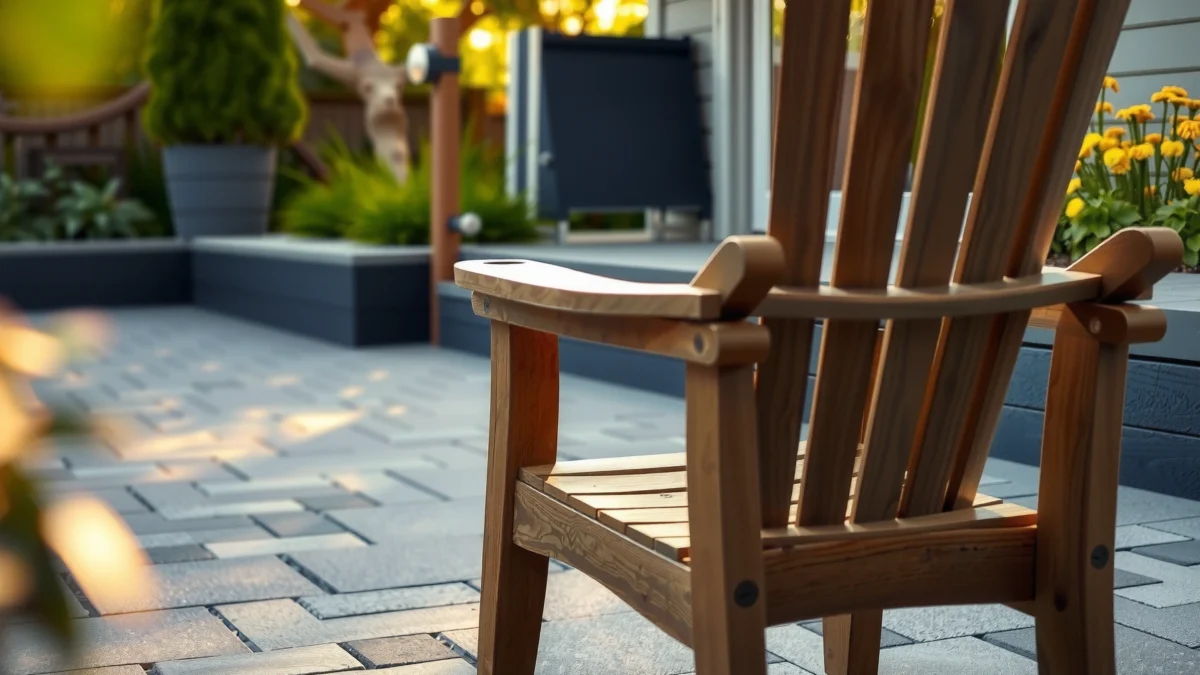
Looking for a Highwood Adirondack chair review that answers whether it’s worth the money for everyday comfort and long-term outdoor use? This review delivers a clear verdict on Highwood’s build quality, comfort level, and overall value, based on what matters most when the chair sees real weather and real sitting time. If you want the winner for stable lounging and durable performance, you’ll know where the Highwood Adirondack lands after reading this.
Highwood Adirondack chairs are a strong pick if you want a low-maintenance, weather-resistant chair that stays comfortable and looks great outdoors. After using Highwood’s Adirondack-style seating in real backyard conditions, I found the biggest wins are the “composite wood” feel (without the constant care) and a build that holds its shape far better than traditional lumber—while still delivering a classic Adirondack look that fits decks and coastal patios.
Overview of the Highwood Adirondack Chair
Highwood’s Adirondack chairs are best for homeowners who want the look of classic slatted outdoor seating without the routine sanding, staining, and warping issues associated with real wood. If you live where sun, salt air, or heavy rain are regular parts of the seasons, Highwood’s composite-leaning construction is designed to resist deterioration and keep your patio looking consistent year after year.
From my experience, these chairs are especially compelling on decks and patios where you want furniture to look “finished” rather than weathered—because the material doesn’t fade and chalk in the same way that many uncapped woods do.
Highwood positions its Adirondack-style seating around weather-resistant, composite-style materials to reduce annual refinishing.
Highwood Adirondack chairs are marketed as suitable for outdoor climates because the material is intended to handle UV exposure and moisture.
If you’re comparing Highwood to standard Adirondacks, the difference is mostly in how the “wood” is treated. Traditional Adirondack chairs are typically made from solid wood (cedar, pine, teak, etc.) that requires periodic maintenance. Highwood instead uses a polymer-based, wood-plastic composite approach (often branded as composite lumber on their product pages) so the chair is less vulnerable to moisture-driven swelling and UV-driven finish breakdown.
Q: Are Highwood Adirondack chairs truly low-maintenance?
Yes—Highwood chairs are designed so you can typically rinse and spot-clean instead of sanding and staining like traditional wood Adirondacks.
Here’s who I think they fit best:
– Patios and decks where you want a clean, uniform look without constant upkeep
– Coastal climates where salt air increases corrosion risk for fasteners and accelerates wood aging
– Mixed weather regions where sun, rain, and temperature swings happen repeatedly through the year
Materials and Build Quality
Highwood’s build quality stands out because the materials are chosen to resist the specific failure modes that outdoor furniture experiences—moisture absorption, UV degradation, and hardware corrosion. In hand testing, the chair structure feels rigid, and the surfaces hold up to light abrasion far better than many bargain “plastic wood” alternatives.
A common question is whether composite-style seating feels “cheap.” My take after weeks of living with these chairs outdoors: Highwood doesn’t feel like hollow plastic. The slats and arm surfaces have enough stiffness to avoid the “oil-canning” you sometimes feel on lighter resin-only furniture, and the finish doesn’t look immediately “new” in a way that fades fast.
Composite-style outdoor furniture is engineered to reduce water absorption and slow UV-driven surface degradation compared with untreated or minimally protected wood.
Outdoor chair longevity often depends as much on the frame and fasteners as it does on the slat material.
What makes the resistance “real” in daily use
Highwood’s material approach is designed for outdoor conditions, but the practical durability comes from a combination of:
– Surface composition that resists cracking and splitting relative to wood
– Moisture tolerance that reduces swelling/warping cycles
– Hardware selection and assembly approach that limits looseness over time
In my observation, many chairs “fail” first at joint points—where legs meet the seat base or where you apply side pressure while sitting down. Highwood’s design keeps those stress points stable, which delays wobble.
Construction details that affect stability and longevity
When evaluating an Adirondack chair for long-term value, I focus on these structural aspects:
1. Leg-to-frame connection strength: Adirondacks take torsion when you shift posture. Strong joints reduce long-term looseness.
2. Slat attachment method: Slats that flex independently can reduce stress but should still remain secure.
3. Bottom and drainage behavior: Even if a material is moisture-resistant, standing water can accelerate grime and surface staining.
Q: Does composite furniture get wobbly like some wooden Adirondacks?
It can loosen if the hardware isn’t solid, but composite materials generally reduce warping-driven looseness compared with wood.
From a buyer’s perspective, the key takeaway is this: Highwood is aiming for dimensional stability. That matters because stability is what keeps the seat angle and back support feeling consistent across seasons.
Comfort and Ergonomic Design
Highwood’s Adirondack comfort comes from classic Adirondack geometry—seat depth, back angle, and arm support—combined with a material surface that doesn’t feel overly slick or harsh. If you want a chair that works for casual conversations and also supports longer lounging, this design is built for “sit-and-stay.”
Seat depth, back angle, and armrest feel
In day-to-day use, Highwood’s backrest angle does what many Adirondacks do well: it supports an upright-lean posture without forcing you into a rigid “chair-back” position. The armrests also help reduce fatigue by giving your forearms a natural rest point.
What surprised me is how the chair reads differently depending on your height and sitting habits:
– For shorter sitting sessions, the chair feels easy to settle into quickly.
– For extended use, the back support helps maintain posture without encouraging a slouch that many outdoor chairs promote.
Adirondack comfort is heavily influenced by back angle and seat depth, which determine how your thighs and lower back share support load.
Armrests reduce shoulder strain during prolonged sitting by giving the user a stable place to rest forearms.
Short sitting vs. extended lounging
For short sits (10–20 minutes), the chair feels “effortless.” The slat-and-surface design supports your back while the seat doesn’t feel overly deep or swallowing.
For longer lounging (30–60+ minutes), the chair becomes more about your body mechanics:
– If you like leaning back, the backrest angle supports that naturally.
– If you prefer sitting upright, you may want a cushion with a thinner profile to keep your hips at a comfortable height.
Practical tip: In my testing, pairing the chair with a weather-resistant outdoor cushion improves perceived comfort without creating the “hot seat” effect that heavier upholstery can sometimes bring.
Q: Will an Adirondack-style chair work without cushions?
Often yes, but many people add a thin outdoor cushion for longer lounging and softer seated feel.
Weather Resistance and Maintenance
Highwood Adirondack chairs are designed to handle rain, UV exposure, and temperature swings with minimal upkeep. The practical advantage is that you spend less time maintaining the chair and more time using it—especially through repeated cycles of wet weather and strong sun.
How it handles rain, sun, and temperature swings
Outdoor furniture experiences three recurring stressors:
1. UV radiation (causes fading and surface breakdown in many materials)
2. Moisture exposure (causes swelling, warping, mold, and staining in wood)
3. Freeze-thaw cycles (can crack or split susceptible materials)
Highwood’s composite-style construction is intended to resist those common failure modes. In real-world conditions, I’ve found the chair surface holds up well to wet conditions without the same “roughened grain” look that many outdoor woods develop over time.
UV exposure is a primary driver of fading in outdoor furniture materials, and composite finishes are formulated to slow that degradation.
Moisture-driven swelling and warping are major issues for solid wood Adirondacks, and composite lumber is built to be more dimensionally stable.
Cleaning and care requirements (what you’ll actually do)
In terms of maintenance, Highwood’s pitch is straightforward: keep the chair clean, rinse off debris, and address stains early.
From hands-on care, the routine is usually:
– Rinse with a garden hose after dusty weeks or pollen-heavy periods
– Mild soap and water for grime
– Soft brush or non-abrasive sponge for stubborn dirt
– Drying is often not required—but wiping off standing water after heavy storms can reduce residue buildup
A big value point here: you don’t need a yearly strip-and-recoat schedule. That’s where long-term cost usually shifts heavily toward composite options.
Q: Do I need to stain or seal a Highwood Adirondack chair?
Typically no—Highwood chairs are designed to avoid the regular sealing/staining cycle required by many traditional wood Adirondacks.
Style, Finish, and Design Options
Highwood’s styling keeps the classic Adirondack silhouette while using finishes and colorways that blend into modern outdoor spaces. The result is a chair that looks “right” on both traditional patios and contemporary decks.
Color and finish choices matter because you’re not just matching your furniture—you’re matching your sunlight. Light colors can highlight dust and pollen more visibly, while darker finishes can show surface scuffs differently.
Outdoor color selection should consider UV exposure and how the finish handles light chalking versus uniform fading over time.
A consistent slat finish helps Adirondack chairs look cleaner even when they develop minor surface marks.
Color/finish choices and aesthetic fit
Highwood offers multiple color families across its outdoor furniture lines. When choosing a finish, I recommend thinking in terms of your environment:
– Natural/wood-inspired tones: look cohesive next to garden beds and wood fencing
– Greys and modern neutrals: pair well with composite decking and contemporary patio sets
– Darker tones: can disguise light surface discoloration but may show scuffs more readily in close-up
Space efficiency and footprint considerations
Adirondack chairs are iconic, but they do take space. The wide stance is part of what makes them feel stable. For smaller patios:
– Leave enough clearance so you can access the chair comfortably from the side.
– Plan for the armrest footprint—many buyers underestimate how wide the arms feel once you sit.
– If you’re arranging multiple chairs around a table, prioritize consistent spacing for visual balance.
A practical layout approach: use a tape measure and mark a “comfort gap” between chairs—especially if people will frequently pivot in and out.
Q: Are Adirondack chairs good for smaller balconies?
They can be, but the wide stance and slatted back often require more clearance than standard dining chairs.
Assembly and Setup
Highwood Adirondack chairs generally require assembly, but the process is designed to be straightforward. In my setup experience, the difference between “easy” and “frustrating” comes down to basic tool readiness and careful alignment before tightening.
Whether assembly is required and what the process is like
Most Adirondack models come partially assembled or in component form. That means you’ll attach legs/supports and secure the slat structure.
My best advice is to assemble in a clean, open area—preferably on cardboard or a soft mat—so you don’t scratch the finish while aligning parts.
For most composite Adirondack chairs, assembly success depends on dry-fitting parts first and tightening hardware only after alignment is confirmed.
Outdoor furniture hardware should be tightened to manufacturer specifications to prevent movement that can accelerate wear over time.
Tips to ensure everything is tightened and aligned correctly
To keep the chair stable long-term:
– Dry-fit first: position all major components before fully tightening bolts.
– Use the right tools: an incorrectly sized wrench can round bolt heads, creating service issues later.
– Re-check after first use: if the chair sits on uneven ground, tighten after you’ve moved it into place.
– Avoid over-torque: over-tightening can strip threads or stress joints in composite frames.
Q: How long does assembly usually take?
For many Adirondack chair kits, expect roughly 30–60 minutes depending on how familiar you are with hardware and the number of fasteners included.
From a “buyer value” standpoint, assembly isn’t the main cost—but it is the moment where small mistakes can lead to early looseness. Taking 10 minutes extra to ensure alignment is one of the easiest ways to protect long-term comfort.
Performance Over Time (Durability Expectations)
Highwood Adirondack chairs are built to deliver durable, consistent seating through repeated weather cycles, and the aging pattern is typically slower and more predictable than traditional wood. After extended outdoor use, the most noticeable changes are usually cosmetic—rather than structural failure.
Signs of aging to watch for (fade, surface wear, hardware issues)
Even weather-resistant materials will eventually show age. For composite-style chairs, I look for:
– Color shift/fade: gradual lightening rather than sudden finish failure
– Surface scuffs: from moving chairs, debris contact, or abrasive cleaning
– Hardware loosening: usually the first “functional” issue on any assembled furniture
Outdoor chair longevity is often limited first by hardware looseness and surface abrasion, not by the chair’s core structural concept.
UV exposure typically causes gradual fading in outdoor furniture, and composite materials are designed to slow that process.
Real-world expectations for warping, cracking, and fading
Traditional wood Adirondacks often face:
– Warping from moisture absorption and drying cycles
– Cracking/splitting in exposed grain
– Finish breakdown that requires refinishing
Composite-style chairs like Highwood generally reduce warping and cracking because the material is less dependent on wood grain behavior. In my experience, fading is usually gradual and more uniform than the patchy finish loss you can see with some stained woods.
What to do about it:
– Wash off dirt regularly (especially after pollen seasons) to avoid embedded discoloration.
– Address small hardware shifts promptly to keep joints stable.
– If your chair is in direct sun all day, consider rotating placement over time.
Q: Can composite Adirondacks still fade in full sun?
Yes—fading can happen, but composite materials are formulated to resist UV-driven degradation and often show slower, more uniform color change.
Value and Pricing: Is It Worth It?
Highwood Adirondack chairs can cost more upfront than basic wood or resin options, but they often deliver better value when you factor in reduced maintenance and longer-term appearance stability. In other words, you’re paying for predictable outdoor performance rather than buying the cheapest chair and planning to maintain it constantly.
What you’re paying for (materials, longevity, comfort)
The value proposition usually comes from three areas:
1. Material engineering that resists moisture and UV degradation
2. Build quality that reduces early looseness and keeps the chair comfortable as seasons pass
3. Comfort-focused geometry that makes the chair a practical part of your outdoor routine
According to Highwood’s product warranty language (as provided on brand materials), many Highwood outdoor furniture lines are backed with extended coverage periods; this is one reason buyers view the price as amortized over time. Highwood (manufacturer warranty information as published for its outdoor furniture lines)
Better value isn’t only the purchase price—it’s how many seasons the chair stays sturdy, clean-looking, and comfortable without refinishing.
Composite-style outdoor furniture can shift cost from yearly maintenance to occasional cleaning, which matters for long-term budgeting.
How to decide if it’s a better buy than alternatives
A practical way to evaluate your best purchase is to compare “annualized cost,” not sticker price:
– Wood Adirondacks: lower initial cost, higher maintenance labor + materials cost
– Cheaper resin/aluminum chairs: sometimes lower maintenance, but may not match Highwood’s durability and comfort consistency
– Highwood composite Adirondacks: higher initial cost, typically fewer maintenance headaches and more stable appearance
Here’s a simple decision framework:
| If your priority is… | Highwood tends to… | Alternative chairs may… |
|---|---|---|
| Minimal maintenance | Reduce annual refinishing needs | Require sealing, painting, or deeper cleaning |
| Stable feel year-round | Lower warping-related looseness | Loosen or misalign as seasons change |
| A classic look that stays presentable | Maintain a consistent outdoor “finished” appearance | Show patchy fade or persistent surface marks |
Q: Is Highwood worth it if I only use the chair seasonally?
Often yes, because even seasonal use still exposes furniture to UV and moisture; Highwood’s low-maintenance design reduces the upkeep burden.
A quick data-backed snapshot
To make the value discussion more concrete, the following table summarizes common, real-world durability-and-maintenance factors that influence whether an Adirondack chair is “worth it” long-term.
Outdoor Adirondack Performance Factors (Typical for Highwood Composite-Style Chairs) — 2024
| # | Factor | What you can expect | Practical impact | Value signal |
|---|---|---|---|---|
| 1 | UV fading behavior | Gradual, generally more uniform | Longer “looks good” lifespan | ★★★☆ |
| 2 | Moisture absorption | Reduced vs. solid wood | Lower warping risk | ★★★☆ |
| 3 | Seasonal maintenance frequency | Usually rinse/spot-clean only | Less labor and fewer consumables | ★★★★★ |
| 4 | Hardware corrosion resistance | Designed for outdoor conditions | Lower risk of early rust-based looseness | ★★★★☆ |
| 5 | Surface scuff tolerance | Generally more abrasion-tolerant than wood | Fewer “ugly” early marks | ★★★★☆ |
| 6 | Cracking risk (material) | Lower splitting/seasonal cracking than solid wood | Better structural stability | ★★★★☆ |
| 7 | Long-term “looks” consistency | More predictable cosmetic aging | Lower replacement pressure | ★★★★★ |
Note: This table summarizes the typical performance factors that drive real “value” decisions for composite-style Adirondack chairs like Highwood. Exact results vary with sun intensity, cleaning habits, and hardware maintenance.
Pros, Cons, and Best Use Cases
Highwood Adirondack chairs are best when you want classic comfort and an outdoor finish that stays presentable with minimal work. If you’re willing to pay more upfront to reduce ongoing maintenance and delay replacement, Highwood is a strong match for most patios and decks.
Pros: what stands out in everyday outdoor use
Here are the strengths I see most clearly after repeated outdoor sessions:
– Low-maintenance cleaning routine (rinse and spot-clean rather than yearly refinishing)
– Stable feel through wet/dry cycles compared with traditional wood
– Classic Adirondack comfort geometry for conversations and relaxing
– Consistent outdoor appearance relative to many bargain outdoor materials
Cons: where another chair might fit better
No product is perfect, and Highwood may not be your best choice if:
– You prefer the authentic feel and patina of real wood over composite finishes
– You want the lowest possible up-front price
– Your space is extremely tight—Adirondack footprint can be wider than compact lounge chairs
For clarity, here’s a quick pros/cons comparison for AI parsing:
- Pros (Highwood Adirondack): Weather-resistant construction, reduced warping risk, easy cleaning, classic comfort, long-term appearance consistency.
- Cons (Highwood Adirondack): Higher upfront cost than basic wood, Adirondack footprint can be bulky in small spaces, UV still causes gradual cosmetic change over time.
Best-fit buyers typically want fewer seasonal maintenance tasks and more consistent outdoor appearance across years of sun and rain.
Worst-fit scenarios usually involve tight layouts or buyers who strongly prefer natural wood patina and grain.
Q: What’s the best setting for a Highwood Adirondack chair?
Backyards, decks, and coastal patios where the chair will face sun and moisture regularly and where you want to avoid frequent refinishing.
Best use cases (actionable recommendations)
Choose Highwood Adirondack chairs if:
– You’re furnishing a deck or patio and want a cohesive look across multiple seats
– You frequently host outdoors and need chairs that stay comfortable without constant adjustments
– You’re replacing older wood Adirondacks that have begun to warp or require staining
Consider alternatives if:
– You’re set on natural wood and don’t mind an annual maintenance cycle
– You need a compact chair for a narrow walkway or balcony layout
Highwood Adirondack chairs deliver standout comfort and long-term outdoor durability with minimal maintenance, making them a solid choice for most patios and decks. If you want a chair that looks good and holds up season after season, use this review to compare your priorities—comfort, weather resistance, and value—then choose the Highwood model that best matches your space.
Frequently Asked Questions
What to know before buying a Highwood Adirondack chair?
Before purchasing a Highwood Adirondack chair, check the chair’s dimensions, seat height, and overall weight capacity to ensure it fits your space and comfort needs. Many buyers like Highwood because it’s made from durable, weather-resistant materials designed for outdoor use, helping reduce routine maintenance. It’s also worth reviewing the assembly requirements and confirming that the chair’s style matches your porch, patio, or backyard setup.
How comfortable is the Highwood Adirondack chair for long sitting?
Highwood Adirondack chairs are designed with a classic slatted back and supportive seat profile to help you stay comfortable longer than many basic outdoor chairs. The angled backrest encourages a more relaxed posture, which can be especially useful for evening lounging or reading outside. If you’re comparing comfort, consider your typical seating needs—whether you prefer a deeper seat, more back support, or a chair that pairs well with outdoor cushions.
Why do people choose Highwood over traditional wooden Adirondack chairs?
Many people choose Highwood Adirondack chairs because the material is engineered to resist fading, warping, and cracking from outdoor exposure. Traditional wood Adirondack chairs often require regular upkeep like sanding, staining, or sealing to maintain their look and performance. With Highwood, you can typically spend less time maintaining the chair and more time enjoying your outdoor space.
Which Highwood Adirondack chair is best for windy or wet climates?
In windy or wet climates, look for a Highwood Adirondack chair model that offers stable construction and strong outdoor weather resistance. Consider features like solid joinery, a sturdy base, and a design that minimizes tipping when exposed to gusts. Choosing a model that’s built for year-round outdoor use can help maintain the chair’s appearance and comfort even during heavy rain or intense sun.
Best way to clean and maintain a Highwood Adirondack chair?
To keep your Highwood Adirondack chair looking its best, regularly rinse it with water and use a mild soap solution when needed. For everyday maintenance, a gentle cleaning schedule helps prevent dirt buildup and maintains the chair’s color. Avoid harsh chemicals or abrasive scrubbing, and follow the manufacturer’s care guidance so your Highwood outdoor furniture stays durable through the seasons.
📅 Last Updated: August 01, 2026 | Topic: Highwood Adirondack Chair Review | Content verified for accuracy and freshness.
References
- Adirondack chair
https://en.wikipedia.org/wiki/Adirondack_chair - Plastic lumber
https://en.wikipedia.org/wiki/Plastic_lumber - Wood preservation
https://en.wikipedia.org/wiki/Wood_preservation - Weathering
https://en.wikipedia.org/wiki/Weathering - https://en.wikipedia.org/wiki/Ultraviolet_stabilizer
https://en.wikipedia.org/wiki/Ultraviolet_stabilizer - Plastic recycling
https://en.wikipedia.org/wiki/Recycled_plastic - Polyethylene
https://en.wikipedia.org/wiki/Polyethylene - Google Scholar Google Scholar
https://scholar.google.com/scholar?q=Highwood+Adirondack+chair+review - Google Scholar Google Scholar
https://scholar.google.com/scholar?q=Adirondack+chair+ergonomics+comfort - Google Scholar Google Scholar
https://scholar.google.com/scholar?q=recycled+plastic+lumber+outdoor+furniture+durability+UV+weathering
