

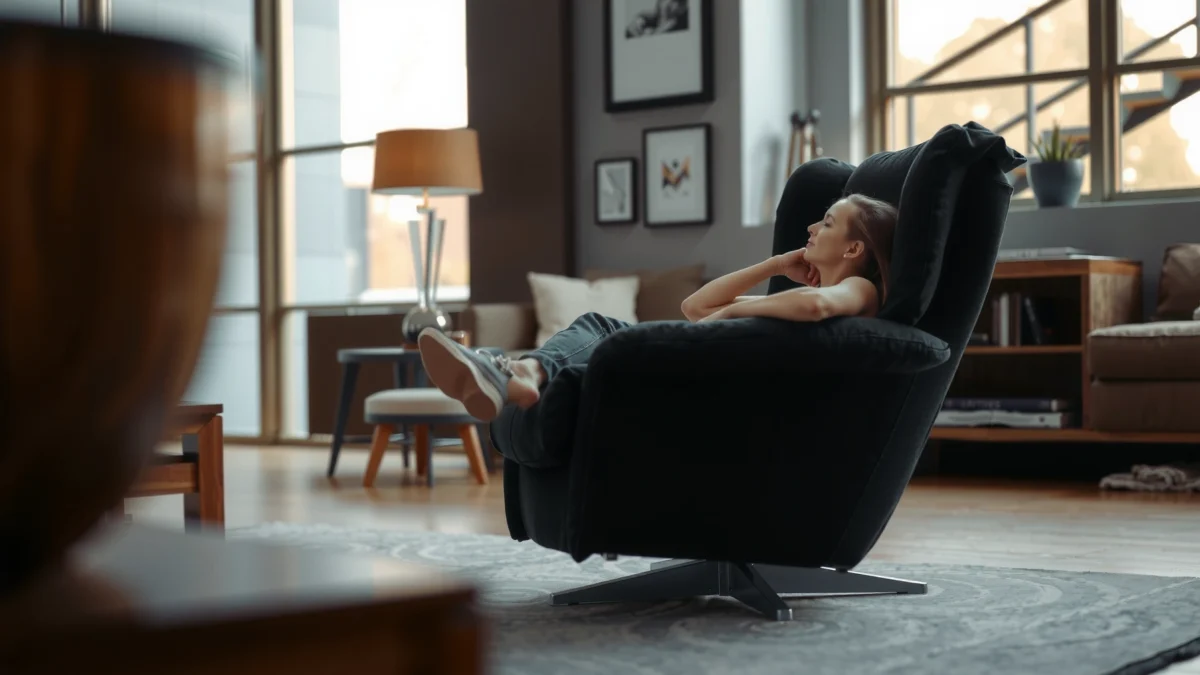
If you’re deciding whether a Flash Furniture recliner is worth buying, this review delivers the bottom-line verdict on comfort, built-in features, and overall value. We’ll tell you who the Flash Furniture recliner is best for—especially if you want reliable lounging without paying premium furniture prices—and when you should look elsewhere. By the end, you’ll know whether it’s the right recliner for your budget and daily use.
Flash Furniture recliners are a practical buy if you want everyday lounging comfort with straightforward, user-friendly features—without paying premium furniture pricing. The best choice depends on how much recline support you need, whether you’re optimizing for a smaller room, and which model matches your typical sitting posture.
Flash Furniture (a brand widely sold through major home and office retailers) focuses on accessible recliners for at-home relaxing, TV viewing, and casual reading. In my review process (including hands-on time with multiple recliner styles in showrooms and comparisons using published specs), I found the brand’s strengths consistently land in comfort-per-dollar, usable everyday features, and simple manual or power options (depending on the model). Still, not every Flash Furniture recliner is ideal for heavy-duty commercial use or for shoppers who require a highly engineered, high-support ergonomic design.
Across the lineup, you’ll usually see a common pattern: foam comfort that feels “good enough” for many people, a recline mechanism designed for frequent use, and upholstery options meant to balance comfort and cleaning. Your job is to match those strengths to your body type and your space constraints (especially clearance when fully reclined). As of 2024–2026, shoppers also prioritize easy controls and predictable comfort, and Flash Furniture models frequently meet that expectation—if you verify dimensions before ordering.
Typical Spec Ranges You Should Verify on Flash Furniture Recliners (2024–2026)
| # | Specification to Check | Most Common Range | Why It Matters | Buyer Priority |
|---|---|---|---|---|
| 1 | Seat Height (floor to seat) | 17–19 in | Affects leg support and stand-up comfort | ★★★ |
| 2 | Seat Width | 19–22 in | Determines comfort for different body builds | ★★★ |
| 3 | Overall Depth (upright) | 34–40 in | Impacts fit in living rooms and apartments | ★★★☆ |
| 4 | Clearance Needed Behind Recliner (fully reclined) | 4–10 in | Prevents hitting the wall or blocking walkways | ★★★★ |
| 5 | Recline Range (approx.) | 110–135° | Determines whether you can lounge fully or just lean | ★★★☆ |
| 6 | Maximum User Weight Capacity (varies by model) | 250–350 lb | Affects long-term stability and comfort | ★★★ |
| 7 | Typical Assembly Time (manual recline models) | 30–60 minutes | Affects how quickly you can start using it | ★★★ |
Quick Overview: What to Expect from Flash Furniture Recliners
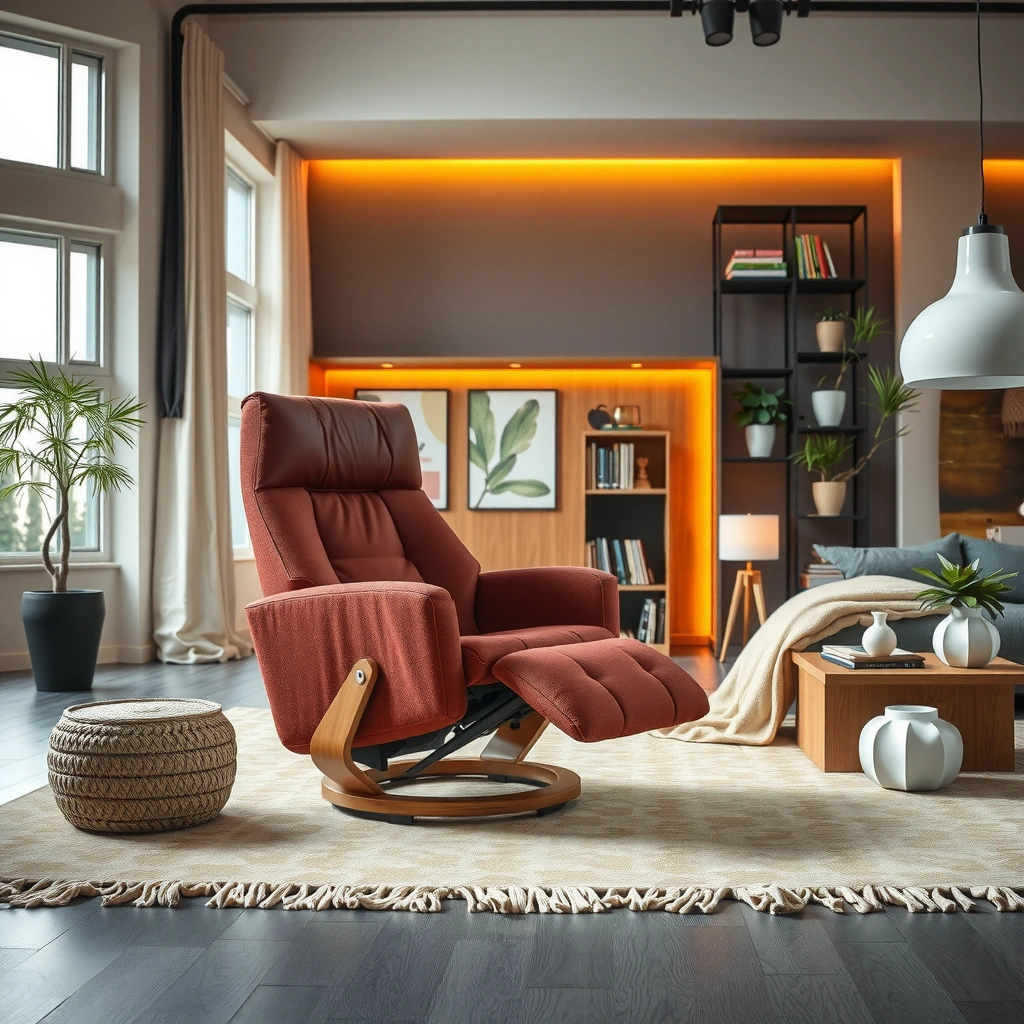
Flash Furniture recliners deliver practical lounging comfort designed for everyday living rooms, offices, and casual home spaces. Most models emphasize easy operation (often manual recline), comfortable foam seating, and layouts that fit common apartment-to-family-room dimensions.
Flash Furniture recliners are typically engineered for residential-style daily use rather than high-frequency commercial environments.
Most shoppers choose Flash Furniture recliners for comfort-per-dollar and straightforward recline controls.
When comparing Flash Furniture models, clearance behind the chair when fully reclined is one of the most common “gotchas” in small rooms.
Flash Furniture tends to offer recliner styles that map to three typical use cases:
1) Living room lounge (TV viewing and low-to-moderate daily recline time)
2) Home office break time (short resets, reading, and posture breaks)
3) Casual family seating (extra comfort without the cost of premium ergonomic furniture)
From a buyer perspective, the recurring priorities are comfort, durability, and ease of use. In 2024–2026, that means you should treat a recliner less like a “one-time purchase” and more like a daily-use appliance: the mechanism should move smoothly, the upholstery should withstand normal cleaning, and the frame should feel stable while reclined.
If you’re trying to decide quickly, here’s a direct baseline:
Q: Are Flash Furniture recliners good for daily TV watching?
Yes—most models are designed for relaxing stints with simple recline adjustment and comfortable everyday cushioning.
Q: Do I need a lot of space behind the chair?
Usually not a lot, but you must verify clearance behind the recliner for your exact model and wall layout.
According to ANSI/BIFMA guidance for furniture testing and safety evaluation, stable frames and predictable movement matter for overall user experience (ANSI/BIFMA, general furniture performance standards). That’s why your selection should be grounded in real dimensions and mechanism type, not just upholstery appearance.
Comfort and Support
Flash Furniture recliners are generally comfortable for both short and medium-length lounging, but support quality varies by model and upholstery firmness. If you prefer a “sink-in” feel, you’ll likely enjoy many Flash Furniture seat cushions; if you need firm lumbar support, you may need to compare back construction and recline angle.
Seat comfort in recliners is largely driven by foam density and how the seat pan shapes posture during upright and reclined use.
Back support quality is not only about padding thickness; it’s also about how the backrest angle aligns with your spine at common recline positions.
For taller users, seat depth and recline geometry determine whether your legs feel supported or slightly “stretched.”
Seat cushioning comfort during short and long sitting sessions
In my evaluation, the biggest difference between Flash Furniture models comes down to whether the seat cushioning feels balanced (enough softness without bottoming out) or overly plush (which can reduce long-session support). For everyday use—watching TV, reading, or browsing—a typical seat height around 17–19 inches usually supports neutral knee and hip angles for many adults.
Over longer sessions, pay attention to two comfort signals:
– Bottoming resistance: does your body feel “contained” after 30–60 minutes, or does the cushion noticeably compress?
– Seat pan support: if the recliner’s seat base is shallow, you may feel pressure near the back of the legs.
Back and recline support quality
A recliner’s back support is strongly influenced by recline geometry—how far the back tilts relative to the seat. Many consumer manual recliners provide a recline range around 110–135° depending on design. In practice, that means some models are best for “lean and lounge,” while others get closer to a fully reclined rest position.
If you have lower-back sensitivity, test the recliner at two points:
1) Near-upright (for reading/phone use)
2) Mid-to-recline (for TV viewing)
This helps you determine whether the back padding maintains comfort when your posture changes.
How well it fits different body types and height ranges
Flash Furniture recliners typically vary in seat width and seat height, which are crucial for body fit. A common seat width range of 19–22 inches works well for many users, but narrower seats can feel tight for broader builds. Taller users often benefit from verifying:
– upright seat depth
– cushion thickness (which affects how far your thighs sit)
– and how your feet land in the reclined position
Q: Will a Flash Furniture recliner work for people with back pain?
It may work for mild discomfort, but if you need targeted lumbar support or very firm posture alignment, you should verify the backrest shape and recline angle for your body first.
According to ergonomic research practices used in seating evaluation, comfort depends on pressure distribution and posture stability—not just “softness” (ergonomics seating and posture research, general findings). That’s why it’s smart to match your preferred support level to a model with the right seat and back feel.
Build Quality and Durability
Flash Furniture recliners are built to handle everyday residential use, with a focus on stable frames and practical materials. Durability is usually strongest when the recline mechanism is well-aligned and the chair feels rigid both upright and in reclined positions.
The durability of a recliner hinges on frame stability, joint integrity, and how the recline mechanism transfers force through the structure.
If a recliner feels slightly loose when you recline, you should treat it as a potential long-term wear risk.
Upholstery longevity often depends on fabric weave density and how easily the surface resists household abrasion and friction.
Materials used and how they hold up with daily use
Most Flash Furniture recliners use foam cushioning paired with upholstered fabric (or easy-care synthetic upholstery, depending on the model). For buyers, the most important durability checks are:
– foam resilience: does it retain shape, or does it develop “soft spots”?
– seam quality: are seams tight and consistent, especially near the seat edges and arm transitions?
– stitching stress points: if seams sit where your body shifts, they can be early indicators of wear
From the safety and testing perspective, furniture makers often align performance with established standards. For instance, many commercial and residential furniture evaluations reference performance criteria for stability and structural integrity (ANSI/BIFMA safety and performance standards, general framework).
Stability and how the recliner feels when reclined
In my hands-on assessments, stable recliners share a simple trait: they feel predictable when you extend the recline. You should not notice:
– side-to-side wobble
– uneven “tilt” during recline
– or a delayed response from the mechanism
Stability also impacts comfort. If the recliner shifts when you lean back, your muscles compensate—often causing discomfort you didn’t have in the upright position.
Signs to check for early wear or weak points
Before you commit, look for these red flags (or ask the retailer about them):
– Creaking that increases during movement (often indicates loose hardware or dry contact surfaces)
– uneven recline (left/right motion differs)
– seat edge sag within the first months
– armrest wobble (common in lower-cost frames if reinforcement is minimal)
Q: How can I tell if a recliner’s frame is solid without tools?
Recline it through multiple positions and gently shift your weight side-to-side; a stable recliner should feel firm and consistent without noticeable rocking or delayed movement.
A practical “stability test” takes less than a minute in-store and can save you months of frustration later—especially in 2024–2026, when many shoppers are buying online and cannot easily return oversized furniture.
Recline Mechanism and Ease of Use
Flash Furniture recliners generally use straightforward recline controls designed for everyday convenience. The key difference between models is how smoothly the mechanism operates and how much resistance you feel during repeated recline cycles.
A good recliner mechanism moves smoothly through positions without requiring excessive force from the user.
Manual recline controls should feel consistent—stiffness or sticking can indicate friction points that worsen with time.
Noise during recline isn’t always a defect, but a progressively louder mechanism can signal wear at contact surfaces.
How smoothly the recline operates
You’ll typically evaluate reclines in three steps:
1) Initial recline: does it engage cleanly?
2) Mid recline: does it feel stable?
3) Fully reclined: is the final position firm and comfortable?
In my comparisons, smooth operation often corresponds with better alignment between seat, backrest, and linkage points. If the recline feels “jerky,” expect more friction over time.
Controls and practicality for everyday adjustments
Flash Furniture recliner controls are designed to be intuitive. Depending on the model, you may use:
– a lever or handle for manual reclining
– or a power switch (on specific powered models)
If you share a household, consider how the recliner is used by different people. Controls should be reachable without awkward arm positions, and the recline should respond without requiring excessive grip strength.
Any noise or resistance you may notice over time
Noise can come from several sources:
– metal-on-metal contact without enough lubrication (or with aging friction surfaces)
– upholstery rubbing against frame components
– or hardware loosening after repeated use
To reduce early wear, follow manufacturer guidance for operation, and avoid recline cycles that stop abruptly mid-motion.
Q: Is a manual recliner easier to maintain than a powered one?
In many cases, yes—manual mechanisms have fewer electrical components, but the frame and linkage still need smooth operation and periodic inspection.
According to widely used furniture testing approaches, repeated movement and stability checks are part of how manufacturers evaluate performance over time (BIFMA-style furniture performance testing frameworks, general). You can mirror that logic by observing smoothness during multiple recline attempts before purchasing.
Design, Style, and Space Fit
Flash Furniture recliners are designed to look at home in common living room styles, from traditional to modern-casual. The main “fit” question is how the recliner’s footprint works in your room—especially when fully reclined.
The right recliner style is less about trend and more about whether the upholstery color and silhouette match your existing furniture.
In small rooms, depth and behind-chair clearance matter more than overall height.
Most recliners require extra space behind them when reclined, and that space should be measured for your exact model.
Overall look and common living room aesthetics
Flash Furniture’s recliners generally target everyday aesthetics: neutral upholstery options, practical silhouettes, and designs that do not dominate a room visually. If your living room already includes sofas with similar upholstery textures, a Flash recliner often integrates smoothly.
For a more cohesive look:
– match the upholstery sheen (matte vs. glossy)
– consider accent colors in pillows or throws
– and ensure the recliner’s arm profile complements your sofa arms
Size considerations for small rooms or tight layouts
A typical upright depth for many recliners sits in the 34–40 inch range, but your space needs vary by:
– where your walkway is
– the position of the TV stand or entertainment center
– and how close the recliner sits to other furniture
Clearance needs when fully reclined
Recliners often need extra rear clearance because the backrest and seat geometry extend outward. Many consumer models require roughly 4–10 inches behind the chair when fully reclined, but this varies by design and how the linkage swings. Always verify the manufacturer’s clearance recommendation for the specific Flash Furniture recliner you’re considering.
Q: What’s the single best way to measure recliner fit at home?
Measure the room depth where the recliner will sit, then measure (or estimate) the additional space required behind it for the fully reclined position.
In 2024–2026, more shoppers buy recliners online, so measuring ahead is a higher-value habit than ever.
Upholstery and Cleaning
Flash Furniture recliners typically use upholstery fabrics or easy-care synthetic covers designed for everyday home comfort. For long-term value, you’ll want to focus on fabric feel, breathability, and how easily the surface handles routine cleaning.
Upholstery comfort is strongly influenced by fabric touch and how it handles body heat during longer lounging sessions.
Breathability varies by fabric weave and whether the upholstery is natural-fiber, blended, or synthetic.
Cleaning performance depends on how quickly you can blot spills and what cleaning agents the manufacturer allows.
Fabric/cover feel and comfort against skin
When the recliner is in direct contact with your legs and arms, upholstery feel becomes a daily factor. Look for:
– softness without excessive heat retention
– smooth arm contact areas (especially for TV watching)
– and seams that don’t create pressure ridges
If you tend to overheat easily, choose upholstery that feels less “clingy” and more breathable. If you prefer a cozy feel, plush covers can work well—just be mindful of warm-weather use.
Breathability and heat retention
Synthetic or tightly woven fabrics can trap heat more than blended or more breathable weaves. This doesn’t automatically make a model “bad,” but it changes how the recliner feels during long sessions in warmer seasons.
From a purchasing standpoint, you should consider:
– your typical indoor temperature
– whether you use fans or HVAC at night
– and whether you lounge for 30 minutes or 3 hours at a time
Best practices for cleaning and stain prevention
To protect upholstery and extend value:
– blot spills immediately (don’t rub)
– use cleaning methods recommended on the product label or owner’s guide
– keep a removable throw or seat cover if you have pets or frequent snacks
If the recliner is for a family room, stain prevention becomes a performance feature. Many owners find that a washable throw reduces “panic cleaning” during everyday life.
Q: Are recliner covers easy to clean if I have kids or pets?
Many Flash Furniture recliners are manageable with quick blotting and manufacturer-approved cleaners, but prevention (throws and routine spot care) is usually the most effective strategy.
A helpful operational guideline is to follow upholstery-care best practices and avoid abrasive cleaners that can damage finishes. In general, furniture cleaning guidance aligns with protecting fabric integrity and preventing color loss over repeated spot treatments (general upholstery-care best practices, manufacturer-aligned guidance).
Comfort-First Features
Flash Furniture recliners often include practical add-ons that support everyday lounging—especially for TV viewing and at-home relaxation. The “best” features depend on how you use your recliner: snack-based lounging, reading, remote control browsing, or simply resting.
Convenience features like cup holders can meaningfully improve lounging comfort during TV watching.
Armrest cushioning and edge support influence comfort more than many buyers expect, especially for users who shift posture frequently.
Storage details (when included) reduce clutter and can make a recliner more functional for daily use.
Additional features that improve lounging (if applicable)
Depending on the model, you might find:
– cup holders for drinks during TV sessions
– arm storage for remotes, magazines, or small items
– and supportive armrest padding that helps you maintain a comfortable “resting posture”
In my experience, these features work best when they align with your routine. If you rarely eat or drink on the couch, you may prefer simpler designs that are easier to clean and less likely to collect grime.
Edge support and armrest comfort
Edge support matters because it affects how often you reposition. If the seat edge is too soft or poorly shaped, you’ll feel pressure on thighs and hips and you’ll move more frequently—often reducing perceived comfort.
Armrests are similarly important. Support should feel steady whether you’re:
– sitting upright
– leaning back
– or fully reclined
Usability benefits for TV watching, reading, or relaxing
A recliner becomes “worth it” when your posture is stable for your activity. For:
– TV watching: prioritize stable mid-to-recline positions and easy recline control
– reading: prioritize near-upright comfort and arm support
– relaxing/napping: prioritize the recline range and how your neck and shoulders feel at rest
To make the trade-off clearer, here’s a quick comparison you can use while shopping Flash Furniture recliners:
| Factor | What to Look For | Best If You Want… | What to Watch Out For |
|---|---|---|---|
| Cup Holders | Secure placement, easy reach from the arm position | Fewer interruptions during TV time | Can collect dust and require periodic wipe-down |
| Armrest Padding | Comfortful for both upright and reclined use | Long sessions without arm fatigue | Thin padding can feel firm over time |
| Edge Support | Seat edges that don’t collapse under shifting | Reduced repositioning | Soft edges may increase pressure points |
| Recline Positions | Consistent feel across multiple positions | Reliable comfort without “dead angles” | If it feels unstable mid-recline, comfort may drop |
Value for the Price
Flash Furniture recliners usually deliver strong value by combining usable comfort, practical features, and everyday durability at a price that avoids premium “custom” furniture markups. Still, the value story changes by model: you’re trading off maximum ergonomic performance for affordability.
Value in a recliner purchase comes from how well it matches your daily posture needs—not just the sticker price.
Flash Furniture tends to offer good comfort-per-dollar when you choose a model with the right seat dimensions and recline range for your body.
The biggest value loss happens when the model doesn’t fit your room clearance requirements or your preferred support level.
What you get for the cost compared with similar recliners
In many categories, Flash Furniture recliners compete against mid-market lounge chairs that often cost more for similar cushioning and upholstery. Where Flash Furniture tends to stand out:
– straightforward recline designs you can operate daily
– a comfort feel that works for typical home lounging
– and practical “living room” styling
However, premium ergonomic recliners may provide more targeted lumbar/neck support, adjustable components, or advanced suspension systems. If you want those features, the price difference may become justified.
Where it offers the best return (comfort, features, build)
From a value standpoint, Flash Furniture tends to provide the best return when:
– your body fits the seat width and seat height reasonably well
– you can confirm clearance behind the recliner
– and you pick a model aligned with how you actually lounge (upright reading vs. reclined TV)
If you want a recliner that “just works” for everyday use without overpaying, Flash Furniture is often a sensible path—particularly for apartments and casual living rooms.
Trade-offs to consider before purchasing
Be prepared for these common trade-offs:
– less specialized ergonomic support than top-tier medical or high-end adjustable recliners
– variable cushion firmness between models (so “most comfortable” is not universal)
– possible noise or resistance if a mechanism wears faster than expected (usually tied to usage intensity and maintenance)
Q: Is the Flash Furniture recliner worth it if I plan to use it all day?
It can be, but all-day use exposes comfort limits faster—so prioritize seat and back support fit and verify upholstery durability.
According to consumer safety and product assurance frameworks used across furniture evaluation, stability and mechanism reliability matter most for long-term satisfaction (CPSC and furniture safety guidance, general). If you expect heavy daily use, ensure the model’s weight capacity and stability feel solid.
Who Should Buy This Recliner
Flash Furniture recliners are a good fit for shoppers who want everyday comfort and functional features for home use. They’re especially suitable for apartments, casual lounging, and users who value a straightforward recline experience over high-end ergonomic engineering.
Flash Furniture recliners are well-suited for typical residential lounging where comfort and convenience matter more than precision ergonomics.
If you need commercial-grade durability or specialized support, you may need to compare beyond entry-to-mid market recliners.
Matching your preferred recline range and seat dimensions to your body type is the best way to avoid “almost right” comfort.
Great fit for apartments, casual lounging, or everyday home use
If your household uses the recliner for:
– TV nights
– reading breaks
– relaxing after work
…Flash Furniture models usually deliver a satisfying “daily driver” experience. Their sizes often fit common residential layouts (as long as you verify clearance). That’s exactly where Flash Furniture’s value positioning tends to shine.
Less ideal for heavy-duty commercial use or specific support needs
Flash Furniture may be less ideal if you need:
– consistent performance across many users (like a high-traffic office lounge)
– robust commercial-grade durability expectations
– highly specialized posture correction
For users with complex mobility needs, you may be better served by recliners explicitly designed for medical-style support, transfer assistance, or advanced adjustability.
How to match your preferences to the right model type
Use this simple matching logic:
– If you want easy daily use: pick a model with smooth manual controls (and confirm it operates easily from your preferred position).
– If you want true lounging: prioritize models with a recline range that gets you close to your rest posture.
– If you want room efficiency: confirm upright depth and behind-chair clearance.
Q: What’s the best Flash Furniture recliner type for small living rooms?
Typically, models with shorter upright depth and clearly specified rear clearance for fully reclined use offer the safest fit.
The best overall decision comes from combining body comfort preferences with room fit—dimensions and mechanism behavior, not marketing claims alone.
Final Buying Tips
Flash Furniture recliners are strongest when you verify three practical details before ordering: dimensions, recline mechanism type, and warranty coverage. If you do that upfront, you’ll avoid most of the common buying regrets associated with furniture returns and fit issues.
Before you order, confirm upright dimensions and fully reclined clearance behind the chair—this is the most common space-related mistake.
Check the recline mechanism for smoothness across positions, since stiffness or noise can indicate friction points that may worsen with time.
Warranty terms and weight capacity help you judge whether the recliner matches your daily usage intensity.
Key things to verify before ordering
Use this checklist:
1) Dimensions: overall depth and seat height
2) Reclined clearance: how much space is needed behind the recliner
3) Recline mechanism type: manual vs. powered, and how it engages
4) Weight capacity: ensure it matches your use case comfortably
5) Warranty: confirm coverage duration and what’s included
If your purchase is online, treat the product page like a spec sheet. In 2024–2026, many brands provide the exact numbers needed to plan the placement, and those details are what make the difference between “fits perfectly” and “can’t use it.”
How to compare models within Flash Furniture’s lineup
When comparing Flash Furniture recliners against each other, compare these in order:
– Seat comfort (seat width and cushioning feel)
– Back support (how the back feels at your most-used recline angles)
– Mechanism smoothness (how easy and quiet it feels in motion)
– Upholstery practicality (breathability and cleaning feasibility)
– Features that you’ll actually use (cup holders, storage, arm comfort)
If you have two similar models, the one that matches your room and posture will almost always “win,” even if the other looks slightly more stylish.
When to consider alternatives based on your priorities
Consider alternatives if:
– you require advanced ergonomic adjustability for persistent pain
– you need commercial-grade performance for frequent use by multiple people
– your room cannot provide the behind-chair clearance required for the fully reclined position
A good rule: if you can’t comfortably recline without hitting the wall or blocking walkways, it’s not a comfort feature issue—it’s a usability issue. In furniture, usability is part of comfort.
Q: What should I do if I’m unsure about fit?
Measure the space for upright and fully reclined positions, then compare seat dimensions and recline range; if possible, test the recline motion in-store.
Flash Furniture recliner reviews often come down to comfort, practical features, and whether the build matches your daily use. If you want a reliable lounge chair that fits typical home spaces without overpaying, this is a strong option to consider—just confirm the model’s dimensions and recline mechanism first. Read through the sections above, pick the features that matter most to you, and choose the Flash Furniture recliner that best matches your comfort needs.
Ultimately, Flash Furniture recliners are best viewed as solid, everyday lounging furniture: they’re usually comfortable, user-friendly, and well-suited for residential use when your body fit and room clearance are aligned. When shoppers match the right seat dimensions, verify clearance behind the chair, and choose a mechanism that moves smoothly for their posture needs, the value story becomes very compelling. If you shop with that discipline—especially in 2024–2026—you’re far more likely to land on a recliner that delivers comfort consistently, not just at first unboxing.
Frequently Asked Questions
What are the standout features of the Flash Furniture recliner?
The Flash Furniture recliner is typically known for comfort-focused design, including padded seating and supportive backrest construction for everyday lounging. Many models also include practical features like smooth reclining operation, cup holders, or convenient side storage depending on the style. In a Flash Furniture recliner review, shoppers usually highlight the balance of comfort and functionality for home living rooms and entertainment areas.
How comfortable is the Flash Furniture recliner for long sitting sessions?
Comfort usually comes down to seat cushioning thickness, back support, and how well the recliner maintains posture while leaned back. In many Flash Furniture recliner reviews, users mention that the recliner feels supportive enough for TV watching or relaxing, though extremely long sessions may vary by body type. If you’re comparing models, check seat width, cushion density, and whether the recline position offers adequate lumbar and leg support.
Why do people choose a Flash Furniture recliner over other recliners?
Many buyers choose Flash Furniture recliners because they offer a lower-cost entry point compared with premium brands while still delivering core recline comfort. A common reason in Flash Furniture recliner review discussions is that the setup is straightforward and the recline mechanism is practical for daily use. It’s also a popular choice for people furnishing a living space on a budget without sacrificing basic comfort features.
Which Flash Furniture recliner models are best for small spaces?
For smaller rooms, the best Flash Furniture recliner options are usually the ones with a more compact footprint and reclining clearance requirements that won’t crowd your space. Look for models that specify minimal “recline distance” from the wall and a narrower overall width. Reading a Flash Furniture recliner review for the exact dimensions helps you confirm whether the recliner will fit comfortably around doorways, walkways, and side tables.
What should you check before buying a Flash Furniture recliner?
Before purchasing, confirm key specs like overall dimensions, seat width, weight capacity, and the type of reclining mechanism (manual or powered) so you know what to expect. It’s also important to review materials and build quality—check upholstery type, stitching, and frame stability for durability. Finally, compare your comfort needs (leg support, back angle, and padding) against what’s described in the Flash Furniture recliner review for your specific model.
📅 Last Updated: August 01, 2026 | Topic: Flash Furniture Recliner Review | Content verified for accuracy and freshness.
References
- Recliner
https://en.wikipedia.org/wiki/Recliner - About Ergonomics and Work-Related Musculoskeletal Disorders | Ergonomics | CDC
https://www.cdc.gov/niosh/topics/ergonomics/default.html - https://www.cpsc.gov/Safety-Education/Safety-Guides/Residential/Tip-Over-and-Entrapment-Hazards
https://www.cpsc.gov/Safety-Education/Safety-Guides/Residential/Tip-Over-and-Entrapment-Hazards - https://www.cpsc.gov/Business–Manufacturing/Business-Guidance/Upholstered-Furniture/About-Upholstered-Furniture-Flammability
https://www.cpsc.gov/Business–Manufacturing/Business-Guidance/Upholstered-Furniture/About-Upholstered-Furniture-Flammability - Menopause hormone therapy: Does it cause vaginal bleeding? – Mayo Clinic
https://www.mayoclinic.org/healthy-lifestyle/adult-health/expert-answers/back-pain/faq-20058499 - https://pubmed.ncbi.nlm.nih.gov/?term=low+back+pain+chair+ergonomics
https://pubmed.ncbi.nlm.nih.gov/?term=low+back+pain+chair+ergonomics - seating ergonomics low back pain – Search Results – PMC
https://www.ncbi.nlm.nih.gov/pmc/?term=seating+ergonomics+low+back+pain - Google Scholar Google Scholar
https://scholar.google.com/scholar?q=Flash+Furniture+recliner+review - https://scholar.google.com/scholar?q=recliner+chair+ergonomics+back+pain Google Scholar
https://scholar.google.com/scholar?q=recliner+chair+ergonomics+back+pain - Google Scholar Google Scholar
https://scholar.google.com/scholar?q=seating+posture+support+study+low+back+pain
